
Short Answer
In the arid expanse of Earth’s forgotten corners, where the sun carves its signature into the parched earth, a silent revolution is unfolding. Cacti, those stoic sentinels of the desert, are no longer just survivors—they are becoming symbols of resilience in an era of ecological upheaval. But as climate change redraws the map of habitable landscapes, a pressing question emerges: Can we save the endangered genera of cacti before they vanish into the annals of extinction? The answer lies not in passive hope, but in a bold reimagining of conservation, where science, culture, and innovation converge to rewrite the fate of these prickly pioneers.
The Vanishing Giants: Why Cacti Are More Than Just Prickly Survivors
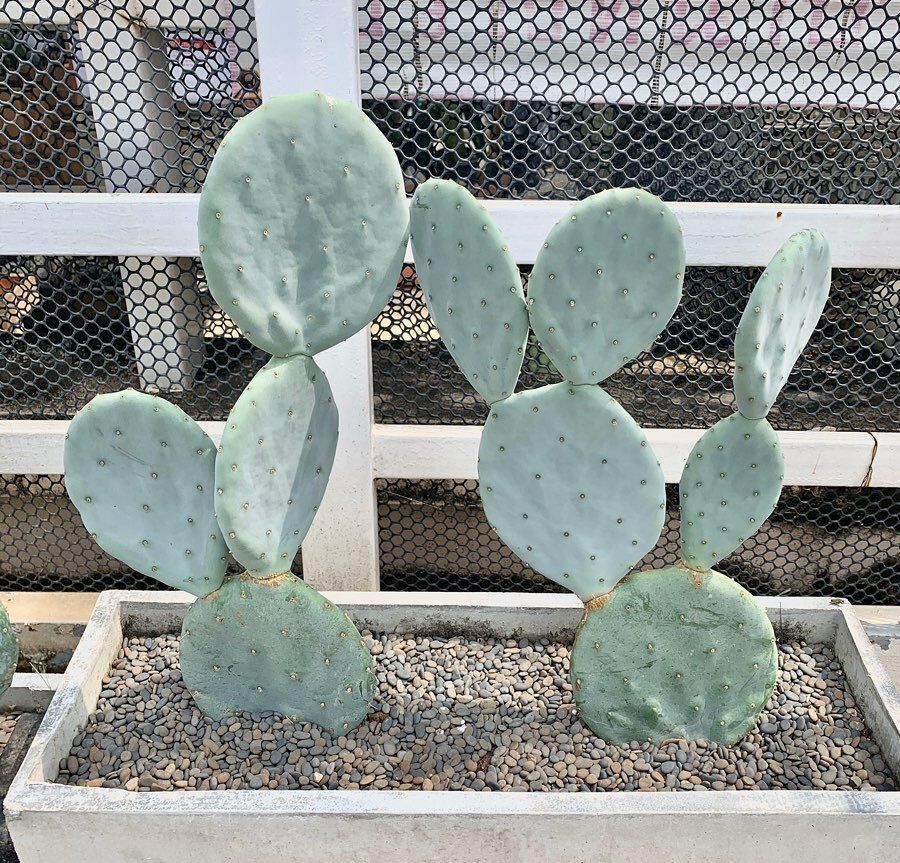
Cacti are not mere desert ornaments; they are ecological linchpins, architects of microhabitats that sustain a web of life unseen by most. Their fleshy stems store water like liquid treasure, their spines deter predators while casting delicate shadows that cradle seedlings in their infancy. Yet, these botanical marvels face an existential crisis. Habitat destruction, illegal trade, and the relentless march of climate change are eroding their strongholds. The Saguaro, with its towering arms reaching for the heavens, is not just a plant—it’s a timekeeper, its growth rings whispering stories of centuries past. When we lose a cactus species, we don’t just lose a plant; we unravel a thread in the tapestry of life itself.
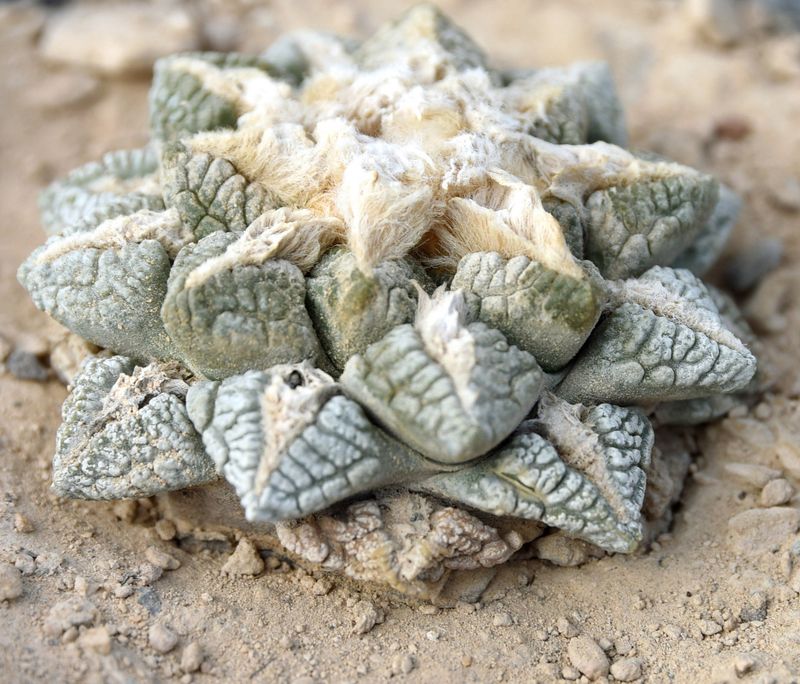
Consider the Turbinicarpus genus, a group of diminutive cacti native to Mexico. These jewels of the desert, with their intricate, spiraling ribs, are being plucked from the wild at an alarming rate. Their slow growth—some take decades to mature—makes them particularly vulnerable. The irony? Their rarity only fuels demand among collectors, creating a vicious cycle of exploitation. Without intervention, these living sculptures could disappear before we even fully understand their ecological roles.

The Climate Crucible: How Rising Temperatures Are Reshaping Cactus Realms
The deserts are not static; they are dynamic, shifting entities, and cacti have evolved to dance with their rhythms. But today, the tempo has quickened. Prolonged droughts, scorching heatwaves, and erratic rainfall patterns are pushing these plants to their limits. The Ferocactus genus, known for its barrel-shaped resilience, is now facing a new adversary: heat stress. When temperatures soar beyond their tolerance, these cacti enter a state of suspended animation, their metabolic processes grinding to a halt. It’s a desperate survival tactic, but one that may not be enough.
Climate models predict that by 2050, up to 60% of current cactus habitats could become unsuitable. This isn’t just a loss for biodiversity—it’s a domino effect. Cacti are keystone species; their decline ripples through ecosystems, affecting pollinators like bats and bees, which in turn impact the plants that rely on them. The desert, often dismissed as a barren wasteland, is in fact a crucible of interdependence. To save the cacti is to preserve the desert’s fragile equilibrium.
Cactus Conservation: From Seed Banks to Cyber-Surveillance
The fight to save endangered cacti is a multi-pronged assault on oblivion, blending ancient wisdom with cutting-edge technology. Seed banks, like the Millennium Seed Bank Partnership, are becoming the Noah’s Arks of the plant world, preserving genetic diversity for future generations. But seeds alone are not enough. Ex-situ conservation—growing cacti outside their natural habitats—has become a lifeline. Botanical gardens and specialized nurseries are stepping up, cultivating rare species in controlled environments to prevent their extinction.
Yet, the most innovative frontiers lie in the digital realm. Citizen science platforms are enlisting global volunteers to monitor cactus populations via smartphone apps, turning hikers and travelers into guardians of the desert. Drones equipped with thermal imaging scour remote landscapes, detecting stressed cacti before they succumb. Meanwhile, genomic sequencing is unlocking the secrets of cactus DNA, revealing traits that could help them adapt to a warming world. It’s a high-tech treasure hunt, where every data point is a potential lifeline.
The Black Market Menace: How Illegal Trade Fuels the Crisis
Beneath the surface of conservation efforts, a shadow economy thrives. The illegal trade in cacti is a lucrative, clandestine industry, driven by collectors willing to pay thousands for a single rare specimen. The Echinopsis genus, with its ethereal night-blooming flowers, is a prime target. Smugglers uproot these plants from their native soils, often leaving behind scars that take decades to heal. The journey from desert to private collection is fraught with peril—many cacti perish in transit, their spines a cruel irony in a trade that values them for their beauty.
Combating this trade requires a global crackdown. Interpol’s Project WEB has exposed vast networks of traffickers, but enforcement remains a game of whack-a-mole. Public awareness is key. Social media campaigns, like #SaveTheCacti, are shaming buyers and sellers alike, while stricter international regulations are tightening the noose on illegal trade. Yet, the demand persists—a testament to humanity’s paradoxical relationship with nature: we destroy what we covet.
Indigenous Wisdom: The Unsung Heroes of Cactus Stewardship
Long before modern conservationists donned their lab coats, indigenous communities were the original guardians of cactus biodiversity. The Tohono O’odham people of the Sonoran Desert have cultivated Ferocactus and Mammillaria species for generations, using their knowledge to sustain both plant and people. Their practices—such as controlled burning and selective harvesting—are not just sustainable; they are symbiotic. These communities understand that cacti are not resources to be exploited, but relatives to be honored.
Today, indigenous-led conservation is gaining recognition. Projects like the Native Plant Salvage Program in the Southwest are reviving traditional techniques, blending ancestral wisdom with contemporary science. By involving local communities in decision-making, conservation efforts gain legitimacy and effectiveness. After all, who better to protect the desert than those who have called it home for millennia?
The Future in Bloom: Can We Reverse the Tide?
The question lingers: Is there still time to save the endangered cacti? The answer is a cautious yes—but only if we act decisively. The path forward demands a paradigm shift: from exploitation to reverence, from fragmentation to collaboration. Governments must enforce stricter protections, scientists must innovate relentlessly, and communities must reclaim their role as stewards of the land.
Imagine a world where cacti are not just survivors, but thrivers. Where the Pediocactus genus, with its delicate, rose-like flowers, carpets the desert floor once more. Where the Lophophora—the famed “peyote” cactus—is no longer a victim of overharvesting, but a symbol of cultural and ecological renewal. This future is within reach, but it requires a collective awakening. The desert is not a wasteland; it is a classroom, a sanctuary, and a battleground. And the cacti? They are our teachers.
The time to act is now. The desert remembers. Will we?
FAQ
What are the main threats to endangered cacti?
The main threats to endangered cacti include habitat destruction, illegal trade, and the impacts of climate change such as rising temperatures and altered precipitation patterns.
How can we help in cactus conservation?
We can help in cactus conservation by supporting preservation efforts, participating in citizen science initiatives, and raising awareness about the illegal trade of cacti.




Leave a Reply