
Short Answer
The allure of Coryphantha cacti, often celebrated as the beehive and pincushion cacti, extends far beyond their resilient, spiny exteriors. These fascinating succulents captivate gardeners and collectors alike, hinting at a blend of rugged survival and delicate architectural beauty. Their sculptural forms and enigmatic blossoms invite curiosity and admiration, leading many to ask: what makes these cacti so mesmerizing? This intrigue often arises from their unique adaptations, intricate patterns, and seemingly paradoxical nature — tough yet elegant, formidable yet nurturing. Exploring the art and science of Coryphantha care reveals not only how to cultivate these entrancing plants but also why they evoke such profound fascination.
Understanding Coryphantha: The Botanical Allure
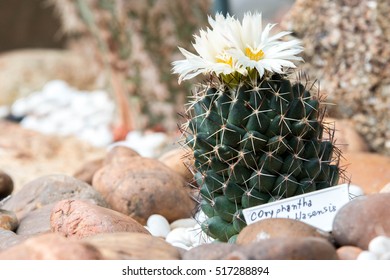
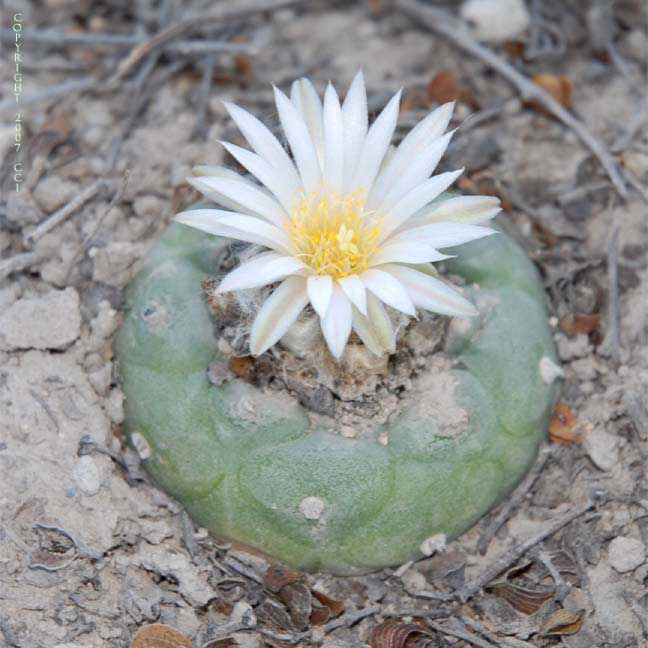
The genus Coryphantha, derived from the Greek meaning “flowering on the top,” encompasses a diverse array of cacti characterized by their tuberculate bodies and singular flowering apices. Unlike many cacti that flower along the sides, Coryphantha’s blooms erupt prominently from the crown, creating a spectacular contrast atop their textured, globose forms. These plants often exhibit a striking beehive shape — rounded and densely packed with areoles from which clusters of spines radiate like pincushions. Their morphology is not merely ornamental; it is a sophisticated evolutionary strategy crafted over millennia to thrive in harsh, arid environments.


This arrangement maximizes sun exposure, minimizes water loss, and deters herbivory. The resulting silhouette conjures visions of nature’s minimalist sculptures, each spine and tubercle serving a vital function. Their slow growth and longevity invite patient stewardship, rewarding cultivators who appreciate nuance over immediacy.
Light and Temperature: Mimicking the Desert Sun
Cultivating Coryphantha successfully demands an astute awareness of their native desert-like habitats, where intense sunlight and wide temperature fluctuations reign supreme. These cacti crave abundant sunlight, ideally positioned where they receive full, direct rays for at least six hours daily. The intensity of light sharpens their spines and enhances flowering potential, imbuing the plant with vitality and resilience.
However, their affinity for sunlight does not translate to invulnerability. Young or transplanted specimens can suffer from photoinhibition or sunburn if exposed abruptly to unfiltered sunlight. Therefore, acclimatization is essential — a gradual increase in light exposure enables the plant’s protective pigments and textures to adapt suitably.
Temperature preferences align closely with the extremes of their native ranges. Warm daytime highs between 70°-90°F (21°-32°C) stimulate metabolic processes, while cooler nighttime temperatures (down to 50°F or 10°C) mimic desert cooldowns, promoting dormancy cycles. During winter, they appreciate a dry, cooler rest period with temperatures ideally not dropping below freezing. Maintaining this thermal rhythm encourages natural growth and flowering cycles.
Watering Wisdom: Balancing Thirst and Drought
The paradox of growing desert succulents lies in the delicate balance between quenching their thirst and averting fatal overwatering. Coryphantha, like their desert kin, have evolved to endure prolonged droughts, storing water in their plump stems and tubular tubercles. Overzealous watering suffocates roots, leading to rot — a silent killer that can swiftly undo months or years of care.
During the growing season (spring through early fall), watering should be moderate but consistent. Allow the soil surface to dry thoroughly between watering sessions, then saturate evenly to encourage deep root penetration. As the plant enters dormancy in winter, reduce watering dramatically or halt it altogether. This period simulates natural dry spells, preventing fungal issues and signaling rest to the cactus.
Well-draining substrates are indispensable. A gritty, mineral-rich soil mix combining coarse sand, perlite, and a touch of organic matter replicates arid ground conditions. Good drainage ensures root aeration and minimizes moisture retention, key to thwarting rot and fostering robust growth.
Nutrient Needs: Feeding Without Overindulgence
Coryphantha’s slow metabolism demands a strategic approach to feeding — too much fertilizer can disrupt growth rhythms or cause succulent tissues to become soft and vulnerable. A diluted, balanced fertilizer formulated for cacti and succulents is ideal, applied sparingly during the active growing season. Fertilization once every four to six weeks suffices to supply essential nutrients without overwhelming the plant.
The primary nutrients necessary include nitrogen for leaf and spine development, phosphorus to support flowering, and potassium to bolster overall resilience. Micronutrients such as magnesium and calcium further enhance cellular function. Yet, overfertilization often leads to unnatural growth spurts or root burn; restraint and observation guide successful feeding.
Propagation Techniques: Harnessing Nature’s Artistry
One of Coryphantha’s most enchanting features is its ability to reproduce both sexually through seeds and asexually via offsets or pups. Seed propagation presents an exciting challenge, nurturing patience and precision. Fresh seeds require a warm, humid environment to germinate — simulate these conditions by sowing on shallow trays filled with a sterile, sandy substrate and maintaining temperatures around 70°F (21°C).
While seed propagation fosters genetic diversity and is rewarding, it can be slow. Alternatively, offsets that appear at the cactus base provide an accessible route to multiplication. Carefully excise these pups with sterile tools, allowing the cut surfaces to callous for several days before planting in a sandy medium. This method promotes rapid establishment and retains the parent plant’s exact characteristics.
Regardless of method, shading young plants from direct sun and maintaining moderate moisture accelerates successful rooting and growth.
Pest and Disease Management: Vigilance in Vulnerable Moments
Though inherently resilient, Coryphantha cacti occasionally attract unwelcome guests or infections. Common pests include mealybugs, spider mites, and scale insects. These pests sap vitality by piercing tissues and feeding on sap, leading to discoloration, deformities, or even death if unchecked.
Routine inspection is crucial, especially during humid or warm periods. Employing natural predators like ladybugs, or carefully applied insecticidal soaps, can mitigate infestations without harming the plant or environment. Quarantining new acquisitions before introducing them to collections also prevents inadvertent contagion.
Fungal diseases are less common but can manifest with overwatering or poor ventilation. Symptoms like blackened stems, soft spots, or powdery residues warrant immediate action: reduce moisture, improve airflow, and apply fungicidal treatments if necessary. Prompt intervention preserves the plant’s sculptural integrity and longevity.
The Poetry of Growth: Flowering and Seasonal Rhythms
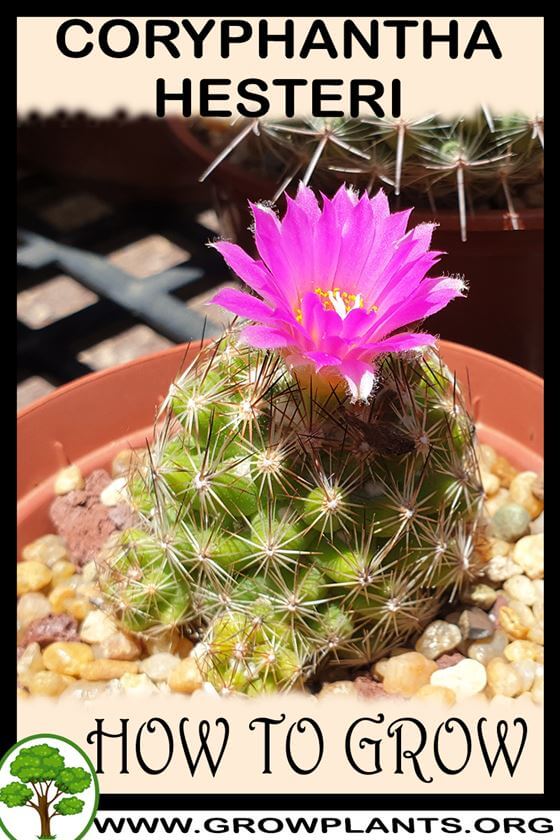
Perhaps the deepest source of fascination lies in the flowering phase, when the stoic Coryphantha suddenly erupts in vibrant blossoms atop its spiny head. These flowers, often brilliant yellow, pink, or white, offer a fleeting yet breathtaking spectacle — nature’s way of celebrating survival and reproduction in an unforgiving landscape.
Successful flowering is a harmonious result of meticulous care: proper light, temperature, watering, and nutrition working in concert. Moreover, it speaks to the plant’s internal clock, a circannual rhythm finely attuned to environmental cues. For cultivators, witnessing this ephemeral bloom feels akin to glimpsing a secret revealed, a reward born of patience and respect.
In Conclusion: Embracing the Enigma
To grow the beehive and pincushion cacti is to engage in a subtle dialogue with nature’s austere elegance. Their care invites a measured, almost meditative approach — a slow unfolding of understanding through light, water, soil, and time. Each spine, each bloom, each seasonal change holds lessons about resilience and beauty in scarcity.
Whether nurtured in a sunlit windowsill or a rock garden, Coryphantha plants provide more than botanical interest: they offer a tangible connection to arid lands and their hidden wonders. Their charm arises not only from their distinctive forms but from the story they tell — that life, even in the harshest conditions, is endlessly inventive and breathtakingly beautiful.
FAQ
What is the best way to water Coryphantha cacti?
Water moderately during the growing season, allowing the soil to dry thoroughly between sessions, and reduce watering during winter dormancy.
How much light do Coryphantha cacti need?
Coryphantha cacti require full, direct sunlight for at least six hours a day to thrive.
What type of soil is best for Coryphantha cacti?
A well-draining substrate with coarse sand, perlite, and minimal organic matter is ideal for Coryphantha cacti.



Leave a Reply