

Short Answer
In the arid heartlands of global horticulture, a silent revolution is unfurling—one that whispers of resilience, sustainability, and untapped potential. The cactus, once relegated to the role of a prickly curiosity or a desert oddity, is now emerging as a cornerstone of the wholesale industry. Its transformation from ornamental oddity to economic powerhouse is not merely a trend; it’s a tectonic shift in how we perceive and utilize arid-adapted flora. As climate change reshapes agricultural landscapes and consumer appetites pivot toward low-maintenance, high-impact greenery, the wholesale cactus market stands at the precipice of unprecedented growth. But what lies beneath this verdant surge? Why has the cactus, of all plants, captured the imagination of industries from interior design to wellness? The answers reveal a deeper narrative—one of adaptation, innovation, and the quiet defiance of nature itself.
The Cactus Renaissance: From Desert Survivor to Wholesale Darling
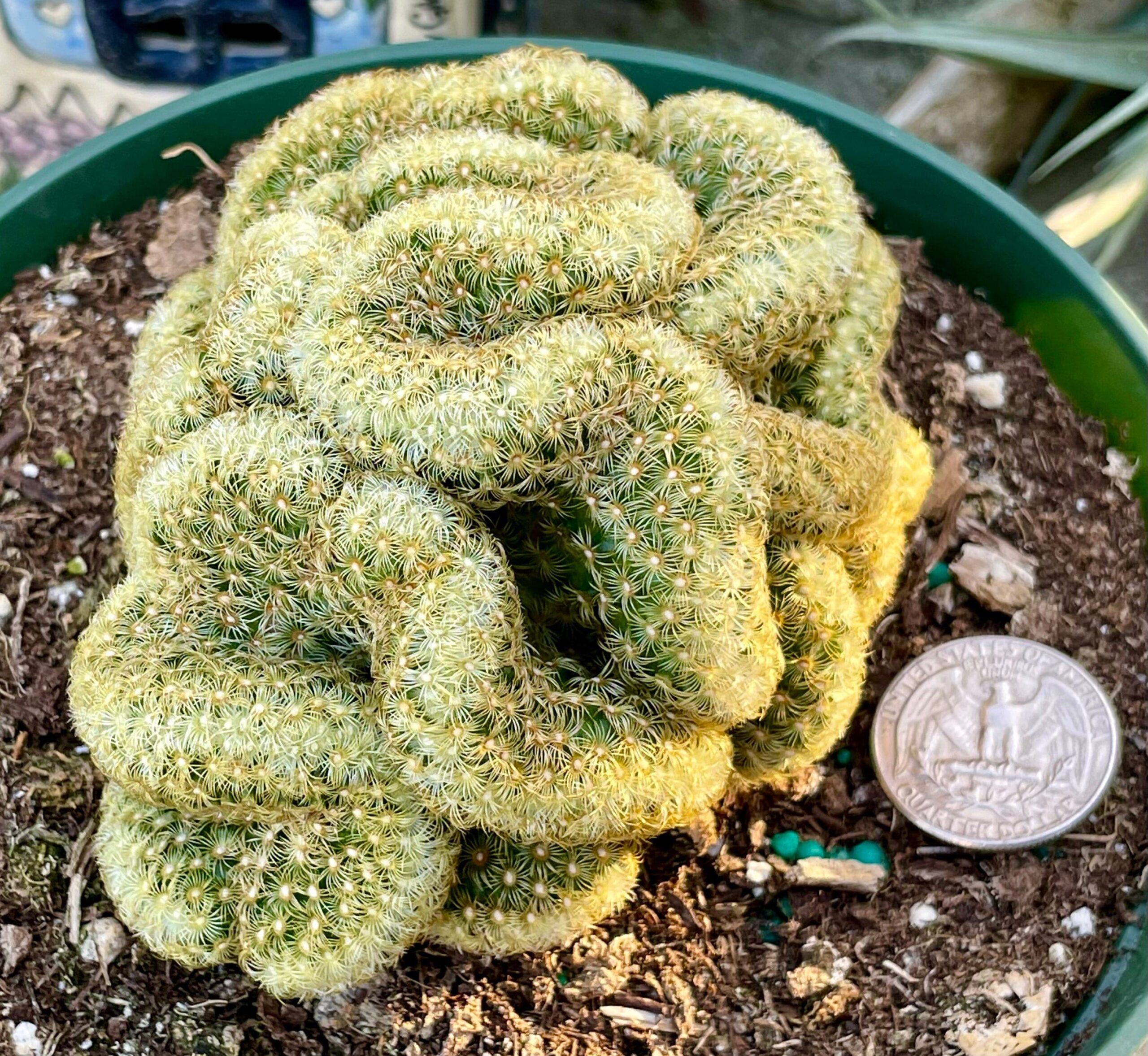
The cactus is no longer the wallflower of the plant world. Once dismissed as a rugged survivor of barren landscapes, it now commands attention in wholesale catalogs, design studios, and even culinary circles. This metamorphosis is fueled by a trifecta of forces: the global push for drought-resistant landscaping, the aesthetic appeal of its sculptural forms, and the burgeoning demand for low-maintenance indoor greenery. In regions grappling with water scarcity, the cactus’s ability to thrive with minimal irrigation has transformed it from a novelty into a necessity. Wholesale suppliers are capitalizing on this shift, curating vast arrays of species—from the towering Saguaro to the diminutive Moon Cactus—each tailored to niche markets. The irony is palpable: a plant born of scarcity is now driving an industry of abundance.

Sustainability as Standard: The Wholesale Cactus Ethos
In an era where sustainability is no longer a buzzword but a business imperative, the cactus industry is rewriting the playbook. Wholesale suppliers are pioneering closed-loop systems, where water conservation, soil regeneration, and carbon-neutral shipping are not just ideals but operational standards. The cactus’s natural resilience reduces the need for pesticides and fertilizers, slashing the environmental footprint of wholesale operations. Moreover, its slow growth rate paradoxically benefits the industry—farmers can cultivate high-value specimens over years, ensuring consistent supply without the pressure of rapid turnover. This sustainable ethos extends beyond cultivation; it permeates packaging, where biodegradable materials and minimalist designs reduce waste. The message is clear: in the wholesale cactus trade, sustainability isn’t a selling point—it’s the foundation.
The Aesthetic Alchemy: How Cacti Are Reshaping Design Trends
Walk into a modern interior design studio, and you’re as likely to encounter a cluster of prickly pear cacti as you are a sleek marble countertop. The cactus has become a design darling, its bold silhouettes and textured surfaces lending themselves to everything from minimalist terrariums to avant-garde living walls. Wholesale suppliers are responding by offering curated collections that cater to diverse aesthetic sensibilities—whether it’s the geometric precision of a Golden Barrel Cactus or the wild, untamed allure of a Prickly Pear. This aesthetic versatility is no accident; it’s a response to the human fascination with the exotic, the resilient, and the slightly untamed. In an age of digital perfection, the cactus offers a tactile, organic counterpoint—a reminder that beauty thrives in the unlikeliest of places.

Beyond Ornamentation: The Multifaceted Uses of Cacti in Wholesale Markets
The cactus’s utility extends far beyond its role as a decorative element. In the wholesale market, it’s a chameleon—adapting to culinary, medicinal, and even industrial applications. The prickly pear, for instance, is a staple in health food circles, prized for its nutrient-rich pads and fruits. Meanwhile, the Sansevieria (often mistakenly grouped with cacti) is celebrated for its air-purifying properties, making it a staple in wellness-focused wholesale catalogs. Even the cactus’s spines and fibers are finding new life in sustainable textiles and biodegradable packaging. This multifaceted appeal is a testament to the plant’s versatility, proving that its wholesale potential is limited only by human ingenuity. As industries scramble to find eco-friendly alternatives, the cactus stands ready to fill the void.
The Digital Frontier: How E-Commerce is Revolutionizing Cactus Wholesale
The wholesale cactus trade is not immune to the digital revolution. Online marketplaces have democratized access to rare and exotic species, allowing enthusiasts and businesses alike to procure specimens from across the globe with a few clicks. Social media platforms, particularly Instagram and TikTok, have further fueled this trend, with viral cactus collections inspiring a new generation of collectors. Wholesale suppliers are leveraging these digital channels to showcase their offerings through immersive visuals and educational content, from time-lapse growth videos to care guides for novice growers. The result is a global community united by a shared fascination with these spiky wonders. Yet, this digital boom also presents challenges—counterfeit plants, misinformation about care, and the ethical concerns of wild harvesting. Navigating this landscape requires a delicate balance between innovation and integrity.
The Future Horizon: Opportunities and Challenges in Cactus Wholesale
As we gaze into the crystal ball of the wholesale cactus industry, the opportunities are as vast as the deserts these plants call home. The rise of vertical farming and controlled-environment agriculture could further optimize cactus cultivation, reducing transportation emissions and increasing yield. Meanwhile, the growing interest in xeriscaping—landscaping designed for water efficiency—positions cacti as front-runners in the green building movement. Yet, challenges loom large. Climate change threatens wild cactus populations, while unchecked commercial harvesting risks depleting natural reserves. The industry must confront these issues head-on, embracing regenerative practices and ethical sourcing to ensure its long-term viability. For the cactus wholesale market to thrive, it must evolve from a mere supplier of plants to a steward of ecosystems—a shift that demands both innovation and humility.

The Cactus as a Cultural Mirror: Why We’re Obsessed
To understand the wholesale cactus phenomenon, we must look beyond the economic and ecological factors. The cactus is more than a plant; it’s a cultural artifact, a symbol of endurance in the face of adversity. In an era marked by uncertainty—climate crises, economic instability, and social upheaval—the cactus embodies a quiet resilience. It thrives where others wither, adapts where others fail, and demands little while giving much. This metaphorical power resonates deeply in a world hungry for stories of perseverance. The wholesale cactus trade, then, is not just about commerce; it’s about connection—a bridge between humanity and the natural world, between scarcity and abundance, between the familiar and the exotic. As we cultivate these spiky titans, we are, in many ways, cultivating our own resilience.
FAQ
What is driving the growth of the cactus wholesale industry?
Factors include the demand for drought-resistant plants, aesthetic versatility, and digital access to rare species.
What sustainability practices are being adopted in cactus wholesale?
Practices include closed-loop systems, biodegradable packaging, and minimal use of pesticides and fertilizers.


Leave a Reply