
Short Answer
The desert dawn breaks in a blaze of copper and crimson, painting the horizon with the same fiery passion that pulses through the veins of a blooming cactus. In this arid theater of survival, where water is scarcer than silence and sunlight is both tormentor and benefactor, the cactus stands as a defiant monument to resilience. Yet, not all cacti answer the sun’s call with equal fervor. Some burst into riotous color within weeks of winter’s retreat, while others linger in shy, stunted silence for years. What alchemy of genetics whispers to one genus to unfurl its petals in exuberant haste, while another genus hoards its blossoms like a miser guarding gold? To unravel this botanical enigma is to peer into the very DNA of desert survival—a story of adaptation, betrayal, and breathtaking beauty written in the language of thorns and petals.
The Genetic Blueprint: When DNA Decides to Bloom
At the heart of every cactus’s decision to bloom lies a complex genetic choreography, a symphony of regulatory genes that dance in response to environmental cues. The photoreceptor genes—PHY and CRY—act as the desert’s timekeepers, detecting the lengthening days and triggering hormonal cascades that coax the plant from dormancy. But not all cacti possess the same genetic tempo. The saguaro, Carnegiea gigantea, carries a suite of circadian clock genes finely tuned to the Sonoran Desert’s mercurial seasons, allowing it to synchronize its flowering with the brief but predictable spring rains. In contrast, the prickly pear, Opuntia, harbors a more flexible genetic program, one that responds not only to light but to subtle shifts in soil moisture—a trait that grants it the audacity to bloom twice in a single year, should fortune smile upon the desert floor.
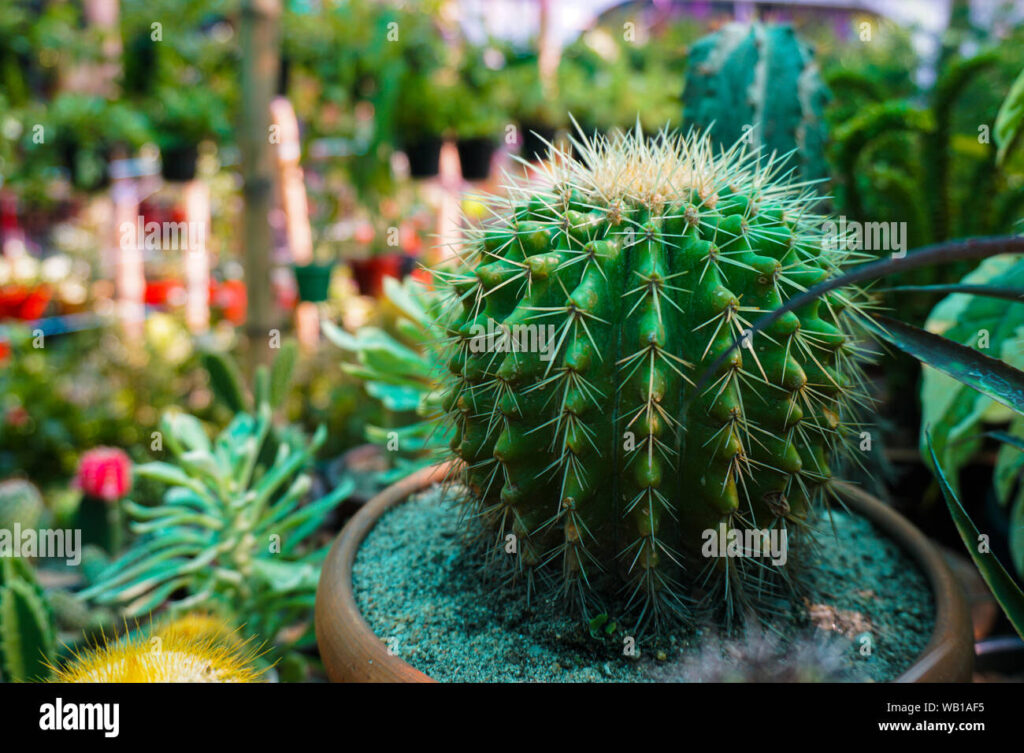
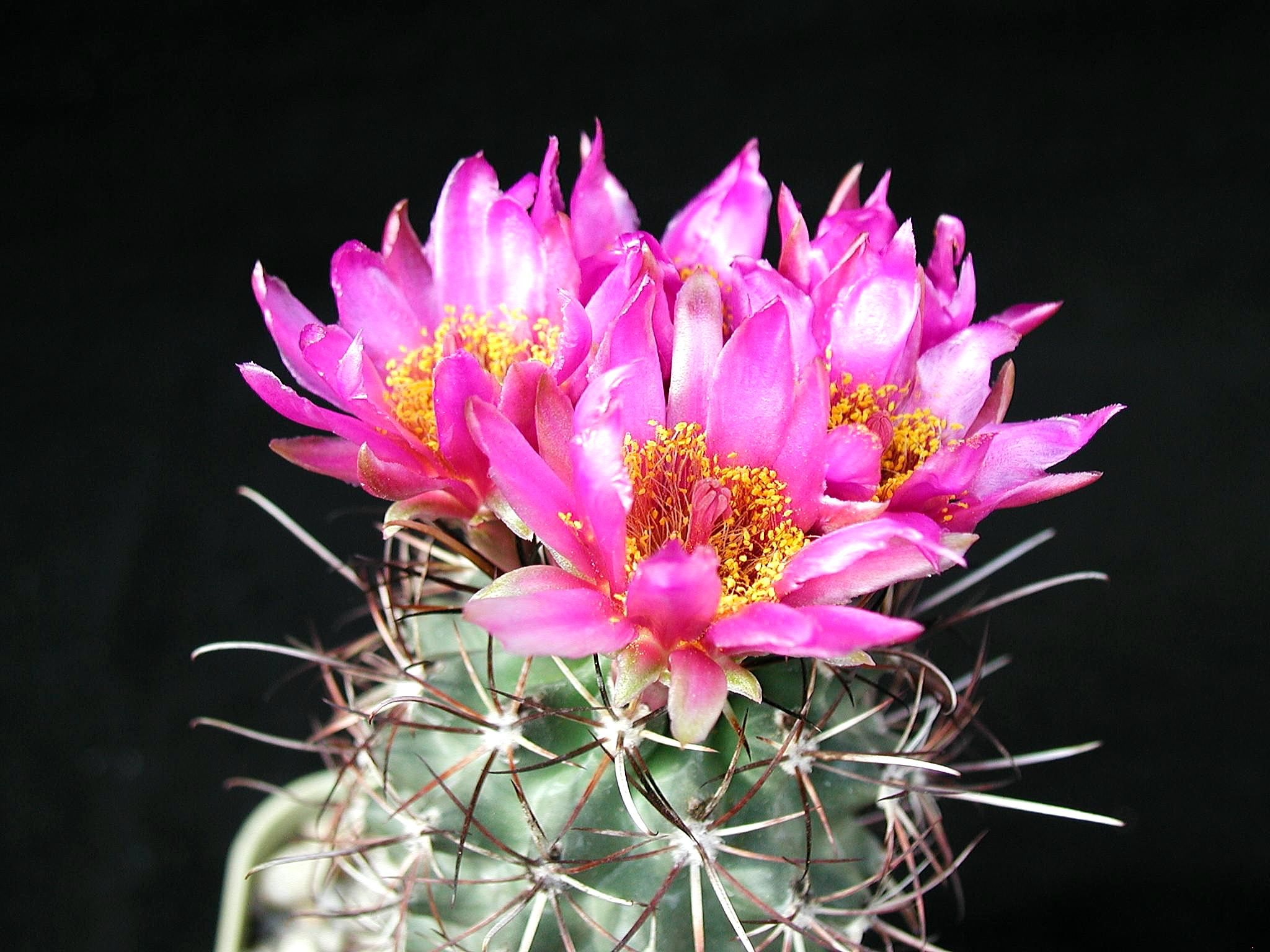
Yet genetics alone do not dictate destiny. The floral identity genes—APETALA1 and LEAFY—serve as the architects of form, determining whether a cactus will gift the world with a single, solitary bloom or a flamboyant explosion of color. In the Mammillaria genus, these genes are expressed with almost reckless abandon, producing clusters of neon-pink or electric-yellow flowers that defy the desert’s austerity. Meanwhile, the Ferocactus genus, with its stately, barrel-shaped silhouette, conserves its genetic resources, flowering only when conditions are near-perfect—a strategy of patience that rewards it with larger, more fragrant blooms that lure pollinators from miles away.
The Pollinator Pact: A Dance of Deception and Desire
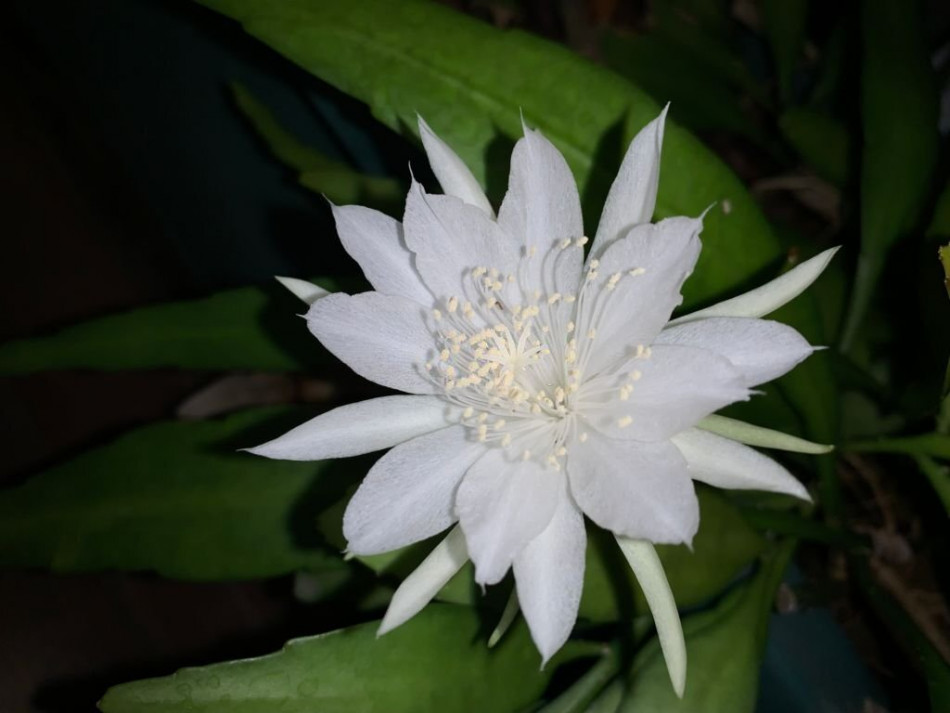
To understand why some cactus genera bloom more prolifically than others, one must examine not just the plant’s genes, but the invisible contracts it forges with the creatures that pollinate it. The night-blooming cereus, Selenicereus grandiflorus, is a master of genetic seduction, its white, fragrant flowers unfurling only after dusk to entice moths with their intoxicating perfume. Its genome is a love letter to nocturnal pollinators, encoding for volatile organic compounds that drift on the evening breeze like a siren’s song. In contrast, the Echinocactus genus, with its sun-drenched, golden spines, relies on the brute force of bees, its flowers broadcasting their presence with bold, ultraviolet patterns invisible to human eyes but irresistible to pollinators.
But here lies the paradox: some cactus genera bloom extravagantly not to attract pollinators, but to deceive them. The Lophophora genus, better known as the peyote cactus, produces clusters of pink blooms that mimic the appearance of edible fruits. Its genetic strategy is one of trickery, luring animals to consume its flowers—only to have them deposit pollen elsewhere, a botanical sleight of hand that ensures genetic dispersal. Meanwhile, the Epiphyllum genus, the queen of the jungle cacti, blooms in a riot of colors and shapes, its flowers a genetic buffet designed to appeal to a diverse array of pollinators, from hummingbirds to bats. In this floral arms race, every petal is a weapon, every scent a battle cry.
The Environmental Gambit: When Genes Meet the Desert’s Whims
The desert does not reward recklessness. For every cactus that blooms with reckless abandon, there is another that waits, its genetic triggers dormant, its energy reserves locked away like a miser’s treasure. The Stenocereus genus, native to the Baja California peninsula, carries a genetic toggle switch that responds to both temperature and precipitation. In years of ample rain, its flowers erupt in a crimson frenzy, a genetic celebration of life’s fleeting generosity. But in drought years, the same genes remain silent, conserving the plant’s resources for a future that may never come. This adaptive restraint is a testament to the cactus’s evolutionary cunning—a reminder that blooming is not merely an act of beauty, but a high-stakes gamble in the casino of survival.
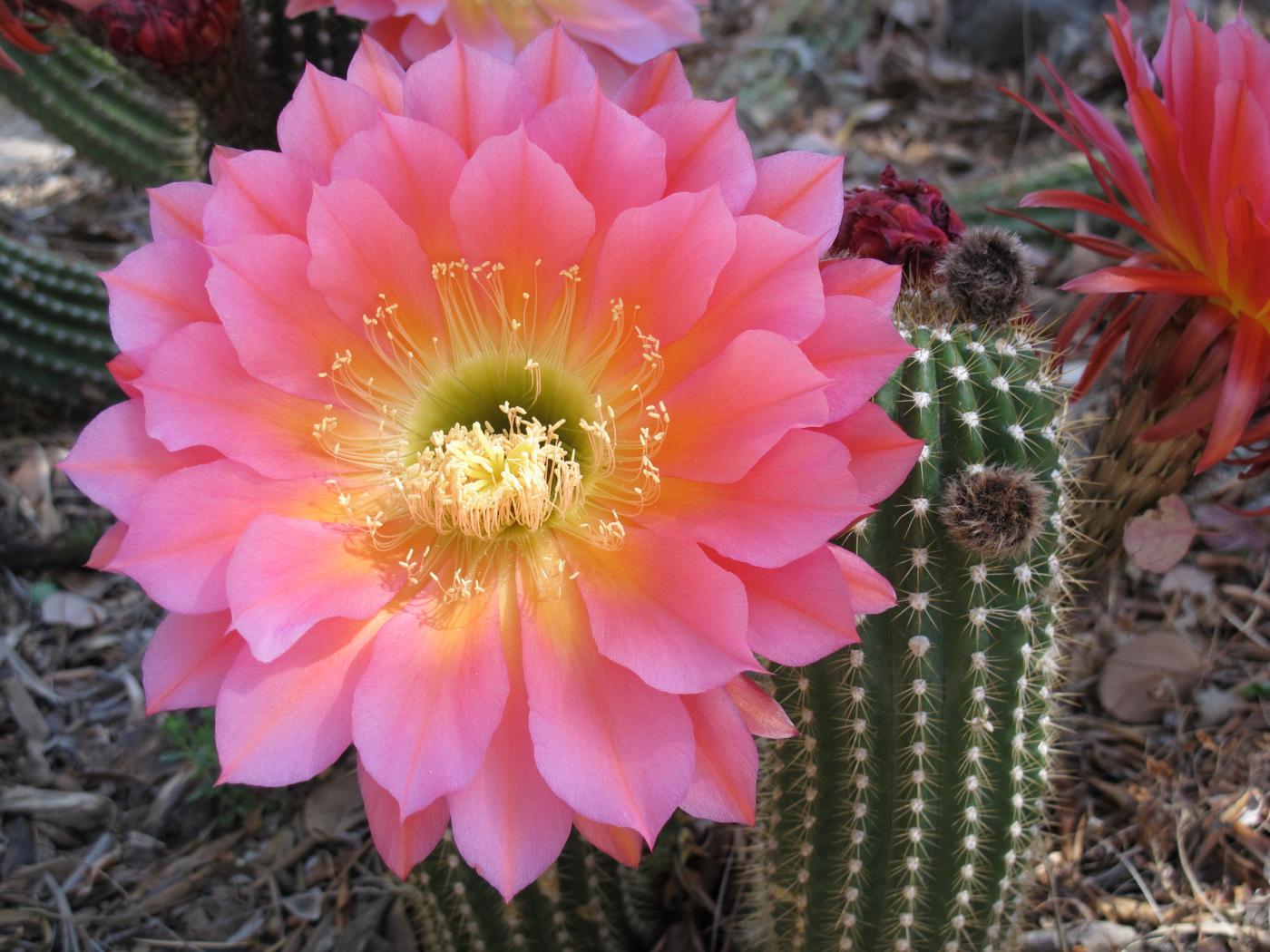
Yet even within the same genus, genetic variation can lead to starkly different flowering strategies. The Echinopsis genus, for instance, boasts species that bloom annually with clockwork precision, their genes finely tuned to the Andean highlands’ predictable wet and dry seasons. But other members of the same genus, transplanted to the unpredictable climates of the American Southwest, may flower sporadically or not at all, their genetic programming overwhelmed by the desert’s capricious moods. This plasticity is the cactus’s greatest strength—and its most vulnerable flaw. In a world where climate change is rewriting the rules of survival, the cacti that bloom too early or too late may find themselves out of sync with the pollinators that once relied on their predictable rhythms.
The Aesthetic Alchemy: Why Some Blooms Captivate the Soul
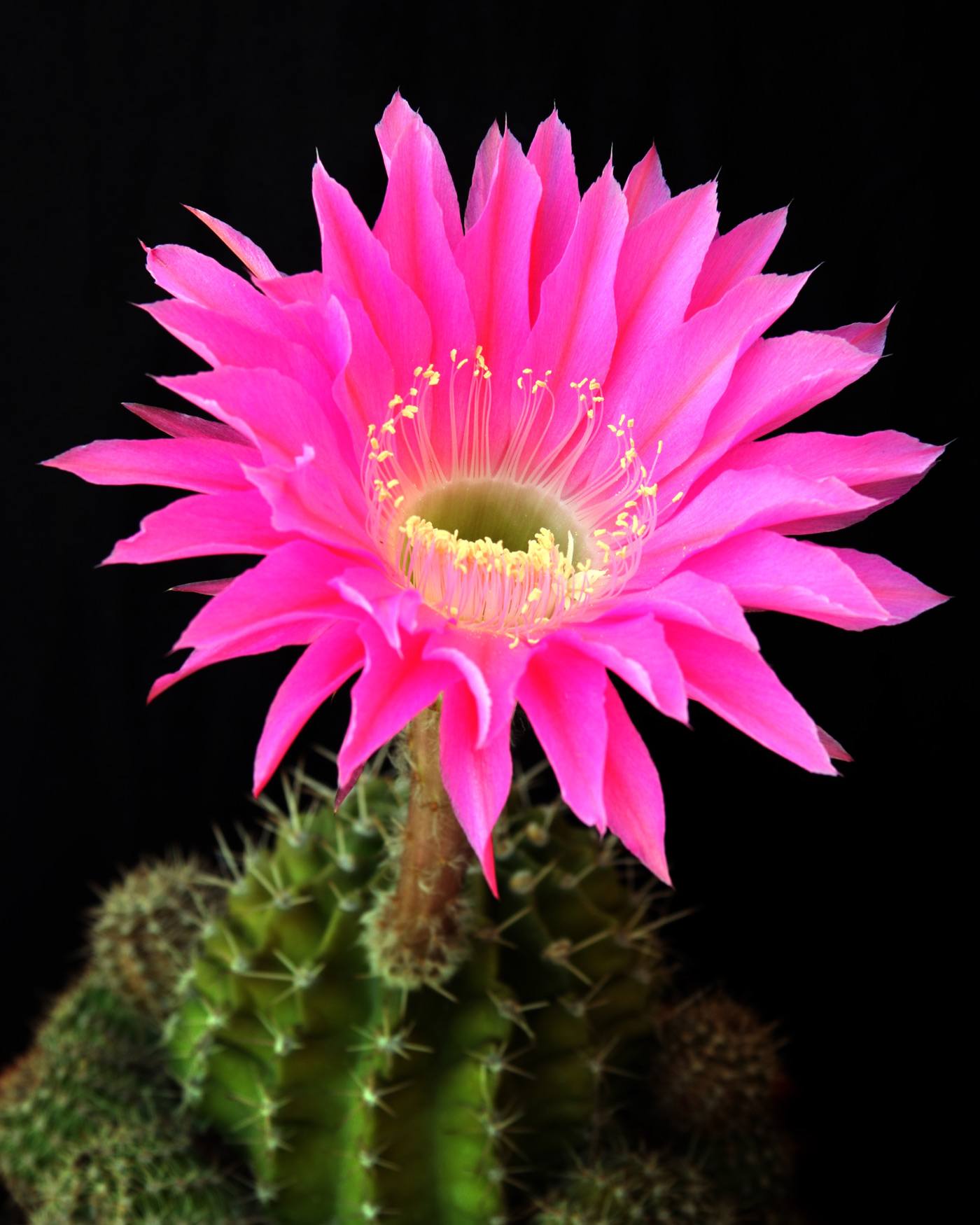
Beyond the cold calculus of genetics and ecology lies the ineffable magic of cactus flowers—their colors, their shapes, the way they seem to defy the very notion of fragility in a landscape where fragility is a death sentence. The Gymnocalycium genus, with its pastel-hued blooms, is a master of understated elegance, its flowers resembling delicate porcelain sculptures that could shatter at the slightest touch. In contrast, the Rebutia genus explodes with neon-orange and magenta flowers, a genetic fireworks display that seems to mock the desert’s drab palette. Each genus, in its own way, is a painter, using its genetic palette to create masterpieces that endure for a single day—or, in the case of the Pereskia genus, a single hour.
The allure of cactus flowers is not merely visual; it is olfactory, tactile, even spiritual. The Hylocereus genus, source of the dragon fruit, produces flowers that unfurl at dusk, their fragrance a heady mix of jasmine and vanilla, a scent so intoxicating that it has inspired myths and legends across cultures. The Ariocarpus genus, with its cryptic, camouflaged appearance, blooms in hues of purple and white, its flowers emerging from the desert floor like apparitions, a reminder that beauty often hides in plain sight. And then there are the Mammillaria species, whose flowers form dense, concentric rings around the plant’s crown, creating a visual spectacle that rivals the most elaborate of human gardens.
The Future in the Petals: What Cactus Genetics Teach Us
As the planet warms and deserts expand, the genetic secrets of cactus flowers may hold the key to humanity’s own survival. The resurrection genes found in species like Selaginella lepidophylla—a non-cactus but equally resilient desert dweller—offer a glimpse into the future of drought-resistant agriculture. Could the genes that allow cacti to bloom in the face of adversity be harnessed to create crops that thrive in the world’s most inhospitable climates? Already, scientists are studying the CAM photosynthesis pathway, a genetic adaptation that allows cacti to open their stomata at night, conserving water while still producing energy. If we can unlock the secrets of these genetic blueprints, we may yet learn to coax life from the most barren of soils.
But the cactus’s lesson is not merely practical; it is philosophical. In a world that often equates productivity with haste, the cactus reminds us that patience is its own form of power. The saguaro may take decades to flower, the Ferocactus may wait years for the perfect moment, and yet, when they do bloom, their flowers are a testament to the beauty of restraint. They teach us that not all growth is visible, that not all beauty is immediate, and that sometimes, the most profound acts of defiance are the ones that unfold slowly, deliberately, over the course of a lifetime.
The desert dawn fades, and with it, the cacti’s fleeting blossoms. But their genetic legacy endures—a silent, thorny revolution written in the language of petals and spines. To study the genetics of cactus flowers is to witness evolution in its most exquisite form, a reminder that life, in all its forms, is a masterpiece of adaptation, deception, and breathtaking beauty.
FAQ
What causes the variation in flowering times among cactus genera?
Variation is caused by genetic differences in photoreceptors and floral identity genes combined with environmental factors like moisture and temperature.
How do cactus flowers attract pollinators?
Through genetic traits producing specific flower colors, scents, and bloom times tailored to their primary pollinators.
Can cacti bloom more than once a year?
Yes, some genera like Opuntia can bloom twice annually if environmental conditions are favorable.
Why do some cacti produce fewer but larger flowers?
It is an adaptive strategy to conserve resources and attract pollinators over longer distances or under less favorable conditions.
Leave a Reply