

Short Answer
In the vast, sun-scorched landscapes of northern Mexico and southern Texas, where the earth seems to breathe through cracks in the arid soil, a botanical marvel thrives against all odds. The Ariocarpus, affectionately dubbed the “Living Rock,” is not merely a plant—it is a testament to nature’s unyielding tenacity, a living sculpture carved by time and adversity. This cactus, with its stony exterior and hidden bursts of vibrant blooms, embodies resilience in its purest form. Its existence whispers tales of survival, adaptation, and the delicate balance between fragility and fortitude. For enthusiasts, conservationists, and dreamers alike, Ariocarpus stands as both a symbol and a teacher, offering lessons that extend far beyond the desert’s edge.
The Geological and Botanical Enigma of Ariocarpus
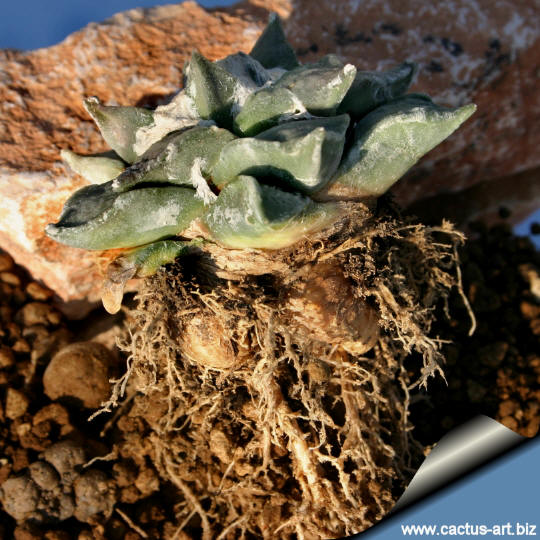
At first glance, Ariocarpus appears more like a piece of the desert floor than a living organism. Its flattened, triangular tubercles—often mistaken for rocks—are a masterclass in evolutionary camouflage. This deceptive morphology isn’t just for show; it’s a survival tactic honed over millennia. By blending seamlessly into its surroundings, the cactus evades the relentless gaze of herbivores, from grazing mammals to opportunistic insects. Yet, beneath this stony facade lies a world of complexity. The Ariocarpus’s root system, a sprawling network of fibrous tendrils, delves deep into the parched earth, tapping into hidden reservoirs of moisture that sustain it through years of drought. This duality—of outward stillness and inward dynamism—makes Ariocarpus a botanical paradox, a plant that is both a fortress and a sponge.
Botanists classify Ariocarpus within the Cactaceae family, but it defies the typical cactus archetype. Unlike its spiny cousins, which brandish menacing thorns as armor, Ariocarpus relies on subtlety. Its tubercles are smooth, save for the occasional woolly tuft or fine hair, which serve as both insulation and a means to channel scarce rainfall toward its roots. The plant’s flowers, when they bloom, are a breathtaking contrast to its austere exterior—vivid pinks, purples, and whites unfurling in a fleeting display of defiance against the harsh environment. This juxtaposition of the mundane and the extraordinary is what makes Ariocarpus a subject of fascination for scientists and artists alike.
The Symbolism of the Living Rock: Resilience in Myth and Culture
Across cultures, rocks have long symbolized endurance, permanence, and the unyielding passage of time. The Ariocarpus, with its rock-like visage, amplifies these themes, transforming them into a living narrative. In Mexican folklore, the cactus is sometimes associated with the spirit of the desert itself—a silent guardian that watches over the land with stoic patience. Its ability to thrive where others wither has led to its veneration as a symbol of hope and perseverance, particularly in communities that have weathered their own hardships. The plant’s resilience is not just biological; it is cultural, a mirror held up to human struggles and triumphs.
In the language of symbolism, Ariocarpus also represents the hidden beauty within the ordinary. Its unassuming appearance belies the complexity of its existence, much like the quiet strength found in the most unassuming individuals. This duality resonates deeply in art and literature, where the cactus often serves as a metaphor for the human condition—vulnerable yet unbreakable, fragile yet enduring. The artist Georgia O’Keeffe, known for her evocative depictions of desert flora, once captured the essence of such plants, and Ariocarpus would fit seamlessly into her oeuvre. Its form, both stark and sensuous, invites contemplation on the interplay between concealment and revelation, a theme that echoes through the annals of philosophical thought.
Conservation Challenges: Protecting a Botanical Relic
The Ariocarpus’s very existence is a delicate balancing act, and human activity has tipped the scales precariously in recent decades. Habitat destruction, driven by urban expansion, agriculture, and illegal collection for the horticultural trade, has pushed several species to the brink of extinction. The slow growth rate of Ariocarpus compounds the problem; a single plant may take decades to mature, making recovery from overharvesting nearly impossible. Conservationists face a Herculean task: how to protect a species that is both a victim of its own allure and a victim of its environment’s degradation.
Efforts to safeguard Ariocarpus have taken multiple forms. In situ conservation—protecting the plant within its natural habitat—has become a priority, with protected areas established in key regions of Mexico and Texas. These sanctuaries are not just physical barriers; they are bastions of biodiversity, where Ariocarpus can coexist with the myriad species that depend on the desert ecosystem. Ex situ conservation, meanwhile, involves cultivating Ariocarpus in controlled environments, such as botanical gardens and private collections, to reduce pressure on wild populations. However, this approach is not without its challenges, as the plant’s specific requirements—minimal water, intense sunlight, and well-draining soil—make it a finicky subject for cultivation.
Public awareness campaigns have also played a crucial role in conservation. By educating communities about the ecological importance of Ariocarpus and the legal consequences of illegal collection, conservationists hope to foster a culture of stewardship. The rise of social media has further amplified this message, with enthusiasts sharing images and stories of Ariocarpus, thereby inspiring a new generation of advocates. Yet, the battle is far from won. Climate change looms as a looming threat, altering precipitation patterns and increasing the frequency of extreme weather events, which could further destabilize Ariocarpus populations.
The Reproductive Biology of Ariocarpus: A Dance of Survival
To understand the resilience of Ariocarpus, one must delve into its reproductive strategies—a complex interplay of biology and environment. Unlike many cacti that rely on showy flowers to attract pollinators, Ariocarpus employs a more clandestine approach. Its blooms, though stunning, are often small and tucked close to the plant’s body, a design that minimizes exposure to desiccating winds and opportunistic herbivores. The flowers are typically pollinated by specific bees and flies, which navigate the desert’s labyrinthine terrain with precision. This mutualistic relationship highlights the intricate web of dependencies that sustain the Ariocarpus ecosystem.
Once pollinated, the plant produces fruits that are as unassuming as they are vital. These fruits, often no larger than a pea, contain seeds that are dispersed by wind or, occasionally, by animals. The seeds themselves are a marvel of adaptation; their hard outer shells protect them from the harsh desert conditions, ensuring that they remain viable for years until the rare occurrence of rainfall triggers germination. Even then, the seedlings face an uphill battle, competing with established vegetation and enduring the scorching sun. The survival rate is dismally low, a testament to the plant’s evolutionary gamble—produce many seeds, but invest little in each individual, trusting in sheer numbers to carry the species forward.
This reproductive strategy is a double-edged sword. On one hand, it allows Ariocarpus to persist in an unpredictable environment. On the other, it makes the species particularly vulnerable to sudden disruptions, such as habitat loss or climate change. Conservationists are now studying the genetic diversity of Ariocarpus populations to identify resilient strains that could be used in breeding programs, a tactic that could bolster the plant’s chances of survival in a rapidly changing world.
Cultivating Ariocarpus: A Hobbyist’s Guide to Patience and Precision
For those drawn to the allure of Ariocarpus, cultivating it can be a deeply rewarding, if challenging, endeavor. The key to success lies in replicating the plant’s natural environment with meticulous accuracy. Ariocarpus thrives in mineral-rich, sharply draining soil—a mix of coarse sand, pumice, and a touch of organic matter often works best. Overwatering is the most common pitfall; these plants are adapted to survive on sporadic rainfall, and excess moisture can lead to rot. A strict watering schedule, aligned with the seasons, is essential. During the growing season, a light misting every few weeks may suffice, while the dormant winter months call for near-total abstinence from water.
The choice of container is equally critical. A shallow, wide pot mimics the plant’s natural root spread and prevents waterlogging. Terracotta pots, with their porous nature, are ideal as they allow excess moisture to evaporate. Light is another non-negotiable factor. Ariocarpus demands full sun, and in cultivation, this often means supplemental grow lights during shorter days. The reward for such diligence is a plant that, over years, may reward its caretaker with a single, exquisite bloom—a fleeting but unforgettable spectacle.
For enthusiasts, cultivating Ariocarpus is more than a hobby; it’s a meditative practice. The slow, deliberate pace required mirrors the plant’s own rhythm, fostering a deep connection between human and organism. It’s a reminder that resilience isn’t just about enduring hardship—it’s about savoring the journey, one cautious step at a time.
The Future of Ariocarpus: Hope Amidst Uncertainty
The story of Ariocarpus is far from over. As climate change reshapes the planet’s ecosystems, the cactus faces an uncertain future. Yet, within this uncertainty lies a glimmer of hope. The same traits that make Ariocarpus vulnerable—its slow growth, its specific habitat requirements—also make it a canary in the coal mine for environmental degradation. By studying its decline and recovery, scientists can gain insights into the broader health of desert ecosystems, informing conservation strategies that benefit countless other species.
In the realm of human culture, Ariocarpus continues to inspire. Artists, writers, and philosophers find in its stony visage a metaphor for the human spirit’s capacity to endure. Its resilience is a call to action—not just for conservationists, but for anyone who has ever felt the weight of the world and chosen to stand firm. The Living Rock does not preach; it simply exists, a silent testament to the power of persistence.
As we move forward, the fate of Ariocarpus rests in our hands. Will we continue to exploit its beauty, or will we choose to protect it? The answer may well determine not just the survival of a single species, but the health of the ecosystems it anchors. In the end, Ariocarpus is more than a plant. It is a mirror, reflecting our own capacity for resilience—and our responsibility to nurture it.
FAQ
What is Ariocarpus?
Ariocarpus is a cactus species known for its rock-like appearance and resilience in harsh environments.
Why is Ariocarpus called the 'Living Rock'?
It is called the ‘Living Rock’ due to its rock-like morphology that helps it blend into its surroundings.
What are the conservation challenges faced by Ariocarpus?
Main challenges include habitat destruction, illegal collection, and climate change impacting its survival.



Leave a Reply