
Short Answer
Have you ever wondered what secret adversaries might be lurking among the spiny arms of your beloved Acanthocereus cactus? While this resilient succulent is often celebrated for its robust nature and dramatic architectural form, it is not immune to the challenges posed by a menagerie of pests and diseases. Could these silent invaders threaten the pride of your desert garden? Let’s delve into the common afflictions that can beset Acanthocereus and reveal savvy strategies for prevention and treatment that keep your cactus thriving with vibrant vigor.
The Enigmatic World of Acanthocereus Pests
Acanthocereus, with its ribbed stems and formidable spines, may seem impenetrable to many garden pests, but appearances can be deceiving. A handful of insidious insects have evolved to exploit even the toughest succulent defenses. Among the most notorious culprits are mealybugs, scale insects, spider mites, and aphids. Each brings a distinctive modus operandi to the battlefield, posing unique challenges.

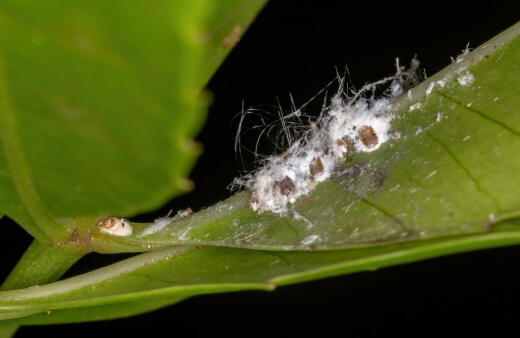
Mealybugs, those tiny, cottony nuisances, cluster in crevices and under the protection of spines, feeding voraciously on sap. Their saliva excretes a sticky honeydew that invites fungal growth and weakens the cactus. Meanwhile, scale insects disguise themselves as hardened bumps, latching onto stems to siphon nutrients silently but steadily. Spider mites are almost microscopic, weaving fine webs and causing a stippled, dusty appearance as they drain cell contents from the plant tissue. Lastly, aphids, though more commonly associated with leafy plants, can sometimes be found infesting succulent flower buds or softer stem areas, further stressing the plant.
Recognizing the Signs: Early Detection as a Critical Shield
The key to preventing serious damage lies in keen observation. Look closely for cryptic infestations before they spread uncontrollably. Sticky residue or black sooty mold often signals a mealybug or scale problem. A dusty coating or fine webbing on the ribs may indicate spider mites. Wilting or distorted new growth can suggest aphid activity. The subtle change in your cactus’s appearance may seem insignificant at first, but these signs are the clarion call to immediate intervention.
Fungal and Bacterial Diseases: Silent Saboteurs of Succulent Health
Though Acanthocereus thrives in arid conditions, it is not impervious to fungal or bacterial pathogens. Root rot is the most insidious ailment, often stemming from excessive moisture or poorly drained soil. The pathogen infiltrates the root cortex, leading to blackened, mushy roots incapable of nutrient uptake. Above ground, symptoms manifest as discolored yellow patches, softening tissue, or even stem collapse. Another frequent menace is anthracnose, a fungal disease causing sunken necrotic lesions on the cactus skin, which may ooze sap or invite secondary infections.

Bacterial soft rot, while less common, is a swift and devastating adversary, causing rapid tissue breakdown and a foul odor as the cactus succumbs. Environmental stress, mechanical injury, or pest damage often precedes these bacterial incursions, highlighting the importance of holistic plant care.
Prevention: Cultivating a Fortress Around Your Acanthocereus
Prevention is the art of fortifying your cactus’s natural defenses. Selecting a well-draining substrate is paramount to preventing moisture-related diseases. A gritty mix of sand, perlite, and cactus soil allows water to quickly escape the root zone. Positioning your plant in a location with optimal airflow and dappled sunlight reduces humidity buildup and discourages fungal proliferation.
Regular inspection routines should become a gardener’s ritual. Wipe down stems gently with isopropyl alcohol-soaked cotton swabs when you spot early signs of pests. Introducing beneficial insects, such as ladybugs or predatory mites, can naturally mitigate aphid and spider mite populations. Avoid overhead watering to minimize leaf wetness, which encourages fungal colonization.
Treatment Strategies: Engaging the Enemy with Precision
When infestations or diseases do occur, timely and targeted treatment is essential to restore health. For mealybugs and scale insects, systemic insecticides containing imidacloprid can be highly effective, though manual removal with alcohol swabs remains an eco-friendlier option in mild cases. Spider mites, often resistant, require vigilant spraying with miticides or horticultural oils, applied repeatedly to break their life cycle.
Fungal infections respond well to fungicides containing copper or sulfur compounds, which inhibit spore germination and fungal growth. Infected tissue should be pruned away with sterilized tools to curb spread. Root rot demands immediate repotting into fresh, sterile soil after cutting away all compromised roots. Allow the root ball to dry briefly before replanting to promote callusing and recovery.
Bacterial soft rot, unfortunately, often requires complete removal of the affected specimen to safeguard surrounding plants. However, stringent hygiene, such as sterilizing pots and tools between uses, can prevent outbreaks.
Embracing Vigilance: The Path to Acanthocereus Vitality
The stewardship of Acanthocereus demands more than just admiration of its sculptural beauty; it requires vigilance and informed care to outwit pests and diseases that threaten its endurance. By observing subtle signs, nurturing an environment hostile to pathogens, and responding decisively to problems, you become the guardian of a desert marvel that can flourish for decades. So, the next time you gaze at those spiny silhouettes, consider—what silent battles are waged, and how can you champion your cactus’s triumph?
FAQ
What pests commonly affect Acanthocereus?
Common pests include mealybugs, scale insects, spider mites, and aphids.
How can I prevent diseases in my Acanthocereus cactus?
Ensure well-draining soil, regular inspections, and optimal airflow to prevent diseases.
What should I do if my cactus shows signs of root rot?
Repot the cactus into fresh, sterile soil after removing compromised roots.


Leave a Reply