
Short Answer
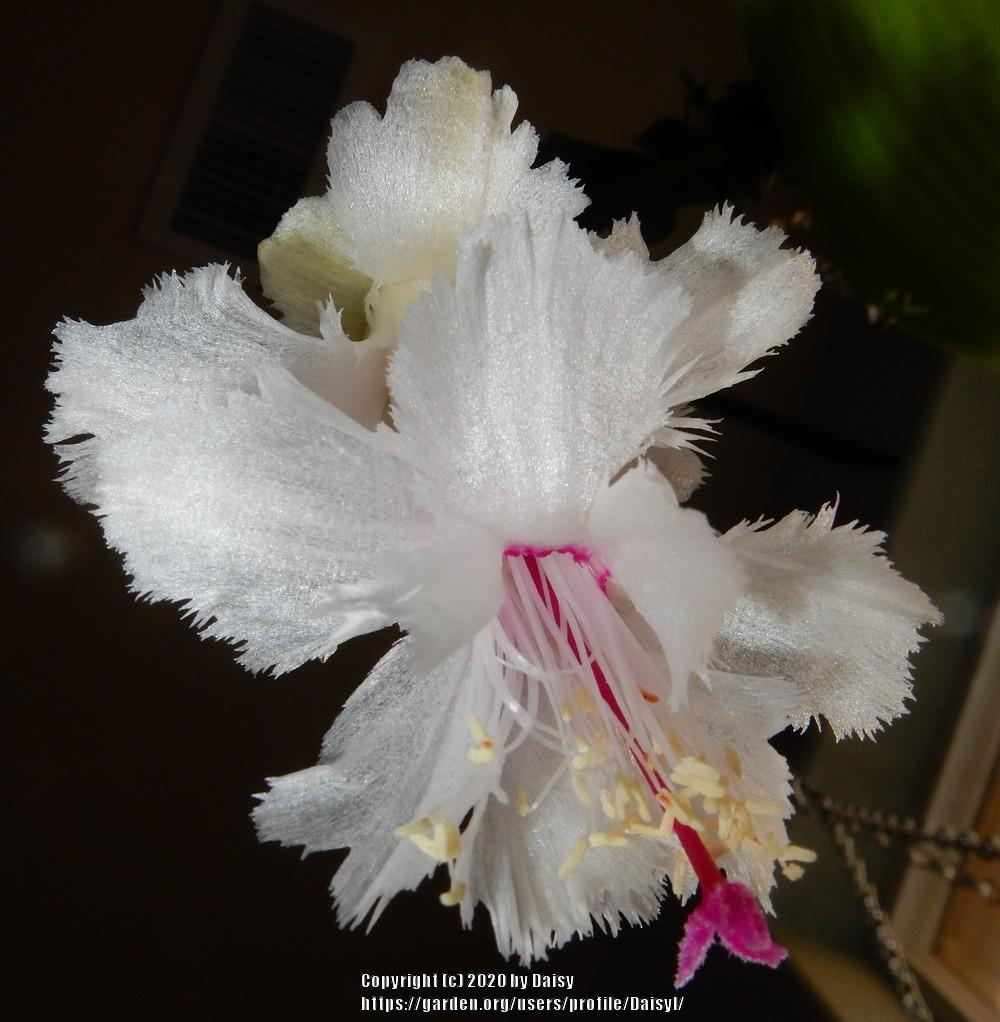
There’s something quietly rebellious about a Schlumbergera refusing to bloom. This resilient, epiphytic cactus—often dismissed as a mere holiday houseplant—harbors a secret life, one that unfolds in bursts of vivid color when conditions align. Yet, when those vibrant flowers fail to materialize, it’s not just a botanical disappointment; it’s a silent protest against neglect, a whisper of discontent from a plant that demands more than routine care. If your Schlumbergera remains stubbornly budless, it’s time to interrogate the hidden forces at play. What unseen barriers are stifling its floral rebellion? Let’s uncover the culprits and reclaim the splendor your plant deserves.
The Light Dilemma: Are You a Daylight Dictator or a Dappled Dreamer?
Schlumbergeras are not sun-worshippers in the traditional sense. They thrive in the dappled, shifting light of their native Brazilian rainforests, where the canopy filters the sun’s intensity. When placed in a south-facing window that blasts it with direct rays, the plant may protest by halting flower production entirely. Conversely, a dimly lit corner where the gloom rivals a cave’s interior will leave it languishing in vegetative stasis. The sweet spot? Bright, indirect light—think the gentle glow of a north-facing window or a spot bathed in soft, filtered sunlight. If your plant’s leaves have taken on a sickly yellow hue or stretched unnaturally toward the light, it’s screaming for a better stage.
But light isn’t just about quantity; it’s about rhythm. These plants are photoperiodic, meaning their flowering is triggered by the shortening days of autumn and winter. If your Schlumbergera is basking in artificial light late into the evening—whether from a lamp, a TV screen, or the glow of your phone—it’s receiving mixed signals. Darkness is its ally. To coax out those coveted blooms, simulate the natural photoperiod: ensure it enjoys 12–14 hours of darkness daily for six to eight weeks in the fall. Cover it with a box or move it to a dimmer room after sunset. This isn’t just care; it’s a pact with the plant’s ancestral rhythms.
The Temperature Tango: Are You a Frosty Tyrant or a Tropical Traitor?
Schlumbergeras are tropical at heart, but they’re not fans of sauna-like conditions or arctic blasts. The ideal temperature range for encouraging flowering is a cool 60–70°F (15–21°C) during the day, with a slight dip to 50–55°F (10–13°C) at night. If your home resembles a furnace in summer or a refrigerator in winter, your plant is caught in a climate crisis of your making. Drafts from windows, vents, or air conditioning units can also send it into shock, halting bud development before it even begins.
Here’s the twist: these plants need a period of cooler temperatures to trigger flowering. If you’ve been coddling your Schlumbergera in a consistently warm environment year-round, it’s like keeping a teenager in summer camp indefinitely—eventually, they’ll rebel. In late summer or early fall, give it a taste of cooler nights. A porch, garage, or even a cooler room in your home can work. Just ensure the drop isn’t too drastic, and protect it from frost. This thermal shift isn’t just a suggestion; it’s a prerequisite for the floral spectacle you crave.
The Watering Whodunit: Overwatering’s Silent Strangulation
Schlumbergeras are succulents in disguise, storing water in their segmented stems to survive dry spells. Yet, many well-meaning plant parents drown them in misplaced generosity. Overwatering is the most common assassin of flowering potential, leading to root rot, yellowing leaves, and a plant too busy surviving to bother with reproduction. The key? Let the top inch of soil dry out between waterings. Stick your finger in—if it’s damp, hold off. If it’s bone-dry, it’s time to quench its thirst.
But here’s the counterintuitive truth: these plants also need a period of reduced watering to encourage blooming. In the fall, after the summer growth spurt, cut back on watering slightly. This mimics the natural dry season in their habitat, signaling that it’s time to conserve energy and redirect it toward flower production. When you do water, do it thoroughly—until it drains from the bottom—but never let the plant sit in a saucer of water. Stagnant moisture is the enemy of floral ambition.
The Fertilizer Fiasco: Are You Feeding or Overindulging?
Fertilizer is a double-edged sword. Too little, and your Schlumbergera will grow sluggish, its stems elongating in a desperate bid for nutrients. Too much, and you’ll burn its roots or trigger a vegetative frenzy at the expense of flowers. The solution? A balanced, diluted fertilizer applied sparingly during the growing season (spring and summer). Opt for a half-strength solution of a balanced houseplant fertilizer, applied every four to six weeks. Avoid high-nitrogen fertilizers, which promote leafy growth but sabotage bud formation.
Come fall, ease off the fertilizer entirely. This isn’t neglect; it’s strategic deprivation. By reducing nutrients, you’re forcing the plant to shift its energy from growth to reproduction. Think of it as a plant version of intermittent fasting—sometimes, less really is more. If you’ve been fertilizing year-round, your Schlumbergera may be too busy feasting to bother flowering. Give it a break, and watch as it redirects its resources toward the vibrant display you’ve been waiting for.
The Repotting Revelation: Is Your Plant a Prisoner of Its Pot?
Schlumbergeras are epiphytes, meaning they grow on other plants in the wild, not in soil. In captivity, they need a pot that mimics this airy, unconstrained environment. If your plant has been in the same container for years, its roots may be circling the pot like a caged animal, starved for space and nutrients. Repotting can be a game-changer, but timing is everything. Do it in spring, after flowering has finished, using a well-draining mix—think orchid bark, perlite, and a touch of peat moss. Avoid heavy, moisture-retentive soils, which can suffocate the roots and drown the plant’s floral ambitions.
A cramped root system isn’t just a physical constraint; it’s a psychological one. A plant that feels trapped will prioritize survival over reproduction. Give it room to breathe, and it may just reward you with a cascade of blooms. If you’ve never repotted your Schlumbergera, now’s the time to liberate it from its confines.
The Stress Factor: Embracing Controlled Chaos
Plants, like people, thrive under a bit of stress—within reason. A Schlumbergera that’s coddled in perfect conditions may never feel the need to reproduce. But introduce a little controlled chaos—a cooler spell, a brief drought, or even a gentle root disturbance—and it may just decide to put on a show. This isn’t about neglect; it’s about creating the right conditions for the plant to take the reins.
Consider this: in the wild, Schlumbergeras endure seasonal fluctuations, pests, and even the occasional trampling. They’re survivors. By mimicking these challenges in a controlled way—like withholding water or exposing it to cooler temperatures—you’re not being cruel; you’re speaking its language. The result? A plant that’s not just surviving, but thriving, and finally, flowering.
The Final Bloom: Patience and Persistence
If you’ve addressed all the potential culprits—light, temperature, water, fertilizer, and root health—and still no flowers appear, don’t despair. Sometimes, the issue is a combination of factors, or it may simply take time for the plant to adjust. Schlumbergeras are not instant gratification plants; they’re slow-burning dramas, with each season bringing new revelations. Keep observing, adjusting, and refining your care routine. The moment those first buds appear, you’ll know you’ve cracked the code.
Remember, a Schlumbergera that refuses to flower isn’t broken—it’s communicating. It’s telling you that something in its environment isn’t quite right. Listen closely, and you’ll not only coax out its blooms but also deepen your understanding of this remarkable plant. The reward? A riot of color, a testament to your patience, and a floral rebellion that’s worth every effort.
FAQ
What causes my Schlumbergera not to flower?
Common reasons include inadequate light, improper temperature, overwatering, incorrect fertilization, and pot constraints.
How can I encourage my Schlumbergera to bloom?
Ensure it receives bright, indirect light, maintain a temperature range of 60–70°F, water appropriately, and provide a period of cooler temperatures.
Leave a Reply