
Short Answer
Cactus root rot is a silent assassin in the world of succulent cultivation—a creeping menace that begins beneath the soil, often unnoticed until the damage is irreversible. Unlike the dramatic wilting of leaves or the crisping of spines, root rot operates in stealth, sapping the vitality of your cacti from the ground up. This insidious condition arises when excess moisture lingers in the root zone, creating a breeding ground for opportunistic pathogens. But what exactly triggers this imbalance? And how can you shield your spiky companions from its grasp? Let’s embark on a journey through the labyrinth of cactus root rot, dissecting its causes with precision and uncovering the secrets to prevention.
The Anatomy of a Disaster: How Root Rot Takes Hold
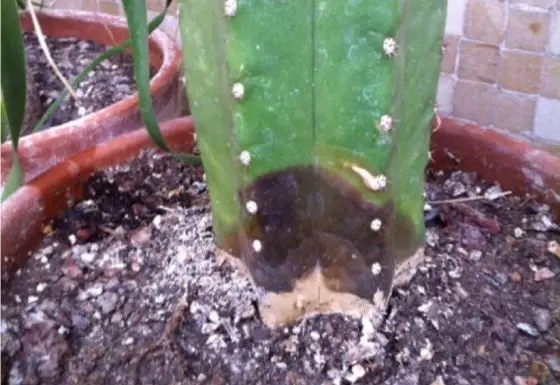
Root rot is not a single event but a cascade of physiological failures triggered by environmental mismanagement. At its core, it’s a fungal or bacterial infection that thrives in waterlogged, oxygen-deprived conditions. When soil remains saturated for prolonged periods, the roots suffocate, their cellular structures collapsing under the weight of anaerobic stress. The first sign is often a soft, mushy texture at the base of the plant, a stark contrast to the firm resilience of healthy roots. But by then, the damage is already done.
Cacti, being desert denizens, are evolutionarily ill-equipped to handle excess moisture. Their roots, designed to absorb scarce water quickly, become overwhelmed when submerged in damp soil. The pathogens responsible—such as Phytophthora, Pythium, or Fusarium—seize this moment of vulnerability, infiltrating the roots and spreading through the vascular system. The result? A once-vibrant cactus wilts into a skeletal husk, its spines drooping like the arms of a starving man.
Overwatering: The Cardinal Sin of Cactus Care
If root rot had a patron saint, it would be the well-meaning but misguided gardener who douses their cacti in water “just to be safe.” Overwatering is the most common catalyst for root rot, a mistake born from the misconception that more water equals healthier growth. In reality, cacti thrive on neglect—brief periods of drought mimic their natural habitat, encouraging robust root development and preventing stagnation.
The danger lies not just in the quantity of water but in the frequency. A cactus potted in dense, moisture-retentive soil will drown in a matter of days, even if watered sparingly. The key is to let the soil dry out completely between waterings, allowing oxygen to permeate the root zone. Think of it as a desert mirage: the plant must believe the water is fleeting, lest it overindulge and perish.
Poor Drainage: The Silent Saboteur
Even the most disciplined watering routine can fail if the soil lacks proper drainage. Cacti demand a substrate that mimics the gritty, fast-draining conditions of their native habitats. A heavy, clay-rich soil or a compacted potting mix acts like a sponge, trapping moisture around the roots and inviting rot to take root—literally.
To combat this, gardeners should opt for a well-aerated mix, combining elements like coarse sand, perlite, pumice, or even crushed granite. The goal is to create a structure where water flows freely, leaving the roots high and dry between drinks. For those who prefer a pre-mixed solution, specialized cactus and succulent soils are widely available, though adding an extra handful of perlite can enhance their efficacy.
Contaminated Soil and Tools: The Unseen Threats
Root rot isn’t always a result of overzealous watering—sometimes, the enemy is already lurking in the soil or on your gardening tools. Reusing old potting mix or failing to sterilize pruners and pots can introduce pathogens to an otherwise healthy cactus. Even a single spore of Phytophthora can spell doom if conditions are favorable.
To mitigate this risk, always use fresh, sterile soil when repotting. If reusing containers, scrub them thoroughly with hot, soapy water and a diluted bleach solution (1 part bleach to 9 parts water) to kill lingering spores. Similarly, sterilize tools by wiping them down with rubbing alcohol or flaming them briefly over a stove. These small steps can mean the difference between a thriving colony of cacti and a graveyard of rotting stems.
Environmental Stress: The Hidden Catalysts
Root rot doesn’t operate in a vacuum—it thrives in environments where the cactus is already under stress. Temperature fluctuations, poor air circulation, and even the wrong type of light can weaken a plant’s defenses, making it more susceptible to infection. For instance, a cactus placed in a dimly lit corner with stagnant air is far more likely to develop root rot than one basking in bright, indirect sunlight with a gentle breeze.
Humidity levels also play a critical role. While some cacti, like jungle varieties, tolerate higher moisture, most desert species despise it. A consistently humid environment, especially in cooler temperatures, creates the perfect storm for fungal growth. Aim for a humidity level below 40% for most cacti, and consider using a small fan to improve airflow around your plants.
Species-Specific Vulnerabilities: Why Some Cacti Rot Easier Than Others
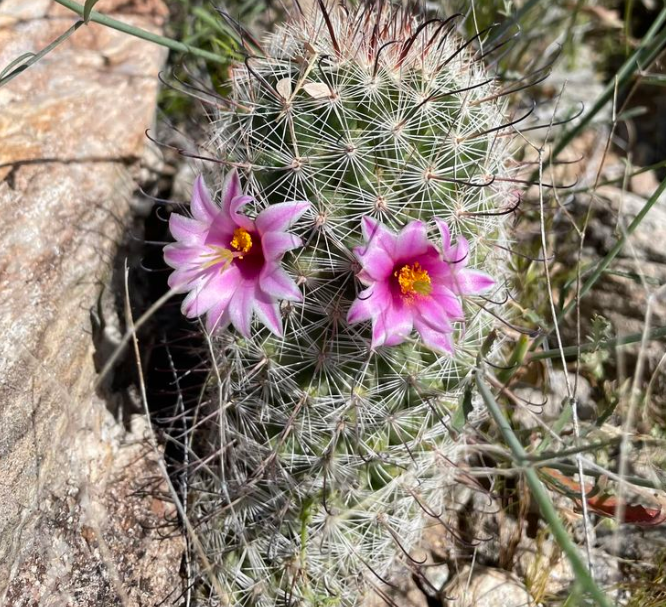
Not all cacti are created equal when it comes to root rot resistance. Some species, like the resilient Echinocactus grusonii (Golden Barrel Cactus), have evolved thicker, more impermeable roots that can withstand brief periods of excess moisture. Others, such as the delicate Mammillaria species, are far more susceptible, their fine root systems collapsing at the slightest hint of dampness.
Before adding a new cactus to your collection, research its natural habitat and water requirements. A species native to arid regions will demand a drier, more forgiving environment, while a jungle-dwelling cactus may tolerate slightly more moisture. Matching the plant’s needs to your care routine is the first line of defense against root rot.
The Domino Effect: How Root Rot Spreads Through a Collection
Root rot is not a solitary affliction—it’s a contagion that can sweep through an entire collection if left unchecked. Once a single plant succumbs, its pathogens can leach into the soil, infecting neighboring pots through shared saucers or contaminated tools. Even the water runoff from a rotting cactus can carry spores to uninfected plants, creating a domino effect of decay.
To prevent this, isolate any cactus showing signs of root rot immediately. Quarantine it in a separate area, and avoid using the same watering can or tools on healthy plants until the issue is resolved. In severe cases, consider discarding the infected plant entirely to protect the rest of your collection.
Prevention: The Art of Outsmarting Root Rot
While root rot is a formidable foe, it is not invincible. Prevention hinges on three pillars: proper watering, impeccable drainage, and vigilant monitoring. Water only when the soil is bone-dry, and always err on the side of underwatering. Choose pots with ample drainage holes, and avoid those with saucers that trap water. Repot your cacti every few years, refreshing the soil and inspecting the roots for early signs of trouble.
Additionally, observe your plants regularly. Healthy roots are firm and white or tan, while rotting roots are soft, black, or brown. If you detect a problem early, you may be able to save the plant by trimming away the infected roots and repotting it in fresh, dry soil. Act quickly, and your cactus may yet rise from the ashes of its own decay.

Conclusion: A Cactus’s Resilience, Your Responsibility
Cactus root rot is a cautionary tale of nature’s delicate balance—a reminder that even the hardiest plants are vulnerable when their needs are ignored. By understanding the causes of root rot, from overwatering to poor drainage, you can transform your care routine from a gamble into a science. Remember: the key to a thriving cactus collection lies not in coddling, but in respecting its origins. Give your spiky friends the arid, sun-drenched environment they crave, and they will reward you with decades of stoic beauty.
FAQ
What causes cactus root rot?
Cactus root rot is primarily caused by overwatering, poor drainage, contaminated soil, and environmental stress.
How can I prevent cactus root rot?
Prevent cactus root rot by ensuring proper watering practices, using well-draining soil, and regularly monitoring humidity and temperature conditions.
FAQ
What causes cactus root rot?
Cactus root rot is primarily caused by overwatering, poor drainage, contaminated soil, and environmental stress.
How can I prevent root rot in my cacti?
Prevent root rot by allowing the soil to dry completely between waterings, using well-draining soil, and ensuring proper air circulation.
Can root rot spread to other plants?
Yes, root rot can spread through contaminated soil, tools, or water runoff from infected plants.
Leave a Reply