
Short Answer
There’s nothing more disheartening than peering into your cactus collection only to find a once-pristine specimen now feeling unnaturally soft to the touch. That firm, resilient flesh—once a hallmark of desert resilience—has surrendered to a mushy surrender. The culprit? Cactus rot. This stealthy affliction doesn’t announce itself with dramatic flourishes; instead, it creeps in silently, often masquerading as harmless dehydration or minor stress. But here’s the truth: softness in a cactus is rarely a cry for water. It’s a distress signal, a plea for intervention before the rot claims the entire plant. Whether you’re a seasoned succulent whisperer or a novice who just brought home your first spiky companion, understanding why your cactus has gone soft—and how to nurse it back to health—is essential. This guide will walk you through the insidious world of cactus rot, from its deceptive early signs to the surgical precision required for revival. By the end, you’ll not only diagnose the problem with confidence but also arm yourself with the knowledge to prevent future outbreaks. Let’s dive into the hidden world beneath the spines.
The Subtle Saboteur: Understanding Cactus Rot
Cactus rot isn’t a single villain but a syndicate of opportunistic pathogens—fungi, bacteria, and even opportunistic saprophytes—waiting for the perfect moment to strike. The most common culprits are Phytophthora and Fusarium, soil-borne fungi that thrive in damp, oxygen-deprived conditions. These microscopic marauders infiltrate the cactus through wounds, uncalloused cuttings, or even the delicate root tips, where the plant’s defenses are thinnest. Once inside, they feast on the succulent’s starch reserves, turning firm tissue into a waterlogged, discolored mess. But rot isn’t always a death sentence. The key lies in recognizing its early manifestations before the entire plant liquefies into a sad, mushy puddle.
Softness is often the first red flag, but it’s not the only one. Discoloration—ranging from yellowish-brown to inky black—can signal internal decay, while a foul, sour odor hints at bacterial overgrowth. In advanced stages, the cactus may collapse under its own weight, oozing a viscous, foul-smelling fluid. The irony? Many gardeners mistake early rot for underwatering, mistaking the plant’s desperate attempt to conserve water for genuine thirst. This misdiagnosis can be fatal, as the wrong treatment (more water) only accelerates the rot’s spread. To avoid this trap, always inspect your cactus holistically: check the base, the sides, and even the spines for signs of distress.
Types of Rot: A Rogues’ Gallery of Cactus Diseases
Not all rot is created equal. The type of decay your cactus suffers from dictates the treatment—and the prognosis. Basal rot, the most notorious, attacks the base of the plant, often where it meets the soil. It’s a silent killer, progressing inward until the cactus topples like a felled saguaro. Stem rot, on the other hand, targets the vertical sections, leaving behind sunken, discolored patches that feel spongy to the touch. Then there’s root rot, the underground menace that’s nearly impossible to detect until the damage is irreversible. Each type demands a different approach, but all share one common enemy: excess moisture.
Fungal rots, such as those caused by Pythium or Rhizoctonia, are particularly insidious. They spread through contaminated soil, unsterilized tools, or even splashing water that carries spores from one plant to another. Bacterial rots, like those caused by Erwinia, are even more aggressive, often producing a slimy exudate that glistens in the light. To make matters worse, some cacti are genetically predisposed to rot. Species with thinner skins, like Echeveria or Haworthia, are more susceptible than their thick-skinned cousins, such as Ferocactus or Echinocactus. Understanding your cactus’s species-specific vulnerabilities can mean the difference between a full recovery and a compost bin farewell.
Diagnosing the Damage: From Soft Spots to Full-Blown Collapse
The art of diagnosing cactus rot begins with a tactile investigation. Gently press the suspected area with your fingertip. Healthy cactus tissue should feel firm, almost like a ripe avocado—yielding slightly but springing back. If it leaves an indentation that lingers, or if the flesh collapses like overripe fruit, rot has already set in. Next, examine the color. Healthy cactus tissue is a vibrant green or blue-green, but rot often introduces hues of yellow, brown, or black. In some cases, the discoloration may appear water-soaked, as if the plant has been submerged in a bog. Don’t ignore the spines, either. If they’re falling out or turning brittle, it’s a sign that the underlying tissue is compromised.
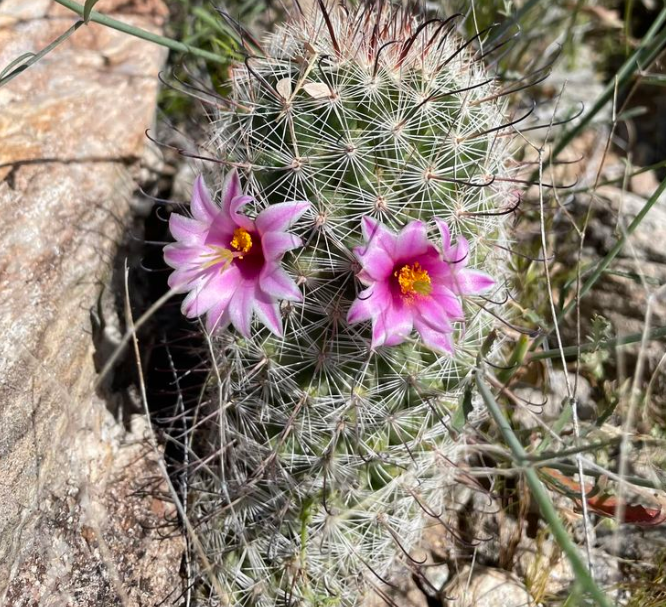
For a definitive diagnosis, you may need to play surgeon. Using a sterilized knife, make a small incision into the suspected rotten area. Healthy tissue will appear uniformly green or white, while rotten tissue will be dark, mushy, and possibly foul-smelling. If the rot is confined to a small section, there’s hope for a cure. But if the discoloration spreads like ink on paper, the cactus may be beyond saving. Keep in mind that some cacti, like Mammillaria or Gymnocalycium, can mask rot with their dense spines. In these cases, a flashlight and a keen eye are your best tools. Rot doesn’t always announce itself with fanfare—sometimes, it’s a whisper you have to strain to hear.
The Surgical Strike: How to Save a Rotting Cactus
Saving a rotting cactus is a race against time, and the first step is isolation. Remove the affected plant from its pot and any neighboring cacti to prevent the spread of spores. Next, you’ll need to perform an amputation—yes, you read that correctly. Using a sterilized knife or pruning shears, cut away all rotten tissue until you reach healthy, firm tissue. This may mean sacrificing entire sections of the plant, but it’s the only way to stop the rot in its tracks. Be ruthless. If the rot has reached the roots, trim them back to pristine white or tan tissue. For cacti with multiple stems, like Opuntia or Cleistocactus, you may need to separate and treat each stem individually.
Once the surgery is complete, the cactus must dry out. Place it in a warm, dry, and shaded location for at least a week—longer if the cuts are large. This allows the tissue to callous over, forming a protective barrier against future infections. Avoid the temptation to water or fertilize during this period. After the callousing period, you can replant the cactus in fresh, sterile soil. A mix of coarse sand, perlite, and a small amount of cactus-specific soil will provide the drainage necessary to prevent a recurrence. Water sparingly at first, and only when the soil is completely dry. For added insurance, consider dipping the cut ends in a fungicide powder before replanting. Products containing copper or sulfur are particularly effective against fungal rots.
Prevention: Fortifying Your Cactus Against Rot
The best offense against cactus rot is a good defense. Start with the soil. Cacti despise soggy conditions, so ensure your potting mix is gritty, well-draining, and aerated. A blend of 50% inorganic material (like perlite or pumice) and 50% organic material (like coconut coir or compost) strikes the perfect balance. Avoid heavy, moisture-retentive soils, which are breeding grounds for rot. When repotting, always use a clean pot and fresh soil to minimize the risk of contamination. Sterilize your tools with rubbing alcohol before and after use to prevent cross-contamination.
Watering is another critical factor. Cacti are desert dwellers, and they’ve evolved to thrive in arid conditions. Overwatering is the fastest way to invite rot, so adopt a “less is more” philosophy. Water only when the soil is completely dry, and never let the plant sit in a saucer of water. During the winter months, reduce watering to a bare minimum, as cacti enter a dormant phase and require even less moisture. Humidity is another enemy of cactus health. If you live in a humid climate, consider using a dehumidifier or placing your cacti in a well-ventilated area. For outdoor growers, ensure the plants are in a location with excellent air circulation to prevent moisture buildup.
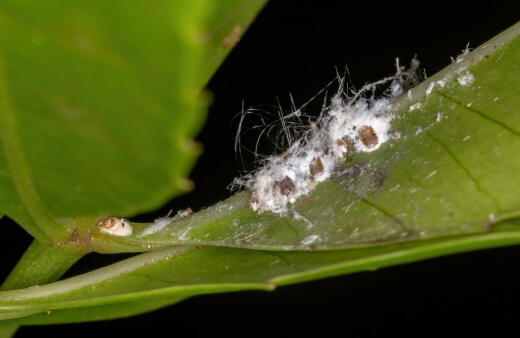
Finally, be vigilant about pests. Mealybugs, scale insects, and spider mites can create tiny wounds that serve as entry points for rot-causing pathogens. Inspect your cacti regularly, and treat infestations promptly with insecticidal soap or neem oil. Quarantine any new plants for at least a month to ensure they’re pest-free before introducing them to your collection. By adopting these preventive measures, you’ll create an environment where rot struggles to gain a foothold, allowing your cacti to thrive in all their spiky glory.
When to Say Goodbye: Recognizing the Point of No Return
Despite your best efforts, some cacti are simply too far gone. If the rot has spread to more than 50% of the plant, or if the tissue has turned into a mushy, foul-smelling sludge, it’s time to accept that the cactus cannot be saved. This is a bitter pill to swallow, especially for collectors who’ve nurtured their plants for years. But holding onto a hopeless case only risks infecting the rest of your collection. Instead, take a cutting from any healthy sections and propagate it. Many cacti can be saved through offsets or stem cuttings, allowing you to preserve their genetic legacy. If propagation isn’t an option, dispose of the plant responsibly—never compost it, as this can spread spores to other plants.
Remember, every cactus has a lifespan, and sometimes, despite our best intentions, nature takes its course. The goal isn’t to save every plant but to learn from each experience. Keep a journal of your cactus’s journey, noting what worked and what didn’t. Over time, you’ll develop an intuition for their needs, allowing you to intervene earlier and more effectively in the future. And who knows? That next soft cactus you encounter might just be the one that teaches you the most.
FAQ
What causes cactus rot?
Cactus rot is primarily caused by excess moisture, which allows pathogens like fungi and bacteria to invade the plant.
How can I tell if my cactus is rotting?
Look for signs such as softness, discoloration, or a foul odor. Healthy cactus tissue should feel firm and vibrant in color.
What should I do if my cactus is rotting?
Isolate it, remove any rotten tissue with a sterilized knife, and allow it to callous before replanting in fresh soil.
FAQ
What causes cactus rot?
Cactus rot is typically caused by pathogens such as fungi and bacteria that thrive in damp conditions, often entering through wounds or roots.
How can I tell if my cactus is rotting?
Signs of rot include softness, discoloration, foul odors, and collapsing tissue. Healthy cactus tissue should feel firm and retain its shape.
What should I do if my cactus is rotting?
Isolate the cactus, remove rotten tissue using sterilized tools, allow it to dry, and repot in fresh, sterile soil.
How can I prevent cactus rot?
Prevent rot by using well-draining soil, watering only when the soil is dry, and ensuring proper pot drainage.

Leave a Reply