
Short Answer
Cacti, with their striking silhouettes and resilient demeanor, are a favorite among plant enthusiasts. Yet, even these desert-dwelling marvels are not impervious to the stealthy invaders known as scale insects. These minuscule pests, often overlooked due to their camouflage-like appearance, can wreak havoc on your prized cacti if left unchecked. Whether you’re a seasoned succulent collector or a novice green thumb, understanding the nuances of scale insect infestations is your first line of defense. From identifying the culprits to deploying targeted treatments and implementing foolproof prevention strategies, this guide will arm you with the knowledge to safeguard your cacti’s health and vitality.
The Stealthy Culprits: Understanding Scale Insects
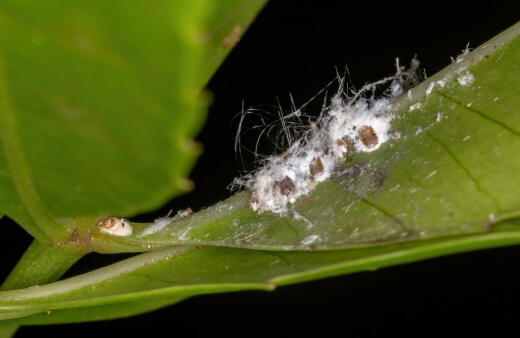
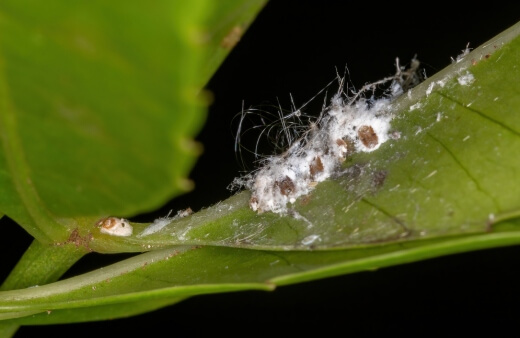
Scale insects are a diverse group of sap-sucking pests that belong to the superorder Coccoidea. Unlike typical insects, they often appear as small, immobile bumps or scales on stems, leaves, or spines, blending seamlessly into the cactus’s rugged texture. These pests secrete a waxy, protective coating that shields them from predators and environmental stressors, making them notoriously difficult to eradicate once established. Their life cycle is a fascinating yet insidious process: eggs hatch into crawlers—tiny, mobile nymphs that disperse across the plant before settling into a sedentary existence, feeding voraciously on the cactus’s vital fluids. The damage they inflict is twofold: direct nutrient depletion and the secondary risk of sooty mold, a black, fungal growth that thrives on the sticky honeydew they excrete.
Spotting the Invaders: Signs of Scale Infestation
Early detection is the linchpin of effective scale management. While their camouflage can make them hard to spot, there are telltale signs that demand your attention. Begin with a tactile inspection—run your fingers along the cactus’s surface. If you feel rough, raised bumps that resist gentle pressure, you’ve likely encountered armored scale. Soft scale, on the other hand, may present as cottony or waxy clusters. Visual cues include yellowing or stippling on the cactus’s surface, a sign of chlorophyll depletion, and the aforementioned honeydew, which often attracts ants or fosters the growth of sooty mold. In severe infestations, you might observe stunted growth, wilting, or even the premature death of plant segments. For those cultivating cacti indoors, keep an eye on windowsills or nearby surfaces, as fallen scales or honeydew can leave a sticky residue.
Armor-Plated vs. Soft Scale: A Tale of Two Pests
The world of scale insects is divided into two primary categories: armored scale and soft scale, each with distinct behaviors and control methods. Armored scales, such as the Diaspididae family, are encased in a rigid, protective shield that makes them particularly resilient. Their immobility and protective coating render them less susceptible to contact insecticides, necessitating a more aggressive approach. Soft scales, like the Coccidae family, lack this armor but compensate with a thicker, waxy layer and the ability to excrete copious amounts of honeydew. This makes them a magnet for ants and a breeding ground for sooty mold. Understanding which type has taken residence on your cactus is crucial, as it dictates the treatment strategy. A magnifying glass can be an invaluable tool here, revealing the subtle differences in their physical structures.
DIY Detection: Tools and Techniques for Home Inspections
Equipping yourself with the right tools can transform a tedious chore into a precise science. A 10x magnifying loupe or a jeweler’s loupe will reveal the intricate details of scale insects, from their segmented bodies to the fine hairs that adorn some species. For a broader view, a handheld digital microscope can capture high-resolution images of infestations, aiding in identification and documentation. A blacklight, though unconventional, can be surprisingly effective—many scale insects fluoresce under UV light, making them stand out against the cactus’s surface. Additionally, a simple piece of white paper placed beneath the plant and gently tapped can dislodge crawlers, providing visual confirmation of their presence. For those with a flair for technology, smartphone apps that analyze plant health through image recognition can offer preliminary insights, though they should never replace hands-on inspection.
Natural Remedies: Gentle Yet Effective Solutions
For those wary of chemical interventions, nature offers a plethora of solutions that are both eco-friendly and potent. One of the most accessible methods is the use of a neem oil spray, derived from the seeds of the neem tree. Neem oil disrupts the insects’ life cycle by inhibiting their ability to feed and reproduce, while also acting as a mild fungicide to combat sooty mold. To prepare the spray, mix one teaspoon of neem oil with a few drops of dish soap and a quart of water, then apply it to the affected areas using a soft brush or spray bottle. Another formidable ally is rubbing alcohol (70% isopropyl alcohol), which dissolves the waxy coating of soft scales upon contact, causing them to dehydrate and die. For armored scales, a more abrasive approach may be necessary—gently scrubbing the infested areas with a soft toothbrush dipped in alcohol can physically remove the pests. Always test these remedies on a small, inconspicuous area of the plant first to ensure compatibility.
Chemical Warfare: When to Deploy Insecticides
While natural remedies are ideal for mild infestations, severe or persistent scale problems may necessitate the use of chemical insecticides. Systemic insecticides, such as those containing imidacloprid or dinotefuran, are absorbed by the plant and distributed through its tissues, providing long-lasting protection. These are particularly effective against armored scales, as they target the insects during their vulnerable crawler stage. Contact insecticides, like pyrethrin-based sprays, offer immediate knockdown power but may require repeated applications to ensure all life stages are eradicated. It’s imperative to follow label instructions meticulously, as overapplication can harm the cactus or beneficial insects. For indoor cacti, opt for insecticides labeled for use in enclosed spaces, and always apply them in a well-ventilated area. Rotating between different classes of insecticides can prevent the development of resistance, a common pitfall in scale management.
Cultural Controls: Cultivating an Unwelcoming Environment
Prevention, as they say, is the best medicine—and in the case of scale insects, it’s also the most sustainable strategy. Start with the basics: ensure your cacti are planted in well-draining soil, as waterlogged roots create stress that makes plants more susceptible to pests. Quarantine new additions to your collection for at least two weeks, observing them closely for signs of scale or other hitchhikers. Regularly inspect your cacti, paying special attention to the undersides of leaves and the crevices between spines, where scales often congregate. Prune heavily infested areas, sterilizing your tools with rubbing alcohol between cuts to prevent cross-contamination. Additionally, maintain a clean growing environment by removing fallen debris and wiping down surfaces with a mild soap solution. For outdoor cacti, consider introducing natural predators like ladybugs or parasitic wasps, which can keep scale populations in check without the need for intervention.
Soil and Root Considerations: The Hidden Battleground
Scale insects aren’t confined to the visible parts of your cactus—they can also lurk beneath the surface, feeding on the roots and compromising the plant’s structural integrity. Root-scale infestations are particularly insidious, as they often go unnoticed until the cactus exhibits severe decline. To diagnose this issue, carefully remove the plant from its pot and examine the roots for small, brownish bumps or a sticky residue. If root scales are detected, the first step is to isolate the plant to prevent spread. Trim away heavily infested roots with sterilized shears, then repot the cactus in fresh, sterile soil. A soil drench with a systemic insecticide can help eliminate any remaining pests, but be cautious not to overwater, as this can exacerbate root stress. For severe infestations, consider air-drying the roots for a day or two before repotting to ensure any lingering crawlers are eradicated.
Long-Term Vigilance: Monitoring and Maintenance
Eradicating scale insects is only half the battle—the real challenge lies in preventing their return. Establish a routine monitoring schedule, checking your cacti at least once a month for early signs of reinfestation. Keep a journal or digital log to track the progress of treatments and the health of your plants, noting any patterns or recurring issues. If you’ve previously dealt with scale insects, consider applying a preventive neem oil spray every few months, especially during the growing season when pests are most active. For outdoor cacti, seasonal changes can influence scale activity—be particularly vigilant during warm, humid periods when these pests thrive. Finally, educate yourself on the specific needs of your cactus species, as some may be more susceptible to scale than others. A well-cared-for cactus is a resilient one, far less likely to succumb to the advances of these persistent pests.
FAQ
What are scale insects and how do they affect cacti?
Scale insects are sap-sucking pests that can cause nutrient depletion and promote the growth of sooty mold, leading to the decline of cactus health.
What are some natural methods to treat scale insects?
Natural remedies include neem oil sprays and rubbing alcohol, which can disrupt the insects’ life cycle and kill them on contact.
When should chemical insecticides be used?
Chemical insecticides should be considered for severe infestations, especially systemic insecticides that target armored scales.


Leave a Reply