
Short Answer
The distinctive silhouette of Cephalocereus, often crowned with dense, woolly areoles, evokes a fascination that transcends conventional houseplants. These towering cacti, native to arid landscapes, seem unlikely candidates for indoor cultivation—yet the promise of tucking such a bold architectural presence into your interior spaces invites a shift in perspective. Can Cephalocereus thrive in containers within the confines of your home? Let’s embark on a journey unveiling the art and science of growing these spiny giants indoors, illuminating the rewards and intricacies entwined with this captivating endeavor.
The Allure of Cephalocereus: More Than Just a Cactus
At first glance, Cephalocereus plants mesmerize with their elongated, columnar form, crowned by a halo of dense, white trichomes—a crown that has earned them the evocative moniker “Old Man Cactus.” Their dramatic presence can transform any space, injecting striking verticality and an exotic flair that ordinary succulents often lack. More than mere decoration, these plants embody resilience and adaptation, thriving in extreme desert conditions. Bringing them indoors challenges preconceived notions about what belongs behind glass walls. It invites an appreciation of nature’s tenacity, manifested in spines and wooly tufts, coaxing us to rethink the boundaries between wild and cultivated.
Understanding the Cephalocereus Native Habitat
To cultivate Cephalocereus indoors, an intimate understanding of its native environment is paramount. These cacti hail from the arid, sunbathed regions of Mexico and parts of Central America, thriving in harsh, well-drained soils with scarce water availability and intense sunlight. They are accustomed to wide diurnal temperature fluctuations and dry air, conditions that challenge indoor gardeners to carefully simulate. Without this simulated environment, the plant’s robust constitution can falter. Replicating these variables indoors requires thoughtful consideration, from light placement to watering habits and ambient humidity. It’s a dance of mimicry—reproducing nature’s extremes within a controlled, nurturing environment.
Choosing the Right Container for Your Cephalocereus
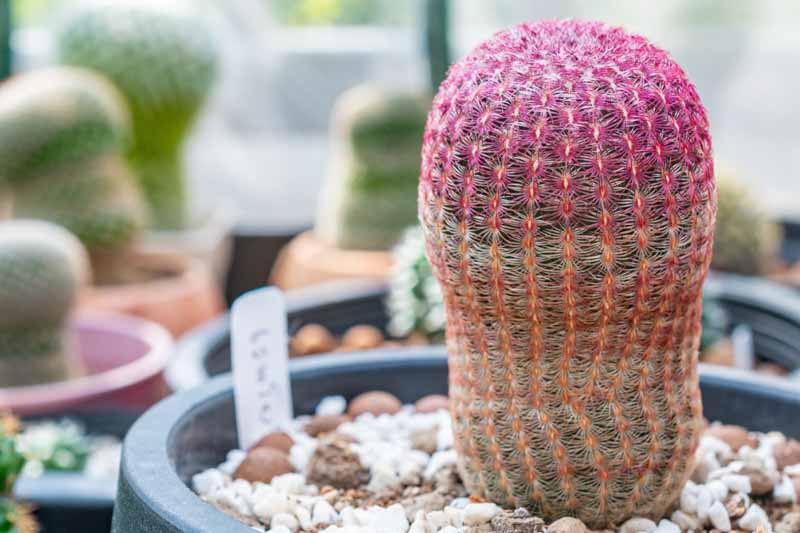
One cannot underestimate the pivotal role the container plays in the successful indoor growth of Cephalocereus. The container is more than a mere vessel; it serves as a micro-ecosystem, dictating drainage, root aeration, and overall stability. Given the cactus’s eventual towering stature, stability is crucial to prevent toppling hazards. Opt for a heavy, deep terra cotta pot or unglazed ceramic to facilitate breathability and moisture regulation. Drainage holes are non-negotiable to prevent waterlogging. Consider elevating the pot slightly to enhance drainage and airflow beneath the base. The container sets the stage—selecting it carefully ensures the plant’s longevity and health.

Light Requirements: Mimicking the Desert Sun Indoors
Cephalocereus demands an abundance of light—an unyielding torrent that energizes its growth and maintains its architectural elegance. Indoors, this necessitates placement in the sunniest spots available, ideally south- or west-facing windows that afford direct, unfiltered sunlight for several hours daily. Insufficient light leads to etiolation: a spindly, weakened form desperate for sun. When natural light is inadequate, full-spectrum grow lights calibrated to mimic sunlight’s intensity and spectrum become indispensable allies. A timer ensures consistent photoperiods, replicating the natural cycles of day length. Understanding light as the lifeblood of Cephalocereus brings new appreciation to window space and lighting technology alike.
The Art of Watering: Balancing Thirst and Drought
Watering Cephalocereus indoors is a nuanced art. Their desert heritage instills an instinctive drought tolerance; overwatering is a cardinal sin that invites root rot and fungal maladies. The key lies in timing: allow the soil to dry completely between watering intervals. During the growing season—spring through early fall—water sparingly but consistently. In winter, when the cactus enters dormancy, watering should be drastically reduced or halted. Using a well-draining cactus mix, often composed of a gritty blend of sand, perlite, and peat, further prevents moisture retention. The goal is a delicate equilibrium: enough moisture to sustain metabolic needs without tipping into sogginess. Mastering this balance is crucial to coaxing vigor from the Cephalocereus.
Temperature and Humidity Control: Creating a Desert Microclimate
Recreating the thermal extremes of Cephalocereus’s desert origins indoors demands vigilance. These cacti flourish in warm daytime temperatures ranging from 70°F to 90°F, with cooler nights dipping to 50°F or lower. Avoid sudden chills, drafts, or proximity to cold windows during winter months. Unlike many tropical houseplants, Cephalocereus thrives in low humidity environments. Overly humid air can foster fungal diseases, a silent threat to their health. In colder seasons, heating systems might reduce ambient humidity, often to the cactus’s benefit. If indoor humidity becomes excessive, employing a dehumidifier or ensuring adequate air circulation through fans helps maintain the stifling desert-like conditions these plants prefer.
Fertilizing and Growth Cycles: Nurturing Through the Seasons
Though slow-growing, Cephalocereus benefits from measured fertilization during its active growth phase. Use a balanced, diluted cactus fertilizer rich in potassium and phosphorus to promote root development and structural sturdiness. Apply fertilization monthly from spring to late summer; pause in autumn and winter. Recognize that indoor growth may be more modest due to light and space constraints, yet patience rewards with a majestic, elongated form over time. Understanding and respecting the cactus’s natural rhythm ensures sustainable vitality—growth that honors both its wild heritage and domestic habitat.
Pest Management and Common Indoor Challenges
Despite their rugged disposition, Cephalocereus plants indoors are not impervious to adversities. Mealybugs and spider mites occasionally invade, attracted by the plant’s woolly exterior. Vigilant inspection and prompt treatment with insecticidal soaps or neem oil mitigate infestations. Overwatering and poor drainage can trigger root rot and fungal infections, often fatal without intervention. Proper quarantine and sterilization of new plants prevent pathogen introduction. Creating an environment that mimics their native habitat reduces stress and vulnerability. By anticipating these challenges, gardeners become proactive stewards of their cactus’s health.
When and How to Repot: Giving Your Cephalocereus Room to Breathe
Repotting Cephalocereus is a delicate but necessary ritual, best done every 2-3 years or when roots have outgrown the container. Timing in early spring aligns with the onset of active growth, minimizing shock. Use thick gloves and tools to carefully extract the plant without damaging its spiny epidermis or fragile root system. Replace the old soil with fresh cactus mix, inspecting roots for rot or damage. The new pot should only minimally exceed the previous size—overlarge pots risk water retention issues. Repotting reinvigorates the plant and prevents stagnation, offering renewed space for its subterranean network to expand, anchoring the towering stem above.
Designing with Cephalocereus: Integrating Indoor Desert Drama
Incorporating Cephalocereus into indoor design schemes can elevate aesthetics to new heights—literally. Their statuesque form invites comparison to natural sculptures, perfect for minimalist or bohemian interiors seeking a rugged yet refined focal point. Pairing with warm earth tones and tactile materials like wood, leather, or stone accentuates their desert origins. Container choice can complement style, from rustic terracotta to modern concrete. Strategic lighting highlights their enigmatic silhouettes, casting long, spindly shadows that dance with the sun’s passage. They don’t merely inhabit a space—they transform it, bridging wilderness and domesticity in poetic tension.
Embracing the challenge of growing Cephalocereus indoors is a testament to creativity and devotion. It requires a deliberate crafting of environment, meticulous observation, and patience. But in return, these spiny wonders offer not only architectural grandeur but also a profound connection to an ancient ecosystem—wild, resilient, and unyieldingly beautiful. Growing a Cephalocereus in containers indoors invites us to reconsider the possibilities of plant companionship within our living spaces, turning our homes into miniature deserts of quiet majesty and endless fascination.
FAQ
Can Cephalocereus be grown indoors?
Yes, Cephalocereus can thrive indoors if provided with adequate light, proper watering, and suitable temperature and humidity.
What type of container is best for Cephalocereus?
A heavy, deep terra cotta pot or unglazed ceramic pot is ideal for Cephalocereus to ensure proper drainage and stability.
How often should I water my Cephalocereus?
Water your Cephalocereus sparingly, allowing the soil to dry completely between waterings, especially during its dormant winter period.
What light conditions does Cephalocereus need?
Cephalocereus needs abundant light and should be placed in the sunniest spots, ideally south- or west-facing windows.

Leave a Reply