
Short Answer
Have you ever wondered if your tough, spiny Ferocactus might surprise you with a burst of vibrant flowers? These formidable desert dwellers, often admired for their rugged sculptural forms, hold a dazzling secret that many enthusiasts eagerly anticipate: flowering. But coaxing a Ferocactus to bloom can be a test of patience and know-how—a playful challenge where your dedication transforms into floral triumph. What exactly should you expect, and how does one nurture those exquisite blossoms? Let’s embark on a detailed journey to unlock the mysteries of Ferocactus flowering and master the art of caring for their spectacular blooms.
Understanding the Enigmatic Bloom Cycle of Ferocactus
Ferocactus species are famed for their barrel shape and formidable spines, but their flowering behavior is equally captivating, albeit somewhat cryptic. These cacti typically flower once they reach maturity, which can take several years, depending on the species and growing conditions. Unlike more frequent bloomers, Ferocactus plants tend to reward gardeners who exercise patience over time. The flowering season most commonly occurs in late spring to summer, when the desert heat intensifies and daylight hours lengthen.
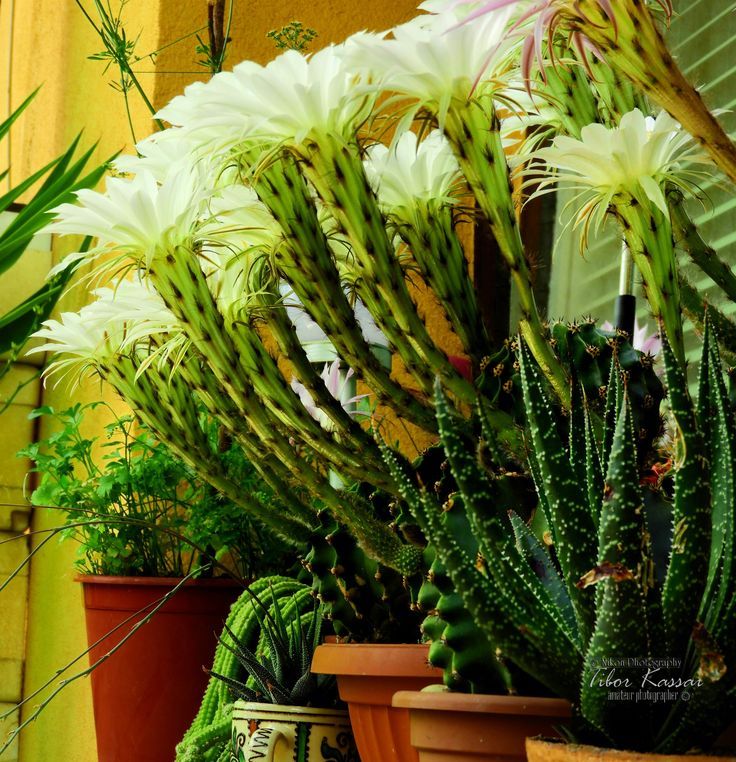
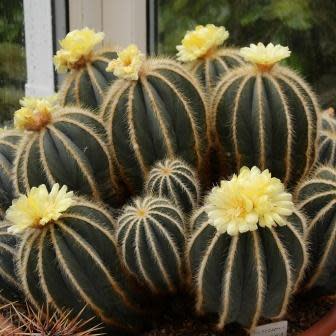
The flowers themselves emerge from the crown or near the apex of the cactus, often contrasting brilliantly against the ribbed, spiny surface. Their hues range from bright yellow to deep crimson or scarlet, creating a radiant spectacle. However, it’s important to note that environmental stressors or improper care can delay or inhibit flowering entirely, making the arrival of blossoms all the more cherished.

Lighting Requirements: Harnessing the Desert Sun
To coax those vibrant blooms from your Ferocactus, replicating the intense lighting conditions of their native desert habitat is paramount. These cacti bask in bright, direct sunlight for the majority of the day. Inadequate light is one of the most common culprits behind lackluster growth and absent flowers. Striving for at least six hours of unfiltered sunlight will encourage photosynthesis and stimulate the bud formation phase.
Yet, beware of sudden exposure to intense midday sun if your cactus has been kept in shade, as this can cause sunburn—manifested as yellowish or scorched spots. Acclimate your plant gradually to high light conditions. For indoor grows, positioning near south-facing windows or supplementing with full-spectrum grow lights can bridge the gap.

Soil and Drainage: Crafting the Perfect Desert Mimicry
The substrate your Ferocactus calls home plays a silent but crucial role in its flowering potential. Inhabiting rocky, mineral-rich soils in arid regions, these cacti demand exceptional drainage to prevent root rot—a notorious flowering deterrent. A gritty, sandy cactus mix laced with perlite or pumice is ideal. This blend ensures water quickly drains away, preventing prolonged moisture that can suffocate roots.
Regular repotting every few years helps refresh the soil, maintaining nutrient levels compatible with flowering vigor. Incorporate slow-release fertilizers rich in phosphorus to promote bud and flower development, but exercise moderation—excess nitrogen encourages foliage growth at the expense of blossoms.
Watering Wisdom: Balancing Hydration with Desert Adaptations
Water can be a double-edged sword for Ferocactus flowering. While they require some moisture to fuel flowering cycles, overwatering is a cardinal sin that leads to root rot and poor bloom production. The key is to mimic their native drought-prone cycles—providing water sparingly during active growth seasons and withholding it almost entirely in dormancy.
During spring to summer, when flower buds begin to form, increase watering frequency moderately, allowing the soil to dry between waterings. Come autumn and winter, drastically reduce moisture. Observation is pivotal; succulent, plump stems indicate adequate hydration, while shriveled or soft sections signal stress.
Temperature and Seasonal Cues: Triggering Native Rhythms
Ferocactus have evolved under extreme temperature fluctuations—a hallmark of desert climates. Warm days accelerate metabolic activity necessary for flower initiation, whereas cooler nights serve as a vital rest period. A diurnal temperature swing of around 20°F to 30°F between day and night encourages flowering.
It is important to simulate this rhythm even in cultivation. In temperate indoor setups, placing the cactus in cooler locales during winter months mimics their natural winter chill, promoting healthy flower cycles come spring. Avoid exposing your plant to frost, though, as freezing temperatures can be fatal.
Delighting in the Blossoms: What to Expect During Flowering
Once your Ferocactus sends up those first nascent buds, an exciting transformation begins. The buds often start as small, fuzzy nubs nestled among the areoles near the apex, gradually elongating into trumpet-shaped flowers. Depending on the species, these blossoms may open during daylight hours, showcasing intricate layers of petals that radiate warm tones and sometimes emit subtle fragrances enticing native pollinators.
Flower lifespan varies, typically lasting several days to a week, offering a brief but brilliant display. Protecting the blooms from excessive moisture or extreme heat will extend their duration. It’s a fleeting moment of beauty—one well worth the wait.

Post-Bloom Care: Sustaining Health Beyond the Flowers
After the floral spectacle concludes, the focus shifts to sustaining robust health for future blooming seasons. Deadhead spent flowers carefully to prevent fungal infections but avoid damaging the growing tip. Continue a balanced watering regimen and gradually taper feeding as the plant transitions into dormancy.
Regular inspection for pests such as mealybugs or spider mites is vital, as infestations can weaken the cactus and impair next season’s blooms. Pruning is generally unnecessary, though removing any dead or damaged spines can improve the plant’s overall vigor and aesthetic appeal.
Common Challenges and Troubleshooting Flowering Issues
Despite best efforts, Ferocactus flowering may sometimes prove elusive. Common pitfalls include:
- Insufficient sunlight: Blooms will seldom form without intense, prolonged exposure to light.
- Overwatering: Root rot stunts growth and inhibits flowering.
- Improper temperature: Lack of cool night temperatures may prevent flower initiation.
- Young age: Immature cacti often need years before flowering.
Addressing these factors with patience and awareness usually leads to eventual success. Every patience-testing year brings you one step closer to that rewarding crown of blooms—making every apparent reluctant winter worthwhile.
In essence, nurturing a Ferocactus to flower is akin to an intimate dance with desert nature itself. Understanding its rhythms, patiently catering to its unique needs, and celebrating its floral bursts reveal the magnificent resilience and artistry of these remarkable barrel cacti. Ready to embrace the challenge and bask in the splendor of those fiery blooms?
FAQ
How often does Ferocactus bloom?
Ferocactus typically blooms once it reaches maturity, which can take several years, with flowering occurring most commonly in late spring to summer.
What are the ideal lighting conditions for Ferocactus?
Ferocactus requires at least six hours of bright, direct sunlight daily to encourage flowering.
How do I care for Ferocactus flowers after they bloom?
After blooming, deadhead spent flowers and maintain a balanced watering regimen while monitoring for pests.
FAQ
What conditions are required for Ferocactus to bloom?
Ferocactus require bright, direct sunlight, well-draining soil, and appropriate watering cycles to encourage blooming.
How long does a Ferocactus flower last?
The flowers of a Ferocactus typically last from several days to a week depending on care conditions.
What are common issues preventing Ferocactus from flowering?
Common issues include insufficient sunlight, overwatering, and improper temperature conditions.
FAQ
What conditions are necessary for a Ferocactus to bloom?
Ferocactus requires bright sunlight, well-draining soil, and proper watering to bloom successfully.
How often do Ferocactus plants flower?
Ferocactus typically flowers once they reach maturity, which can take several years, usually blooming in late spring to summer.
What should I do if my Ferocactus is not blooming?
Ensure it receives adequate sunlight, avoid overwatering, and verify that it is mature enough to flower.
FAQ
What conditions are necessary for Ferocactus to bloom?
Ferocactus requires bright, direct sunlight, well-draining soil, and proper watering to bloom successfully.
How often should I water my Ferocactus?
Water sparingly during dormancy and increase frequency during the growing season, ensuring the soil dries out between waterings.
What are common challenges in getting Ferocactus to flower?
Common issues include insufficient sunlight, overwatering, and improper temperature conditions.
FAQ
How often do Ferocactus cacti bloom?
Ferocactus cacti typically bloom once they reach maturity, which can take several years, usually between late spring and summer.
What are the light requirements for Ferocactus flowering?
Ferocactus requires at least six hours of bright, direct sunlight daily to encourage blooming.
Leave a Reply