
Short Answer
In the vast realm of cacti, where resilience meets mystique, the genus Cereus stands as an enchanting pantheon of botanical wonders. From the ethereal nocturnal spectacle of the Queen of the Night to the succulent allure of the Peruvian Apple Cactus, these species embody an intriguing duality—both delicate and formidable, ephemeral and enduring. Cereus is a symphony of contrasts, a dance between desert austerity and rainforest exuberance, inviting admirers to explore its multifaceted charm.
The Majestic Tapestry of the Cereus Genus
Imagine a canvas painted with towering green sentinels, their ribbed columns reaching skyward like verdant monuments. The Cereus genus, derived from the Latin word for “wax candle,” is aptly named for its elongated, columnar form. These cacti are sculptural masterpieces—vertical artists shaped by harsh environments and time itself. Native primarily to South and Central America, they thrive in arid landscapes yet surprise with their diversity, ranging from spiny giants to almost smooth, glistening columns.
But beyond their physical form lies an allure that transcends mere appearance. To witness a Cereus cactus in bloom is to experience nature’s nocturnal poetry. Each species offers a narrative—some boast flowers that unfurl like delicate whispers after dusk, others bear fruit that is as tantalizing to humans as they are nourishing to desert wildlife.
The Queen of the Night: Cereus repandus and Its Nocturnal Ballet
If the desert holds a secret aristocracy, the Queen of the Night would be its reigning sovereign. Cereus repandus, often dubbed the Night Blooming Cereus, is a botanical enigma. Its flowers blossom only under the silvery gaze of the moon, exuding fragrances so intoxicating they seem conjured by moonlight itself. These celestial blooms are ethereal ambassadors of the night, ephemeral jewels that last mere hours before retreating into the shadows.

This fleeting spectacle transforms the ordinary into the extraordinary. Observing the Queen of the Night becomes less about horticulture and more an act of reverence. The bloom’s transient nature teaches patience and appreciation for nature’s mysterious timed choreography. It is here that you encounter the paradox of fragility and fortitude—a cactus that endures a sun-scorched day to be crowned by moonlight’s gentle kiss. The night flower’s delicate white petals contrast starkly with the cactus’s rugged form, symbolizing resilience cloaked in grace.
The Peruvian Apple Cactus: A Botanical Jewel With Tantalizing Fruit
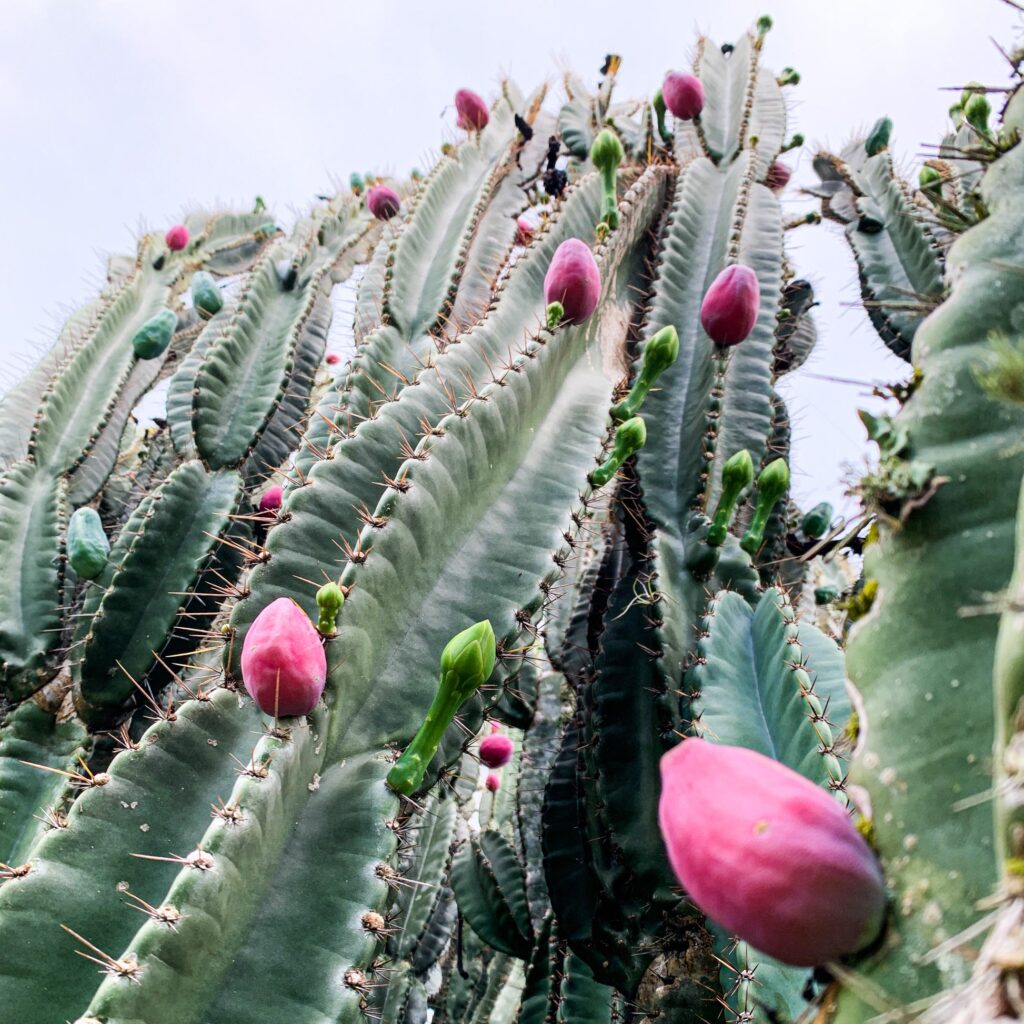
Beyond the nocturnal marvels lies another star—Cereus peruvianus, commonly called the Peruvian Apple Cactus. This species flips the script with its robust stature and vibrant, succulent bounty. Unlike the evanescent flowers of its kin, the Peruvian Apple offers a luscious enduring fruit with an almost paradoxical texture: robust cactus meets succulent orchard.

The crimson-hued fruit is reminiscent of an apple, yet it whispers tales of rugged desert survival. Its fleshy skin hides a sweet, mildly tangy interior that appeals to both wildlife and humans alike. This cactus is a bridge—connecting arid geography with a feast of flavor, a testament to the creative inventiveness of evolution.
In cultivation, the Peruvian Apple cactus serves as both a striking ornamental and a source of edible delight. Its towering, segmented stems create architectural intrigue in gardens, while its fruit invites culinary experimentation. The tactile experience of harvesting its “apple” is a tactile narrative of nature’s gifts—firm, yet generous; spiny, yet sweet.
The Botanical Architecture and Adaptations of Cereus Species
The Cereus genus exemplifies succulent mastery, their ribbed surfaces not merely aesthetic but profoundly functional. The vertical ribs expand and contract with water storage, allowing these cacti to survive prolonged droughts in unforgiving deserts. This living water reservoir activates a physiological ballet unknown to most plants.
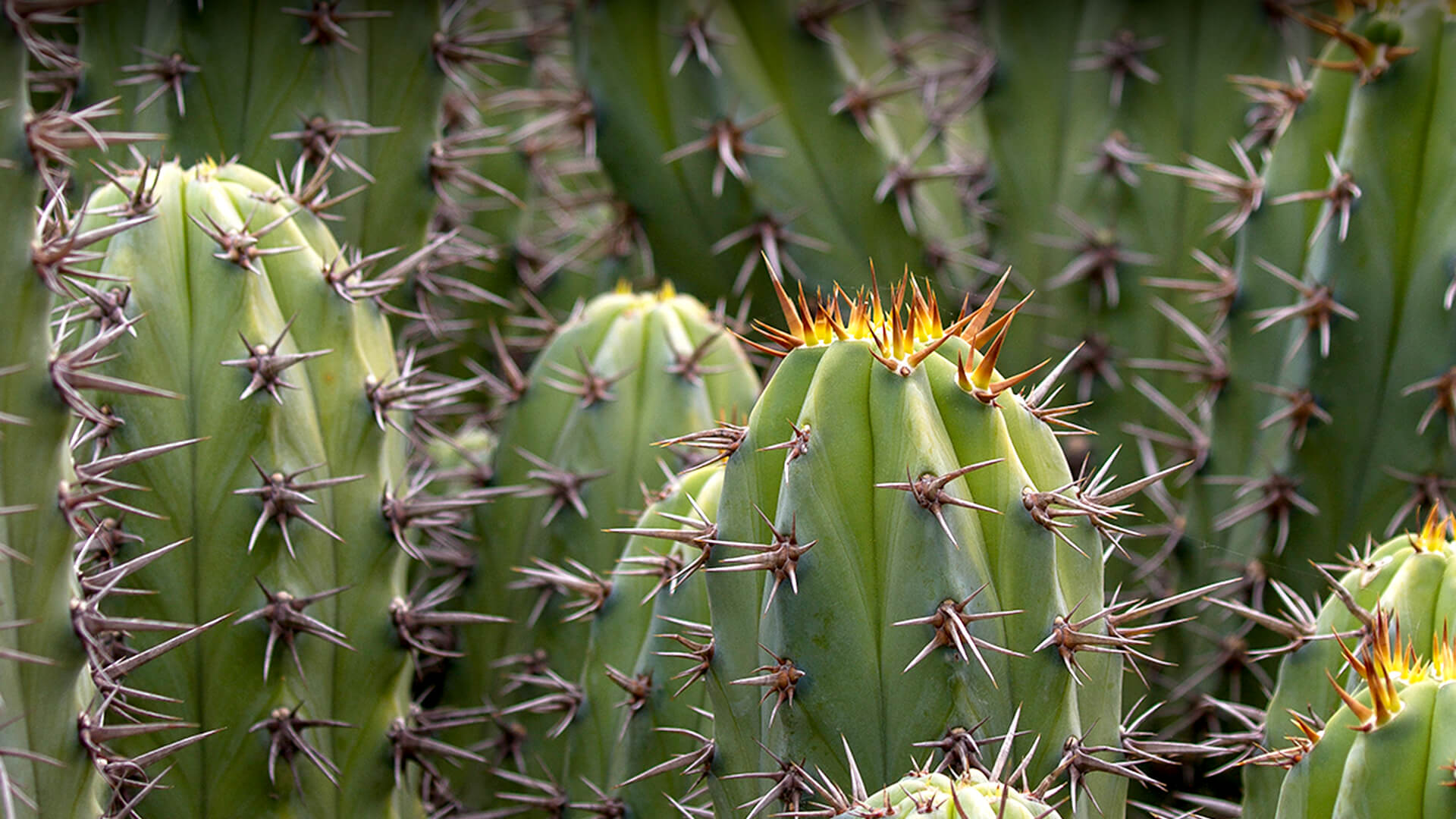
Spines—those formidable guardians—serve dual purposes: deterrents against herbivores and shields against the scorching sun. Some species fashion dense clusters of spines, others adopt a sparse elegance, revealing their waxy epidermis glistening like emerald glass.
Moreover, the nocturnal blooming trait of some species is a brilliant evolutionary adaptation. By opening flowers at night, Cereus cacti avoid the parching heat, attracting specific pollinators such as moths and bats that thrive when the world is cloaked in darkness. This temporal niche elegantly sidesteps competition, highlighting the genus’s intricate web of ecological interplay.
Cultivating Cereus: A Journey into Desert Elegance
Growing Cereus is akin to inviting a piece of the desert’s soul into your home or garden. These cacti demand respect and understanding of their natural rhythms. Well-drained soil, abundant sunlight, and sparing watering mimic their native habitats. Yet, patience is key. Their slow, vertical growth invites contemplative care rather than hurried cultivation.
The Peruvian Apple’s fruiting potential means growers can enjoy an additional reward beyond mere visual pleasure. Meanwhile, successfully encouraging a Queen of the Night to bloom is akin to unlocking a secret chamber in the palace of succulents.
The Symbolism and Cultural Reverence of Cereus
Throughout South and Central America, Cereus species have permeated folklore and tradition. The ephemeral blooms of the Queen of the Night are often viewed as mystical symbols of transformation and fleeting beauty. To witness its flowering is considered auspicious—a reminder of life’s precious, transient moments.
The Peruvian Apple, meanwhile, bridges the wild and the domestic, symbolizing fertility and sustenance in arid lands. These cacti are not only survivalists but storytellers, planting narratives of endurance, elegance, and hope in parched earth.
A Living Metaphor: The Duality of Cereus
The Cereus genus encapsulates a beguiling duality—both spiny and smooth, rugged and refined, hardy survivor and delicate bloomer. They are living metaphors of life’s contrasts, teaching us that beauty often resides in resilience, and that rarity increases value. To cultivate or witness a Cereus cactus in its prime is to peer into nature’s carefully scripted drama—a testament to endurance bathed in ephemeral glory.
In a world that often prizes instant gratification, Cereus plants remind us to embrace patience, to find wonder in fleeting moments, and to celebrate the enduring spirit of life itself. Their towering forms and transient flowers offer a compelling story—one of perseverance, allure, and the quiet majesty of the desert’s green sentinels.
FAQ
What is the Queen of the Night cactus?
The Queen of the Night, or Cereus repandus, is known for its stunning nocturnal blooms that open only at night.
How do you care for a Peruvian Apple Cactus?
The Peruvian Apple Cactus requires well-drained soil, ample sunlight, and should be watered sparingly.



Leave a Reply