

Short Answer
In the spiny and intriguing world of cacti, a captivating dichotomy exists that many enthusiasts and botanists alike find endlessly fascinating: the divide between rare and common genera. This distinction promises not just a botanical classification but a kaleidoscopic shift in how we appreciate these remarkable succulents. Beyond their prickly exterior and flamboyant blooms lies a captivating narrative — one that challenges our assumptions and expands the horizons of horticultural curiosity. Embark on this journey through desert marvels, where rarity is not just about scarcity but about uniqueness, resilience, and untold stories etched in the timeless language of survival.
Understanding Genera: The Botanical Backbone
Before diving into rarity, it is essential to grasp the concept of genera within the cactus family. Genera (plural of genus) serve as the taxonomic cornerstone for organizing species by shared characteristics and evolutionary lineage. Each genus is an assemblage of species grouped by DNA, morphology, and ecological niches. For example, Echinopsis and Mammillaria are among the vast assemblages featuring dozens of species, often common in cultivation and wild presence. Yet, lurking in more obscure corners of the botanical taxonomy, rare genera defy easy cultivation, hiding in cryptic environments, or possessing a molecular blueprint that sets them apart dramatically.
Recognizing this framework prepares us to appreciate the contrast between prevalent garden specimens and elusive natural marvels whose very existence can still baffle science.
The Essence of Common Genera: Ubiquity and Adaptability
Common genera of cacti populate not only deserts but also our homes, gardens, and botanical collections worldwide. Their appeal lies in adaptability, robustness, and often, ease of propagation. These genera have undergone a sort of evolutionary democratization — flourishing across a wide swath of ecological conditions.
Take the genus Opuntia, known for its iconic paddle-shaped cladodes and bright yellow or magenta flowers. It thrives in varied terrains, from arid deserts to grasslands. Its widespread nature has established it as a keystone species in ecosystems, supporting wildlife and soil health. Cultivators adore it for its relatively low maintenance needs and visually striking form.
In common genera, you will also find a remarkable phenotypic plasticity – a capacity to adapt morphologically to different climates and microhabitats. This plasticity ensures prolific survival, making these plants staples for hobbyists and commercial growers alike.
Rare Genera: The Enigmatic Exotics

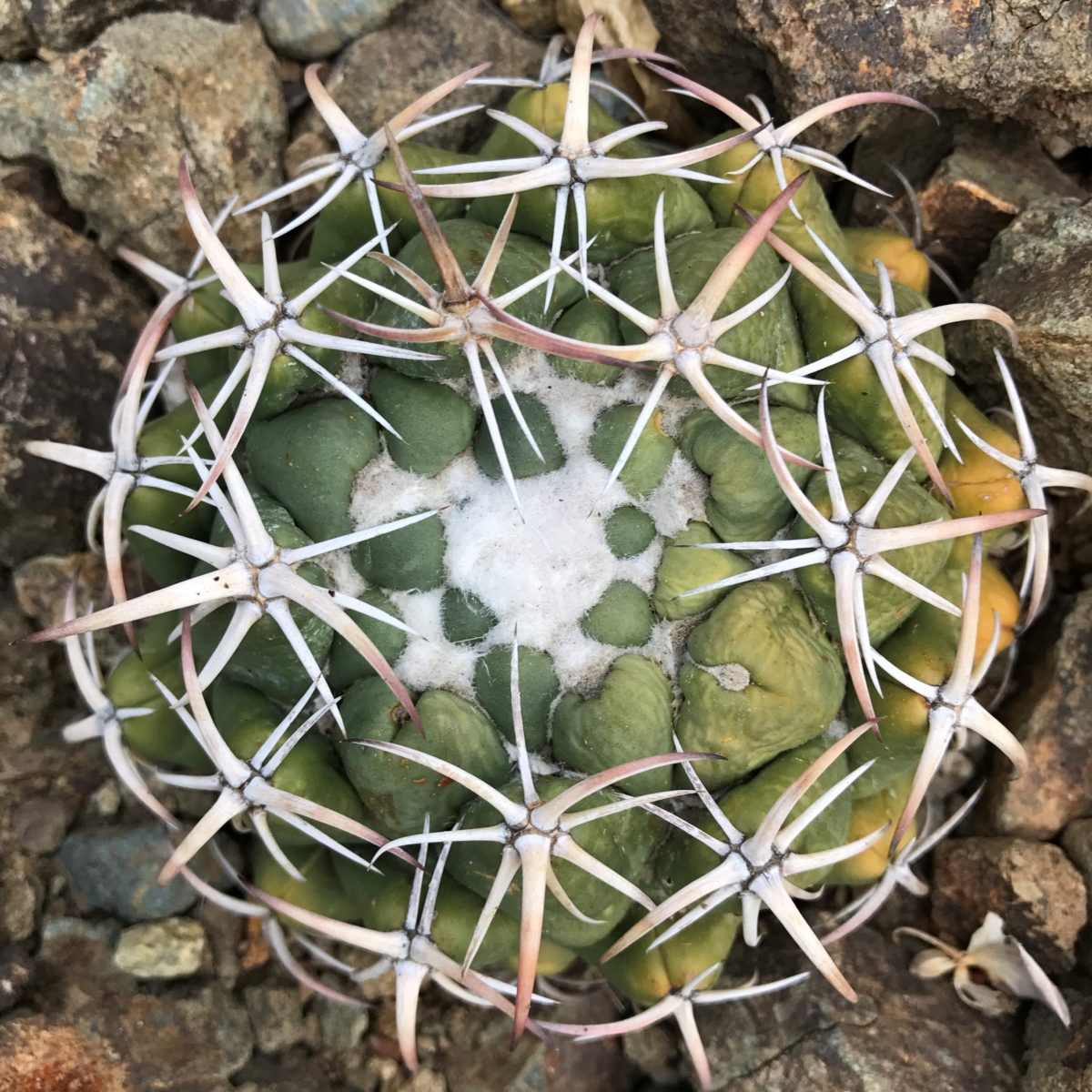
Conversely, rare genera are shrouded in mystery, often endemic to very narrow geographical ranges or microclimates. Their rarity is not simply a factor of scarcity; it is a manifestation of specialized evolutionary pathways, unique morphologies, or volatile survival needs. Some rare genera flourish only under precise conditions—perhaps only in a single mountain canyon or a secluded desert basin.
For instance, genera like Ariocarpus and Lophophora enthrall collectors and scientists alike. Their slow growth rates, unusual forms, and delicate reproductive cycles make them difficult to cultivate, protecting their mystique but also making them vulnerable to overharvesting and habitat loss.
These genera are a window into evolutionary experimentation, representing lineages that might have once been more widespread but now cling to existence in isolated refugia. In the rare cactus genera, we find the hidden gems of the succulent world — plants that compel us to rethink resilience and beauty on nature’s own nuanced terms.
Ecological Roles: Guardians of Their Niche
Both rare and common genera play indispensable yet distinct roles in their ecosystems. Common genera frequently act as ecological generalists — stabilizing soil, providing food for insects, birds, and mammals, and supporting broader biodiversity. Their widespread presence often makes them ecosystem engineers, shaping plant communities and microhabitats.
Rare genera, in contrast, may serve as ecological specialists. Their interactions with pollinators or specific mycorrhizal fungi can be deeply coevolved, often existing in a precarious balance. The loss or decline of these rare plants could ripple through the ecosystem, leading to the loss of dependent species and degraded habitats.
This ecological dichotomy underscores a crucial conservation message: rarity is not a mere label but a signpost for fragile, irreplaceable ecological complexity.
Why Does Rarity Matter to Cultivators and Collectors?
For cactus enthusiasts, the allure of rare genera goes beyond simple aesthetics. These plants represent a challenge — an invitation to engage deeply with nature’s puzzles. Cultivating a rare cactus is a journey of patience, observation, and sometimes serendipity, requiring custom soil mixes, watering regimens, and microenvironmental controls.
Meanwhile, common genera symbolize reliability and accessibility. They serve as a gateway into the world of cacti, providing instant gratification through rapid growth and flower displays. Yet, over time, many hobbyists find their passion piqued precisely by the enigma of those harder-to-grow species.
This dynamic creates an ebb and flow within the community of growers. Common genera sustain broad interest and education. Rare genera fuel the fervent pursuit of knowledge and conservation ethics.
Conservation Implications: Beyond Beauty to Survival

The distinction between rare and common genera hinges heavily on conservation priorities. Habitat destruction, illegal collection, and climate change disproportionately threaten rare cacti. Some rare genera have seen precipitous population crashes due to mining, agriculture, or urban expansion — an ominous sign that their ecological refuges are dwindling.
Conservationists emphasize protecting these vulnerable taxa both in situ (within their natural environments) and ex situ (through botanical gardens and seed banks). Raising awareness about rarity shifts perceptions, no longer viewing these plants as mere curiosities but as vital components of our planet’s biodiversity.
Common genera, while not impervious to environmental threats, often exhibit resilience due to their broad ranges and adaptive capabilities — yet monitoring remains crucial to detect early warning signals.
Looking Ahead: The Future of Cactus Appreciation
As our understanding deepens, the divide between rare and common genera beckons us toward an enriched appreciation of cacti. These plants not only tell us stories of survival and adaptation but also teach lessons about balance — between accessibility and exclusivity, abundance and delicacy, human fascination and natural preservation.
In a world increasingly detached from wild spaces, cacti offer a rare connection to ancient landscapes and evolutionary artistry. Whether common or rare, each genus invites us to see beyond the surface, urging us to marvel at life’s ingenious diversity.
By embracing this nuanced perspective, the cactus community and nature lovers alike can nurture both passion and responsibility — crafting a future where these spiny wonders endure for generations to come.
FAQ
What are the main differences between rare and common cactus genera?
Rare genera are often endemic and have specialized growth conditions, while common genera are adaptable and widely cultivated.
Why is conservation important for rare cactus genera?
Rare cacti are threatened by habitat loss and climate change, making their conservation vital for maintaining biodiversity.
FAQ
What is the difference between rare and common cactus genera?
Rare cactus genera are often endemic to specific environments and face greater conservation challenges, while common genera are widely adaptable and easier to cultivate.
Why is conservation of rare cactus species important?
Conserving rare cactus species is crucial because their loss can disrupt ecological balances and lead to the extinction of dependent species.
FAQ
What is the difference between rare and common cactus genera?
Rare cactus genera are often specialized and difficult to cultivate, while common genera are adaptable and widely available.
Why is it important to conserve rare cacti?
Conserving rare cacti is crucial for maintaining biodiversity and ecological balance, as their loss can affect entire ecosystems.





Leave a Reply