

Short Answer
In the realm of desert gardens, the Cylindropuntia cactus emerges as a living sculpture—an enigmatic sentinel that stands firm amidst the arid expanse. Often overlooked in favor of more flamboyant succulents, this genus unfolds an extraordinary narrative of resilience, architectural grace, and raw beauty that transcends the barren landscapes it epitomizes. Cylindropuntia, with its cylindrical stems adorned in fierce spines, weaves a tapestry of intrigue and rugged charm, making it an indispensable protagonist in desert landscaping. Like silent warriors of the wilderness, these plants not only survive but thrive, embodying the essence of survival through adaptation and artistry.
The Architectural Elegance of Cylindropuntia
Much like a masterfully crafted sculpture carved by the desert wind itself, Cylindropuntia boasts an architecture that commands attention in any garden design. Each segmented stem, cylindrical and robust, functions as both structure and motion within the landscape. Their spines, sometimes straight and sometimes chaotic, form a protective lattice—a mesmerizing interplay of shadow and texture when kissed by sunlight. This complexity offers a dynamic visual rhythm that invites closer admiration.
From towering specimens that resemble abstract totems to sprawling ground covers that ripple across sandy soil, Cylindropuntia introduces a sculptural quality unmatched by many desert plants. Integrating these cacti into garden designs allows landscapers to craft layers of dimension, height, and depth. Their vivid green hues, contrasted by pale, sometimes golden spines, animate the palette of a desert canvas, blending harmoniously with sunbaked earth and weathered stone.
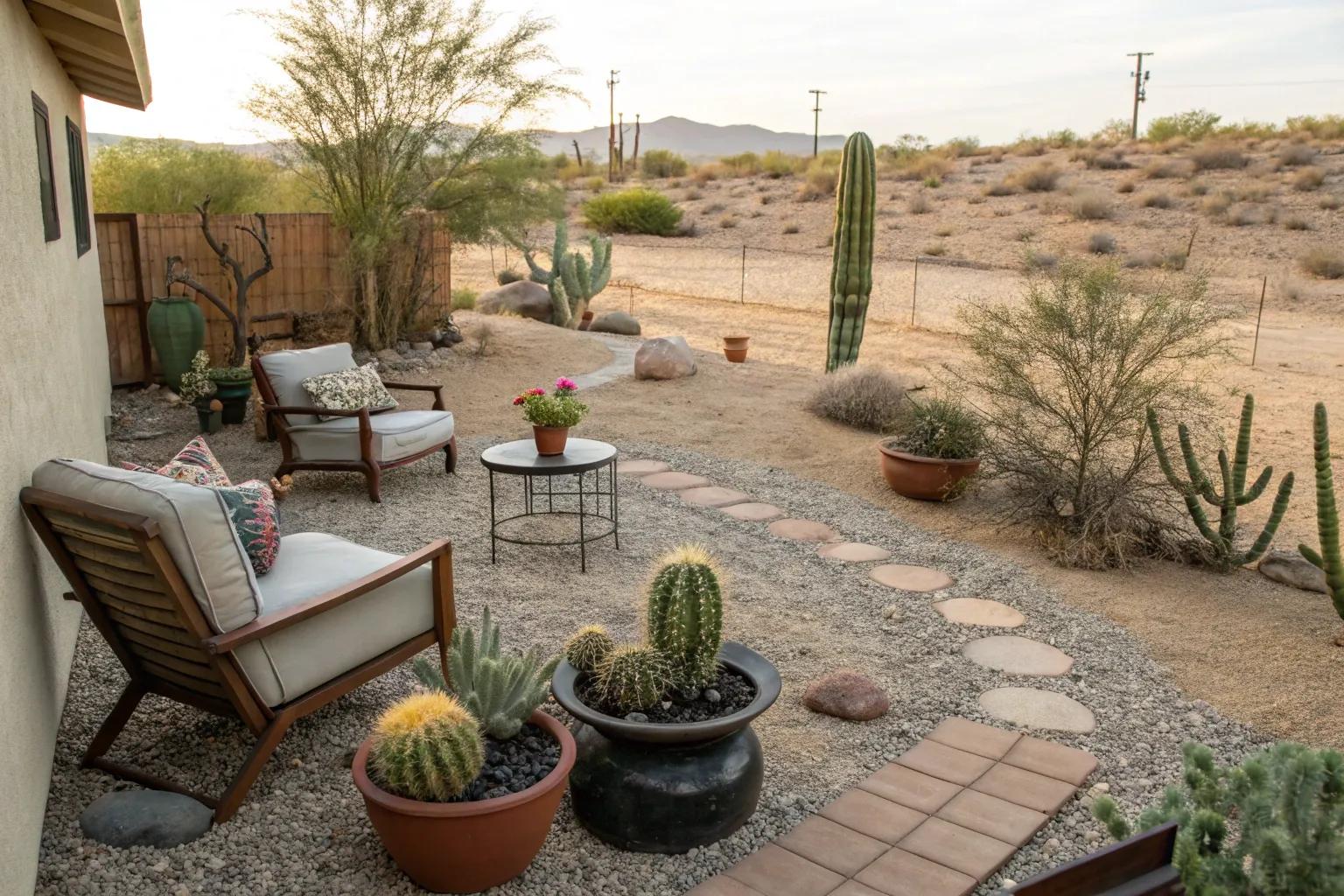
Symbolism and Metaphor in the Garden
In the vast desert theatre, Cylindropuntia emerges as a metaphor for perseverance and fortitude. Its spiny armor is a testament to the battles it endures—against relentless sun, scarce water, and marauding wildlife. This cactus does not merely exist; it narrates a tale of survival that resonates deeply within the gardener’s soul. Planting Cylindropuntia is akin to embedding a living parable into the earth—one that speaks of tenacity, defense, and adaptation.
Gardeners who choose Cylindropuntia invoke a narrative of rugged individuality and stoic elegance. It becomes more than a plant; it becomes a silent ally in the dance of life against adversity. Their unpredictable forms and thorny textures defy conformity, symbolizing the beauty found in uniqueness and resilience.
Designing with Cylindropuntia: Key Landscaping Ideas
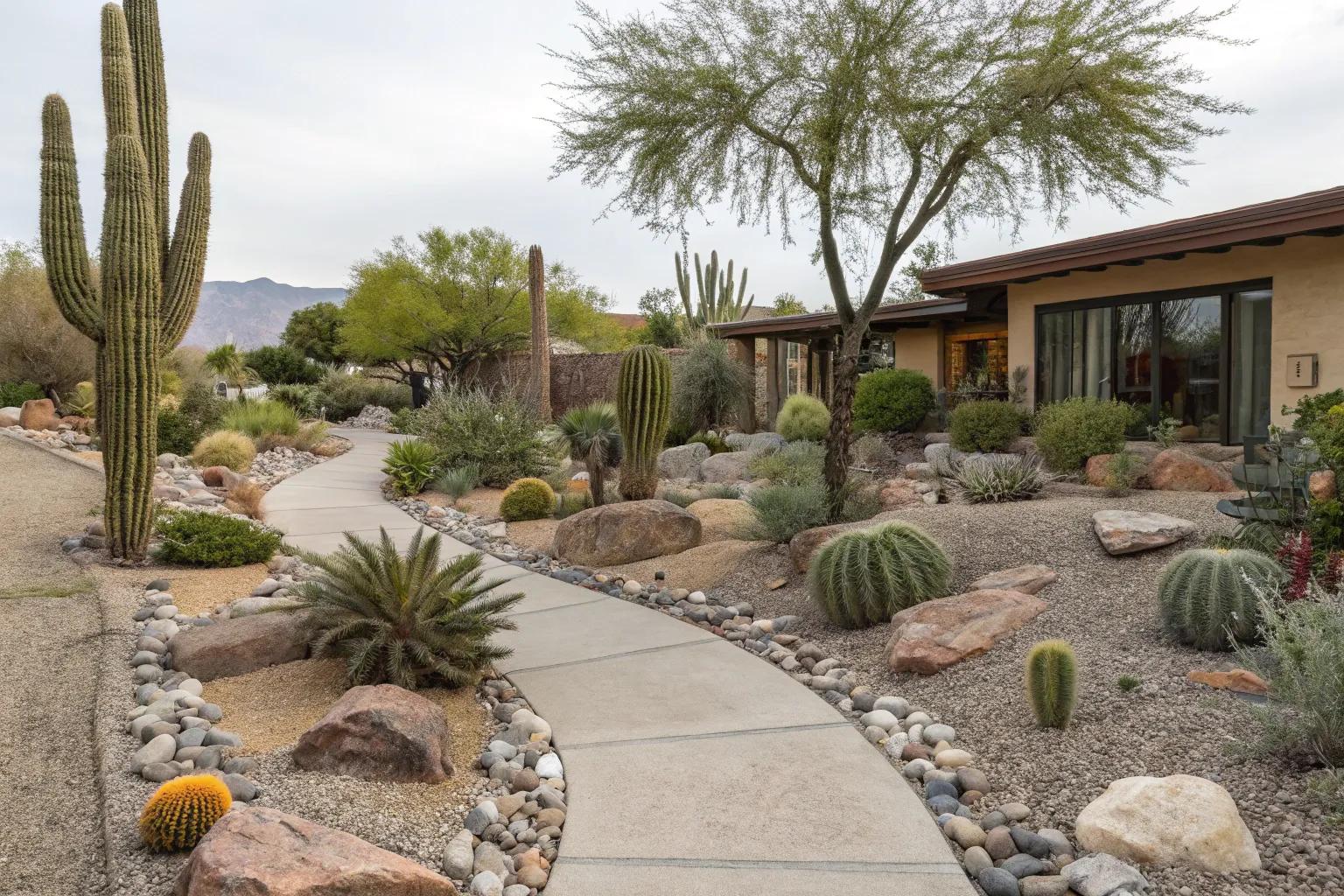
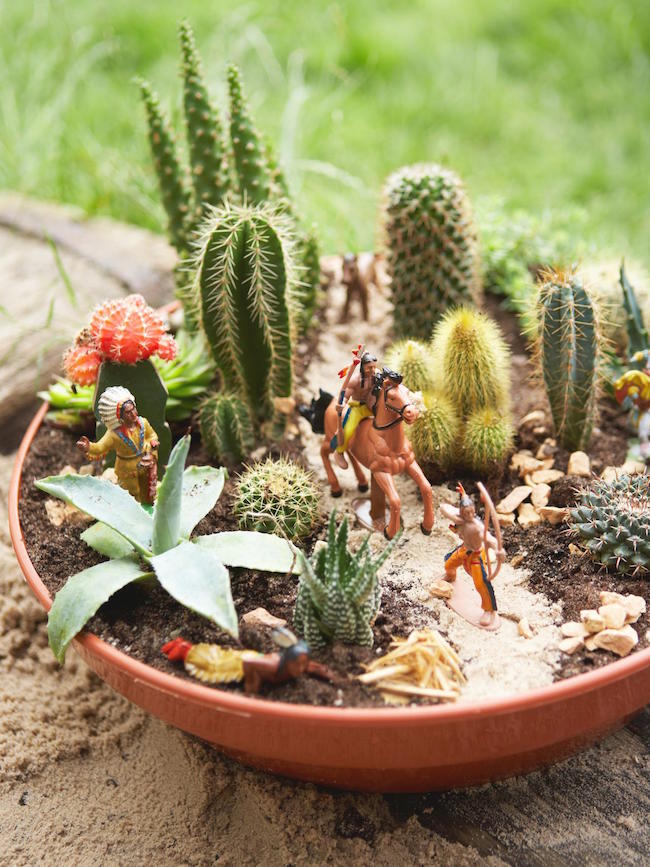
To incorporate Cylindropuntia into a desert garden demands an eye for balance and contrast. It thrives not only amidst bare sand but when juxtaposed with softer elements that lessen its starkness while amplifying its striking nature. Consider pairing it with flowing desert grasses, low-growing succulents, or even strategically placed stones that provide groundedness and variation.
Creating a focal point is effortless when using the towering varieties of Cylindropuntia. Their almost vertical stems can frame pathways or anchor garden corners, guiding visitors’ eyes upward and onward. For smaller spaces, choose compact species that form dense clumps; their intertwining segments create a living mosaic that captivates curiosity without overwhelming.
Positioning is paramount: Cylindropuntia blooms best when bestowed ample sunlight and well-drained soil. Their drought tolerance makes them viable candidates for xeriscaping, a water-wise landscaping approach essential in harsh climates. Introducing reflective surfaces like crushed quartz or metallic garden art near these cacti can heighten visual interest by bouncing light onto their armored exteriors.
Blooming Beauty: Flowers and Seasonal Highlights
Beneath their formidable exteriors, Cylindropuntia harbor a secret of unexpected delicacy: their blooms. Usually erupting in shades of golden yellow, vibrant orange, or soft pink, these flowers emerge like rare jewels on a battlefield, offering bursts of ephemeral beauty that mesmerize and reward patient observers. The blossoms provide vital resources to pollinators, stitching these plants into the broader desert ecosystem.
Seasonal flowering transforms the garden narrative—from stoic protector to fleeting muse—adding layers of sensory delight. This transient flowering phase generates a dramatic and poetic flourish, a reminder that even the toughest armor can cradle moments of vulnerability and grace. Capturing and accentuating this transformation in garden design can intensify emotional engagement with the landscape.
Maintenance and Challenges
Cultivating Cylindropuntia is an exercise in respect and understanding. Their spines, while mesmerizing, command caution during planting, pruning, and maintenance. Gloves are a gardener’s trusted companion. More than mere physical barriers, these spines protect the plant from desiccation and predation, illustrating a sophisticated evolutionary strategy.
Unlike delicate garden specimens, Cylindropuntia demand minimal watering yet benefit from occasional nourishment in the form of balanced fertilizers during growth spurts. They are adept at weathering drought, but poor drainage can lead to root rot, an Achilles heel in their otherwise stalwart constitution.
Dealing with pests such as cactus moths or scale insects requires vigilance but can be managed through integrated pest strategies that honor the plant’s native environment. Respecting these needs fosters a harmony that rewards with longevity and layered beauty.
Creative Inspirations: Beyond Traditional Landscaping
Stepping beyond the typical garden bed, Cylindropuntia lend themselves beautifully to artistic and unconventional applications. Imagine vertical garden walls studded with numerous segments—a tactile mosaic of resilience. Or envision naturalistic barriers that provide privacy without the rigidity of wooden fences, imbuing the space with primal energy and vitality.
Urban landscapes benefit from Cylindropuntia’s adaptability, offering an inviting contrast to concrete and steel. Their presence softens angular harshness with organic complexity. Integrating outdoor lighting to highlight their spiny silhouettes at dusk casts captivating shadows, turning the garden into an evolving nocturnal gallery.

Conclusion: The Enduring Allure of Cylindropuntia in Desert Gardens
In the symphony of desert landscaping, Cylindropuntia plays a melody composed of resilience, rugged artistry, and understated elegance. These cacti do not just fill space; they command it, transforming gardens into living narratives of endurance and beauty. To plant Cylindropuntia is to invite a dialogue between human creativity and the raw power of nature’s desert sentinels. Their presence inspires awe, evokes mystery, and celebrates the sublime poetry of life thriving where least expected.
FAQ
What is Cylindropuntia?
Cylindropuntia is a genus of cacti known for their cylindrical stems and resilience in arid environments.
How should I care for Cylindropuntia?
Cylindropuntia requires minimal watering and should be planted in well-drained soil with plenty of sunlight.
What are some landscaping ideas using Cylindropuntia?
Cylindropuntia can be used as focal points, in xeriscaping, or paired with softer plants for contrast.

Leave a Reply