
Short Answer
Imagine a miniature desert jewel, a botanical enigma that nestles quietly on your windowsill, its silhouette striking yet modest, whispering tales of arid landscapes far away. This is the world of Gymnocalycium, a genus of cacti known both for their whimsical charm and their resilience—often dubbed the “Chin Cacti” for their distinctive, chin-like ribs and crowned notably by the vibrant, moonlit crest of the Moon Cactus. These plants are not just succulents; they are living sculptures, thriving testament to nature’s artistry and a gardener’s patience. Growing these fascinating specimens is like nurturing a secret universe where each spine and bloom tells a story of survival and subtle beauty.
Understanding the Unique Morphology of Gymnocalycium
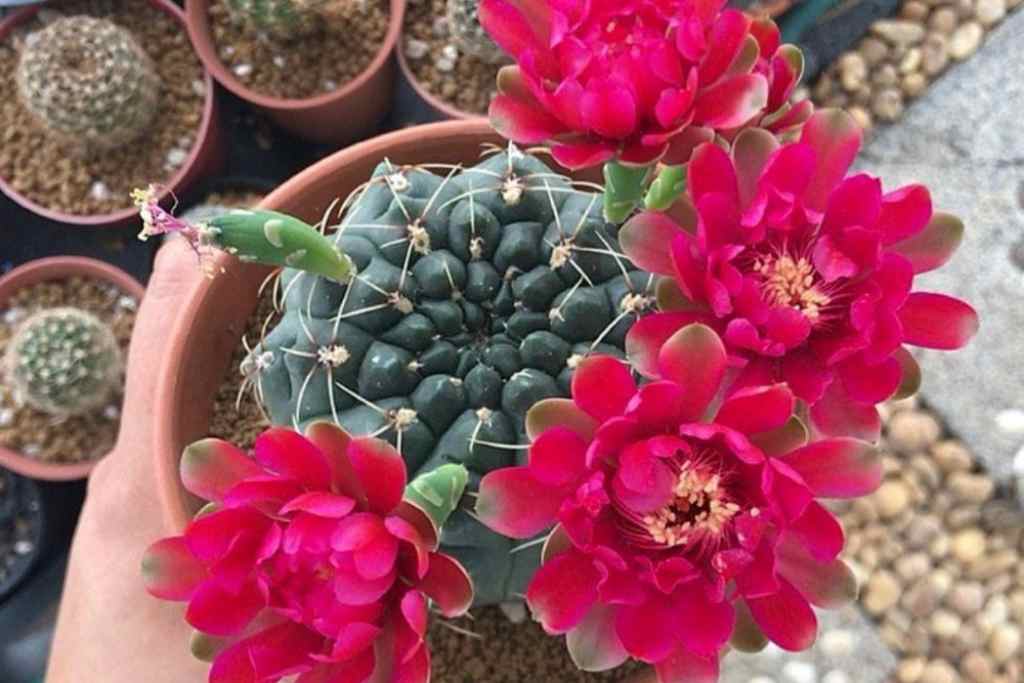
Gymnocalycium cacti are a sculptor’s dream—rounded globes, ribbed chins, and spines arranged with geometrical precision reminiscent of ancient motifs carved in stone. The name itself, stemming from Greek meaning “naked calyx,” refers to the plant’s distinctive floral anatomy, which lacks the typical hair or spines that commonly garnish other cactus flowers. This bare elegance gives way to spectacular blossoms, often vibrant with shades of pink, white, or red, that unfold like delicate celestial fireworks against the cactus’s sturdy form.
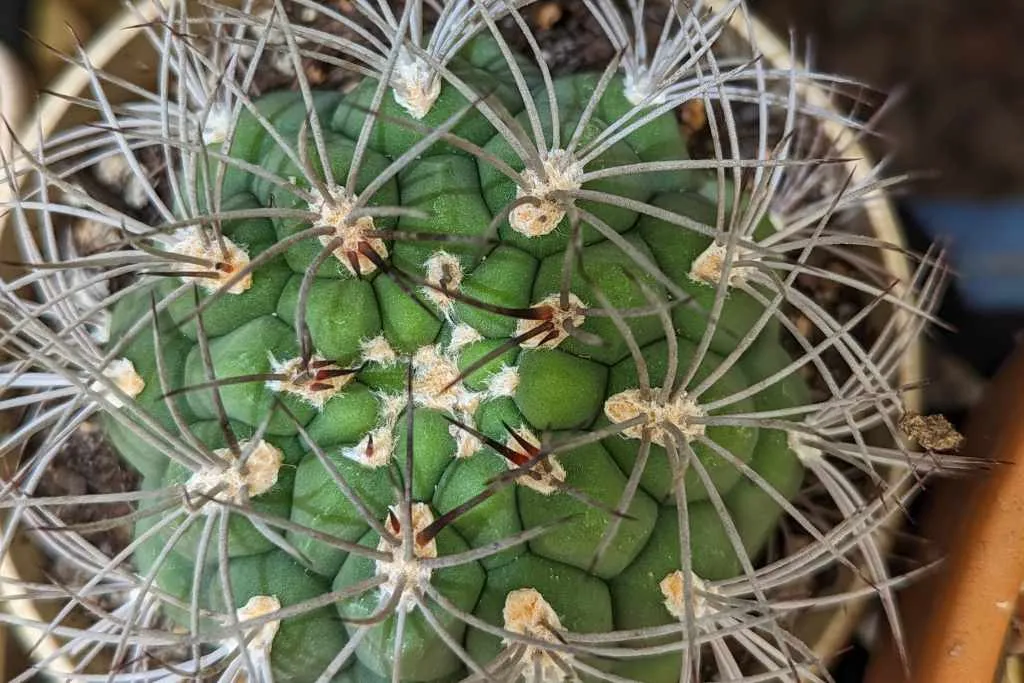
The so-called ‘Chin Cactus’—noted for the pronounced “chin-like” protuberances on its ribs—possesses an architectural grace that is simultaneously brusque and refined. Their medium size and forgiving nature make them perfect for indoor cultivation, echoing an ancient desert’s spirit within the confines of modern homes.
Captivating Beauty: The Magical ‘Moon Cactus’
Perhaps the most arresting spectacle in the Gymnocalycium family is the Moon Cactus, scientifically known as Gymnocalycium mihanovichii. Picture a tropical sunset fused into a living form—a grafted constellation of neon reds, yellows, and oranges perched atop a verdant green base. This chimeric marvel is born from a fascinating biological partnership: a colorful Gymnocalycium mutant grafted onto a hardy rootstock, allowing it to thrive without the ability to photosynthesize on its own.
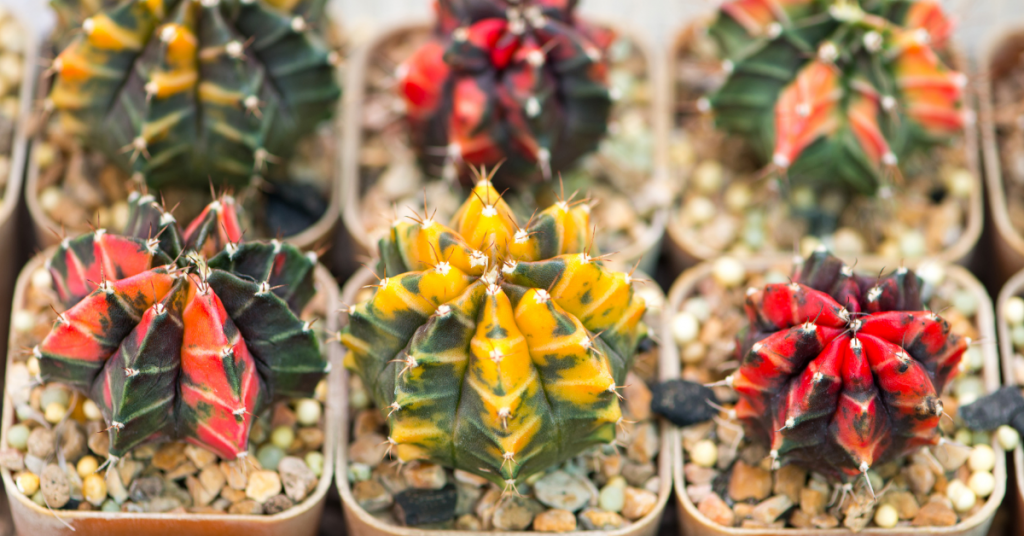
Its appeal lies not only in its flamboyant hues but also in the story of symbiosis it represents—a botanical duet where survival and aesthetics intertwine. Owning a Moon Cactus is like possessing a tiny tropical comet, a beacon of vibrancy that defies the typical green palette of most plants.
Lighting: The Sun-Dappled Stage
Lighting is the stage upon which the drama of Gymnocalycium growth unfolds. These cacti crave bright, indirect sunlight—enough to coax their colors to vibrancy and stimulate flowering, but shielded from the harsh hammer of direct, scorching rays that can scorch their delicate skins. Imagine the dappled light under a desert acacia tree; this interplay of shade and sun is their ideal environment.
Too little light blunts their vivid pigmentation and stunt their blooming potential, while too much exacts a toll through photodamage and desiccation. An east or west-facing window is often the perfect portal, bathing these cacti in gentle morning or late afternoon glow.
Watering: The Balancing Act of Thirst and Drought
In the realm of Gymnocalycium care, watering is a nuanced choreography—a balancing act between desert drought and sudden rainstorm. These succulents embody a paradox: they require moisture to flourish but are precariously vulnerable to overwatering. The mantra is clear: when in doubt, wait.
During the active growing season, typically spring to early fall, watering should be moderate and infrequent, allowing the soil surface to dry out completely between sessions. In winter, these cacti retreat into a dormant phase, necessitating a quiescent period of minimal watering—just enough to prevent shriveling.
Imbibing from waterlogged soil invites root rot with a sinister persistence; the roots must breathe, clinging to well-drained, gritty substrates that mimic their sunbaked native terrains.
Soil and Potting: Crafting a Desert Bed
Selecting the right soil is akin to laying the foundation for a desert palace. Gymnocalycium cacti demand a substrate that offers both drainage and aeration—grunt work that preserves root vitality and prevents stagnation.
A carefully crafted blend of cactus mix, infused with coarse sand, pumice, or perlite, crafts an ideal medium. This combination ensures rapid drainage while retaining enough moisture to feed the succulent roots between waterings.
Potting containers with abundant drainage holes are indispensable. Terracotta pots stand out not only for their porous qualities but also for their rustic charm, echoing the arid landscapes where these cacti originate.
Temperature and Humidity: Emulating Natural Extremes
Gymnocalycium species are born from climates where days blaze with warmth and nights embrace cool serenity. They thrive best in temperatures ranging between 70°F to 85°F during the growing season, descending to a cooler 50°F to 60°F during dormancy.
Relative humidity should remain low, reflecting their natural desert home. High humidity spells peril, inviting fungal diseases and rot. In winter, protecting them from chilling drafts and sudden temperature drops is crucial, as their tolerance for frost is minimal.
Feeding and Fertilization: Fueling Vibrancy
Though resilient, Gymnocalycium cacti benefit immensely from periodic nourishment. Feeding with a diluted, balanced cactus fertilizer during the growing months supports robust growth and luminous blooms. Such feeding should be sparing; these plants evolved in nutrient-poor soils and overfeeding can burn roots or induce unwieldy, weak growth.
Fertilize approximately once a month from spring through early fall, halting in winter when the plants enter dormancy to simulate natural nutrient cycles.
Propagation and Growth: Extending the Family
Propagation is a magical act—extending the lineage of these desert gems. Gymnocalycium are most commonly propagated through seeds or grafting. Seed propagation is a patient craft, requiring sterile conditions and consistent warmth to coax the tiny embryos to sprout.
Grafting, especially popular with Moon Cacti, involves uniting the colorful top with a sturdy rootstock, a technique that demands precision but yields striking results. Offsets or pups can occasionally be separated from the mother plant, provided they have sufficient roots to survive their new independent existence.
Pests and Problems: Guardian Strategies
Although hardy, Gymnocalycium are not immune from pests and maladies. Mealybugs, spider mites, and scale insects often attempt to invade these succulent bastions, attracted by their juices. Vigilant inspection and immediate removal using cotton swabs dipped in alcohol or insecticidal soap can prevent infestations from gaining ground.
Root rot remains the stealthiest adversary, creeping in through overwatering or poor drainage. Early detection by observing the plant’s firmness and color is key; a squishy, discolored cactus signals a crisis.
The Enigmatic Allure of Gymnocalycium
From the button-like symmetry of the Chin Cactus ribbing to the radiant, almost otherworldly, neon crowns of the Moon Cactus, these plants are more than mere decoration—they are living metaphors for endurance, beauty, and partnership. Their growth journey challenges and rewards, transforming everyday spaces into miniature arid landscapes teeming with life and color.
With mindful care, anyone can cultivate these botanical treasures, birthing a quiet spectacle of nature’s impeccable design—where each cactus stands as a tiny solar system, orbiting light and shadow, thirst and rain, resilience and bloom.
Leave a Reply