
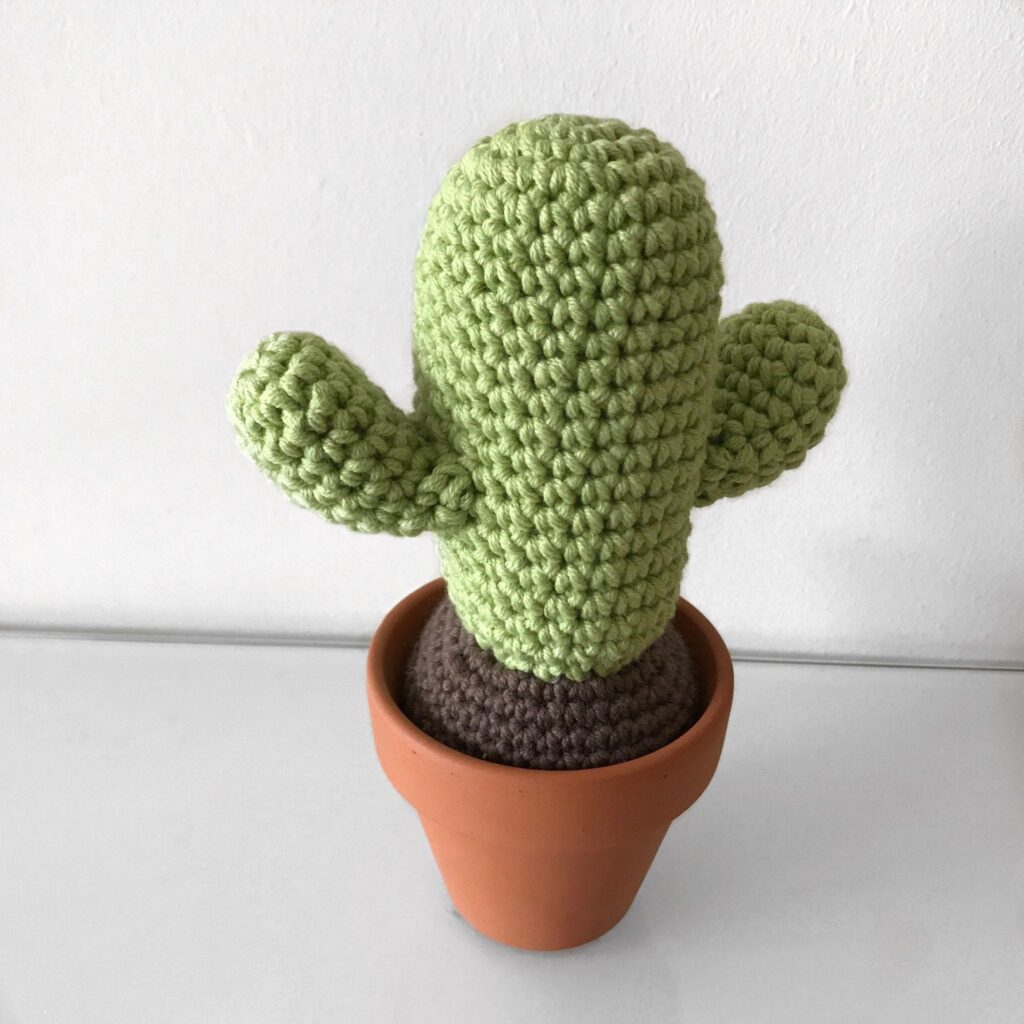
Short Answer
Ever stared at a blank skein of yarn and wondered, What if I turn this into something prickly, cheerful, and utterly unkillable? Meet the crochet cactus—a whimsical rebellion against both plant-killing tendencies and the monotony of traditional knitwear. These spiky darlings don’t wilt under neglect, they don’t demand sunlight, and best of all, they never ask you to water them. But here’s the twist: crafting one isn’t just about stitching green yarn into a desert illusion. It’s about bending the rules of fiber art to create something that’s equal parts cozy and cheeky. Ready to stitch your way into a world where yarn meets desert chic? Let’s dive in.
The Allure of the Artisanal Cactus: Why Stitch When You Can Grow?
In an era where houseplants have become the ultimate status symbol—each fiddle-leaf fig a flex, every monstera a flex—crochet cacti offer a delightful paradox. They’re plants you can actually keep alive, for one. But more importantly, they’re a sly commentary on our obsession with curated greenery. Why settle for a real cactus when you can have one that won’t stab you when you forget to water it? Or worse, one that won’t die because you accidentally drowned it in your enthusiasm?
Beyond their low-maintenance charm, these fiber-based succulents are a canvas for creativity. Want a neon-pink prickly pear? Go for it. Craving a cactus with googly eyes? The yarn is your oyster. They’re the perfect project for when you’re craving something playful yet practical—a way to indulge your crafty side without sacrificing your sanity (or your windowsill real estate). And let’s not forget the sheer joy of gifting a cactus that won’t leave your best friend’s cat traumatized.
Choosing Your Arsenal: Yarn, Hooks, and a Dash of Audacity
Before you embark on your cactus-making odyssey, you’ll need to assemble your tools with the precision of a desert botanist. The yarn, of course, is the star of the show. For authenticity, opt for worsted-weight cotton or acrylic yarn in shades of green, but don’t be afraid to play with texture—think fuzzy yarn for a “desert bloom” effect or variegated hues for a sun-bleached look. Pro tip: If you’re feeling rebellious, a chunky yarn will yield a cactus with personality-plus, while a delicate thread can create a miniature masterpiece worthy of a dollhouse.
Your hook size matters too. A 3.5mm to 5mm hook is ideal for most patterns, but if you’re aiming for a plush, oversized cactus, don’t hesitate to go bigger. And here’s a secret weapon: stitch markers. These tiny helpers will save you from the existential dread of losing your place mid-round, especially when you’re tackling the dreaded “increase-decrease tango” that gives cacti their iconic silhouette.
Don’t overlook the stuffing, either. Polyester fiberfill is the unsung hero of the crochet world, but for a cactus with a bit more oomph, consider blending it with a touch of wool roving for a denser, more organic feel. And if you’re feeling particularly adventurous, a wire core (like floral wire) can help your cactus hold a pose—because who says plants can’t strike a pose?
Pattern Play: From Simple Spheres to Spiky Showstoppers
Not all cacti are created equal, and neither are their patterns. For beginners, start with the humble sphere: a basic amigurumi-style cactus that’s as forgiving as it is adorable. Work in continuous rounds, stuff lightly, and finish with a few strategically placed stitches to mimic the ribs of a real cactus. Add a touch of embroidery for the areoles (those little bumpy spots where spines grow), and voila—you’ve got a cactus that’s 90% yarn and 100% charm.
For those ready to level up, try a layered cactus with distinct “pads” (the flat, oval sections of a prickly pear). This requires a bit of shaping finesse—think of it as sculpting with yarn. Use increases and decreases to create the illusion of overlapping pads, then secure them with a whipstitch or slip stitch. The result? A cactus that looks like it just wandered in from the Sonoran Desert, complete with a side of sass.
Feeling bold? Experiment with colorwork. A gradient yarn can mimic the subtle shifts of a cactus baking in the sun, while bold stripes can turn your creation into a neon desert beacon. And if you’re really pushing boundaries, try incorporating beads or sequins into the spines for a cactus that sparkles like a mirage.
The Spine of the Matter: Adding Texture and Personality
A cactus without spines is like a joke without a punchline—it just doesn’t land. The spines are where your creativity can truly shine. For a classic look, use embroidery floss or thin yarn to stitch individual spines in a radial pattern around each areole. Space them unevenly for a natural effect, or cluster them tightly for a more dramatic look. Alternatively, try the “loop stitch” method: pull up loops of yarn as you stitch, then trim them to varying lengths for a wild, untamed appearance.
But why stop at spines? Give your cactus a face. A few strategically placed French knots can become eyes, while a curved stitch can form a cheeky little smirk. Add blush with a dab of fabric paint, or glue on tiny faux flowers for a cactus in full bloom. The possibilities are as endless as the desert sky.
And let’s not forget the pot. A crocheted or knitted “pot” can elevate your cactus from charming to chic. Use a simple cylinder pattern, then line it with felt or fabric to hide the seams. For extra flair, add a crocheted “soil” layer at the top—just a few rows of brown yarn to mimic the earth. It’s the little details that turn a project into a statement piece.
The Ultimate Test: Can Your Cactus Hold a Pose?
Here’s where things get interesting. A traditional crochet cactus is a static creature, but what if you want yours to move? Enter the poseable cactus. By inserting a wire core into the stem and wrapping it in yarn, you can create a cactus that bends, twists, and even lounges. This technique is a game-changer for photographers, gift-givers, or anyone who wants their cactus to strike a pose worthy of a desert diva.
To achieve this, start with a wire armature—thicker wire for the base, thinner for the spines. Wrap the wire in yarn, securing it with stitches as you go, then crochet over it to create the body. The wire allows you to shape the cactus after it’s complete, so you can bend the stem into a graceful arc or prop it against a book for a “resting” effect. Just be warned: once you start playing with poseable cacti, you may never go back to static ones again.
Finishing Touches: The Art of the Unkillable Plant
Your cactus is nearly complete, but the final steps are where the magic happens. First, weave in all your ends with the precision of a surgeon—no one wants to see a rogue tail peeking out like a desert weed. Then, give your cactus a good fluff. Use a toothpick or small scissors to separate the stitches and bring the spines to life. A light brushing with a pet slicker brush can add a fuzzy texture, perfect for mimicking the soft spines of a young cactus.
Finally, consider the presentation. A cactus on a shelf is lovely, but a cactus in a handmade terrarium? That’s next-level. Line a glass jar with moss, add a layer of sand, and nestle your cactus inside for a miniature desert diorama. Or, if you’re feeling extra, create a whole “garden” of cacti in varying sizes and styles. The key is to let your cactus shine in a setting that complements its personality—whether that’s whimsical, rustic, or downright avant-garde.
Beyond the Basics: When Yarn Meets the Wild West
Once you’ve mastered the art of the crochet cactus, the world is your oyster—or rather, your prickly pear. Why not design a collection of cacti inspired by different regions? A saguaro with towering arms for the Southwest, a tiny bunny-ear cactus for the Chihuahuan Desert, or a cluster of barrel cacti for a Mojave-inspired vignette. Each design can tell a story, whether it’s a tribute to a favorite vacation spot or a playful nod to the resilience of desert flora.
You could also explore mixed-media techniques. Incorporate embroidery, beads, or even polymer clay into your designs to create cacti that are part fiber art, part sculpture. Or, challenge yourself to crochet a cactus from recycled materials—think plastic bags turned into “yarn” or old sweaters unraveled for their fibers. The goal isn’t just to make a cactus; it’s to reimagine what a cactus can be.
And let’s not forget the community aspect. Share your creations online, join a crochet-along, or host a “desert-themed” craft night. The crochet cactus community is a vibrant one, filled with makers who are just as passionate about their spiky creations as you are. Who knows? Your next cactus might just inspire someone else to pick up a hook and join the fiber-based flora revolution.
FAQ
What materials do I need to crochet a cactus?
You will need worsted-weight cotton or acrylic yarn, a crochet hook (3.5mm to 5mm), stuffing, and optionally, stitch markers and floral wire for poseable designs.
Are crochet cacti easy to make for beginners?
Yes, starting with a simple sphere pattern is a great way for beginners to practice basic amigurumi techniques.
How can I customize my crochet cactus?
You can use different yarn colors, textures, and embellishments like beads or faux flowers to personalize your cactus.
FAQ
What materials do I need to crochet a cactus?
You will need yarn (preferably worsted-weight cotton or acrylic), a crochet hook (3.5mm to 5mm), stuffing, and optionally stitch markers and floral wire for poseable cacti.
Can I customize the color of my crochet cactus?
Absolutely! You can use any color yarn you like, including neon shades or variegated options, to create a unique cactus.
How do I add texture to my crochet cactus?
You can add texture by using different stitch techniques for the spines, such as embroidery floss or loop stitches, and by incorporating embellishments like beads.
FAQ
What materials do I need to crochet a cactus?
You need worsted-weight cotton or acrylic yarn, a 3.5mm to 5mm crochet hook, stuffing, and optionally, a wire core for poseability.
Can I customize my crochet cactus?
Absolutely! You can use different yarn colors, textures, and even add embellishments like googly eyes or sequins.
FAQ
What materials do I need to crochet a cactus?
You will need yarn (preferably cotton or acrylic), a crochet hook (size 3.5mm to 5mm), stuffing, and optional items like stitch markers and wire for poseable cacti.
Are there patterns for beginners?
Yes, beginners can start with simple sphere patterns that are easy to follow and forgiving.
How do I add texture to my crochet cactus?
You can add texture by stitching individual spines, using different yarn types, or incorporating decorative elements like beads.
FAQ
What materials do I need to crochet a cactus?
You’ll need yarn, crochet hooks, stuffing, and optionally, wire for poseability.
Are crocheted cacti easy to make for beginners?
Yes, starting with simple patterns like spheres can make it accessible for beginners.
What types of yarn are best for crafting a cactus?
Worsted-weight cotton or acrylic yarn in various colors is recommended for authenticity and creativity.
FAQ
What materials do I need to crochet a cactus?
You’ll need yarn, a crochet hook, stuffing, and optional items like stitch markers and wire for poseable cacti.
Are crochet cacti difficult to make?
Crochet cacti can be beginner-friendly, especially with basic patterns, but there are also advanced designs for experienced crafters.



Leave a Reply