
Short Answer
Picture this: a cactus, that stoic sentinel of the desert, standing tall and unyielding under the relentless gaze of the sun. It’s a scene we romanticize—hardy, sun-kissed, and thriving in its natural habitat. But what if I told you that not all cacti are born with the innate ability to bask in the full fury of the midday sun? What if the very plants we admire for their resilience could, in fact, suffer the same fate as our fair-weathered skin—sunburn? The truth is, acclimating cacti to outdoor sunlight is an art as much as it is a science, a delicate dance between nurturing their hardiness and respecting their limits. Let’s embark on a journey to uncover the secrets of this transformation, where patience and precision become the gardener’s most trusted allies.
The Perilous Myth of Instant Sun-Kissed Cacti
There’s a pervasive misconception that cacti, with their spiny armor and sun-baked reputations, can be tossed into the garden and left to fend for themselves under the blazing sun. This couldn’t be further from the truth. Just as a pale-skinned human would wilt under sudden exposure to the equator’s rays, a cactus unaccustomed to direct sunlight can suffer severe damage—bleached patches, softened spines, and even irreversible scarring. The key lies in understanding that these desert dwellers, while resilient, are not invincible. Their ability to thrive in arid, sun-drenched environments is the result of a slow, evolutionary acclimation process, one that we must replicate in our own gardens.
Consider the saguaro, that iconic giant of the Sonoran Desert. Its towering presence is a testament to decades of gradual adaptation, where each year of its life hardens its exterior against the sun’s wrath. We cannot rush this process. Instead, we must mimic nature’s rhythm, allowing our cacti to build their own armor, one sunbeam at a time.
Decoding the Sunburn Spectrum: From Subtle to Severe
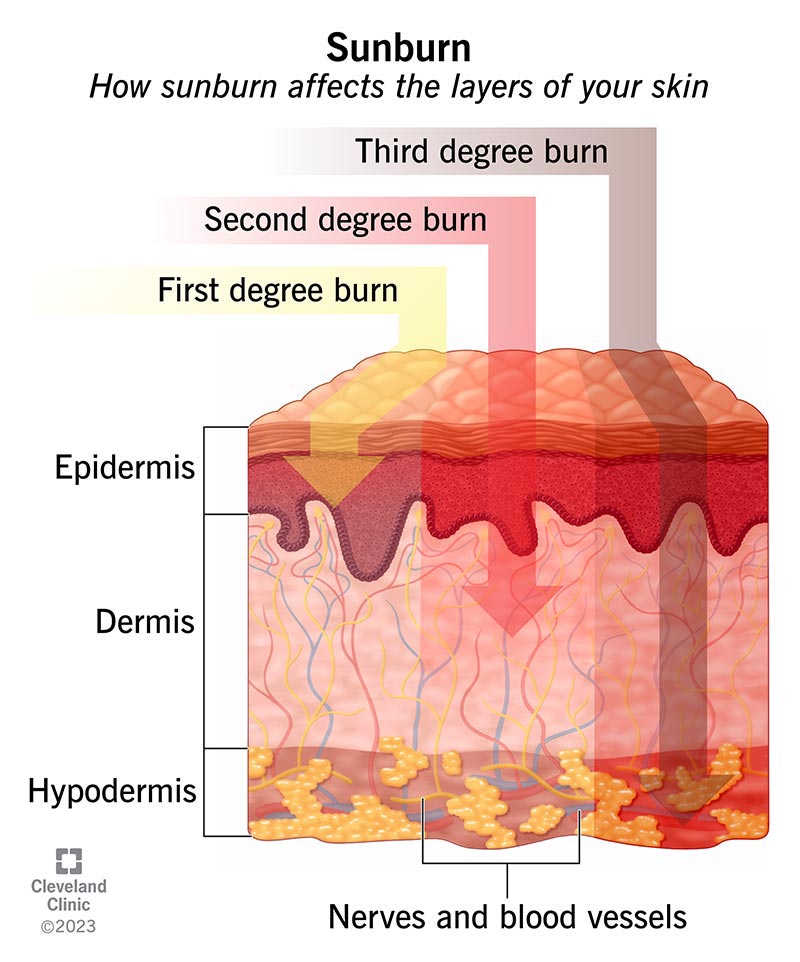
Sunburn in cacti isn’t a binary event—it’s a spectrum of damage that unfolds in stages. The first sign is often a subtle bleaching of the skin, a loss of vibrancy that signals the chlorophyll beneath is being overwhelmed. This is followed by a softening of the plant’s structure, where the once-firm flesh becomes spongy to the touch. In severe cases, the damage manifests as dark, necrotic patches—irreversible wounds that mar the cactus’s appearance and compromise its health. But here’s the twist: these symptoms don’t always appear immediately. Sometimes, the damage is latent, lurking beneath the surface, only to reveal itself days or even weeks later when the cactus is already in distress.
To avoid this silent sabotage, we must become detectives of the desert, observing our cacti with the same scrutiny as a seasoned botanist. Watch for changes in color, texture, and growth patterns. Is the cactus stretching unnaturally toward the light? Are its ribs expanding in an attempt to increase surface area? These are distress signals, cries for help that demand our immediate intervention.
The Art of Gradual Acclimation: A Step-by-Step Blueprint
Acclimating a cactus to outdoor sunlight is not a sprint; it’s a marathon with carefully measured milestones. The process begins indoors, where the cactus is shielded from the sun’s most intense rays. Start by placing it in a spot that receives bright, indirect light—perhaps a south-facing windowsill or under the dappled shade of a tree. For the first week, limit exposure to just a few hours of morning or late afternoon sun, avoiding the brutal midday hours entirely. As the cactus begins to show signs of adaptation—such as a slight darkening of its skin or a reduction in etiolation—you can gradually increase its sunbathing sessions.
After two weeks, introduce it to partial outdoor shade, where it can bask in filtered sunlight without the risk of scorching. This is where the real magic happens. The cactus’s epidermis thickens, its spines darken, and its overall structure becomes more robust. By the third week, you can transition it to a spot with direct morning sun, still avoiding the afternoon’s peak intensity. Only after a full month of this meticulous conditioning should you consider exposing it to the full brunt of the midday sun. And even then, monitor it closely, ready to retreat it to shade at the first sign of distress.
The Role of Microclimates: Crafting the Perfect Sun Sanctuary
Not all outdoor spaces are created equal, and neither are all cacti. The environment in which your cactus resides plays a pivotal role in its ability to acclimate. A south-facing wall, for instance, can act as a solar oven, baking your cactus in temperatures that exceed its tolerance. Conversely, a spot with dappled shade from a deciduous tree can provide the perfect balance of light and protection. Consider the following microclimates when selecting a home for your cactus:
- Morning Sun, Afternoon Shade: Ideal for most cacti, this setup mimics the natural conditions of many desert regions, where the sun’s intensity peaks in the afternoon.
- Bright Indirect Light: Perfect for delicate species like the Mammillaria or Gymnocalycium, which prefer a gentler approach to sun exposure.
- Reflective Surfaces: Be cautious of walls or fences that reflect sunlight, as they can amplify the sun’s rays and cause unexpected burns.
- Wind Protection: While cacti love fresh air, strong winds can desiccate their tissues, leaving them vulnerable to sun damage. A sheltered spot ensures they retain moisture while soaking up the sun.
By tailoring the environment to your cactus’s needs, you’re not just placing it in the sun—you’re crafting a sanctuary where it can thrive.
Hydration: The Unsung Hero of Sun-Resilient Cacti
Water is the lifeblood of any plant, but for a cactus transitioning to outdoor sunlight, it’s the difference between resilience and ruin. Many gardeners make the mistake of overwatering during acclimation, believing that a well-hydrated cactus is a protected one. In reality, excess moisture softens the plant’s tissues, making it more susceptible to sunburn. The key is to strike a balance—water deeply but infrequently, allowing the soil to dry out completely between waterings. This encourages the cactus to develop a robust root system, which in turn supports its ability to withstand the sun’s intensity.
Think of hydration as the cactus’s internal sunscreen. When properly hydrated, the plant’s cells remain plump and resilient, better able to deflect the sun’s harmful rays. But when dehydrated, the cells shrivel, leaving the cactus’s skin vulnerable to cracking and burning. So, before you expose your cactus to the great outdoors, ensure it’s well-hydrated—but not waterlogged. Your future sun-kissed cactus will thank you.
Spotting and Treating Sunburn: The Gardener’s First Aid Kit
Even with the most meticulous acclimation process, sunburn can still occur. The first step in treatment is recognizing the signs early. Mild sunburn may present as a slight yellowing or reddening of the skin, while more severe cases can result in white, papery patches or dark, mushy lesions. If you notice these symptoms, act swiftly to prevent further damage. Move the cactus to a shaded area immediately, and avoid watering it until the affected tissue has dried out. In extreme cases, you may need to prune the damaged sections to prevent the spread of rot or infection.
For cacti with extensive sunburn, consider applying a diluted solution of hydrogen peroxide to the affected areas. This can help disinfect the wounds and promote healing. However, prevention is always better than cure. By closely monitoring your cactus’s progress and adjusting its sun exposure as needed, you can minimize the risk of sunburn altogether.
The Reward: A Cactus That Stands Tall and Proud
There’s a profound satisfaction in watching a cactus transform from a delicate indoor specimen to a sun-hardened titan of the garden. It’s a testament to the power of patience, observation, and a deep understanding of nature’s rhythms. When done correctly, acclimating a cactus to outdoor sunlight is not just about avoiding sunburn—it’s about unlocking its full potential. A well-acclimated cactus will grow faster, flower more abundantly, and exude a vitality that’s impossible to replicate in a sheltered environment.
So, the next time you gaze upon a cactus standing defiantly against the sun, remember: it wasn’t born that way. It was forged through time, trial, and the careful guidance of a gardener who understood the art of acclimation. And now, with the knowledge you’ve gained, you too can cultivate a cactus that thrives—not just survives—in the great outdoors.
FAQ
How long should I acclimate my cactus to the outdoors?
The acclimation process should take about one month, gradually increasing sun exposure.
What are the signs of sunburn in cacti?
Signs include bleaching, softening, and dark patches on the cactus.
How can I prevent sunburn in my cactus?
Gradually acclimate your cactus to sunlight and monitor for distress signals.
Leave a Reply