
Short Answer
Have you ever wondered why some Hatiora plants burst into vibrant, joyous blooms while others seem to sulk in quiet green tones year after year? Achieving a spectacular floral display from these enchanting epiphytes sometimes feels like coaxing a secret from a shy friend. But what if there were subtle tricks and conditions that could unlock the fullest floral potential of your Hatiora? Let’s embark on a verdant journey to uncover how to cultivate Hatiora flowering with confidence and flair.
Understanding the Enigmatic Nature of Hatiora
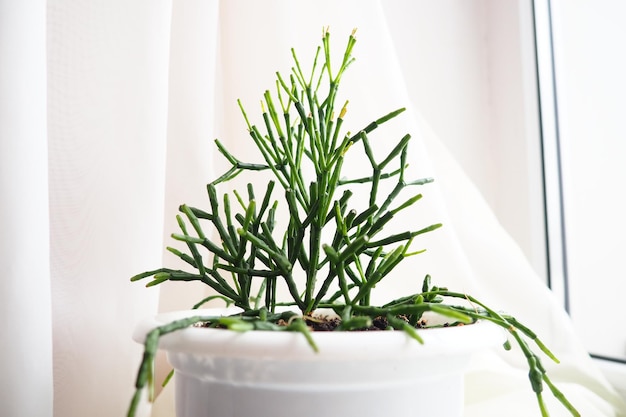
Hatiora, often cloaked under colloquial names like “dancing bones” or “drunkard’s dream,” belongs to the fascinating family of epiphytic cacti that originated in the misty rainforests of Brazil. Unlike their desert-dwelling cousins, these plants thrive in humid, shaded environments where direct sun becomes an adversary rather than an ally. Their segmented stems undulate with a rhythm that captures the eye, but it is their blooms—delicate, funnel-shaped flowers in hues of pink, yellow, orange, or red—that truly captivate the heart.
So why does this tropical charmer sometimes refuse to flower? The answer lies in understanding its intrinsic ecological needs and recreating those conditions with mindful precision.
Mastering the Light Dance: Balancing Brightness and Shadow
Light is the heart of photosynthesis, but it can also be the clandestine saboteur of your Hatiora’s blooming efforts. These plants flourish in bright yet indirect sunlight, the kind that filters gently through leafy canopies rather than piercing harsh beams. Too little light, and the plant stagnates—its vigor diminishes, and flower buds fail to form. Too much, and the foliage curls, burnished by ultraviolet assault.
An ideal spot for your Hatiora might be an east-facing window or a shaded veranda where the sun’s rays play hide and seek.

The Crucial Role of Temperature: Mimicking the Tropics
Hatiora plants are connoisseurs of warmth but not extremes. Their tropical lineage demands temperate conditions ranging ideally from 60°F to 75°F (15°C to 24°C). When winter approaches, however, these plants benefit immensely from a cooler resting phase, with temperatures dipping to around 50°F (10°C). This chill period signals the plant to transition into its flowering phase. Without this subtle temperature cue, your Hatiora might stubbornly remain in a vegetative state.
The challenge lies in balancing indoor heat during colder months while providing that vital refreshing coolness. A cool windowsill, or briefly relocating the plant outdoors in a frost-free zone, can provide this seasonal nudge toward blooming.
Watering Wisdom: Hydration Without Havoc
Watering your Hatiora requires a nuanced touch—too much moisture and the roots drown in despair; too little and the plant wilts in silent protest. During the active growing season from spring to early fall, watering should be generous but allowing the topsoil to dry moderately between sessions. Come autumn and winter, reduce watering significantly, as the plant enters dormancy and its water needs diminish.
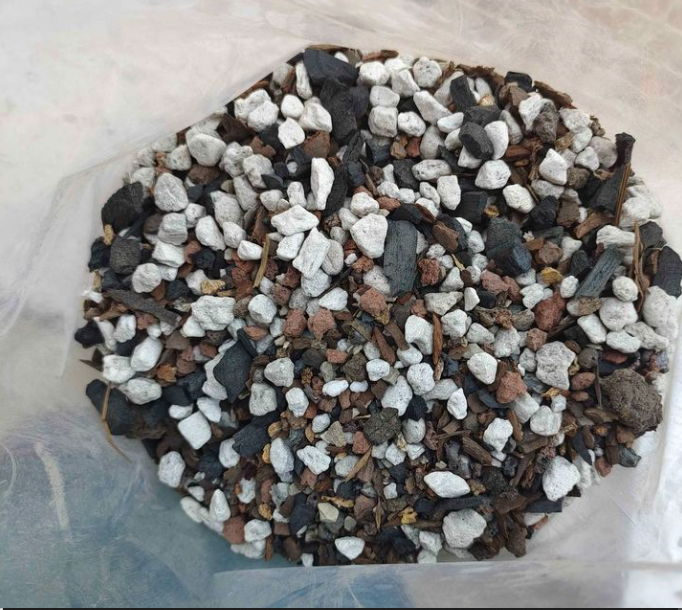
Well-draining soil is non-negotiable. A mix enhanced with orchid bark, perlite, and a hint of peat offers an airy substrate that mimics their natural arboreal habitats, preventing water from stagnating and causing root rot.
Nutritional Nuances: Feeding for Flower Power
Hatiora appreciates a thoughtful fertilization regime to fuel blooming. Use a balanced, diluted liquid fertilizer specially formulated for cacti or epiphytes every two to four weeks during the growing season. The secret is to avoid high nitrogen formulas that encourage leafy overgrowth at the expense of flowers. Instead, opt for a bloom-enhancing fertilizer with pronounced phosphorus content to coax those floral buds to emerge radiant and robust.
Regular feeding nourishes the plant’s natural cycles, but remember to cease fertilizing during dormancy to allow the plant to recharge without stress.
Pruning and Care: Encouraging Vigorous Growth and Blooming
Pruning is both an art and a science when it comes to Hatiora. Removing spent blooms and leggy or damaged segments encourages the plant to redirect its energy toward fresh growth and flowering. The best time to prune is late winter or early spring, just before the active growth phase begins.
Be gentle—these segmented stems can be fragille. Sterilized pruning shears or scissors reduce the risk of infection. Training your plant on a suitable support enhances airflow and elevates the flower display to eye level, magnifying its enchanting visual impact.
Creating the Perfect Environment: Humidity and Airflow
In the cloud forests of Brazil, Hatiora thrives in muggy, moist air. To mimic this, maintain humidity levels around 50-60%. Indoor growers can employ pebble trays filled with water or occasional misting to recreate that refreshing moisture. However, excessive stagnation invites fungal visitors, so balanced airflow is indispensable.
A gentle breeze from a fan or an open window tidies the atmosphere, reducing pest threats and enabling the plant’s respiration to function optimally, ultimately encouraging more abundant flowering.
Patience and Observation: The Waiting Game with Rewards
Hatiora plants often dance to their own tempo. You may nurture them with perfection, yet the blooms remain elusive initially. Herein lies the challenge: patient observation coupled with subtle environmental tweaks. Watch the new growth carefully for signs of bud formation. Adjust light, temperature, or watering if growth appears weak or flowers fail to set.
With time, and perhaps a few trials of trial and error, your diligent care will reward you with a spectacle of flowers that seem to spring from another world completely, as if your Hatiora is whispering back, “Thank you for believing in me.”
In the end, growing Hatiora flowers to their fullest glory is an enchanting blend of science, art, and a little bit of whimsical challenge. Embrace the journey—the dance of shadows and light, warmth and coolness, water and dryness—and watch how your Hatiora can transform into a blooming masterpiece, captivating all who behold it.
FAQ
What conditions are ideal for Hatiora flowering?
Hatiora requires bright, indirect light, temperatures between 60°F to 75°F, and a humid environment to bloom effectively.
How often should I water my Hatiora?
Water your Hatiora generously during the growing season, allowing the topsoil to dry out between watering. Reduce watering during fall and winter.
What type of fertilizer should I use for Hatiora?
Use a balanced, diluted liquid fertilizer formulated for cacti, focusing on those with higher phosphorus content to promote blooming.

Leave a Reply