
Short Answer
There’s something quietly revolutionary about the Rebutia cactus—small in stature, yet vast in character. Like a hidden gem nestled in the crevices of the Andes, this crown cactus doesn’t demand attention; it earns it. With its jewel-toned blooms and unassuming globular form, the Rebutia whispers secrets of resilience and grace to those who pause to listen. It thrives where others might falter, turning harsh sunlight into radiant flowers and barren soil into a thriving miniature world. For the patient and observant, it’s not just a plant—it’s a living metaphor for tenacity and quiet beauty.
The Crown’s Allure: Why Rebutia Captivates the Heart
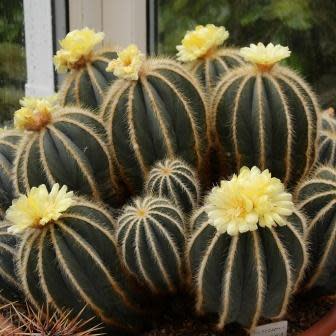
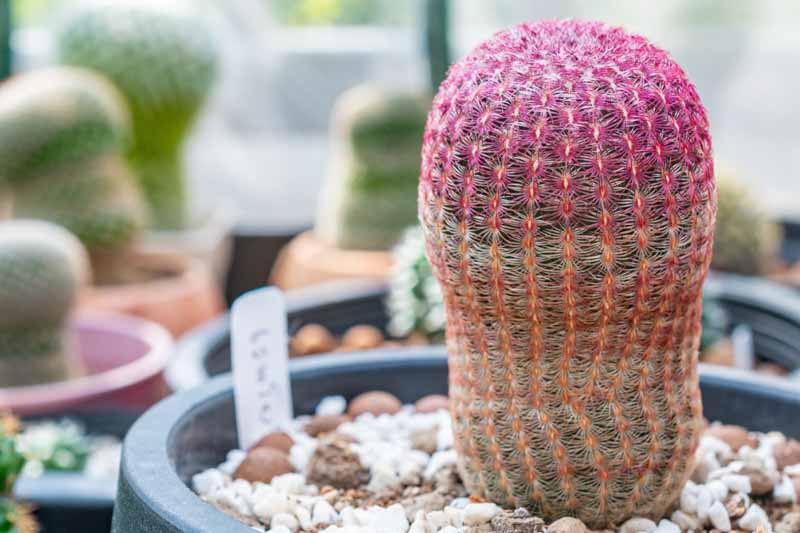
Imagine a crown woven from sunlight and starlight—this is the essence of Rebutia. Unlike its towering, spined cousins, this cactus wears its crown low to the ground, a regal presence in miniature. Its globular body, often no larger than a teacup, is a marvel of geometric precision, its ribs spiraling like the grooves of a vinyl record playing the song of the desert. When spring arrives, it erupts in a flurry of flowers—fiery oranges, blushing pinks, and sunlit yellows—that seem to defy the arid conditions of its native habitat. Each bloom is a fleeting masterpiece, a testament to the cactus’s ability to transform scarcity into abundance. To grow Rebutia is to cultivate a relationship with patience; it rewards the diligent with a spectacle that feels almost magical.
Choosing Your Crown: Selecting the Perfect Rebutia Specimen
Not all crowns are created equal, and the same holds true for Rebutia. When selecting your plant, look for specimens with firm, plump bodies—avoid those that appear shriveled or discolored, as these may signal poor health. The spines should be vibrant and intact, whether they’re fine as hair or bold as needles. A healthy Rebutia will have a slight sheen to its epidermis, a subtle shimmer that hints at its vitality. If you’re drawn to the idea of blooming, seek out mature plants, as younger ones may take a few years to unfurl their first flowers. And don’t overlook the allure of offsets—these tiny clones clinging to the parent plant are like nature’s own propagation kits, ready to be nurtured into independent life.
The Desert’s Secret: Mimicking Rebutia’s Native Habitat
Rebutia hails from the high-altitude regions of Bolivia and Argentina, where the air is thin, the sun is relentless, and the nights are cool. To coax it into thriving in your home, you must recreate a slice of this rugged paradise. Begin with a well-draining soil mix—think of it as the cactus’s lifeline, a porous terrain that prevents waterlogging and mimics the loose, mineral-rich soils of its homeland. A blend of cactus potting mix, perlite, and coarse sand will do the trick. Position your Rebutia in a spot where it can bask in bright, indirect light; too much direct sun can scorch its delicate skin, while too little will leave it etiolated and weak. And remember, this cactus loves a good chill—if possible, expose it to cooler temperatures in the winter, a dormancy period that encourages future blooming.
Watering the Crown: The Art of Hydration Without Harm
Watering a Rebutia is less about routine and more about intuition. This cactus is a master of survival, storing water in its plump body to endure long dry spells. The key is to water deeply but infrequently—soak the soil until it drains freely from the bottom of the pot, then wait until the soil is completely dry before watering again. Overwatering is the fastest way to invite rot, a silent killer that creeps in when the roots are left soggy. During the growing season, typically spring and summer, you might water every 10–14 days, but reduce this to once a month in the winter, when the plant enters a restful slumber. Think of it as a dance: you lead, and the Rebutia follows, responding to your cues with vibrant growth and dazzling blooms.
Feeding the Crown: Fertilizer as a Love Letter
Even the most self-sufficient cactus appreciates a little nourishment. Fertilizing your Rebutia is like writing a love letter—timing and tone matter. Use a balanced, water-soluble fertilizer diluted to half strength, applied every 4–6 weeks during the active growing season. Avoid fertilizing in the winter, when the plant is dormant and uninterested in your offerings. A fertilizer rich in phosphorus will encourage more prolific blooming, while one with a higher nitrogen content may result in lush, green growth at the expense of flowers. Remember, moderation is key; too much fertilizer can burn the roots and leave your Rebutia gasping for air. Treat it gently, and it will reward you with a crown of blooms that feels like a standing ovation.
The Blooming Ceremony: Coaxing Rebutia to Flower
There’s nothing quite like the first bloom of a Rebutia—it’s a moment of pure alchemy, where patience and care transform a humble cactus into a floral spectacle. To encourage blooming, you must mimic the conditions of its native habitat. Provide bright light, cool nights, and a winter rest period where temperatures dip below 50°F (10°C). A sudden temperature drop in the fall can trigger the plant’s internal clock, signaling that it’s time to produce flowers. Once buds appear, resist the urge to move the plant, as this can cause them to drop prematurely. And when the flowers finally unfurl, you’ll understand why this cactus is called the crown jewel of the desert—each petal is a tiny burst of joy, a fleeting but unforgettable display of nature’s artistry.
Propagation: Growing Your Rebutia Family
Why stop at one when you can have many? Rebutia is a generous plant, readily producing offsets that can be separated and grown into independent specimens. To propagate, gently twist or cut an offset from the parent plant, allowing the cut end to callus over for a day or two. Then, plant it in a small pot filled with well-draining soil, and place it in a warm, bright spot. Resist the urge to water immediately—wait a week or two to allow the roots to establish themselves. With a little luck and a lot of love, your offset will soon grow into a full-fledged Rebutia, ready to add its own crown of blooms to your collection. It’s a legacy in the making, a way to share the magic of this cactus with others.
Troubleshooting the Crown: Common Challenges and Solutions
Even the most resilient cactus faces challenges, and Rebutia is no exception. If your plant’s body appears wrinkled or soft, it’s likely thirsty—give it a thorough watering and adjust your watering schedule. Yellowing or mushy spots may indicate rot, a sign that you’ve been too generous with the watering can. Remove the affected areas and repot the cactus in fresh, dry soil. If your Rebutia is stretching toward the light, it’s etiolated—a clear sign it needs more sun. And if pests like mealybugs or spider mites appear, a gentle wipe with a cotton swab dipped in rubbing alcohol will send them packing. Remember, every challenge is an opportunity to deepen your understanding of this remarkable plant.
The Crown’s Legacy: Why Rebutia Deserves a Place in Your Life
Rebutia is more than a plant; it’s a teacher, a companion, and a living work of art. It asks for little but gives so much in return—a splash of color, a lesson in patience, and a reminder that beauty often thrives in the smallest of spaces. Whether you’re a seasoned cactus enthusiast or a beginner with a green thumb, this crown cactus will captivate your heart and inspire your soul. So go ahead, add a Rebutia to your collection. Let it sit on your windowsill, a tiny sentinel of resilience and grace. Watch as it grows, blooms, and multiplies, each step a testament to the power of nurturing something small into something extraordinary.
FAQ
What are the ideal conditions for growing Rebutia?
Rebutia thrives in bright, indirect light with well-draining soil, and it prefers cooler temperatures during winter.
How often should I water my Rebutia?
Water deeply but infrequently, about every 10-14 days during the growing season, and once a month in winter.
What should I do if my Rebutia shows signs of rot?
Remove affected areas and repot the cactus in fresh, dry soil to prevent further issues.
Leave a Reply