
Short Answer
Have you ever stumbled upon a cactus that defies all your expectations—a plant that seems to dance between the realms of succulent and epiphyte, flaunting an otherworldly elegance that beckons both intrigue and admiration? Rhipsalis species, often overshadowed by their more ostentatious desert cousins, pose a delightful botanical conundrum. How can these delicate, often enigmatic cacti thrive suspended in tropical canopies, far from the arid landscapes typically associated with their kind? Prepare yourself for a journey through some of the most captivating Rhipsalis species, where uniqueness isn’t just a label—it’s a vibrant characteristic etched into every stem.
Rhipsalis cereuscula: The Threadlike Marvel
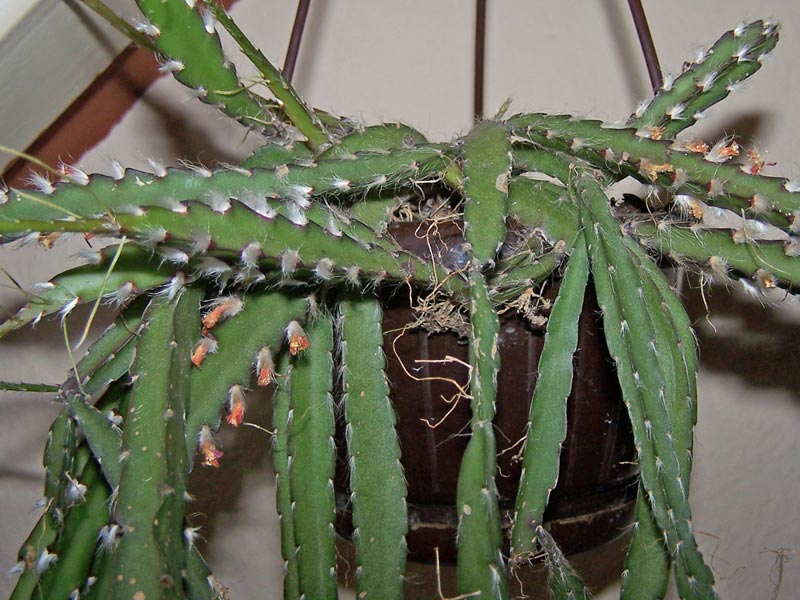
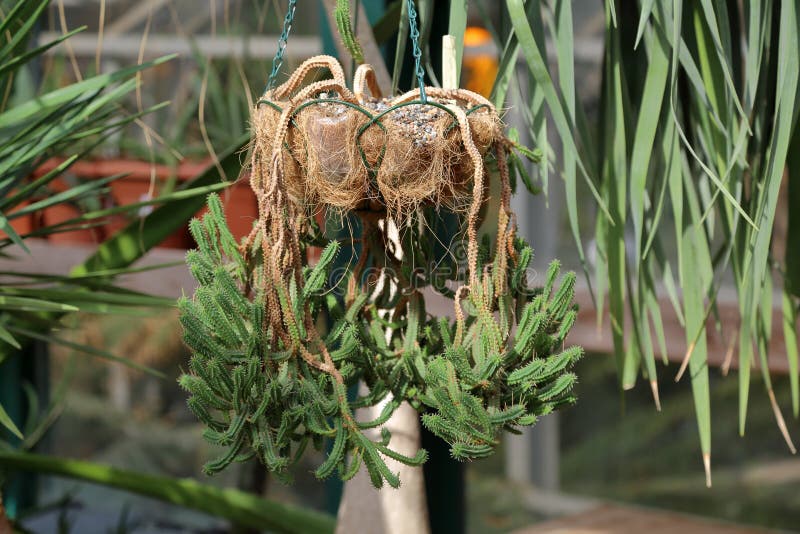
Imagine a cactus adorned with slender, almost filamentous stems that seem to weave an intricate tapestry of green. Rhipsalis cereuscula is a testament to nature’s ability to surprise. Unlike the conventional stout and spiny cacti, this species embodies a delicate, almost ethereal silhouette. Its thin, cylindrical stems ripple gently as they cascade, much like streams of verdant silk in motion.
What sets Rhipsalis cereuscula apart is not just its morphology but its epiphytic lifestyle. Unlike ground-bound succulents, it thrives by anchoring itself onto trees, siphoning moisture and nutrients from the humid air and organic detritus. This arboreal habit invites unique cultivation challenges—replicating its natural habitat’s airy, moisture-laden conditions is critical for its flourishing. Gardeners often find themselves pondering: can a cactus truly be as finicky as a fern? With Rhipsalis cereuscula, the answer is a compelling yes, yet it rewards patience with an elegant, sculptural presence that transforms any plant collection into an artistic showcase.
Rhipsalis pachyptera: The Chunky Wonder
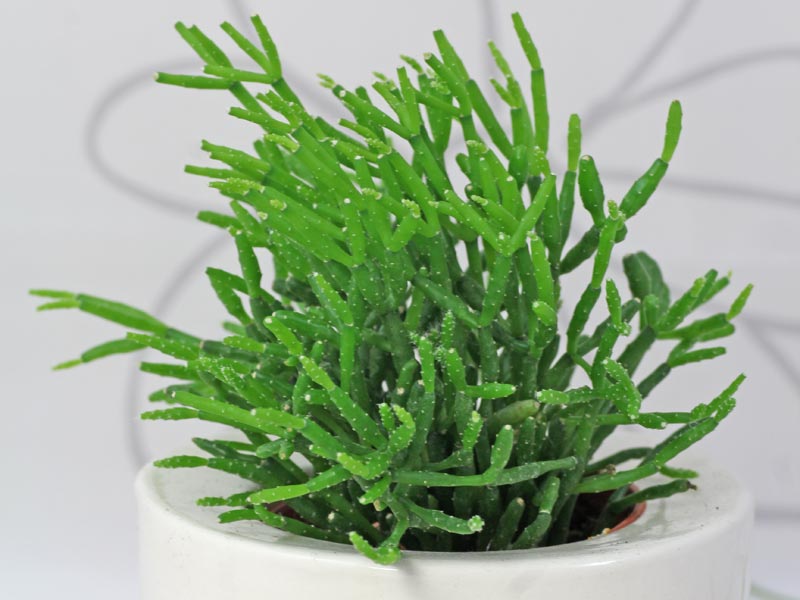
Shift your attention to the thick, robust stems of Rhipsalis pachyptera, a species that flaunts its voluptuousness unapologetically. This type might challenge your preconceptions of what a cactus “should” look like. Rather than wispy threads, R. pachyptera showcases plump, ribbed branches that expand into a tactile feast for the senses. The pronounced ribs create a rhythm and texture that invite closer inspection, merging structural fortitude with an almost whimsical charm.
Its name hints at its distinctiveness: “pachyptera” translating roughly to “thick-winged,” a nod to the expanded stem ridges that offer more surface area for photosynthesis—a clever evolutionary twist for an epiphytic plant competing for limited sunlight in dense tropical forests. For enthusiasts, cultivating Rhipsalis pachyptera can entail mimicking dappled shade conditions and balancing humidity, making it a plant that pushes cultivators beyond the comfort zone of traditional succulent care. Yet, the tactile joy of running your fingers along its ribbed arms offers rewards unmatched by smoother-leaved plants. It’s a reminder that uniqueness often lies in texture as much as in appearance.

Rhipsalis grandiflora: The Grand Bloom Enigma
To cap off this exploration, consider the allure of Rhipsalis grandiflora, a species whose very name evokes grandeur and spectacle. The “grandiflora” epithet—a herald of large, extravagant flowers—belies the often understated nature of most cacti blooms. This species, however, challenges the stereotype by producing blossoms that are not only sizable but imbued with an almost ethereal delicacy.
Inhabiting the same lofty niches as its Rhipsalis relatives, grandiflora manages to orchestrate floral displays that captivate pollinators and plant aficionados alike. The bloom’s complexity raises an intriguing cultivation challenge: these plants demand patience and subtle environmental cues to initiate flowering. The delicate flowers reveal the mysterious convergence of succulent survival strategy with tropical floral exuberance—underscoring just how versatile and adaptive the genus really is.
For those seeking a botanical trophy, witnessing the majestic flowers of Rhipsalis grandiflora in full bloom provides an inspiring spectacle. The ephemeral nature of these blooms also invites a reflection on the fleeting beauty inherent in many natural phenomena, making every flowering event a moment to cherish.
Embracing the Challenge: Cultivating Rhipsalis Species
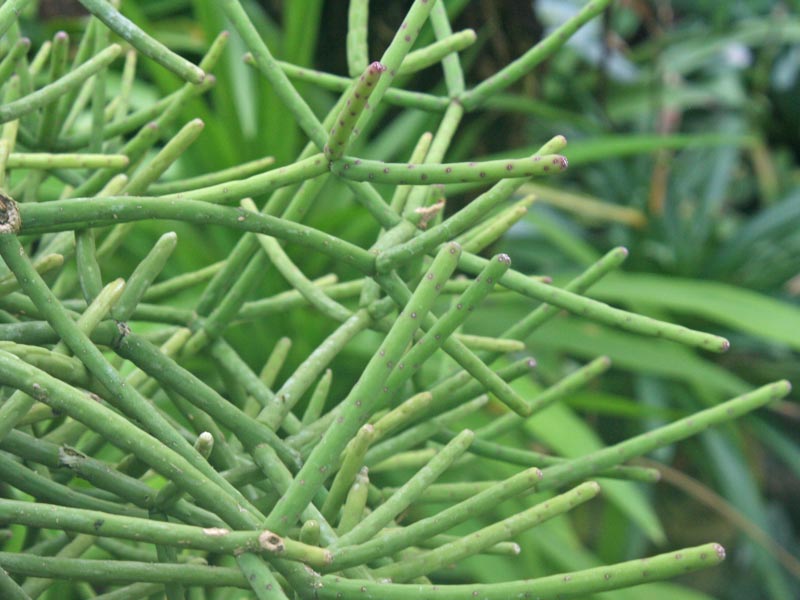
Each Rhipsalis species introduces a playful challenge to plant enthusiasts. Unlike their desert kin, these cacti thrive in the shadows, relying on high humidity, filtered light, and often epiphytic growth strategies. Cultivating them is a nuanced endeavor, demanding a departure from the stereotypical dry, sun-scorched environments where most think a cactus should flourish.
Success hinges on embracing their tropical origins. Providing airy substrates, ensuring gentle watering cycles that avoid waterlogging, and maintaining good air circulation replicate the conditions high in rainforest canopies. Gardeners and collectors who master these elements find themselves rewarded with plants that not only survive but thrive, displaying their unique architectures and occasionally stunning blooms.
The Unseen Appeal: Why Rhipsalis Deserves Attention
Why fixate on Rhipsalis when succulents like echeverias and agaves dominate garden stores? Because Rhipsalis species shatter preconceived molds. Their unorthodox growth habits, along with ephemeral and delicate aesthetics, carve out a niche that appeals to collectors seeking botanical oddities and gardeners craving a slice of tropical serenity.
They embody a paradox—a cactus that defies drought intolerance; an epiphyte that thrives without soil. These contradictions make Rhipsalis species endlessly fascinating, inviting us to rethink our understanding of survival strategies in the plant kingdom. More than mere curiosities, they are green enigmas that deepen our appreciation for nature’s boundless inventiveness.
In embracing these remarkable species, we not only expand our horticultural repertoire but also step into a narrative of resilience, adaptation, and unexpected beauty. Rhipsalis beckons—will you accept the challenge to cultivate and celebrate these unique botanical treasures?
FAQ
What are Rhipsalis species?
Rhipsalis species are unique cacti that often thrive in tropical environments, showcasing a variety of growth forms and cultivation needs.
How do you care for Rhipsalis?
Caring for Rhipsalis involves providing high humidity, filtered light, and avoiding waterlogging to mimic their natural rainforest habitat.
Why are Rhipsalis considered unique?
Rhipsalis are unique because they thrive as epiphytes in tropical canopies, unlike typical cacti that prefer arid conditions.

Leave a Reply