
Short Answer
What if the next victim of climate change wasn’t a polar bear or a coral reef, but a spiky, silent sentinel of the desert—one that has stood sentinel for centuries, only to now face an existential threat from the very air we breathe? The humble cactus, often dismissed as a prickly oddity, is quietly slipping into the annals of extinction, and the culprit isn’t overzealous hikers or unscrupulous plant collectors—it’s the invisible hand of a warming planet. As sea levels creep upward and temperatures spiral beyond the tolerance of even the hardiest succulents, rare cactus species are finding themselves in a precarious position, caught between the relentless march of climate change and the fragility of their own evolutionary adaptations. But how exactly is this happening, and what does it mean for the future of these botanical marvels?
The Vanishing Act: Why Rare Cacti Are Slipping Through the Cracks
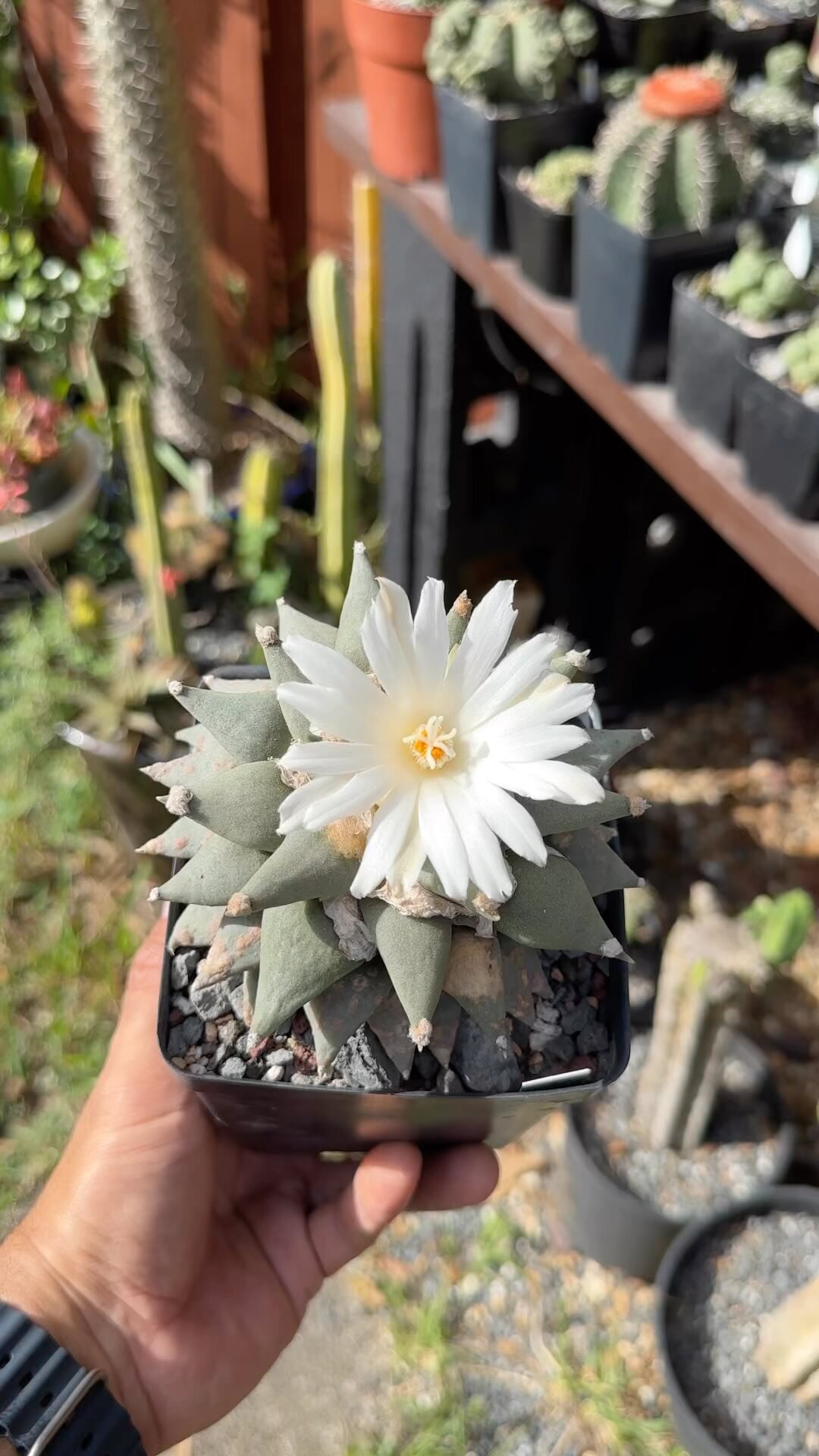
Imagine a plant so resilient that it thrives in the harshest conditions—scorching heat, parched soil, and relentless sunlight—only to be undone by something as intangible as shifting weather patterns. That’s the paradox facing rare cacti today. These aren’t your average roadside prickly pears; we’re talking about species like the Pilosocereus millspaughii, a towering, columnar cactus native to the Caribbean, or the Consolea corallicola, a critically endangered tree cactus that once dotted the Florida Keys. Their downfall isn’t a sudden catastrophe but a slow, creeping erosion of their ecological niche, a phenomenon scientists call habitat compression.
As temperatures rise, the delicate balance of moisture and temperature that these cacti depend on is thrown into disarray. Many species are adapted to specific microclimates—think of it as their own personal Goldilocks zone, where conditions are just right. But when the mercury climbs beyond their comfort range, or when rainfall patterns become erratic, these plants face a double-edged sword: drought stress that dries them out from the inside, and heat stress that cooks them alive. The result? Stunted growth, failed reproduction, and, in the worst cases, local extinctions. It’s not just a loss of biodiversity; it’s a domino effect that could unravel entire desert ecosystems, leaving behind a landscape as barren as it is beautiful.
The Tides of Change: How Rising Seas Are Drowning Coastal Cacti
Picture this: a cactus, standing tall and proud on a coastal bluff, its roots delving deep into the earth, its arms reaching for the sky. Now imagine the ocean creeping closer, year after year, inch by inch, until the saltwater begins to seep into the soil, turning the ground beneath the cactus into a brackish swamp. This isn’t a scene from a dystopian novel—it’s the reality for coastal cactus species as sea levels rise at an alarming rate. For plants that have spent millennia adapting to arid conditions, saltwater intrusion is a death sentence.
The problem is twofold. First, saltwater flooding drowns the roots, cutting off the cactus’s lifeline to water and nutrients. Second, the increased salinity of the soil disrupts the plant’s ability to absorb what little moisture remains. Even if a cactus survives the initial inundation, the long-term effects of salt stress can linger for years, leaving it weakened and vulnerable to disease or pests. Species like the tree cactus, which once thrived in the coastal hammocks of Florida, are now teetering on the brink, their populations dwindling as the ocean claims their habitat. And with climate models predicting even more dramatic sea-level rise in the coming decades, the clock is ticking for these coastal sentinels.
The Heat is On: When Even the Desert Gets Too Hot
Deserts are, by definition, places of extremes—blistering days and freezing nights, parched earth and sudden downpours. But what happens when the “extreme” becomes the new normal? For cacti, the answer is grim. These plants have evolved a suite of adaptations to survive in their harsh environments, from thick, waxy skins that minimize water loss to shallow, widespread root systems that soak up every drop of rain. But these adaptations have their limits. When temperatures soar beyond the cactus’s thermal tolerance, their internal machinery begins to fail. Photosynthesis, the process by which they convert sunlight into energy, grinds to a halt. Proteins denature. Cells rupture. It’s like watching a well-oiled machine overheat until it seizes up entirely.
Worse still, the heat isn’t just a direct threat—it’s an indirect one, too. As the climate warms, the delicate web of pollinators that cacti rely on is also thrown into disarray. Bees, bats, and birds that once flitted from flower to flower are now struggling to keep up with the shifting blooming seasons. Without pollinators, cacti can’t reproduce, and without reproduction, their populations dwindle. It’s a silent crisis, unfolding in slow motion, where the biggest losers are the plants that have spent millennia perfecting their survival strategies—only to be outpaced by the very climate they helped shape.
The Domino Effect: What Happens When a Cactus Disappears?
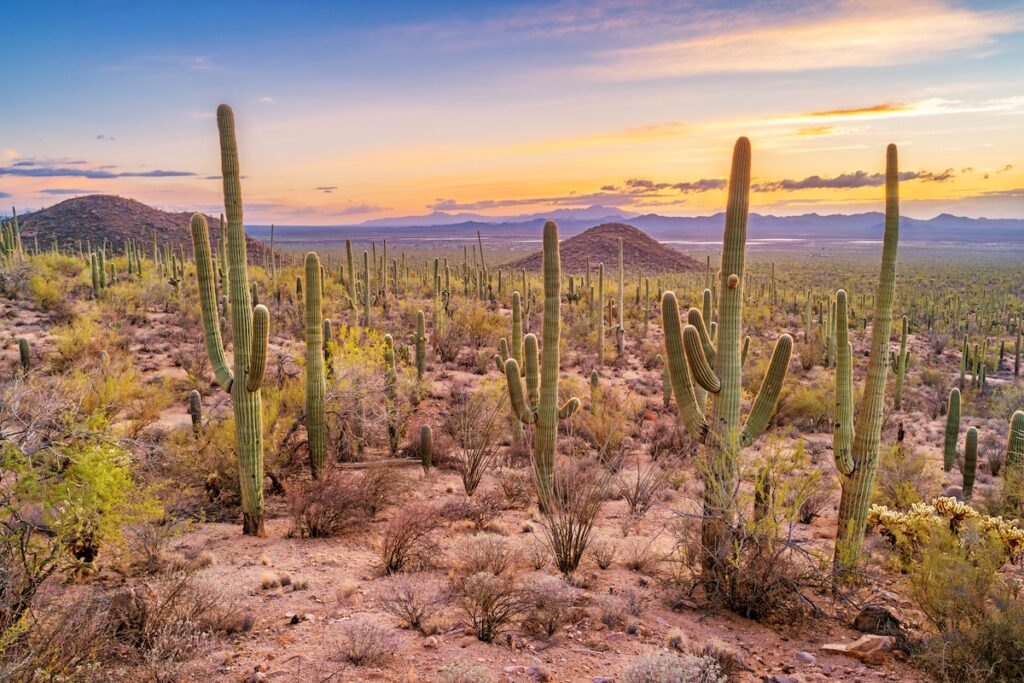
Extinction isn’t just about losing a single species—it’s about unraveling an entire ecosystem. Cacti aren’t just decorative; they’re keystone species, playing a crucial role in their environments. Their flowers provide nectar for pollinators. Their fruits are a vital food source for birds and mammals. Their spiny exteriors offer shelter for insects and small reptiles. When a cactus disappears, the ripple effects can be catastrophic. Take the saguaro, for example. This iconic giant of the Sonoran Desert isn’t just a symbol of the American Southwest—it’s a lifeline for countless species. Gila woodpeckers carve out nests in its trunk. Harris’s hawks nest in its branches. Even the endangered lesser long-nosed bat depends on its flowers for sustenance. Lose the saguaro, and you don’t just lose a plant—you lose an entire community.
But the consequences don’t stop there. Cacti also play a role in carbon sequestration, storing vast amounts of carbon in their tissues and the soil around them. When they die off, that carbon is released back into the atmosphere, further fueling the very climate change that’s threatening them. It’s a vicious cycle, one that highlights the interconnectedness of life on Earth. Protecting cacti isn’t just about saving a few spiky plants—it’s about preserving the delicate balance of the ecosystems they support, and, by extension, the health of the planet itself.
Can We Save the Spiky Survivors? The Fight to Preserve Cactus Diversity
So, is there hope for these prickly survivors? The answer is a cautious yes—but only if we act swiftly and decisively. Conservationists are deploying a range of strategies to give rare cacti a fighting chance. One approach is ex-situ conservation, where plants are cultivated in botanical gardens or seed banks, safe from the ravages of climate change. Another is habitat restoration, where degraded landscapes are rehabilitated to create refuges for struggling species. And then there’s assisted migration, a controversial but increasingly necessary tactic where plants are relocated to cooler, higher elevations or latitudes where they might thrive in the future.
But conservation isn’t just about plants—it’s about people, too. Indigenous communities, who have long stewarded these lands, hold invaluable knowledge about cactus ecology and traditional cultivation practices. Partnering with these communities can provide insights that science alone cannot. Meanwhile, policymakers are beginning to recognize the urgency of the situation, with some countries designating critical cactus habitats as protected areas. Yet, for every step forward, there are setbacks. Funding is often scarce. Political will is inconsistent. And the clock is ticking.
Perhaps the biggest challenge, though, is changing the narrative. Cacti aren’t just “weird plants” or “backdrop scenery” for Instagram photos. They’re ancient survivors, testaments to the resilience of life on Earth. They’re indicators of environmental health, warning us when our planet’s systems are out of balance. And they’re a reminder that even the toughest among us have limits. The question isn’t just whether we can save the rare cacti—it’s whether we’re willing to try.
The Final Thorn: What You Can Do to Help
So, what’s an eco-conscious plant enthusiast—or anyone who simply cares about the future of our planet—to do? Start by educating yourself. Learn about the cacti native to your region and the threats they face. Support conservation organizations that are working to protect these species, whether through donations, volunteering, or advocacy. And perhaps most importantly, reconsider your relationship with plants. Avoid purchasing wild-collected cacti, which often come from threatened populations. Instead, opt for nursery-grown specimens or, better yet, cultivate native plants in your own garden to support local ecosystems.
Climate change is a global crisis, but it’s one that demands local action. Every choice we make—from the products we buy to the way we vote—has the potential to tip the scales in favor of the spiky survivors. The cactus may be a symbol of endurance, but it’s not invincible. Its fate rests in our hands. Will we let it slip away, or will we fight to ensure that these silent sentinels continue to stand tall for generations to come?
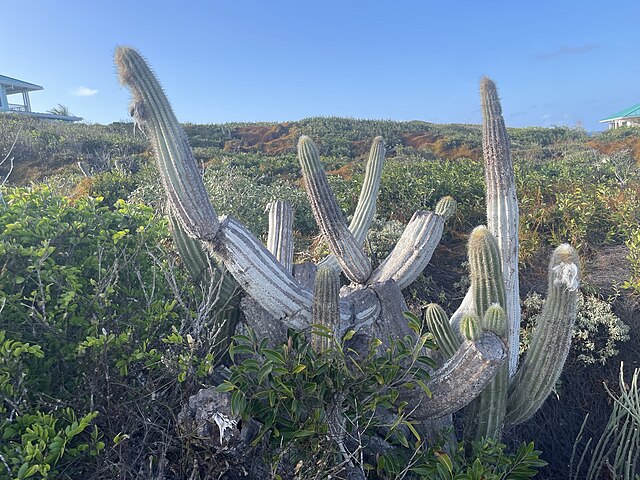
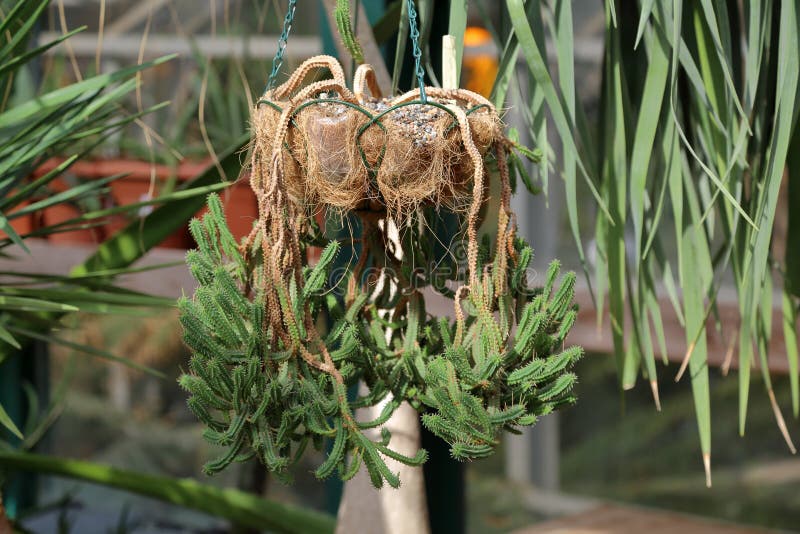
The Pilosocereus millspaughii, a rare cactus species threatened by climate change, exemplifies the delicate balance between adaptation and extinction.
FAQ
What can be done to protect rare cacti?
Conservation strategies include ex-situ conservation, habitat restoration, and assisted migration.
Why are cacti considered keystone species?
Cacti play a crucial role in their ecosystems by providing food and habitat for various species.

Leave a Reply