
Short Answer
In the kaleidoscopic world of cacti, Thelocactus stands out like a jeweled sentinel guarding a desert treasure trove. Its flowers burst forth like sunbursts against a canvas of thorny armor, blending resilience with radiant beauty. Encouraging these captivating cactus blooms is akin to coaxing alchemy from the arid earth — a delicate dance of patience, precision, and reverence for nature’s rhythms. Unlocking the secrets of Thelocactus flowering transforms the gardener into a botanical sorcerer, witnessing nature’s incandescent artistry unfold in glorious color and form.
The Unique Charm of Thelocactus Flowers
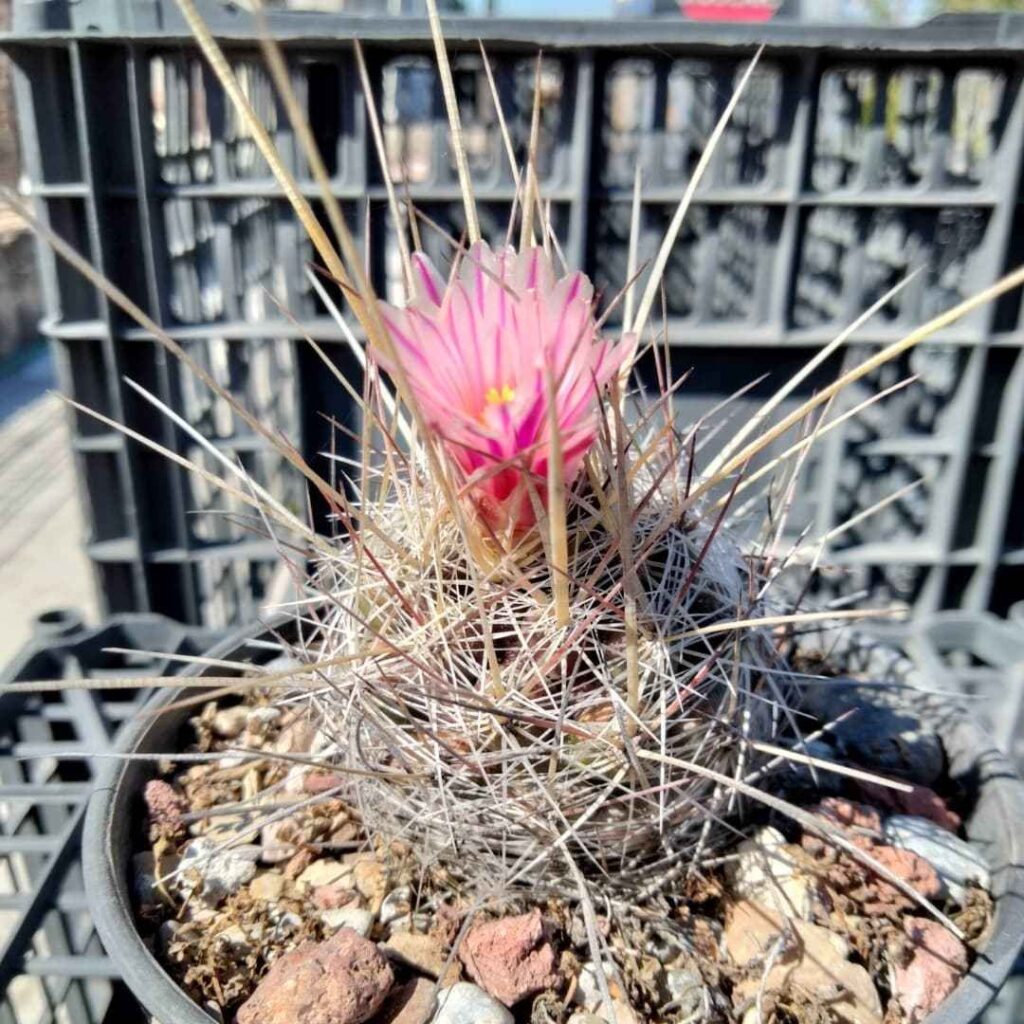
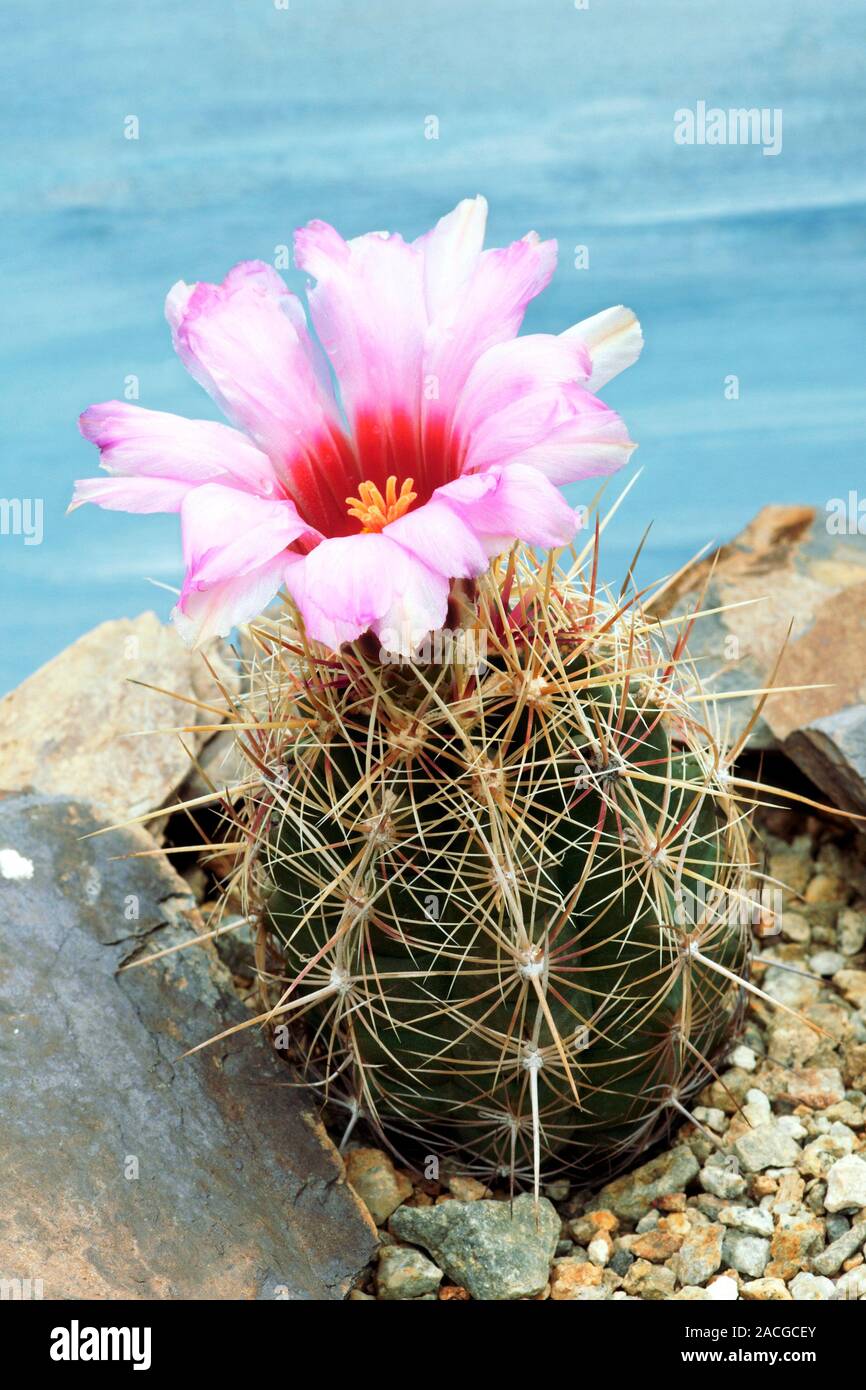
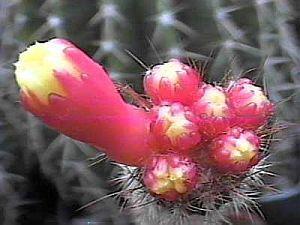
Thelocactus flowers are not merely blossoms; they are ephemeral fireworks brightening the stark austerity of their spiny hosts. Unlike many other desert plants that boast modest floral displays, Thelocactus offers vibrant, expansive blooms that can range in hues from soft creamy whites to fiery reds and lavenders. Their petals unfurl like delicate silk banners, inviting pollinators and admirers alike. This spectacular floral exhibition is nature’s way of showcasing life’s tenacity — a poetic paradox where vulnerability meets armor.

Understanding Thelocactus’ Natural Habitat
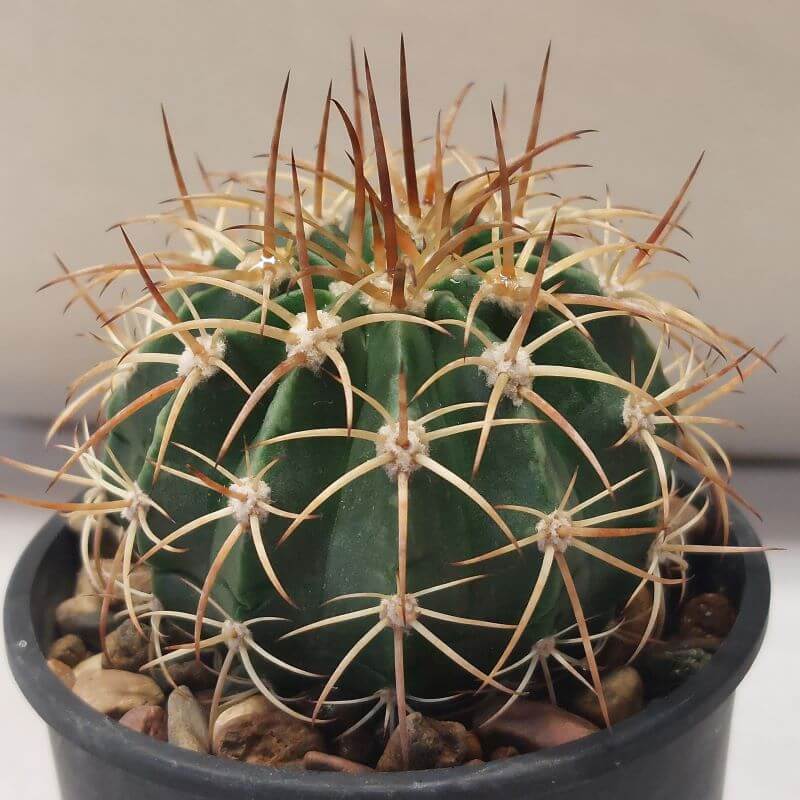
To delight in Thelocactus flowering, one must first step into the shoes of the desert itself. These cacti originate from harsh arid regions, where life wrings every drop from scant resources. Their natural habitat is punctuated by sandy or rocky soil, intense sunlight, and sporadic rainfall. The plants have evolved thick, ribbed stems and formidable spines, perfect for water retention and protection against herbivores. Mimicking such environmental parameters is pivotal for stimulating their blossoming cycle. Understanding the ecology from which Thelocactus hails offers a blueprint for cultivating these magnificent desert jewels in your own space.
Optimizing Light: The Sun as an Artist’s Palette
Light acts as the crucible in which Thelocactus transforms from a stoic green cactus to a flamboyant flower bearer. These plants crave bright, unfiltered sunlight — a minimum of six hours daily illuminates their intricate biology, energizing the photosynthetic processes that fuel floral development. Like painters who rely on the perfect light to breathe life onto the canvas, gardeners must position these succulents in south- or west-facing windows or outdoors where sun rays can saturate their surfaces fully.
However, the sun is a double-edged sword. While Thelocactus revels in light, extreme midday rays, especially in regions with scorching summers, may scorch the tender tissues. A balance, therefore, must be struck, offering almost fierce sun tempered with the protection of partial shade during peaks of intensity. This nuanced choreography of illumination ensures the flower buds form deliberately, ultimately bursting forth with vigor.
Watering Regimen: The Desert’s Whisper
Watering Thelocactus is an exercise in subtlety — not too much, never too little, and always with impeccable timing. These succulents are custodians of water, adapted to survive drought by storing moisture in their thickened tissues. Overzealous watering risks suffocating roots and promoting rot, while parched neglect stunts growth and discourages blooming.
The ideal hydrating rhythm follows the desert’s natural pulse. During the active growing season — typically spring through early fall — a modest soak every 10 to 14 days suffices. The soil should dry completely between waterings, allowing the plant’s roots to breathe and signaling it to focus energy on floral production rather than survival. Come winter, the plant enters dormancy, requiring little to no water, further reinforcing its natural cycles.
Soil and Drainage: The Foundation for Flourishing
The substrate nurturing Thelocactus is a foundational element in its blooming success. Much like the roots of a story anchor the narrative, well-draining soil grounds the health and vibrancy of these cacti. An optimal mix mimics desert terrain: gritty, coarse, and well-aerated. Incorporating components such as coarse sand, perlite, and crushed granite ensures excess moisture swiftly departs, leaving roots dry and unencumbered.
Heavy or compact soil retains moisture perilously, fostering fungal afflictions that shatter floral ambitions. Providing ample drainage through pot selection—such as clay or terracotta containers with multiple drainage holes—mirrors the desert’s porous conditions. This foundational attentiveness lays the groundwork for lush stems capable of supporting abundant blooms.
Temperature and Seasonal Cues
Thelocactus dances to the rhythmic tempo set by the temperature. While these cacti flourish in warm climates, a subtle drop in temperature during the winter months acts as a cue, triggering the internal mechanism that prompts flowering once spring returns. They thrive in temperatures ranging from 70°F to 85°F (21°C to 29°C) during the day, with cooler nights around 50°F to 60°F (10°C to 15°C) stimulating dormancy and rejuvenation.
Petite fluctuations in temperature mimic natural desert nights and seasonal shifts — vital signals for robust flower production. Sudden exposure to frost or continuous chilling stresses the plant, disrupting its ability to bloom. Emulating this temperature ebb and flow within their environment becomes a silent partnership between gardener and cactus, culminating in spectacular flowering.
Fertilization: Feeding the Floral Fire
Fueling Thelocactus’ floral display calls for mindful nutrition. Unlike voracious houseplants, Thelocactus prefers a light hand with fertilization. During the growing season, a diluted cactus fertilizer, rich in phosphorus and balanced nitrogen, administered once a month, invigorates bud development without overwhelming the plant.
Phosphorus, often dubbed the “bloom booster,” directs energy toward flowering structures, ensuring buds not only appear but thrive. Avoiding high nitrogen formulas prevents excessive vegetative growth at the expense of flowers, maintaining a harmonious balance akin to a symphony where every instrument plays its part without overshadowing another.
Patience and Observation: The Silent Art of Encouragement
Encouraging Thelocactus to flower demands one cardinal virtue: patience. The blossoming process can be slow, sometimes frustrating those yearning for immediate gratification. Observing subtle changes — a swelling bud here, a hint of color there — becomes a reward in itself, a testament to the silent dialogue between caretaker and cactus.
The subtleties of bloom initiation remind us that flowering in Thelocactus is not merely biological but poetic — an intricate narrative written in green and gold, patience and care. Each bloom is a triumph, a whispered secret unveiled from the depths of desert endurance.

Conclusion: Cultivating Nature’s Living Masterpiece
Thelocactus flowering is a sublime phenomenon — a natural crescendo that rewards diligence and respect for a plant adapted to extremes. In unveiling these blossoms, gardeners participate in a grand narrative of endurance, adaptation, and unexpected beauty. The process is not hurried but savored, each flower a brushstroke on the desert’s great canvas. Through tailored care in light, water, temperature, soil, and nutrition, the blossoming of Thelocactus becomes a laboratory of botanical wonder — a living masterpiece cultivated with passion and patience.
FAQ
How often should I water my Thelocactus to encourage flowering?
Water your Thelocactus every 10 to 14 days during the growing season, ensuring the soil dries completely between waterings, and reduce watering significantly during winter dormancy.
What kind of light does Thelocactus need to bloom?
Thelocactus requires bright, unfiltered sunlight for at least six hours a day, ideally from south- or west-facing windows or outdoors with partial shade during peak sunlight to avoid scorching.
What soil is best for Thelocactus flowering?
Use a well-draining, gritty soil mix containing coarse sand, perlite, and crushed granite to mimic desert conditions and prevent root rot.
Does Thelocactus need fertilizer to bloom?
Yes, apply a diluted cactus fertilizer rich in phosphorus once a month during the growing season to promote bud development without encouraging excessive leafy growth.
Why is patience important when encouraging Thelocactus to flower?
Thelocactus flowering is a slow process that requires careful observation and respect for its natural growth cycles; blooms develop gradually as the plant responds to environmental cues.
Leave a Reply