
Short Answer
Have you ever admired the vibrant, almost theatrical blooms of the Echinocereus cactus and wondered how such a spiny desert dweller could produce such vivid floral displays? The challenge of coaxing these sun-drenched succulents to blossom spectacularly in your own home or garden can feel like a botanical mystery waiting to be unraveled. This succulent’s striking flowers, awash in fiery reds, fuchsias, and sunshine yellows, are not merely a botanical happenstance—they are the result of precise nurturing and understanding of its unique lifecycle. So, how exactly can one unlock the secret to vibrant Echinocereus flowering? Let’s embark on a journey through the intricacies of cultivation, environmental requirements, and a little horticultural artistry to get those glorious blooms to burst forth in all their glory.
The Allure of Echinocereus Flowers: Nature’s Desert Jewels
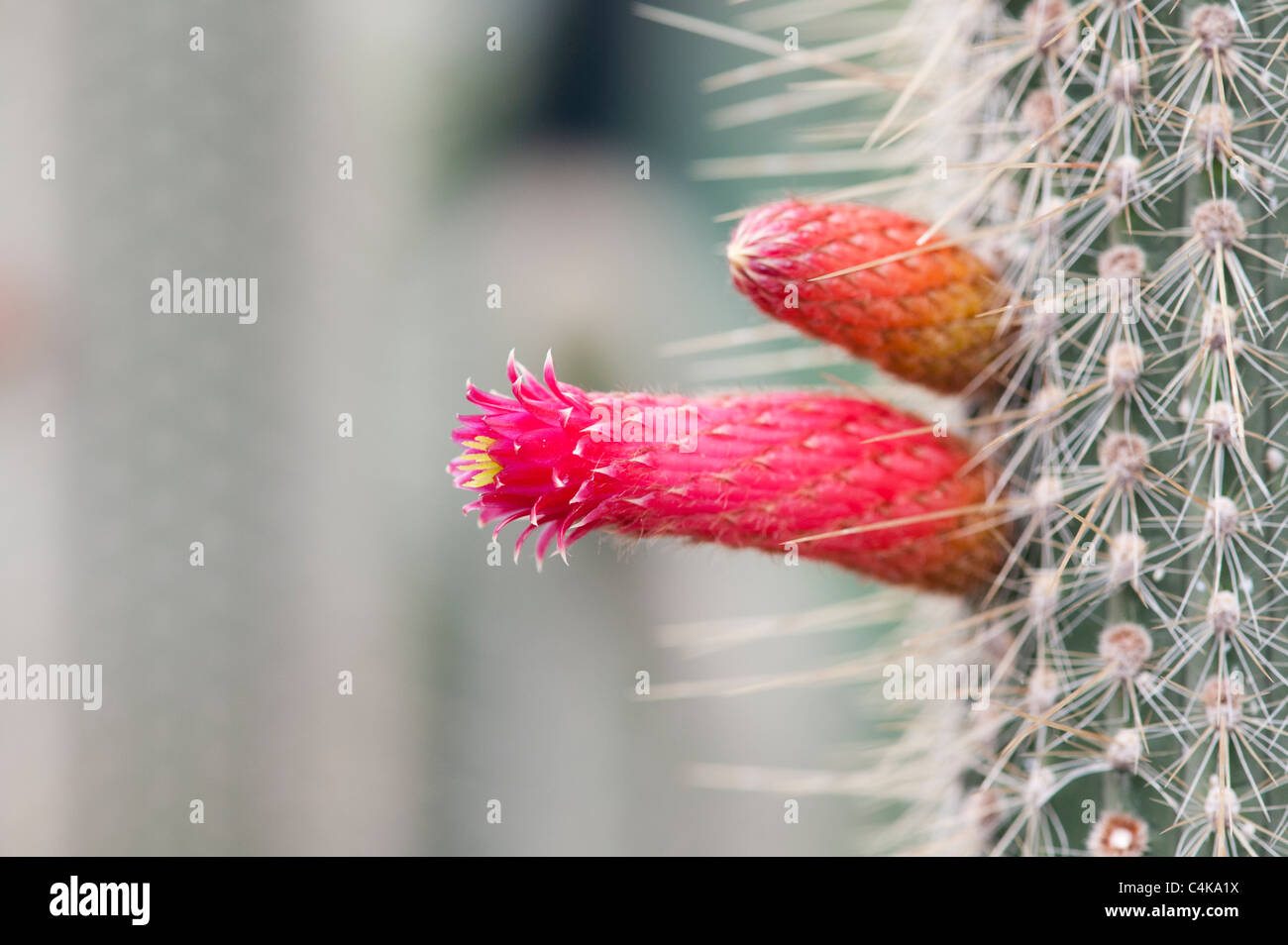
Echinocereus flowers are nature’s dazzling way of transforming rugged desert conditions into moments of spectacular beauty. These blooms don’t just whisper color; they shout it with flamboyance, attracting pollinators and plant enthusiasts alike. But before these flamboyant flowers appear, the plant undergoes a precise rhythm of growth and dormancy that must be respected. Understanding this rhythm is paramount. The cactus’s blooms often emerge in spring or early summer, a fleeting spectacle that rewards patient caretakers. Unlike many low-maintenance succulents, the Echinocereus requires more nuanced care to flower reliably.

Decoding the Light: The Sunlight Challenge
One could wonder, does arbitrary sunlight suffice? Absolutely not. The sun is the catalyst to vibrant blooms. Echinocereus cacti hail from arid regions with abundant, direct sunlight that triggers their flowering mechanisms. Achieving this intensity in non-native environments can be tricky. Too little light stunts bloom production; too much, especially through glass or plastic, may scorch both plant and papillae. Ideally, Echinocereus should be bathed in 6 to 8 hours of direct sunlight daily, imbuing it with the energy necessary to nurture bud development.
Indoor cultivation presents a particular conundrum: windowsills facing south or west are prime destinations for these sun-thirsty cacti. Supplemental grow lights that emit full-spectrum light can bridge natural gaps, simulating the desert sun’s life-giving rays. Remember, light’s role is not only to fuel photosynthesis but to regulate the plant’s internal clock, fostering timely and vibrant flowering.
Soil and Drainage: The Underestimated Foundation of Bloom Success
Could something as basic as soil really influence the flamboyance of Echinocereus flowers? Absolutely—and critically so. These cacti are fastidious about drainage. Saturated soil suffocates roots, causing rot that precludes flowering. A gritty, sandy substrate replicates the desert’s porous terrain, allowing water to drain swiftly while retaining just enough moisture for metabolic function.
Formulating the perfect soil mix involves marrying coarse sand, perlite, pumice, and a modest proportion of organic matter. This blend prevents water retention and mimics natural desert substrates. Moreover, slightly acidic to neutral pH (6.0–7.0) enhances nutrient bioavailability, providing essential minerals such as potassium and phosphorus that amplify bloom vibrancy. Poor soil not only starves the cactus of nutrients but also deprives it of the aeration critical to root health and eventual floral splendor.
Watering Regimen: Walking the Tightrope for Blossoming
If overindulgence kills, what then is the watering secret to coax Echinocereus blooms without drowning the plant? The answer lies in mimicry of desert rains—sporadic but deep watering interspersed with dry intervals. Overwatering is the most pernicious mistake, halting flower production and opening the door to fungal infections.
Water sparingly during winter dormancy, reducing to a mere misting if necessary. As warmth returns, increase watering frequency, but always allow the soil surface to dry thoroughly between sessions. This ebb and flow of moisture encourages root growth and fuels the cactus’s energetic push toward flowering. Each hydration must be a calculated gesture, not a mindless routine.
Temperature: The Silent Architect of Floral Timing
Temperature modulates the Echinocereus’s internal clock, dictating when to rest and when to ripen buds. These resilient cacti thrive in warmth, but extremes pose challenges. Ideal growth and flowering occur when daytime temperatures hover between 70°F and 85°F (21°C to 29°C), with cool nights dipping to 50°F–60°F (10°C to 15°C) to simulate desert thermal variations.
Winter chilling—a period of cooler temperatures around 45°F to 55°F (7°C to 13°C)—is often essential to break dormancy and encourage spring blooms. This seasonal cooling triggers physiological changes akin to a botanical reset, signaling the cactus to prepare for its bloom cycle. Without this period, flower formation may falter or fail entirely.
Fertilization: Nourishing More Than Just Survival
Feeding Echinocereus is an artful balance. Over-fertilization can lead to voluptuous growth but absent flowers. Under-fertilization starves it of the nourishment required to fuel bloom development. The key lies in applying a balanced, dilute fertilizer formulated especially for cacti and succulents, rich in phosphorus and potassium.
Phosphorus in particular is a catalyst for blossom production, amplifying bud emergence and flower longevity. Fertilize sparingly during the active growing season—typically spring through mid-summer—using monthly applications diluted to half strength. Cease feeding as the cactus enters dormancy to preserve its energy reserves.
Pruning and Plant Health: Crafting the Stage for Blossoms
Pruning might seem unnecessary for a cactus, but dead or damaged tissue can siphon energy away from flower production. Removing spent flowers and any shriveled or unhealthy pads allows the plant to focus resources on new growth and bloom generation. Furthermore, maintaining pest vigilance guards against aphids, spider mites, and scale insects, which can stress the plant and diminish flowering capacity.
Healthy plants are more likely to reward caregivers with prolific displays. Holistic care—patient observation combined with judicious intervention—is the silent choreography behind Echinocereus’s floral spectacles.
Patience: The Subtle Ingredient in Echinocereus Flowering
Finally, it must be acknowledged: patience is more than virtue when cultivating Echinocereus. These plants don’t rush the process of flowering, often requiring several years of maturity before they unveil their vibrant crowns. Consistency in care, attention to environmental nuances, and respect for the plant’s natural rhythms gradually coax those rare, radiant blossoms into existence. The long wait transforms the eventual flowering into an extraordinary triumph, an eruption of life in miniature desert art.

In essence, nurturing an Echinocereus to flower vibrantly is a delicate dance of light, soil, water, temperature, nutrition, and time. Each element must be finely tuned, much like the strings of a violin, to evoke the spectacular symphony of colors these desert gems hold within. With perseverance and understanding, any gardener can transform thorny spines into radiant floral artistry.
FAQ
What is the best light condition for Echinocereus cacti?
Echinocereus cacti thrive in 6 to 8 hours of direct sunlight daily.
How often should I water Echinocereus cacti?
Water sparingly, allowing the soil to dry out thoroughly between waterings.
What type of soil is ideal for Echinocereus cacti?
A gritty, sandy substrate that allows for quick drainage is ideal.
What temperature do Echinocereus cacti prefer?
They thrive in temperatures between 70°F and 85°F (21°C to 29°C).


Leave a Reply