
Short Answer
Imagine a desert symphony where a lone performer bursts into bloom, its petals unfolding like whispered secrets carried on the dry breeze. The Acanthocereus, often overlooked in the grand orchestra of flowering plants, holds a charm as enigmatic as a midnight star. Encouraging this intriguing cactus to flower is more than mere gardening—it’s an artful dance with nature’s whims, a conjuration of patience, precision, and passion. This narrative invites you into the enchanting world of coaxing the Acanthocereus into its full floral spectacle, unveiling the nuances that will transform your green space into a desert dreamscape bursting with blossoms.
Understanding the Botanical Enigma: Acanthocereus Unveiled
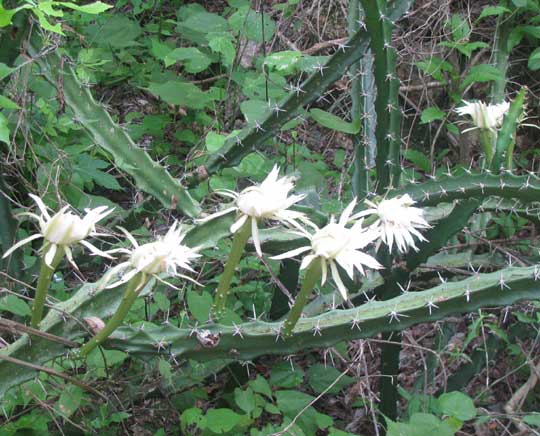
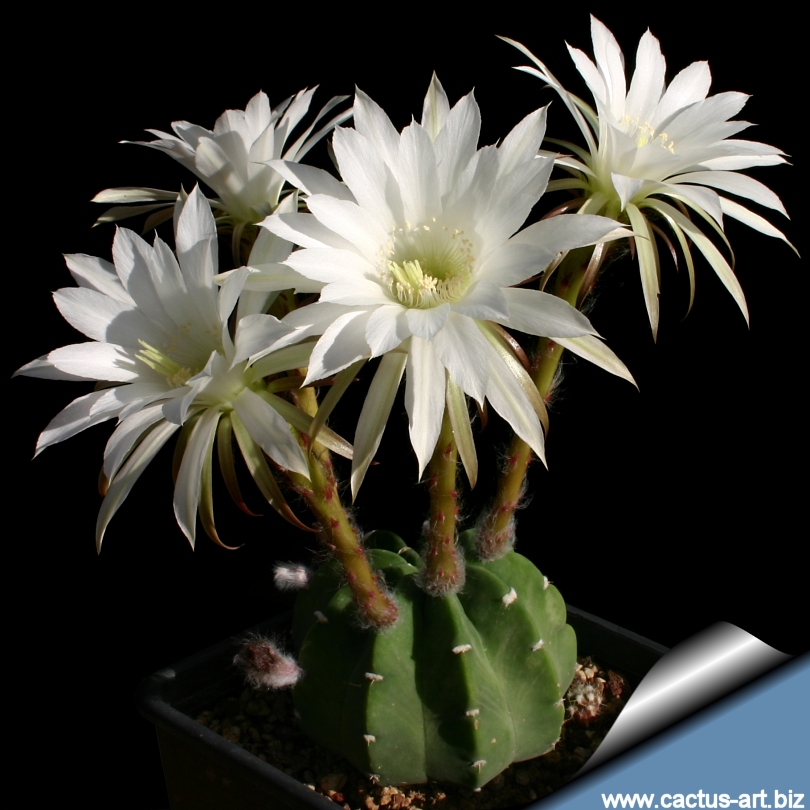
The Acanthocereus, a genus embodying resilience and subtle beauty, wears its thorns and ribbed stems like armor against arid adversity. With a growth habit that meanders like an ancient vine, it is a plant of paradoxes—stark but captivating, hardy yet breathtaking when it flowers. The flowering phase is a transient miracle, night-blooming like a fleeting muse, with large, fragrant blossoms that open under the cloak of darkness. This nocturnal display is nature’s intrigue, a botanical secret whispered only to nighttime pollinators and those patient enough to witness the event. Understanding this essence is the first step to encouraging flowering: this cactus thrives not merely on sunlight and water but on an orchestration of environmental cues and tender care that mimics its native dance.
Creating the Ideal Habitat: Mimicking the Desert’s Embrace
To summon the flowering spirit of the Acanthocereus, you must recreate its natural stage—an environment that serenades its growth instincts. This cactus demands a soil that whispers of deserts: well-draining, gritty, and sparse in nutrients. A mix of coarse sand, perlite, and a modest amount of organic matter crafts the perfect foundation, preventing the suffocating embrace of moisture that signals decay rather than life. Position your cactus where it can bask in full sun, at least six hours daily; sunlight is the silver thread that unspools the flowering potential hidden within the stems.
Temperature plays a clandestine role. The Acanthocereus is a creature of warmth but appreciates a subtle chill in winter, a dormant reprieve analogous to a deep breath. Cool nights (around 50-55°F) in the dormant season encourage the plant to conserve energy and prepare for flowering. Thus, a balanced environment—scorching sun by day, cool nights—is an invitation for bloom.
Watering with Wisdom: The Rhythm of Thirst and Drought
Watering this cactus is akin to a rhythm, a cadence of indulgence and restraint, echoing the pulse of desert rains. Overwatering is the villain that stifles flowering by drowning roots and fostering rot. Instead, allow the soil to dry thoroughly between watering sessions, especially during the active growing period in spring and summer. When dormant, reduce watering to a whisper—perhaps once a month.
This intermittent drought stress, while seemingly harsh, is a critical catalyst for flowering. It mimics the sporadic desert showers that stimulate reproductive urgency. Embracing this paradox—the nurturing that feels like neglect—is essential for coaxing those ethereal nighttime blossoms to unfurl.
Lighting the Spark: The Importance of Photoperiod and Light Quality
The Acanthocereus is a botanical night owl. Its flowers bloom under the seductive veil of darkness, so the light cycle holds sway over its flowering schedule. It is sensitive to photoperiod—the changing lengths of day and night. During late summer and fall, a natural shortening of daylight acts as a trigger for flowering initiation.
Artificial manipulation of photoperiod can orchestrate this response. By providing 12-14 hours of light during the growing season and then reducing light exposure, you can mimic natural seasonal shifts. However, harsh or inconsistent lighting disrupts this delicate balance. Keep illumination steady and consistent, favoring full-spectrum or sunlight-mimicking sources if indoors. Outdoors, unobstructed sunlight coupled with naturally dark nights creates the perfect nocturnal canvas.
Nutrient Alchemy: Feeding the Flowering Flame
Feeding the Acanthocereus is an exercise in subtlety. Unlike some lush, thirsty plants, this cactus thrives on lean nourishment. Excess nitrogen fertilizes leaf and stem growth at the expense of flowers, so focus on balanced or phosphorus-rich fertilizers during the pre-flowering phase. Phosphorus is the elemental key to unlocking prolific blooming, akin to a secret perfume that guards the door to floral abundance.
Apply a diluted cactus fertilizer every 4-6 weeks during the active growth period, stopping as the plant enters dormancy. Overfeeding is a blight on the flowering spirit; less often, less is truly more. The goal is to promote strong, healthy stems that have the vigor to support the extravagant blooms, without tipping the scale towards lush spinal growth.
Patience and Seasonal Sensitivity: The Long Game
Flowering in Acanthocereus is not a sprint but a deliberate marathon. These cacti invest years accumulating energy reserves before they reward caretakers with their floral marvel. Patience is a gardener’s unwavering virtue here. Each season teaches subtle lessons in observation—like how the plant responds to microclimates, watering rhythms, or nutrient regimes.
Seasonal transitions are a call to careful adaptation. Gradually reduce watering and fertilizing as shorter days approach, allowing the cactus to naturally withdraw into dormancy. This pause is a necessary intermission before the nocturnal spectacle ignites once again. Pay attention to bud formation—it heralds success after your persistent stewardship.
Encouraging Natural Pollination: The Final Flourish
The Acanthocereus depends on nocturnal pollinators like moths and bats, creatures of shadow and scent. Encouraging their visits can enhance fruiting success and seed production, completing the lifecycle’s enchanting loop. Planting other night-scented flora nearby can lure these allies, and avoiding pesticides preserves their delicate populations.
If natural pollination is elusive, hand-pollination in the early hours after bloom opening using a soft brush can mimic the touch of a nighttime visitor. This human intervention, though humble, fosters a deeper connection to the plant’s mysterious ecology and invites you to become an active participant in its life story.
In the end, coaxing the Acanthocereus into flowering is a celebration of harmony—between sun and shadow, drought and moisture, patience and anticipation. It is the revelation that even in the starkest environments, beauty perseveres, quietly waiting for those who understand its language. To watch those majestic, moonlit flowers emerge is to witness nature’s poetry writ large—a testament to the rewards of attentive care and enduring wonder.
FAQ
What conditions are ideal for Acanthocereus to flower?
Acanthocereus requires full sunlight, well-draining soil, and a balance of drought stress and watering to encourage flowering.
How often should I water my Acanthocereus?
Water your Acanthocereus thoroughly but allow the soil to dry out completely between watering, especially during its dormant season.
What type of fertilizer is best for flowering in Acanthocereus?
Use a balanced or phosphorus-rich fertilizer during the active growth period, applying it every 4-6 weeks.
FAQ
What conditions are best for Acanthocereus to flower?
Acanthocereus thrives in well-draining soil, full sun, and experiences cool nights in winter.
How often should I water Acanthocereus?
Water thoroughly but allow the soil to dry out completely between watering, especially during its dormant season.
What type of fertilizer is best for Acanthocereus?
Use a phosphorus-rich fertilizer during the growing season to encourage blooming.
FAQ
What conditions are necessary for Acanthocereus to flower?
Acanthocereus needs well-draining soil, full sunlight for at least six hours daily, and a period of dormancy in cooler temperatures to encourage flowering.
How often should I water Acanthocereus?
Water Acanthocereus thoroughly, allowing the soil to dry out between waterings, especially during the growing season. During dormancy, reduce watering to about once a month.
What kind of fertilizer should I use for Acanthocereus?
Use a balanced or phosphorus-rich fertilizer every 4-6 weeks during the growing season to support blooming.
FAQ
What conditions are ideal for flowering in Acanthocereus?
Acanthocereus requires well-draining soil, full sunlight for at least six hours daily, and a temperature drop during winter to encourage flowering.
How often should I water Acanthocereus?
Water Acanthocereus thoroughly and allow the soil to dry completely between watering sessions, especially during the dormant winter period.
FAQ
What conditions are best for Acanthocereus to flower?
Acanthocereus thrives in well-draining soil, full sunlight for at least six hours a day, and cool nights during winter to encourage dormancy.
How often should I water my Acanthocereus?
Water thoroughly only when the soil has completely dried out, typically allowing a month between watering during dormancy.
How can I promote flowering in Acanthocereus?
Provide a balanced photoperiod with reduced light exposure in late summer and fall, along with a phosphorus-rich fertilizer to stimulate blooms.
FAQ
What conditions are ideal for Acanthocereus to flower?
Acanthocereus thrives in well-draining, gritty soil, requires full sun for at least six hours daily, and prefers cool nights during dormancy.
How often should I water Acanthocereus?
Water thoroughly but allow the soil to dry out completely between waterings, especially during the dormant period.
What type of nutrients does Acanthocereus need?
Use balanced or phosphorus-rich fertilizers during the growing season, applying every 4-6 weeks, and stop feeding as the plant enters dormancy.

Leave a Reply