
Short Answer
Imagine stepping into a living tapestry where time pauses and nature’s resilience is on full display. Desert conservatories offer more than just a peek into the world of cacti; they are arid cathedrals, sanctuaries where these spiny wonders rise like sculptural sentinels. Among them, the majestic Carnegiea and the formidable Ferocactus captivate visitors with their commanding presence and beguiling forms. These conservatories are not merely collections but pulsating ecosystems, where survival is an art and every thorn tells a story.
The Enigmatic World of Desert Conservatories
Desert conservatories serve as climate-controlled realms, mirroring the searing heat and parched conditions of the Mojave, Sonoran, and Chihuahuan deserts, where many of the world’s most remarkable cacti originate. Walking through these spaces feels like entering a living kaleidoscope, where nature’s eccentric architects—the cacti—are on grand display.
The conservatory’s atmosphere is meticulously curated to mimic the extreme dryness and sunlight intensity that nurture cacti such as Carnegiea gigantea (the iconic saguaro) and the heavily armored Ferocactus. Each plant’s unique adaptations, from water-storing tissue to spine configurations, reflect a saga of survival in a seemingly inhospitable environment. These facilities are veritable vaults of biodiversity, nourishing novice botanists, desert enthusiasts, and seasoned horticulturists alike with lessons in endurance and adaptation.
Carnegiea: The Desert’s Towering Monument

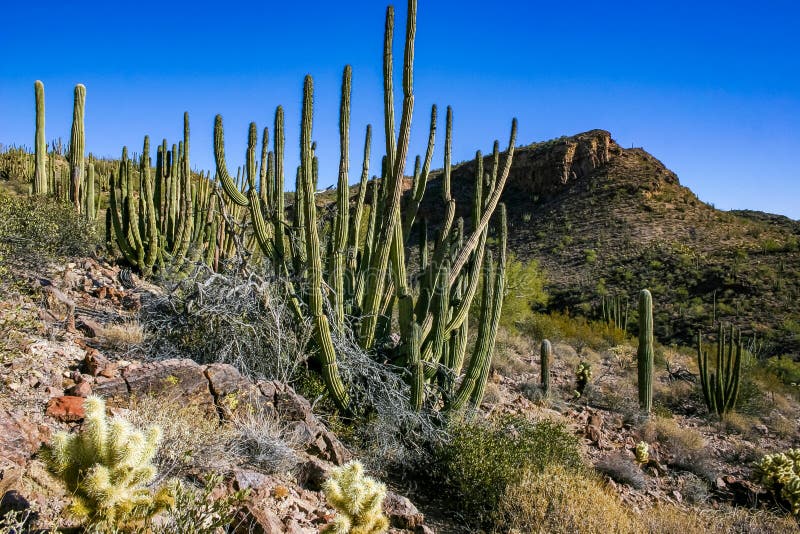
Carnegiea gigantea is nothing short of a desert colossus, a towering figure that has become a symbol of resilience and grace. These giants can stretch skyward for over 40 feet, their arms like ancient cathedral spires reaching toward the heavens. In a desert conservatory, witnessing a saguaro up close is like encountering a living monument to patience and persistence. Their blossoms, brief as desert rains, emerge in a miraculous burst of creamy white, a nocturnal spectacle pollinated by bats and moths.
Visitors to desert conservatories often find themselves mesmerized by this plant’s slow but resolute growth. Each ribbed arm is a testament to decades of coping with violent temperature swings and scarce water. The conservatory environment brings these plants to life in a way no photograph or textbook ever could—illuminating their slow dance with the desert and the unyielding strength behind their serene stance.
Ferocactus: Nature’s Armored Guardians

In stark contrast to the towering Carnegiea stands the fierce and compact Ferocactus, often referred to as “barrel cacti” for their stout, globe-like bodies fortified with formidable spines. These spines are not mere decorations—they are nature’s armor, protecting the cactus from voracious desert herbivores. Inside a desert conservatory, these prickly relics evoke a warrior’s aura, rough and unwavering.
Ferocactus species captivate with their geometric symmetry and vibrant blooms, often yellow, red, or orange, that appear like sparks in a constellation of spines. Their thick skins are reservoirs of water, enabling survival through crippling droughts. Conservatories display these plants as stoic reminders that even in adversity, life manifests with extraordinary tenacity and surprising beauty.
The Unique Appeal of Desert Conservatories
Why do desert conservatories enthrall so many visitors? Perhaps it’s their paradoxical nature: they are green refuges of life thriving amidst, and because of, harshness. Here, cacti serve as the great storytellers, narrating evolutionary tales of water scarcity, temperature extremes, and symbiotic partnerships with desert fauna. Conservatories become classrooms of wonder, where every spine and flower reveals a chapter in nature’s epic saga.
Moreover, desert conservatories offer a sensory immersion that transcends mere observation. The dry warmth, the scent of sun-warmed earth, the interplay of shadows cast by sculpted cacti—all evoke a profound connection to the wild frontier of deserts. They inspire introspection on endurance and adaptation in both the plant kingdom and human spirit.
Where to Experience These Desert Marvels
Across the globe, several world-renowned desert conservatories invite explorers to witness the grandeur of Carnegiea and Ferocactus first-hand. Botanical gardens in arid climates—ranging from the deserts of the American Southwest to Mediterranean and subtropical regions—often house these species under specially designed glasshouses or open-air collections.
These institutions are more than static displays. Many feature expert-led tours, interactive exhibits, and even seed banking programs dedicated to preserving rare and endangered cacti species. The hands-on experiences and educational opportunities deepen appreciation for these succulent wonders and the fragile ecosystems they represent.
Some conservatories also incorporate artistic elements, showcasing sculptures and landscape designs inspired by desert motifs, blending human creativity with natural resilience. This synergy enhances the visitor’s experience, transforming a botanical visit into an unforgettable journey through time, texture, and tenacity.
Caring for Cacti Outside the Conservatory
Inspired by their visit to desert conservatories, many enthusiasts yearn to cultivate their own piece of desert history. Understanding the needs of Carnegiea and Ferocactus is crucial for successful growth beyond their native landscapes. Replicating desert conditions—ample sunlight, well-draining soil, minimal water—is essential, as is patience, for these giants and warriors grow at a thoughtful pace.
Learning from conservatory horticulturists, gardeners discover that the secret lies in respecting each cactus’s natural rhythm, resisting overwatering, and protecting young plants from excessive cold. The journey of nurturing these plants mirrors the desert’s own lessons: that growth can be slow but richly rewarding when given the proper conditions and reverence.
Desert conservatories are, indeed, portals into a world where survival is a masterpiece. Carnegiea and Ferocactus stand as emblematic figures—silent yet eloquent witnesses to nature’s ingenuity. Visiting these sanctuaries is a revelatory experience, a chance to marvel at the desert’s sculpted artistry and draw inspiration from its timeless vitality.
FAQ
What is a desert conservatory?
A desert conservatory is a climate-controlled space designed to replicate desert conditions, showcasing cacti and other desert plants.
What are Carnegiea and Ferocactus?
Carnegiea refers to the saguaro cactus, while Ferocactus, often called barrel cacti, are known for their stout bodies and formidable spines.


Leave a Reply