

Short Answer
The humble cactus, often perceived as a prickly oddity of the desert, has blossomed into an object of widespread fascination. Its resilience and striking forms captivate gardeners, artists, and nature lovers alike. This fascination transcends simple admiration, revealing deeper connections to survival, adaptation, and a celebration of nature’s artistry. Around the globe, communities have embraced this enigmatic plant, dedicating entire festivals to its beauty, cultural symbolism, and ecological importance. These cactus festivals offer a compelling glimpse into the myriad ways humans find meaning and joy in the arid landscapes where cacti thrive.
Origins of Cactus Fascination: A Shared Human Story
The allure of cacti stems from more than their spiny exteriors or sculptural silhouettes. Across continents and cultures, cacti symbolize endurance and protection. Their ability to flourish in harsh, unforgiving environments mirrors the human spirit’s tenacity. This common observation explains why societies from the Americas to the Mediterranean hold this plant in such reverence. Their unique physiognomy evokes both caution and admiration, bridging nature’s starkness and the aesthetic impulse.
Historically, indigenous peoples have used cacti not only as sustenance but also in spiritual rituals, medicines, and as symbols woven into folklore. This cultural significance amplifies the reasons behind the spirited celebrations seen today, transforming what might be considered a mere botanical curiosity into a profound emblem of life’s persistence.
Desert Botanical Festivals: The Heartland of Cactus Celebration
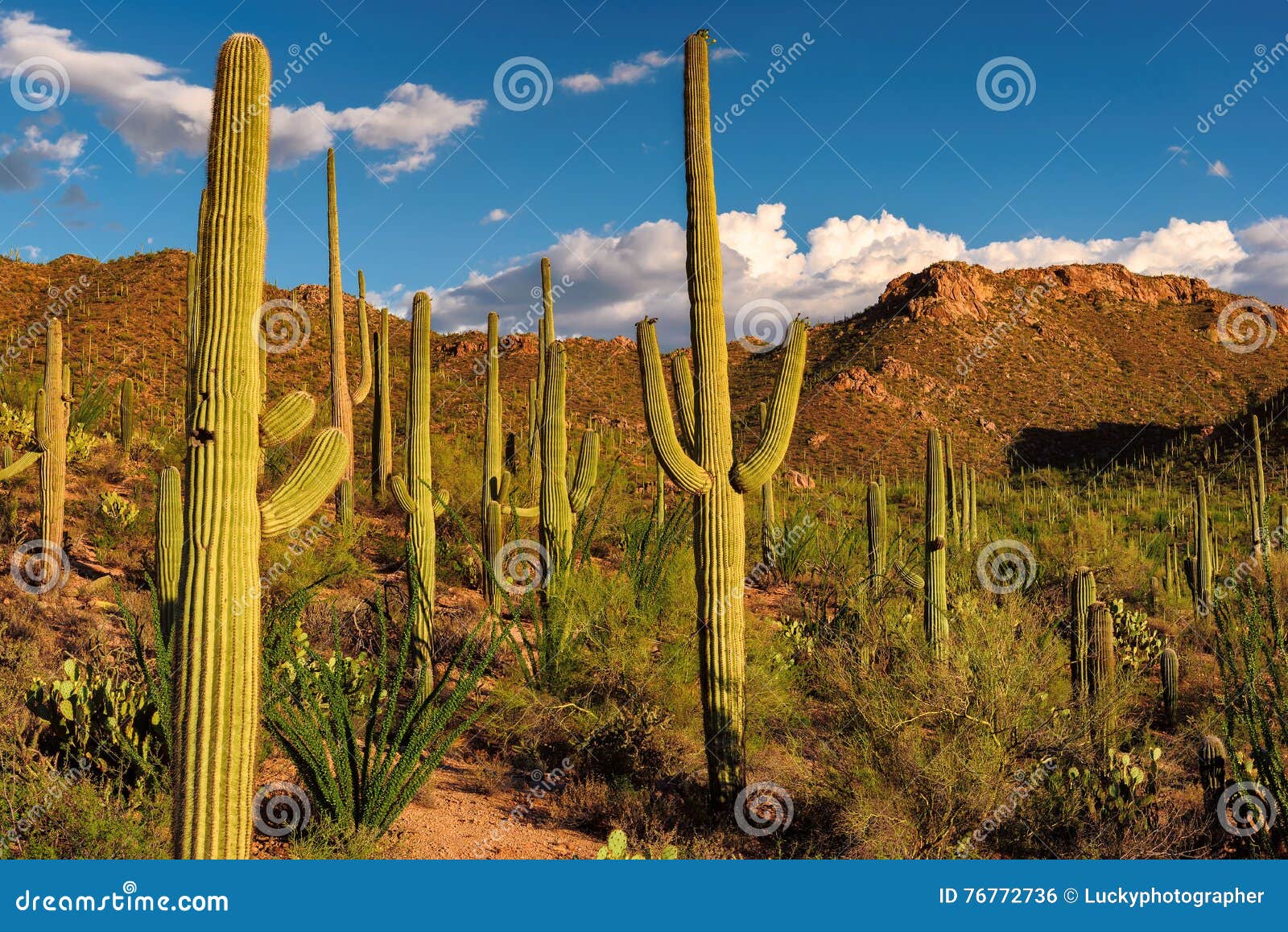
In the sun-soaked deserts of the southwestern United States, cactus festivals are a vibrant affair. Towns nestled amid arid landscapes come alive every year to honor their native succulents. Here, festivals often spotlight native species like the saguaro, prickly pear, and cholla, which have become iconic in the American Southwest.
The spectacle extends beyond simple displays. Workshops delve into the ecology and conservation of desert plants, educating attendees on the pivotal role cacti play in fragile ecosystems. Artisanal markets brim with cactus-inspired crafts, from pottery to textiles, while culinary booths offer prickly pear jams and cactus salads, introducing guests to the versatile nature of these plants.

These festivals serve not only to celebrate the cactus’s aesthetic but also highlight its integration into local identity and heritage. They foster a communal respect for desert landscapes that are often misunderstood or undervalued.
Exotic Cactus Festivals in Latin America: Tradition Meets Innovation
Latin America, the cradle of countless cactus species, hosts some of the most colorful and spirited cactus festivals worldwide. Countries like Mexico and Argentina feature events that blend indigenous customs with contemporary artistic expression. These festivities often intertwine with religious and harvest celebrations, showcasing cacti as sacred plants that sustain life in arid zones.
In Mexico, for example, festivals coincide with the blooming of the nopal cactus, an agricultural staple and culinary delight. Devotees gather to honor this plant’s dual role as both nourishment and symbol of resilience. Parade floats adorned with intricate cactus motifs wind their way through streets filled with music, dance, and traditional garb, casting a vibrant spell over participants and spectators alike.

Innovation also finds a place here. Contemporary artists reimagine cactus forms in sculpture and performance art, celebrating the plant’s enduring influence on cultural identity. Such festivals highlight not only the plant’s botanical interest but also its vibrant symbolism as a life source in challenging environments.
Modern Urban Cactus Festivals: Green Oases in Concrete Jungles
Urban centers have embraced the cactus phenomenon, transforming it into a contemporary cultural movement. In sprawling cosmopolitan areas, cactus festivals serve as unexpected green interludes amid steel skyscrapers and paved streets. These festivals nurture a reconnection with nature, emphasizing sustainability and ecological awareness.
City events often spotlight urban gardening trends, where succulent and cactus cultivation have surged in popularity due to their low maintenance and aesthetic versatility. Workshops encourage plant propagation techniques, promoting biodiversity even within limited urban spaces. The cactus becomes a symbol of urban resilience—thriving despite challenges posed by limited resources and environmental stressors.
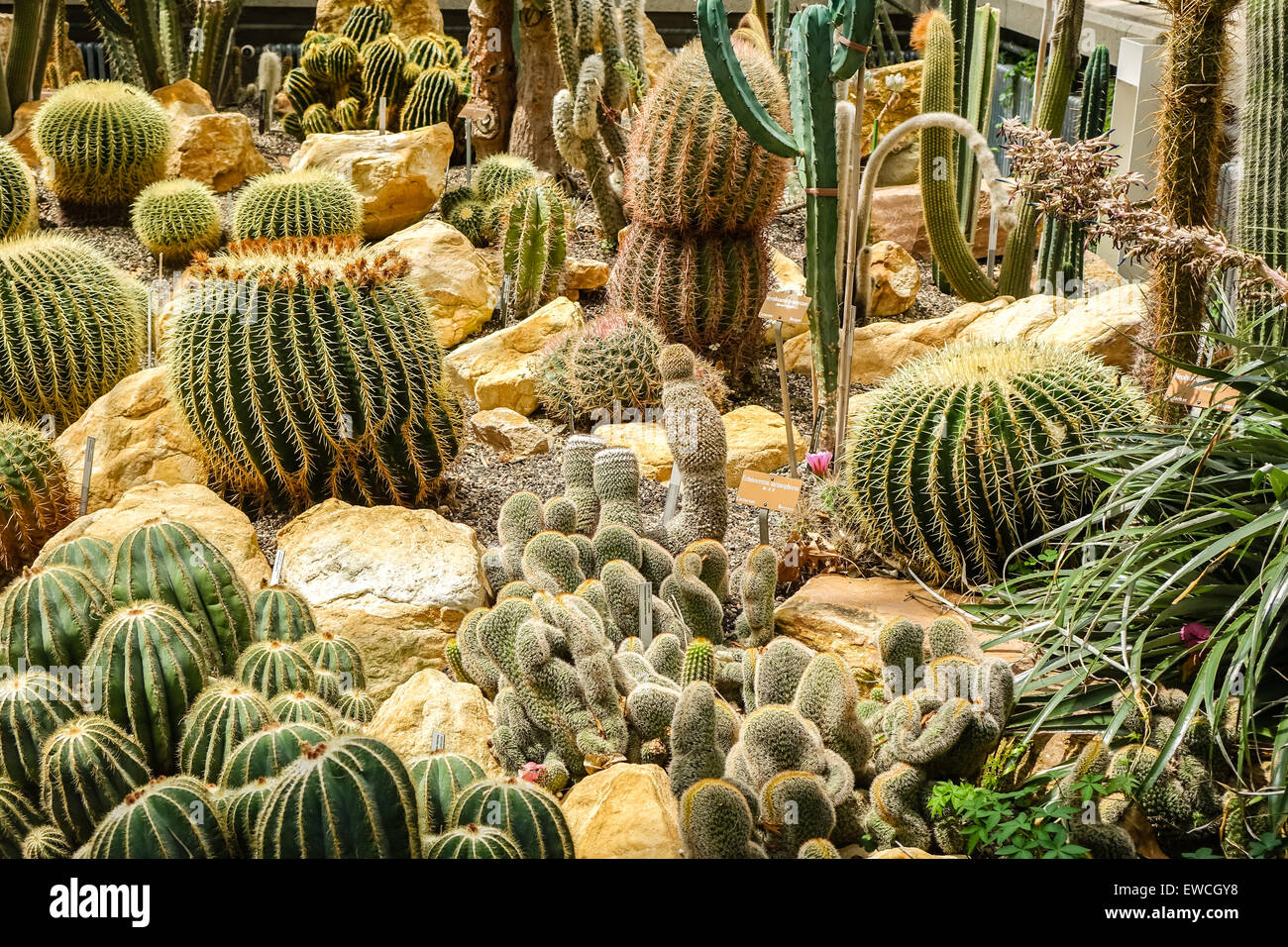
Through art installations and pop-up markets, these urban festivals blend tradition and innovation. Attendees leave inspired to nurture their own small desert-like havens at home or work, proving that fascination with cacti transcends geography and lifestyle.
The Ecological and Educational Importance of Cactus Festivals
Beyond celebration, cactus festivals frequently champion environmental stewardship. As climate change and habitat loss threaten deserts worldwide, these events underscore the importance of preserving native flora. By educating the public about the delicate balance of desert ecosystems, festivals galvanize community involvement in conservation efforts.
Interactive exhibits illuminate the intricate relationships between cacti and desert wildlife, such as pollinators and reptiles. Attendees gain insight into the plant’s adaptations—water storage, temperature regulation, and defensive spines—that enable survival in extreme conditions. This heightened awareness fosters deeper appreciation and advocacy for desert biodiversity.
Moreover, festivals provide a platform for researchers and indigenous knowledge holders to share insights, blending science and tradition. This holistic understanding enriches the collective grasp of cactus ecology and highlights the plant as a keystone species in desert habitats.
Conclusion: Why Cactus Festivals Matter in a Changing World
The global phenomenon of cactus festivals reveals that the fascination with these resilient plants runs deep. Far more than prickly oddities or decorative houseplants, cacti embody endurance, adaptability, and a profound connection to place. Celebrating them through festivals creates spaces for community, cultural expression, education, and ecological consciousness.
Whether in the desert towns of the American Southwest, the vibrant streets of Latin America, or urban green sanctuaries, cactus festivals invite us to marvel at nature’s ingenuity. They remind us that even in the harshest environments, life thrives in remarkable forms—inviting all who witness to cultivate not only cacti but also resilience within themselves.
FAQ
What are cactus festivals?
Cactus festivals are events dedicated to celebrating the beauty, cultural significance, and ecological importance of cacti, often featuring workshops, art, and community activities.
Where are cactus festivals commonly held?
They are commonly held in desert regions like the American Southwest, Latin America, and increasingly in urban areas worldwide.
Why do people celebrate cacti?
People celebrate cacti for their resilience, cultural symbolism, ecological role, and unique aesthetic appeal.
How do cactus festivals support conservation?
They educate the public about desert ecosystems, promote environmental stewardship, and encourage the preservation of native flora.


Leave a Reply