
Short Answer
In the verdant world of succulent commerce, few plants command attention—and profit—like cacti. Their resilience, diversity, and aesthetic appeal make them a lucrative niche for both novice and seasoned plant entrepreneurs. But not all cactus genera are created equal when it comes to profitability. Whether you’re a greenhouse owner, an Etsy seller, or a wholesale distributor, understanding which species thrive in the market can transform your business from a hobbyist’s dream into a thriving enterprise. Let’s explore the most profitable cactus genera to sell, dissecting their unique selling points, care requirements, and the types of content that will captivate your audience.
The Golden Trio: High-Demand Cactus Genera That Sell Fast
Certain cactus genera consistently dominate sales charts due to their striking appearances, ease of care, and photogenic qualities. Echeveria, with its rosette-shaped succulents, is a perennial favorite. These plants come in a dazzling array of colors—from powdery blues to vibrant pinks—and their compact size makes them perfect for terrariums and desktop displays. Their popularity on social media platforms like Instagram and TikTok has only amplified their market demand, turning them into a staple for both collectors and casual buyers.
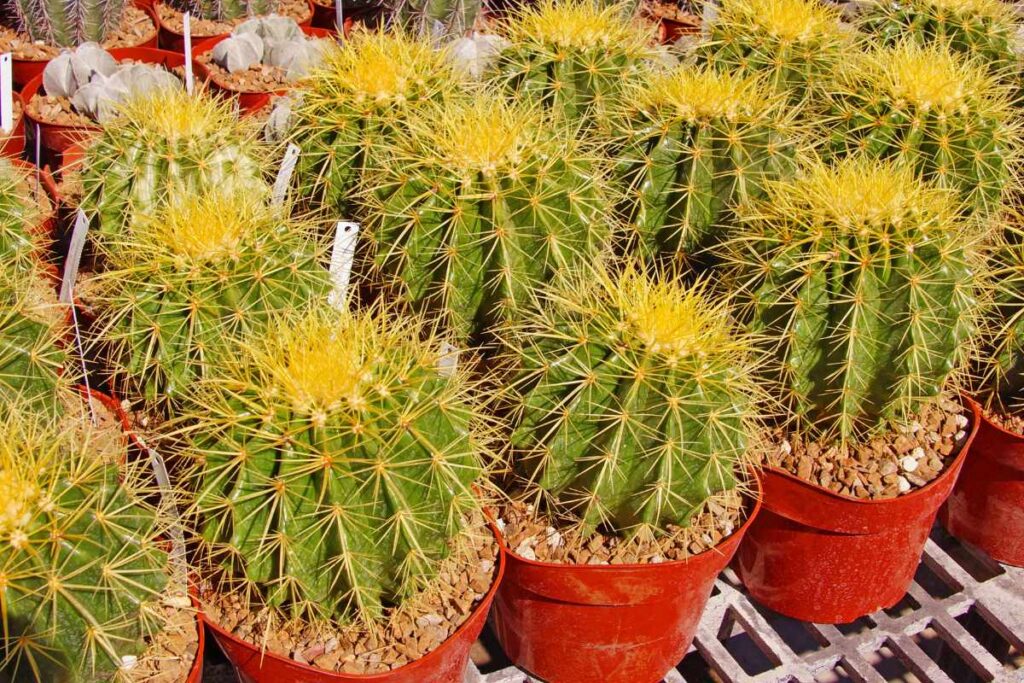
Next in line is Mammillaria, a genus celebrated for its globular forms and prolific flowering. These cacti produce clusters of tiny, vibrant blooms that can turn a simple green plant into a showstopper. Their diminutive size and slow growth rate make them ideal for beginners, while their unique textures—some species boast hooked spines or fuzzy areoles—add a tactile allure that buyers adore. Gymnocalycium, another high-seller, offers a softer, more rounded silhouette compared to the spiky competition. Their pastel hues and minimal care requirements make them a hit with urban plant parents who crave beauty without the fuss.
For those seeking a premium market, Lobivia and Ariocarpus are the darlings of collectors. These genera command higher prices due to their rarity and intricate forms. Lobivia’s trumpet-shaped flowers and Ariocarpus’ geometric, almost alien-like appearance make them conversation pieces in any collection. While they require more specialized care, their exclusivity ensures a dedicated buyer base willing to pay top dollar.

Niche Gems: Profitable Cacti for Specialized Markets
Beyond the mainstream favorites, several lesser-known genera cater to niche audiences willing to invest in uniqueness. Turbinicarpus, for instance, is a gem among cactus enthusiasts. Its diminutive size and slow growth make it a prized possession for succulent connoisseurs, while its rarity drives up prices in specialized markets. Similarly, Escobaria offers a blend of charm and hardiness, appealing to both collectors and landscapers looking for drought-tolerant ground covers.
The Astrophytum genus, with its star-shaped ribs and occasional white flecks, is another hidden treasure. Species like Astrophytum asterias, often called the “sea urchin cactus,” fetch premium prices due to their slow growth and striking appearance. These cacti are perfect for those targeting the luxury plant market, where exclusivity and aesthetic appeal are paramount. Meanwhile, Pediocactus and Sclerocactus thrive in harsh conditions, making them ideal for xeriscaping projects—a growing trend in sustainable landscaping.
For the adventurous seller, Copiapoa and Neoporteria offer a challenge with their unique forms and cultural requirements. These South American natives are not for the faint of heart, but their unusual appearances—think ribbed, columnar structures or densely packed spines—make them irresistible to collectors. Marketing these genera requires storytelling: emphasize their native habitats, their resilience in arid climates, and the satisfaction of nurturing a rare specimen.

Content Strategies to Maximize Sales and Engagement
Selling cacti isn’t just about the plants—it’s about the story you weave around them. High-quality content can elevate your brand from a simple seller to a trusted authority in the succulent world. Start with educational guides that demystify care routines. For example, a blog post titled “How to Revive a Wrinkled Cactus: A Step-by-Step Rescue Guide” positions you as a problem-solver, while a video tutorial on “Repotting Your Echeveria Without Killing It” builds trust through actionable advice.
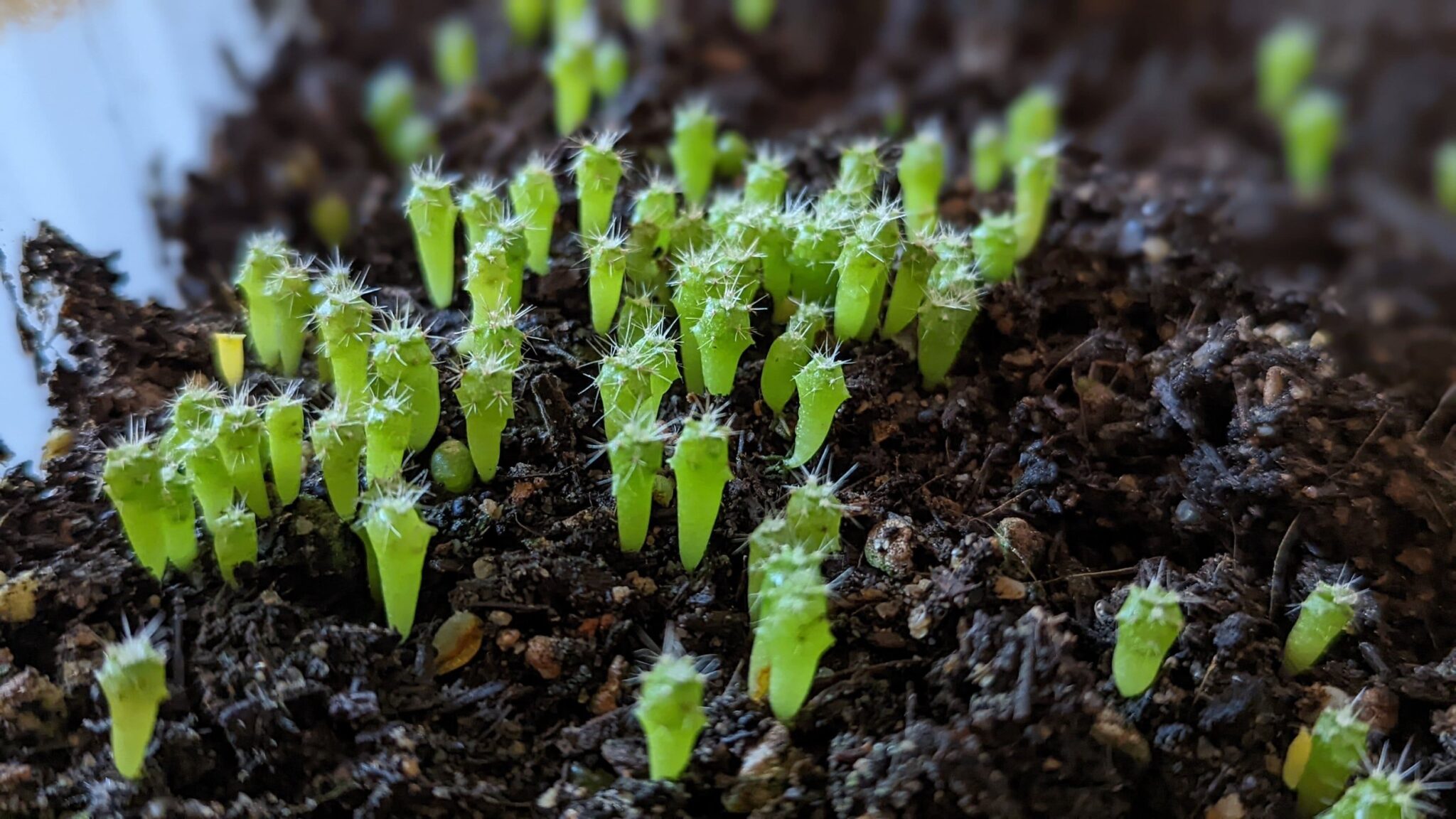
Visual content is king in the plant industry. Time-lapse videos of cacti growing from offsets or blooming can go viral, while before-and-after photos of neglected plants revived under your care serve as powerful testimonials. Consider creating a “Cactus of the Month” series, where you highlight a different genus each month, sharing its history, care tips, and styling ideas. This not only educates your audience but also keeps your content fresh and shareable.
Social media thrives on interactivity. Host live Q&A sessions where you diagnose plant issues in real-time, or run a “Guess the Cactus” contest where followers identify genera from close-up images. User-generated content, like customer photos of their cacti thriving under your guidance, builds community and social proof. Don’t underestimate the power of behind-the-scenes content—show your greenhouse, your propagation techniques, or even your failed experiments (with a humorous twist). Authenticity fosters connection.
For the more ambitious seller, collaborate with influencers in the plant community. Partner with micro-influencers who specialize in succulents to create unboxing videos or styling tutorials featuring your cacti. Alternatively, pitch guest posts to popular plant blogs or magazines, positioning your brand as a thought leader. Email newsletters with exclusive offers, such as early access to rare species or seasonal care tips, can also drive repeat purchases.

Pricing Strategies: Balancing Profit and Perceived Value
Pricing cacti requires a delicate balance between profitability and market expectations. For common genera like Echeveria or Mammillaria, competitive pricing is key. Offer bundles—such as “3 Mini Echeverias for $25″—to encourage bulk purchases, or create themed sets like “Desert Sunset” with complementary colors. For rarer genera, adopt a tiered pricing model based on size, maturity, and variegation. A variegated Gymnocalycium, for example, can command double the price of a standard specimen.
Consider the psychological pricing approach. Prices ending in .99 or .75 create a perception of affordability, while rounded numbers (e.g., $50 instead of $49.99) can signal premium quality. For high-end collectors, offer “collector’s editions” with certificates of authenticity, limited-edition pots, or personalized care tags. Subscription boxes, where customers receive a curated cactus each month, can also generate recurring revenue while fostering brand loyalty.
Don’t overlook the power of seasonal pricing. Cacti peak in popularity during the holiday season, when they make unique gifts. Launch a “12 Days of Cacti” promotion in December, or bundle them with holiday-themed decor. Conversely, slow seasons (like late winter) are perfect for clearance sales or “plant rescue” deals, where you discount slightly imperfect specimens to move inventory. Transparency in pricing—such as breaking down costs for rare species—can also justify higher prices to skeptical buyers.
Sustainability and Ethical Sourcing: Building a Trustworthy Brand
In today’s market, consumers care deeply about where their plants come from. Ethical sourcing isn’t just a moral imperative—it’s a competitive advantage. Highlight your commitment to responsible propagation by emphasizing that your cacti are nursery-grown, not wild-harvested. Share stories of your sustainable practices, such as using recycled pots, rainwater harvesting, or partnering with local conservation initiatives. Certifications, even informal ones like “Ethically Grown,” can set you apart.
Educate your audience on the importance of biodiversity conservation. Many rare cacti, like those in the Ariocarpus genus, are threatened in the wild due to over-collection. By promoting cultivated varieties and discouraging poaching, you position your brand as a steward of the environment. Consider donating a percentage of profits to conservation organizations or offering “adopt-a-cactus” programs where proceeds support habitat protection.
Packaging is another opportunity to reinforce your brand’s values. Use biodegradable or reusable pots, and opt for minimalist, plastic-free wrapping. Include care cards made from recycled paper, or embed QR codes linking to educational resources about the cactus’s natural habitat. These small touches build trust and resonate with eco-conscious buyers who are willing to pay a premium for sustainability.
Final Thoughts: Cultivating a Profitable Cactus Business
The cactus market is as diverse as the plants themselves, offering opportunities for every level of seller—from the hobbyist with a windowsill collection to the wholesale distributor with acres of greenhouse space. The key to profitability lies in understanding your audience, curating a selection that balances popularity with exclusivity, and crafting content that educates, inspires, and engages. Whether you’re selling the ubiquitous Echeveria or the elusive Turbinicarpus, remember that each cactus has a story waiting to be told.
By combining strategic pricing, compelling storytelling, and a commitment to ethical practices, you can transform your cactus business into a flourishing enterprise. The desert may be barren, but the market for these spiky wonders is anything but. With the right approach, your cacti won’t just survive—they’ll thrive.
FAQ
What are the most profitable cactus genera to sell?
High-demand genera include Echeveria, Mammillaria, and Gymnocalycium, known for their striking appearances and ease of care.
How can I market cacti effectively?
Utilize educational content, social media engagement, and influencer collaborations to build a trustworthy brand.
What pricing strategies work for selling cacti?
Consider competitive pricing for common varieties and tiered pricing for rarer species, along with seasonal promotions.




Leave a Reply