
Short Answer
In the vast, sun-scorched deserts and the arid nooks of urban balconies, cacti stand as silent sentinels of resilience, their spines whispering secrets of survival. These botanical marvels, with their geometric silhouettes and stoic demeanor, are more than mere plants—they are living sculptures, guardians of arid elegance. But where does one embark on the quest to find these prickly treasures? The answer lies in the hallowed halls of cactus nurseries, where each specimen is a testament to nature’s ingenuity, and every visit is an expedition into a world of thorny wonders.
The Allure of the Prickly: Why Cacti Captivate the Imagination
Cacti are the rebels of the plant kingdom, thriving where others wither. Their ability to store water in swollen stems, their armor of spines that double as solar panels, and their blooms that burst forth like fireworks after rare desert rains—these are not mere adaptations; they are feats of evolutionary poetry. To cultivate cacti is to invite a piece of the wild into your home, a living fragment of a landscape that refuses to be tamed.
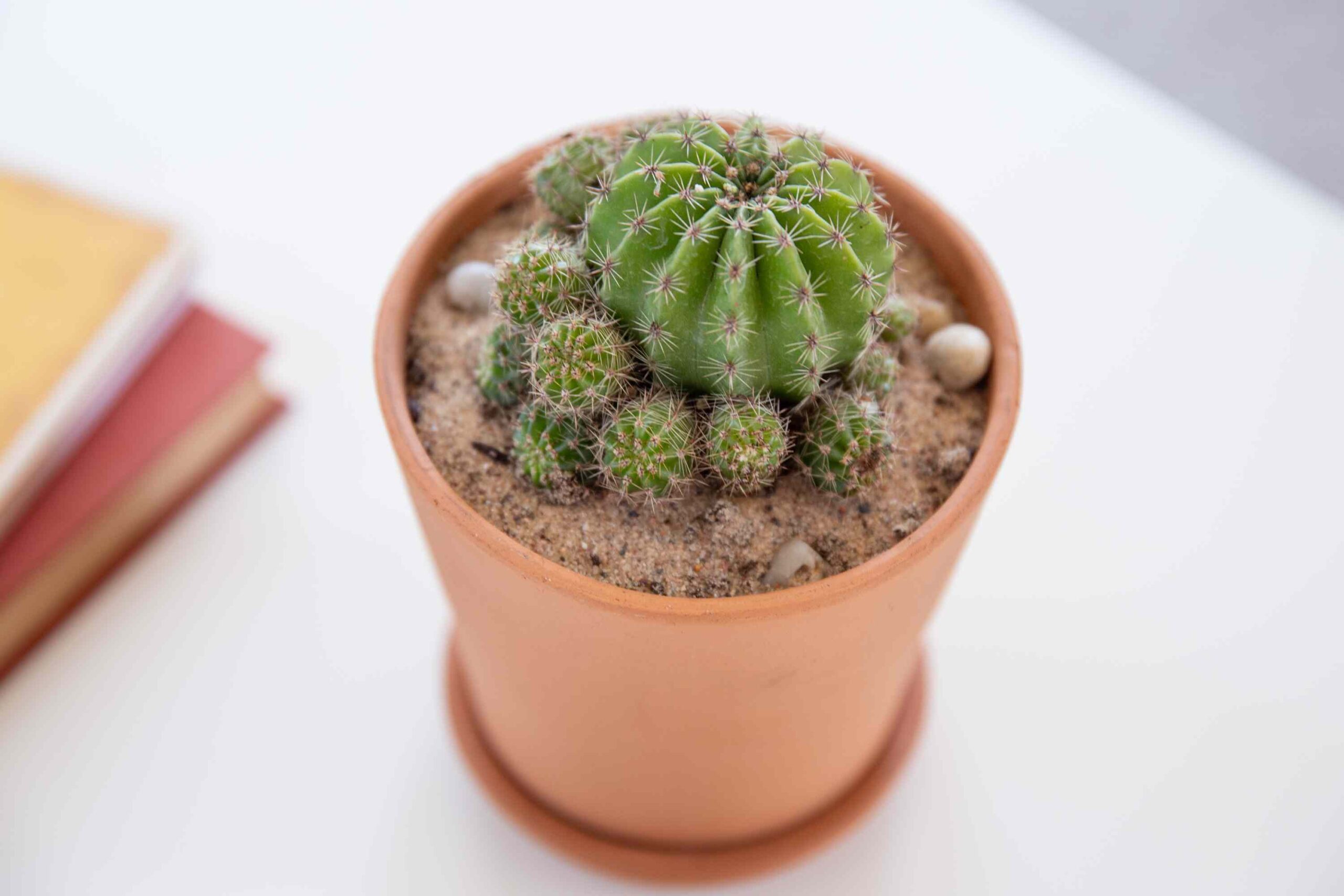
Consider the Saguaro, that towering giant of the Sonoran Desert, its arms outstretched as if in perpetual embrace. Or the Echinocactus grusonii, the golden barrel cactus, whose ribbed body glows like a miniature sun. Each species tells a story of adaptation, of survival against the odds. When you bring a cactus into your space, you’re not just buying a plant—you’re adopting a survivor, a botanical gladiator that has outlasted millennia.
The Quest Begins: What to Look for in a Cactus Nursery
A great cactus nursery is more than a store; it’s a sanctuary where enthusiasts and novices alike can immerse themselves in the world of succulent splendor. But not all nurseries are created equal. The best ones are staffed by true xerophyte whisperers—experts who can identify a Mammillaria by its tubercles or diagnose a case of root rot with a single glance. They are places where the air hums with the quiet reverence of a cathedral, where every shelf is a shrine to the spiny and the succulent.
When choosing a nursery, seek out those that prioritize ethical propagation. A reputable establishment will grow its own plants from seed or cuttings, ensuring genetic diversity and reducing the strain on wild populations. Look for signs of healthy stock: firm, unblemished stems, vibrant spines, and no signs of pests or disease. And don’t overlook the importance of microclimate awareness—a nursery that understands the specific needs of desert plants will guide you toward species that thrive in your home’s conditions.
The Hidden Gems: Uncommon Cacti Worth Seeking Out
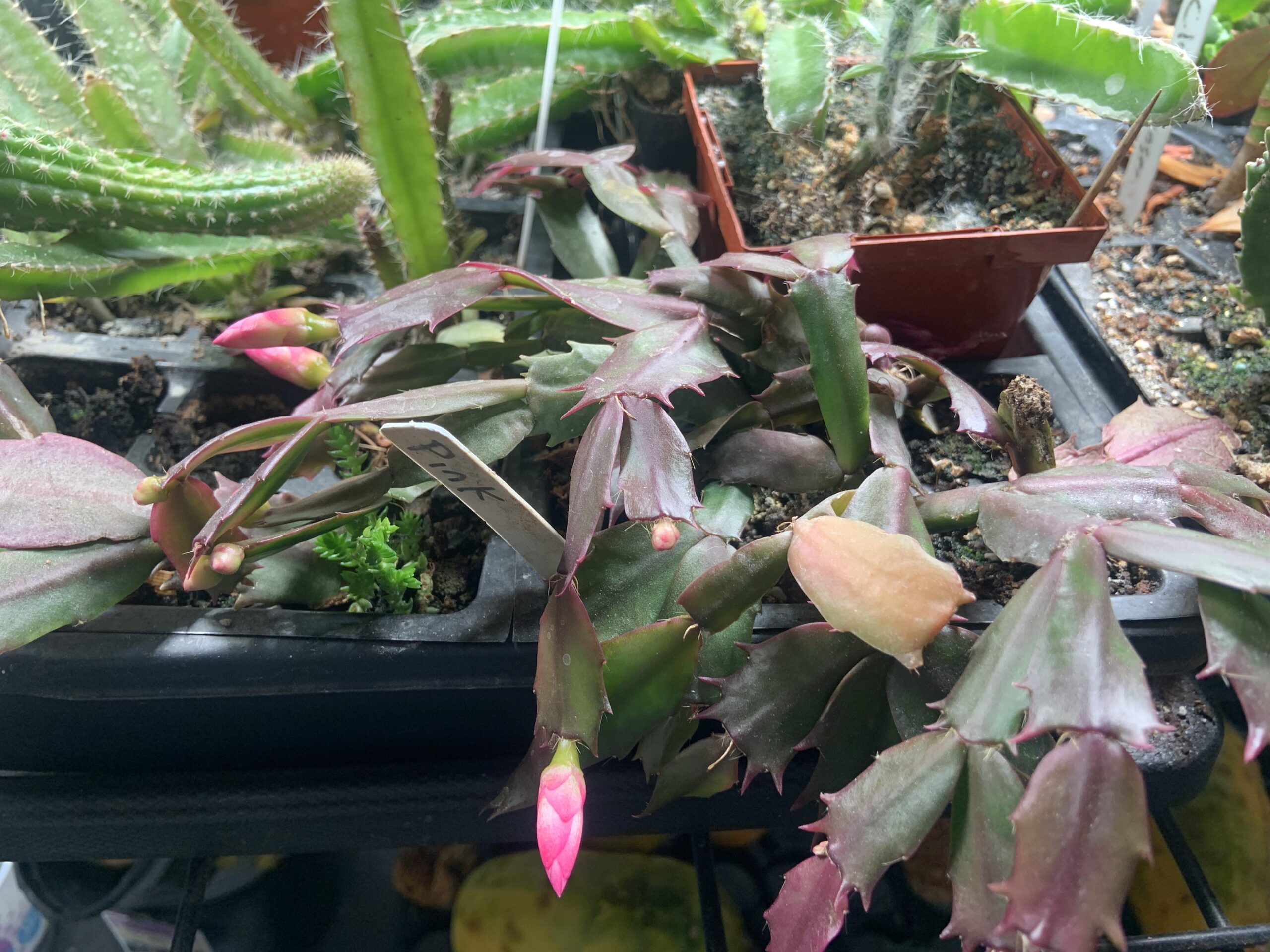
While the Prickly Pear and Christmas Cactus may be household names, the true connoisseurs of the cactus world know that the real magic lies in the obscure and the extraordinary. Have you ever encountered the Lophophora williamsii, the peyote cactus, with its button-like crown and sacred history? Or the Astrophytum asterias, the sea urchin cactus, whose ribbed body resembles a starfish from another planet?
The Turbinicarpus genus offers a menagerie of tiny, jewel-like cacti, each one a miniature masterpiece of nature’s design. Then there’s the Pediocactus, a genus of high-desert dwellers that bloom in a riot of pinks and purples when spring arrives. These are not plants for the faint of heart; they are for the adventurous, the collectors, the ones who see a cactus not just as a plant, but as a work of art.
The Art of Cactus Care: From Nursery to Your Home
Bringing a cactus home is only the first step in a lifelong dance of care and cultivation. These plants are not low-maintenance; they are high-attention survivors, demanding a delicate balance of light, water, and soil. Too much water, and they rot like forgotten dreams. Too little, and they wither into skeletal husks. The key lies in understanding their native habitats—whether it’s the scorching sands of the Chihuahuan Desert or the misty cliffs of the Andes—and replicating those conditions as closely as possible.
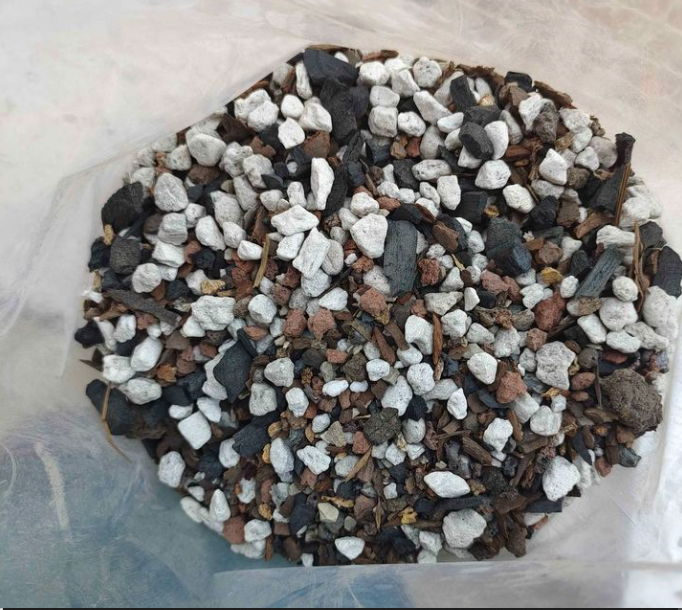
Start with the soil: a gritty, well-draining mix is non-negotiable. Think of it as a lifeline, a way to prevent the suffocating embrace of soggy earth. Water sparingly, allowing the soil to dry completely between drinks. And light? Oh, light is everything. Most cacti crave the intensity of full sun, but some, like the Epiphyllum (the orchid cactus), prefer the dappled shade of a jungle canopy. Observe your plant like a hawk, and adjust its environment accordingly.
The Community of Cactus Enthusiasts: Where to Connect and Learn
The world of cactus cultivation is a tapestry woven with threads of passion, expertise, and camaraderie. Whether you’re a seasoned collector or a curious beginner, there’s a place for you in this vibrant subculture. Online forums like CactusArt Nursery or Desert Botanical Garden’s community boards are teeming with advice, trade opportunities, and tales of botanical triumphs and tragedies. Local cactus and succulent societies often host workshops, where experts demonstrate repotting techniques or diagnose mysterious plant ailments.
Social media has also become a haven for cactus lovers, with Instagram hashtags like #CactusLove or #SpineyAndProud showcasing everything from rare species to DIY propagation projects. These digital gathering places are more than just platforms for sharing photos—they’re incubators of knowledge, where novices can learn from the mistakes of others and veterans can geek out over the latest hybrid cultivars.
The Future of Cactus Cultivation: Trends and Innovations
As climate change reshapes our world, the importance of cacti—and the nurseries that cultivate them—has never been more pronounced. These plants are not just decorative; they are harbingers of a more sustainable future. Their ability to thrive in arid conditions makes them ideal candidates for xeriscaping, a landscaping movement that champions water conservation. Nurseries are responding by developing drought-resistant hybrids and educating the public on the ecological benefits of cactus gardening.
Innovations in propagation are also making cacti more accessible than ever. Tissue culture, a technique that grows plants from tiny tissue samples in a lab, allows nurseries to produce disease-free specimens at scale. Meanwhile, advances in LED grow lights are enabling enthusiasts to cultivate cacti in urban apartments, turning windowsills into miniature deserts. The future of cactus cultivation is bright, bold, and brimming with possibility.
A Final Word: Why Cacti Are More Than Just Plants
In a world that often feels chaotic and uncertain, cacti offer a rare gift: stability. They ask for little but give so much in return—a splash of green in a concrete jungle, a reminder of the wild’s enduring spirit, a living symbol of resilience. Whether you’re drawn to their architectural forms, their vibrant blooms, or their quiet strength, cultivating cacti is an act of defiance against the ordinary. It’s a declaration that even in the harshest conditions, life will find a way to flourish.
So, where will your cactus journey begin? Will you seek out a hidden gem of a nursery, where the air smells of sun-baked earth and the shelves groan under the weight of rare specimens? Or will you start small, with a humble Haworthia on your desk, and let the world of cacti unfold before you, one spine at a time? The desert awaits. The spines are ready. All that’s left is for you to take the first step.
FAQ
What is the best way to choose a cactus nursery?
Look for nurseries with knowledgeable staff, ethical propagation practices, and healthy plants.
How do I care for my new cactus?
Ensure proper light, watering, and soil conditions to keep your cactus healthy.

Leave a Reply