
Short Answer
In the vast, sun-scorched tapestry of the desert, where life clings to existence with tenacious grace, there exists a silent symphony of resilience and beauty—cacti. Among these prickly poets of the plant kingdom, genera like Astrophytum and Echinocactus stand as living sculptures, each a testament to evolutionary ingenuity. These cacti are not merely survivors; they are masterpieces of adaptation, their forms and functions a dance between harsh necessity and breathtaking artistry. To understand their uniqueness is to peer into the heart of nature’s most audacious experiments in survival.
The Geometry of Survival: How Astrophytum Defies Expectations
Astrophytum, with its star-like silhouette and ribbed elegance, is a geometric marvel. Unlike the towering sentinels of the Echinocactus genus, these cacti are often small, their bodies flattened into discs or globes, their ribs sharp and angular. This design is no accident—it’s a masterclass in water conservation. The ribbed structure allows the cactus to expand and contract with the ebb and flow of scarce rainfall, storing precious moisture in its fleshy tissues like a miser hoarding gold. The star-shaped cross-section isn’t just for show; it maximizes surface area for photosynthesis while minimizing exposure to the scorching sun, a delicate balance between energy production and self-preservation.
But the true magic lies in their epidermis. Covered in a fine, woolly fuzz or adorned with flecks of white, Astrophytum species like A. capricorne and A. myriostigma appear almost otherworldly, as if dusted with stardust. This trichome layer isn’t mere decoration—it’s a shield against the desert’s relentless glare, reflecting sunlight and reducing water loss. It’s as if these cacti have draped themselves in the very fabric of the cosmos, turning their vulnerability into a celestial spectacle.
Echinocactus: The Titan of the Desert Floor
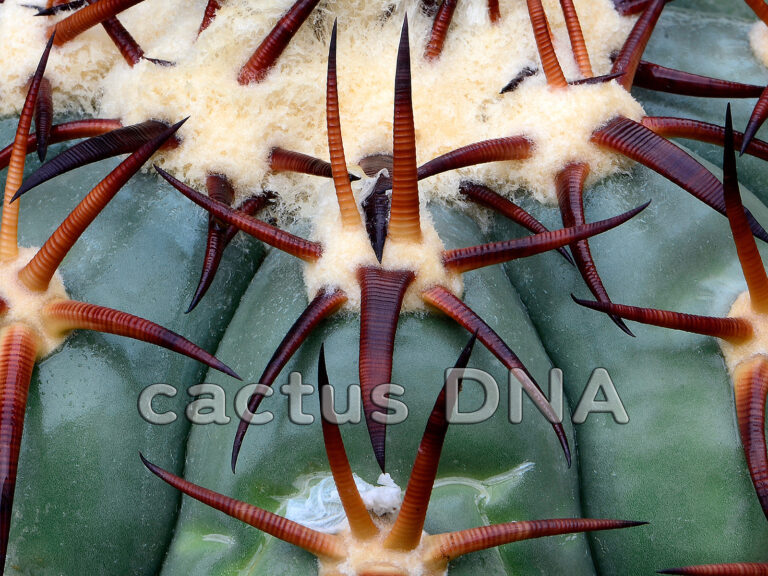
Where Astrophytum whispers of quiet elegance, Echinocactus bellows with the authority of a desert monarch. These are the giants of the lowland plains, their spherical bodies growing to massive proportions over decades, their ribs deep and pronounced like the corrugated armor of an ancient warrior. The most iconic of the genus, E. grusonii—the golden barrel cactus—is a living fortress, its dense spines radiating outward like the quills of a porcupine, a deterrent against herbivores and a solar panel of sorts, casting shadows that protect its sensitive skin.
Their size is no mere vanity; it’s a survival strategy. A large Echinocactus can store enough water to endure years of drought, its thick, waxy cuticle sealing in moisture like a vault. The ribs aren’t just structural—they’re a vascular highway, channeling water and nutrients to every corner of the plant. And when the rare rains come, these cacti drink deeply, their bodies swelling like blissful sponges, ready to sustain them through the next arid chapter. They are the stoic elders of the desert, their slow growth a testament to patience, their presence a promise of endurance.
The Alchemy of Adaptation: Spines, Flowers, and the Language of Defense
Spines are the cactus’s first line of defense, but they are so much more than mere weapons. In Astrophytum, they are delicate, almost decorative—fine as needles, arranged in geometric patterns that belie their protective purpose. In Echinocactus, they are stout and formidable, a bristling hedge against the world. Yet both serve a dual role: they shield the cactus from the sun’s intensity, creating microclimates of shade that reduce water loss, and they scatter sunlight to prevent overheating, a trick of physics as much as biology.
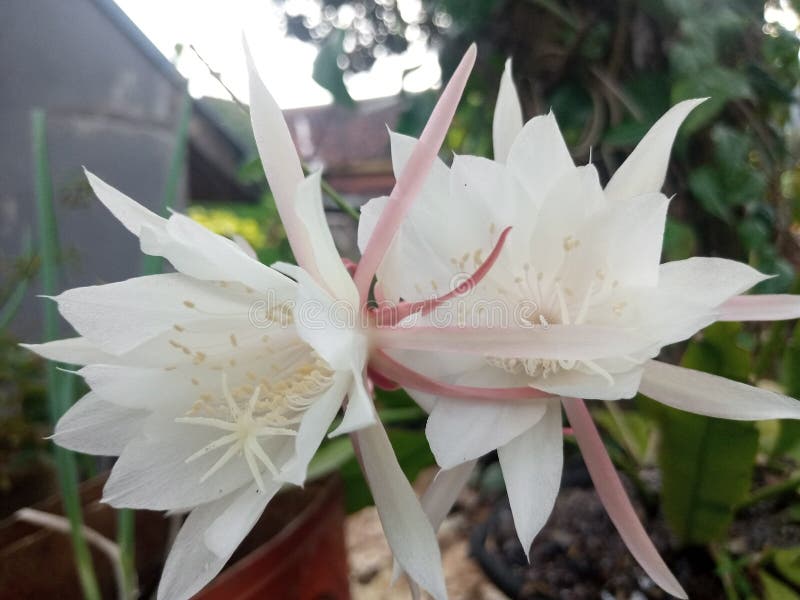
Their flowers, too, are a marvel. Astrophytum blooms unfurl like delicate paper lanterns, their petals crisp and star-shaped, often in shades of yellow or white, a fleeting burst of color against the monochrome desert. Echinocactus, on the other hand, produces rings of vibrant blooms—red, pink, or yellow—encircling their crowns like a crown of thorns turned to glory. These flowers are not just beautiful; they are a siren song for pollinators, a fleeting invitation to participate in the cactus’s reproductive dance. The contrast between the two genera’s floral displays is striking: one whispers, the other shouts, yet both are equally mesmerizing.
The Silent Conversation: Cacti and Their Microcosmic Ecosystems
Cacti are not solitary beings. They are the anchors of entire microcosms, their spines and crevices sheltering insects, their flowers feeding bees and hummingbirds, their decaying bodies enriching the soil for future generations. Astrophytum, with its compact form, creates tiny oases where moisture lingers in the crevices between its ribs, hosting colonies of ants or even small reptiles seeking respite from the heat. Echinocactus, with its grandeur, becomes a landmark for desert creatures, a watering hole in the form of a living organism.
Even their dead forms serve a purpose. The skeletal remains of Echinocactus can become nesting sites for birds, while the hollowed-out bodies of Astrophytum may cradle seeds, waiting for the perfect moment to germinate. In this way, cacti are not just survivors—they are architects of life, their existence woven into the very fabric of the desert’s ecosystem.
The Collector’s Obsession: Why These Cacti Captivate Human Hearts
Humans have long been drawn to the enigmatic allure of cacti, and Astrophytum and Echinocactus are no exception. Their unique forms have inspired artists, their resilience has humbled scientists, and their beauty has fueled the passions of collectors. There is something almost mystical about nurturing a plant that thrives on neglect, that turns adversity into art. Astrophytum, with its star-like visage, feels like a piece of the night sky plucked from the heavens and planted in a pot. Echinocactus, with its regal bearing, evokes the spirit of ancient civilizations, its spines like the columns of a forgotten temple.
Yet, their appeal is more than aesthetic. To grow these cacti is to engage in a dialogue with time itself. A Echinocactus may take decades to reach maturity, its slow growth a mirror to the patience required to truly understand it. An Astrophytum may live for a century, its ribs telling the story of every drought and deluge it has endured. They are living heirlooms, passed down through generations, each one a silent witness to the passage of years.
The Future of These Desert Treasures
In an era of climate change, the survival of these cacti is not guaranteed. Their habitats are shrinking, their delicate ecosystems disrupted by human encroachment and shifting weather patterns. Yet, their adaptability offers a glimmer of hope. Astrophytum and Echinocactus have survived for millennia by mastering the art of doing more with less. Their ability to store water, regulate temperature, and thrive in nutrient-poor soils could serve as a blueprint for sustainable agriculture in arid regions.
Conservation efforts are underway, from seed banks to protected reserves, ensuring that these botanical wonders do not fade into obscurity. But their survival also depends on us—on our willingness to see them not as mere curiosities, but as vital threads in the tapestry of life. To protect them is to protect the desert itself, a place of stark beauty and relentless tenacity.
The cacti of the genera Astrophytum and Echinocactus are more than plants. They are living paradoxes—delicate yet indomitable, ephemeral yet eternal. In their silent, spiny forms, they hold the secrets of survival, the poetry of adaptation, and the quiet dignity of a world that thrives against all odds. To know them is to fall in love with the desert’s unyielding spirit, a spirit that refuses to be tamed, only admired.
FAQ
What makes Astrophytum cacti unique compared to other cacti?
Astrophytum cacti have a star-like ribbed structure that maximizes photosynthesis while minimizing sun exposure, and their woolly epidermis reflects sunlight to reduce water loss.
How do Echinocactus cacti survive harsh desert conditions?
Echinocactus cacti grow large, spherical bodies that store water for years and have thick spines and a waxy cuticle that protect them from herbivores and harsh sunlight.
Why are spines important for Astrophytum and Echinocactus cacti?
Spines serve multiple roles including defense against herbivores, creating shade to reduce water loss, and scattering sunlight to prevent overheating.
What ecological roles do these cacti play in their desert habitats?
They provide shelter and food for insects, birds, and reptiles, contribute nutrients to the soil, and support microecosystems within the desert environment.
Are Astrophytum and Echinocactus cacti at risk due to environmental changes?
Yes, climate change and human encroachment threaten their habitats, but conservation efforts like seed banks and protected reserves aim to preserve these species.

Leave a Reply