

Short Answer
The delicate balance of nature teeters on the edge of a precipice when human desire intersects with ecological fragility. Among the most vulnerable are the genera like Ariocarpus—a group of cacti so exquisitely adapted to their arid homelands that their very survival hinges on the most delicate of ecological threads. These botanical marvels, with their slow-growing, cryptic forms, are not merely plants; they are living relics of evolutionary ingenuity, sculpted by millennia of harsh conditions. Yet, in the modern era, their existence is increasingly threatened not by natural predators, but by the insatiable appetite of collectors. The act of overcollecting—driven by rarity, aesthetic appeal, or speculative investment—has become a silent but devastating force, pushing species like Ariocarpus toward the brink of extinction. This is the story of how demand, in all its forms, erodes the foundations of biodiversity, and why the preservation of these genera is not just an ecological imperative, but a moral one.
The Allure of the Rare: Why Ariocarpus Captivates the Imagination
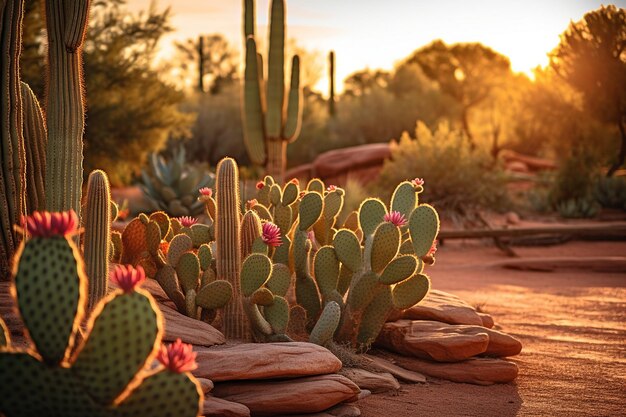
Ariocarpus cacti are the botanical equivalents of hidden treasures—unassuming, often camouflaged among the gravel and limestone of their native habitats, yet breathtaking in their intricacy upon closer inspection. Their flattened, star-like rosettes, adorned with geometric patterns of tubercles, resemble abstract art frozen in time. Species like Ariocarpus fissuratus or Ariocarpus retusus are prized for their sculptural beauty, their forms evoking the work of a master jeweler rather than a plant. This rarity is not merely aesthetic; it is a survival strategy. In the wild, their cryptic appearance allows them to evade herbivores, blending seamlessly into the stony landscapes of northern Mexico and southern Texas. Yet, this very trait has made them irresistible to collectors, who prize them as “living jewels” for private greenhouses and succulent displays.
The psychological pull of the rare is a well-documented phenomenon. Psychologists refer to it as the “scarcity principle”—the idea that the less available something is, the more desirable it becomes. For collectors, an Ariocarpus plant is not just a purchase; it is a trophy, a status symbol, a piece of living art that few can claim to possess. Online auction platforms and specialized forums have amplified this effect, creating a global marketplace where a single specimen can fetch thousands of dollars. The problem, however, is that this demand is outpacing the natural reproduction of these plants. Ariocarpus species are notoriously slow-growing, with some taking decades to reach maturity. When collectors strip wild populations to feed this hunger, the ecological consequences are immediate and irreversible.
The Ecological Domino Effect: How Overcollecting Disrupts Ecosystems
The impact of overcollecting extends far beyond the loss of individual plants. Ariocarpus and its kin play a crucial role in their ecosystems, serving as microhabitats for insects, providing shelter for small reptiles, and even influencing soil composition through their root systems. When these plants are removed en masse, the ripple effects are profound. In the Chihuahuan Desert, where Ariocarpus species are endemic, their decline can lead to the loss of entire insect populations that rely on their flowers for nectar. Predatory species, in turn, may face food shortages, creating a cascade of disruptions that reverberate through the food web.
Moreover, the removal of these plants exposes the soil to erosion, as their roots no longer bind the fragile desert substrate. Wind and water can then strip away the topsoil, further degrading the habitat. In some cases, the loss of Ariocarpus can even alter the microclimate of an area, increasing temperatures and reducing humidity—conditions that may render the environment inhospitable for other native species. The irony is stark: the very act of collecting these plants to adorn a windowsill or greenhouse is, in essence, contributing to the degradation of the environments they once thrived in. Conservationists warn that without intervention, entire ecosystems could collapse, leaving behind barren landscapes where biodiversity once flourished.
The Black Market and the Ethics of Botanical Exploitation
The trade in Ariocarpus and similar genera has spawned a shadowy underworld where conservation laws are flouted with impunity. Smugglers and unscrupulous dealers exploit loopholes in international regulations, transporting plants across borders under false declarations or as “gifts” between collectors. The black market for these cacti is estimated to be worth millions annually, with some rare specimens selling for prices that rival those of exotic pets or fine art. This illicit trade is not just a financial crime; it is an ecological one, fueling the decline of species that are already listed under CITES (Convention on International Trade in Endangered Species of Wild Fauna and Flora).
Ethically, the situation is fraught with contradictions. Many collectors argue that they are “saving” these plants by cultivating them in controlled environments, thereby reducing pressure on wild populations. However, this argument crumbles under scrutiny. The vast majority of commercially available Ariocarpus plants are still wild-collected, as propagation from seed is a painstaking process that requires expertise and patience. Even when cultivated, these plants often originate from illegally sourced stock, perpetuating the cycle of exploitation. True ethical collecting would prioritize conservation over possession, supporting seed banks and tissue culture propagation to ensure that demand does not outstrip supply. Until then, the black market will continue to thrive, driven by the same forces that have decimated populations of orchids, cycads, and other coveted genera.
Cultural Shifts: Can the Tide of Demand Be Turned?
The challenge of reversing the damage wrought by overcollecting is not merely scientific or legal—it is cultural. For generations, humans have viewed plants as commodities, resources to be exploited rather than entities deserving of respect. This mindset is deeply ingrained in Western consumer culture, where ownership is equated with value. To shift this paradigm, a fundamental reeducation is required, one that elevates the intrinsic worth of Ariocarpus and its relatives beyond their ornamental appeal.
One promising avenue is the rise of “citizen science” and community-led conservation efforts. Organizations like the Cactus and Succulent Society and IUCN Cactus Specialist Group are working to educate the public about the plight of these plants, encouraging ethical collecting practices and supporting habitat restoration projects. Social media, too, has become a double-edged sword—while it has fueled demand, it has also given conservationists a platform to share the stories of these plants, fostering empathy and awareness. Campaigns that highlight the beauty of Ariocarpus in situ, rather than as isolated specimens in a collection, can help reframe public perception, emphasizing their role as vital components of thriving ecosystems rather than mere decorative objects.
Another critical shift is the growing movement toward “slow horticulture”—an approach that values the process of cultivation over the acquisition of rare specimens. Enthusiasts are increasingly turning to tissue culture and grafting techniques to propagate Ariocarpus sustainably, reducing reliance on wild-collected stock. This method not only ensures genetic diversity but also allows for the creation of hybrids that are easier to grow, thereby reducing the pressure on natural populations. By embracing these techniques, collectors can indulge their passion without contributing to ecological harm, proving that conservation and cultivation are not mutually exclusive.
The Future of Ariocarpus: A Call to Action
The fate of Ariocarpus and similar genera hangs in a precarious balance, teetering between extinction and survival. The solutions, while complex, are within reach—if the will to implement them exists. Governments must strengthen enforcement of conservation laws, closing loopholes that allow illegal trade to flourish. Botanical gardens and research institutions can play a pivotal role by leading ex-situ conservation efforts, preserving genetic material and reintroducing propagated plants into their native habitats. Meanwhile, collectors must confront their own complicity in this crisis, questioning whether the fleeting joy of possession is worth the irreversible loss of biodiversity.
Ultimately, the story of Ariocarpus is a microcosm of a larger ecological dilemma: the tension between human desire and the limits of nature. These plants are not merely victims of overcollecting; they are symbols of a world where greed has eroded the boundaries between stewardship and exploitation. Their survival depends on our ability to recognize that true value lies not in ownership, but in preservation. As stewards of this planet, we are tasked with rewriting the narrative—one where the rarest treasures are not those we take, but those we choose to leave untouched, allowing them to thrive in the wild, where they belong.

In the quiet, sun-baked expanses of northern Mexico, Ariocarpus thrives in obscurity, a testament to nature’s quiet resilience. To protect it is to honor the intricate web of life that sustains us all.
FAQ
Why is Ariocarpus considered vulnerable?
Because of its slow growth, limited habitat, and high demand from collectors, which leads to overcollection and population decline.
How does overcollecting affect ecosystems?
It disrupts food webs, reduces insect and reptile habitats, and increases soil erosion, harming the entire desert ecosystem.
What is the black market for Ariocarpus?
An illegal trade network that smuggles plants, bypassing regulations, driving unsustainable harvesting, and threatening species survival.
What are ethical alternatives to wild collecting?
Propagation through seed, tissue culture, and grafting techniques that reduce pressure on wild populations.
How can public awareness help Ariocarpus conservation?
Education and community science can promote ethical collecting, habitat protection, and support for conservation projects.


Leave a Reply