

Short Answer
Imagine stepping into a desert filled not just with sand and sun, but with silent sentinels cloaked in emerald armor—cacti. These botanical marvels are nature’s sculptures, shaped by time, thirst, and tenacity. To truly appreciate the astonishing diversity concealed within their spiny exteriors, one must embark on a journey through the A-Z of cactus genera. Each genus is a vibrant chapter in the botanical lexicon of resilience, adaptation, and unparalleled beauty—a testament that life can flourish even in the most unforgiving crucibles. Prepare to plunge into this lush lexicon of nature’s desert jewels, where every name unveils a unique world of shape, texture, and story.
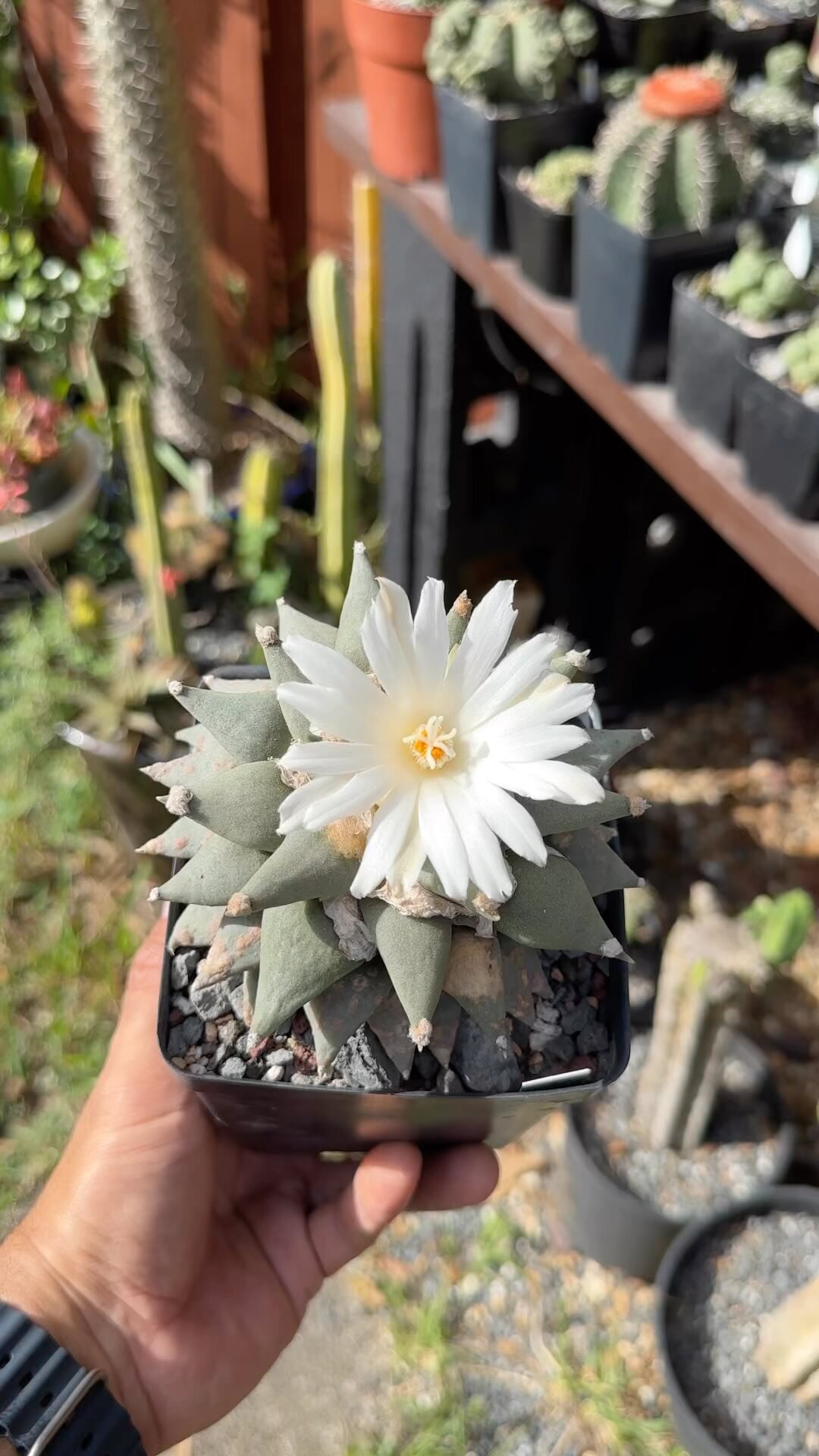
Astrophytum: The Starry Guardians
Envision a constellation captured in cactus form where each ribbed, star-shaped body glistens like a cosmic beacon. Astrophytum, aptly named for its starry pattern, offers a celestial charm rarely matched among succulents. Their fuzzy, white speckles and symmetrical ribs lend an almost otherworldly allure—like celestial fortresses guarding the dry lands. They thrive where sunlight pierces sharply, their resilience an emblem of elegance amid austerity.
Echinocereus: The Hedgehog’s Embrace
The genus Echinocereus, translating to “hedgehog cactus,” invites tactile curiosity with its dense spines and vibrant blooms. Here, defense and decoration intertwine. Their cylindrical stems adorned with supple yet guarded spikes create a paradox of strength and softness. When in bloom, dazzling flowers burst forth like desert fireworks—fleeting but unforgettable. These cacti salute the season’s rhythms and beckon pollinators with vivid hues, fostering an intimate dance with nature’s resilience.
Mammillaria: The Jewel Box
Picture a treasure chest cradling floral jewels—all tightly nestled within symmetrical clusters. Mammillaria, one of the most populous genera, thrives through its intricate tubercle patterns and mesmerizing arrays of tiny spines. Their compact growth habit and exquisite, often fragrant flowers create an intimate spectacle for the observant eye. Known for their ease of propagation, they are the gateway genus for lovers embarking on their first cactus collection.
Opuntia: The Prickly Pear’s Legacy
An icon of the cactus family, Opuntia bursts with character and utility. With their flat, paddle-like cladodes and colorful fruits, commonly called “tunas,” these giants of the genus tell a story of survival and sustenance. Beyond their iconic spines and glochids lies a deep cultural significance: from indigenous diets to modern medicinal uses. Their sprawling growth patterns transform barren landscapes into living tapestries, a bold testament to the harmony between toughness and versatility.

Rebutia: The Burst of Color
Small in stature but grand in spectacle, Rebutia captivates with an explosion of miniature blossoms. These globular gems often hide beneath a latticework of spines, emerging suddenly in vibrant reds, oranges, and yellows. Their compact size makes them perfect ambassadors of desert charm within indoor collections. Each bloom appears like a miniature sunburst, a temporary yet breathtaking punctuation mark on their resilient lives.
Gymnocalycium: The Naked Calyx
“Gymnocalycium” means “naked calyx,” a nod to their smooth flower buds that reveal blossoms without the usual leafy encasement. These cacti boast dramatic ribbed bodies and flowers that evoke a refined simplicity. With their easily recognizable crown-like structures atop globular bodies, Gymnocalycium cacti embody regal minimalism. Their low-maintenance nature and striking displays appeal to both novice and seasoned enthusiasts alike, offering a steady pulse of life and color.
Eriosyce: The Woolly Guardians of the Andes
Perched at the high elevations of South America, Eriosyce stands as a woolly guardian against harsh mountain winds and arid skies. Their thick spines and dense trichomes (hair-like structures) protect tender tissues from the brutal climate. With forms ranging from squat spheres to elongated columns, Eriosyce embodies versatility in austere habitats. Their captivating blooms—often large and fragrant—invite rare mountain pollinators, embodying the fragile beauty of survival at the roof of the world.
Parodia: The Gift of Flowers
Known for their profuse flowering, Parodia cacti are floral powerhouses wrapped in compact, spiny forms. Their globose shape and bright yellow to red flowers cast a radiant glow across dry landscapes. Parodia’s ability to blossom repeatedly makes them a beloved genus for collectors eager to witness continuous life cycles. Their vibrant flowers punctuate the desert’s muted green and brown palette with bursts of jubilant color, celebrating the triumph of life.
Trichocereus: The Architectural Giants
Also known as “torch cacti,” the Trichocereus genus dazzles with towering columns and ornate ribbing. Their massive stature evokes desert skyscrapers, punctuating the horizon with noble silhouettes. These giants not only inspire awe but also shelter smaller desert life beneath their shade. Their nocturnal flowers, large and fragrant, unravel mysteries under the moonlight, making Trichocereus a nocturne of the cactus realm.
Conclusion: The Living Lexicon of the Desert
Diving into the A-Z of cactus genera reveals an ecosystem sculpted by evolution and artistry. Each genus, from the celestial Astrophytum to the stately Trichocereus, sings its own song of survival, adaptation, and elegance. Cacti are not mere plants—they are living metaphors of endurance and transformation. Embracing their vast diversity offers more than horticultural pleasure; it opens a portal into the poetic interplay between life and adversity, reminding us that even in the harshest soils, beauty and resilience flourish in every spine and bloom.

FAQ
What is a cactus genus?
A cactus genus is a taxonomic rank grouping species of cacti with shared characteristics and evolutionary lineage.
Which genera are recommended for beginner cactus growers?
Mammillaria and Gymnocalycium are often recommended due to their resilience and ease of care.
Do all cacti bloom?
Most cacti produce flowers, varying widely in appearance and bloom cycles depending on the genus.
What ecological roles do cacti play in deserts?
Cacti provide habitat and food for desert wildlife and help stabilize soil in arid environments.

Leave a Reply