
Short Answer
In the vast, sun-scorched tapestry of Earth’s deserts, cacti stand as silent sentinels of resilience—spiky, stoic, and seemingly indestructible. Yet beneath their prickly armor lies a startling vulnerability. These botanical marvels, which have thrived for millennia in some of the planet’s most unforgiving landscapes, are now teetering on the edge of oblivion. The culprit? A silent, creeping predator: habitat loss. To understand why cacti are vanishing at an alarming rate, we must peel back the layers of their existence, revealing a story of ecological fragility masked by their rugged exterior.
The Desert’s Delicate Dance: How Cacti Thrive in Extremes
Cacti are the ultimate survivors, sculpted by evolution to endure scorching days and freezing nights, parched soils and flash floods. Their adaptations are nothing short of architectural genius: ribbed stems expand like accordions to store water, spines deter predators and cast cooling shadows, and shallow, widespread roots snatch moisture from the slightest rainfall. Yet this very resilience is a double-edged sword. Their specialized needs mean they are exquisitely sensitive to the slightest disruption. A cactus’s world is a finely tuned ecosystem where every drop of water, every degree of temperature, and every grain of soil matters. When that balance is shattered, these desert denizens falter.
Imagine a cactus as a masterful tightrope walker, balancing on the edge of survival with every passing storm or drought. Their survival hinges on a delicate interplay between climate, soil, and biotic interactions—none of which are forgiving of human interference. The irony is stark: the same traits that make cacti appear invincible are the ones that render them vulnerable when their habitats are trampled, paved, or plowed.
Urban Sprawl: The Concrete Strangulation of Cactus Lands
The relentless march of cities, roads, and agricultural fields is swallowing desert ecosystems whole. In the American Southwest, once-vast stretches of Sonoran Desert are now punctuated by housing developments and solar farms, their solar panels gleaming like metallic lizards basking in the sun. In Mexico, the once-pristine landscapes of Baja California are being carved up for vineyards and resorts, their irrigation systems draining the lifeblood from the soil. Each square meter of asphalt or tilled earth is a cactus’s death knell, a silent erasure of a species that has taken centuries to establish itself.
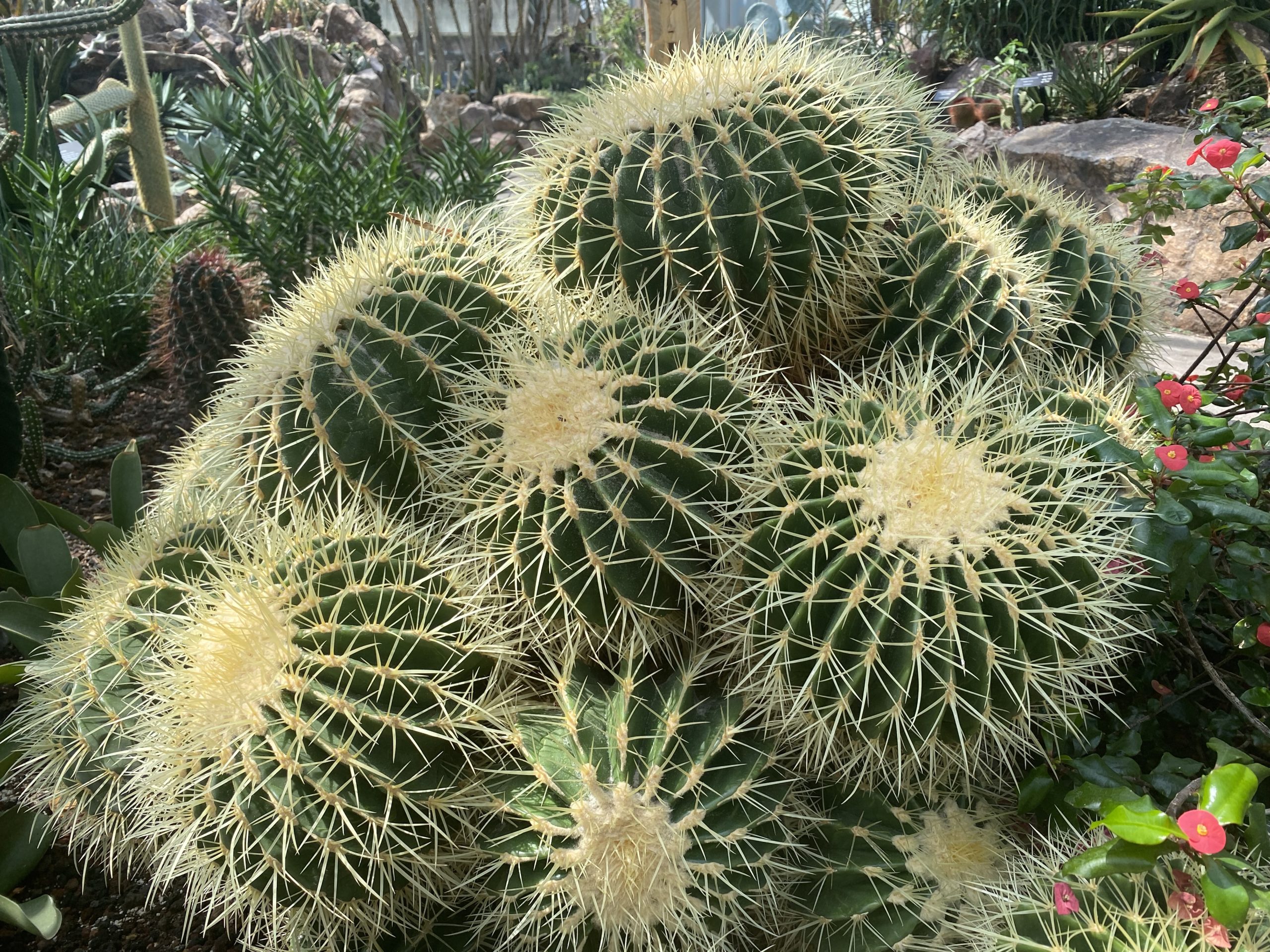
Consider the fate of the Ferocactus wislizeni, a stately barrel cactus that can live for over a century. Its slow growth—just a few millimeters per year—means that a single disturbance can erase decades of progress. When bulldozers level a patch of desert, they don’t just remove plants; they erase entire lifetimes of ecological history. The cacti that once dotted the landscape are replaced by monocultures of concrete or crops, their roots severed, their seeds scattered to the wind, their chances of regeneration dwindling with each passing year.
Climate Change: The Invisible Threat to Cactus Fortresses
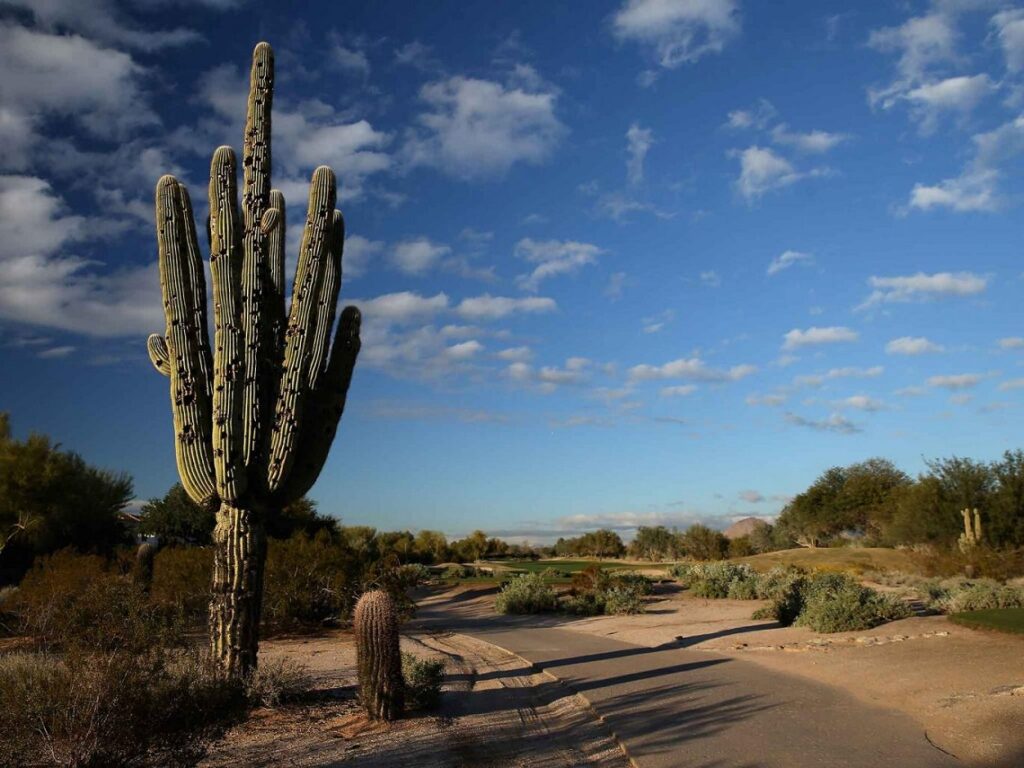
While urban expansion is a visible predator, climate change is the shadowy assassin stalking cacti from afar. Rising temperatures, prolonged droughts, and erratic rainfall patterns are rewriting the rules of survival in the desert. Cacti, which have evolved to endure aridity, are now facing conditions that push them beyond their limits. The Saguaro, the iconic giant of the Sonoran Desert, is particularly vulnerable. These towering sentinels, which can live for 150 years and weigh up to 10 tons when fully hydrated, rely on a delicate balance of winter rainfall to trigger their reproductive cycles. When droughts persist, their flowering and fruiting falter, and their seedlings struggle to take root in the cracked, sun-baked earth.
Worse still, climate change is fueling a new kind of invasion: the spread of non-native grasses. These opportunistic plants, introduced by human activity, thrive in disturbed soils and outcompete cacti for water and nutrients. In the Mojave Desert, cheatgrass has turned once-stable landscapes into tinderboxes, increasing the frequency and intensity of wildfires that incinerate cacti by the thousands. The desert, once a realm of slow, deliberate growth, is now a battleground where cacti are fighting a losing war against forces they were never designed to withstand.
Illegal Trade: The Black Market’s Bloody Harvest
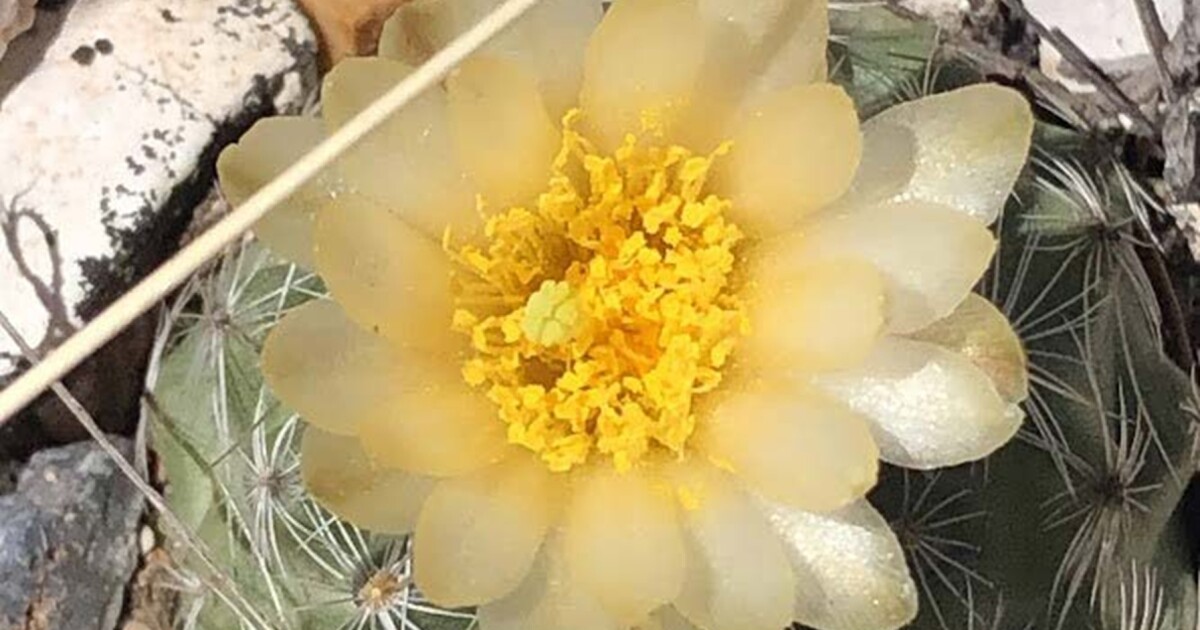
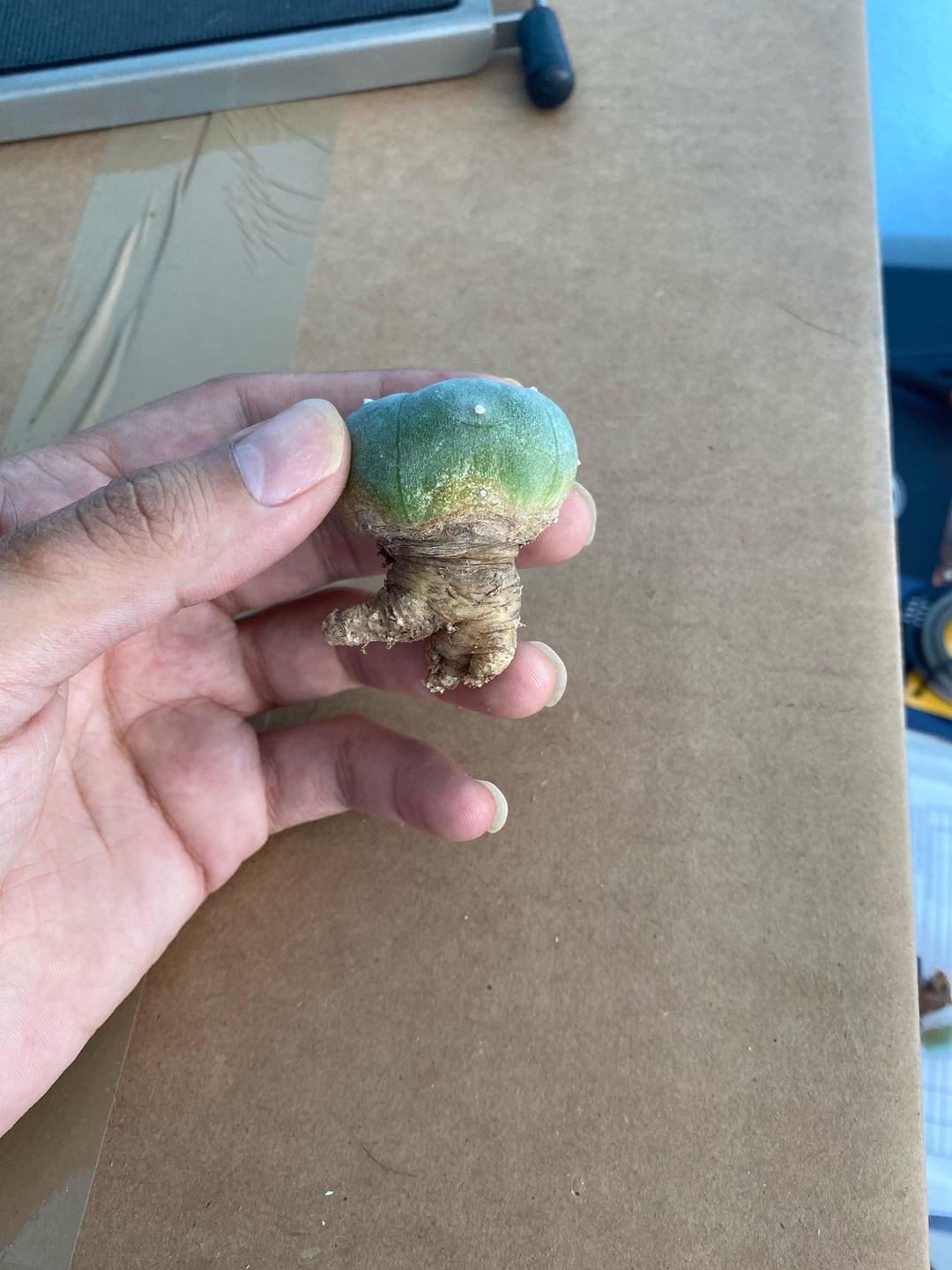
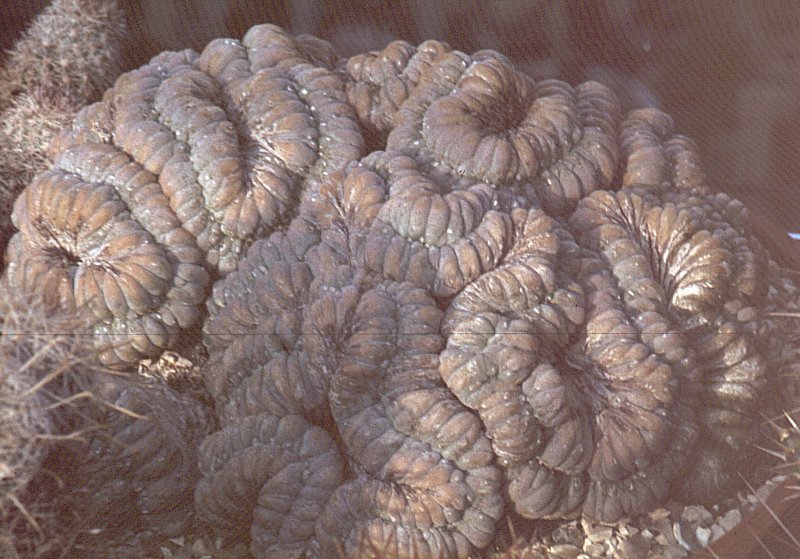
Beneath the surface of habitat destruction lies another, more insidious threat: the illegal trade in cacti. These plants, with their striking forms and slow growth, are prized by collectors and poachers who see them as living sculptures or status symbols. The Lophophora williamsii, better known as peyote, is harvested in staggering quantities for its psychoactive properties, leaving populations decimated in the wild. Similarly, the Turbinicarpus genus, with its jewel-like flowers, is plucked from its native habitats in Mexico and sold on the black market for exorbitant sums.
This clandestine trade is a death knell for many species. Unlike timber or livestock, cacti cannot be sustainably harvested in large quantities without devastating consequences. Their slow reproductive rates mean that even a few poached plants can spell the end for a local population. Worse, the demand for rare cacti fuels a cycle of exploitation, where poachers scour the deserts, leaving behind barren landscapes in their wake. The irony is bitter: the very traits that make cacti desirable—rarity, beauty, and resilience—are the ones that seal their fate in the hands of unscrupulous traders.
The Domino Effect: How Losing Cacti Unravels Ecosystems
Cacti are not just solitary survivors; they are keystone species, the linchpins of their ecosystems. Their flowers feed pollinators like bees, bats, and hummingbirds, while their fruits sustain desert-dwelling mammals and birds. When cacti disappear, the ripple effects are catastrophic. The Gila woodpecker, for instance, relies on saguaros for nesting cavities. Without these towering giants, the woodpecker’s survival is threatened, and with it, the entire web of species that depend on its presence. The desert, often perceived as a barren wasteland, is in fact a complex, interwoven tapestry—and cacti are its threads.
Consider the Packrat, a small rodent that collects cactus spines and fragments to build its middens, or nests. These middens, which can last for thousands of years, serve as time capsules, preserving clues about past climates and ecosystems. When cacti vanish, so too does this intricate record of natural history. The loss of cacti is not just a botanical tragedy; it is an erasure of cultural and ecological heritage, a severing of the threads that connect past, present, and future.
Conservation in the Crosshairs: Can We Save the Desert’s Spines?
Despite the grim outlook, there is hope on the horizon. Conservationists are deploying innovative strategies to protect cacti and their habitats. In the Chihuahuan Desert, biologists are using drones to monitor illegal poaching and habitat destruction, while in Mexico, community-led initiatives are restoring degraded lands by planting native cacti and implementing sustainable land-use practices. Seed banks and tissue culture techniques are being developed to preserve genetic diversity, ensuring that even if wild populations collapse, the species can be reintroduced in the future.
Yet the battle is far from won. Conservation efforts are often hamstrung by limited funding, political inertia, and the sheer scale of the problem. The illegal trade, in particular, is a hydra-headed monster, with roots in global markets and local poverty. To truly save cacti, we must address the root causes of their decline: unsustainable development, climate change, and exploitative trade practices. This requires not just scientific innovation, but a fundamental shift in how we view and interact with the natural world.
The fate of cacti is a mirror held up to humanity’s relationship with the planet. These plants, which have endured for millennia, are now at the mercy of a species that has only recently begun to recognize the fragility of the systems it depends on. The question is not whether we can save the cacti, but whether we are willing to try—and whether we are prepared to confront the consequences of our actions.
In the end, the story of cacti is a cautionary tale, a reminder that even the most resilient of species can be undone by the relentless march of progress. But it is also a story of resilience, of the quiet, stubborn persistence of life in the face of adversity. The desert may be harsh, but it is not without hope. And perhaps, in saving the cacti, we might just save a piece of the wild, untamed spirit of the planet itself.
FAQ
What are the main threats to cacti?
The main threats to cacti include habitat loss due to urban sprawl, climate change, and illegal trade.
How do cacti adapt to their environment?
Cacti have adapted to survive in extreme conditions through specialized features like water-storing stems and spines that deter predators.
What role do cacti play in their ecosystems?
Cacti are keystone species that provide food and habitat for various desert wildlife, maintaining ecological balance.
Leave a Reply