
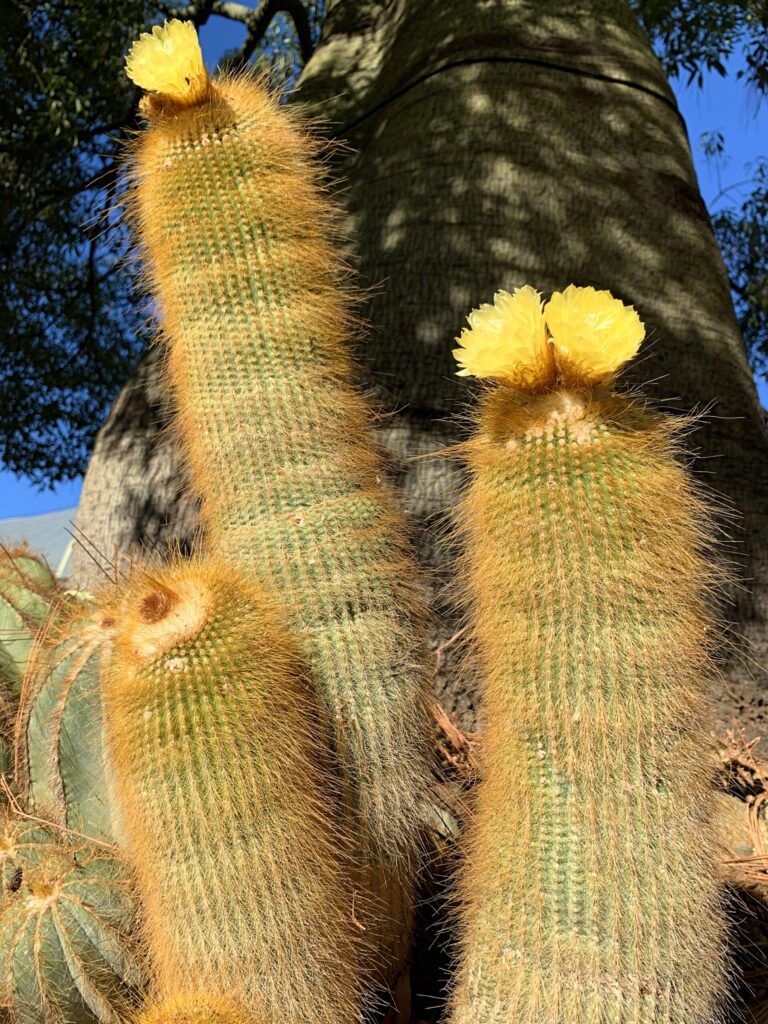
Short Answer
In the verdant underworld of cacti, where spines conceal succulent secrets and blooms unfurl like ephemeral miracles, the genus Parodia stands as a radiant testament to nature’s audacious artistry. These globular gems, often crowned with fiery blossoms, have captivated enthusiasts for generations. Yet, beneath their prickly exteriors lies a more intricate narrative—one of ecological stewardship, ethical sourcing, and the quiet revolution reshaping how we cultivate these desert jewels. For those who seek not just plants, but partners in preservation, the quest for ethically sourced Parodia begins in the hallowed grounds of conscientious nurseries.
The Ethical Imperative: Why Your Parodia’s Pedigree Matters
It’s a paradox of modern horticulture: the same hands that nurture life can, unwittingly or otherwise, contribute to its exploitation. Parodia species, native to the arid landscapes of South America, face mounting pressures from habitat destruction, illegal harvesting, and the black-market trade in wild-collected specimens. The allure of a “rare” Parodia leninghausii plucked from its natural habitat is undeniable—until one considers the ecological void left in its wake. Ethical nurseries reject this extractive mindset, instead championing propagation from cultivated stock, ensuring that every spine-tipped offspring is a beacon of sustainability rather than a scar on the land.
The fascination with Parodia extends beyond their aesthetic appeal; it’s a fascination with resilience. These cacti thrive where others wither, their survival strategies a masterclass in adaptation. Yet, their very resilience makes them vulnerable to overharvesting. By supporting nurseries that prioritize ethical sourcing, enthusiasts become unwitting conservationists, their passion a shield against the encroachment of greed. The best nurseries don’t just sell plants—they sell the story of their origins, a narrative of respect for the delicate balance between human cultivation and natural ecosystems.
Cultivating Conscience: What to Look for in an Ethical Parodia Nursery
Not all greenhouses are created equal. The ethical Parodia nursery distinguishes itself through transparency, traceability, and a commitment to long-term sustainability. Begin with the basics: does the nursery provide detailed provenance for its plants? Are they propagated in-house, or do they rely on wild-collected stock? The latter is a red flag, a vestige of an outdated, exploitative model. Look for nurseries that employ tissue culture or controlled breeding programs, methods that minimize environmental impact while maximizing genetic diversity.
Beyond sourcing, consider the nursery’s broader ethos. Do they participate in habitat restoration projects? Do they educate customers on the ecological importance of Parodia species? The most conscientious growers go further, advocating for policy changes that protect native habitats and discourage the trade in wild-collected specimens. They understand that true sustainability isn’t just about the plants—it’s about the people and ecosystems intertwined with their cultivation. A nursery’s website or catalog should reflect this holistic approach, offering not just plants, but a manifesto of responsible horticulture.
Another telltale sign of an ethical operation is its willingness to share knowledge. The best nurseries don’t just sell Parodia; they teach enthusiasts how to care for them in a way that honors their natural history. This might include guidance on mimicking their native growing conditions, from soil composition to light exposure, or even workshops on ethical propagation techniques. A nursery that empowers its customers to become stewards of their own is one that understands the deeper significance of the plants it sells.
Hidden Gems: Lesser-Known Nurseries Leading the Ethical Charge
While big-box retailers may offer convenience, they often fall short on ethics. The true pioneers of conscientious Parodia cultivation operate on a smaller scale, their operations rooted in passion rather than profit. One such gem is Desert Bloom Nursery in Tucson, Arizona, where founder Elena Vasquez has spent decades refining her tissue culture techniques to produce Parodia species that are genetically robust and free from wild-harvested taint. Her greenhouse is a living laboratory, a testament to the power of science to reconcile horticulture with conservation.
Across the Atlantic, Spine & Bloom in Lisbon, Portugal, has carved a niche for itself by specializing in European-bred Parodia hybrids. By focusing on controlled crosses rather than wild imports, they’ve created a sustainable alternative that appeals to collectors and conservationists alike. Their catalog reads like a love letter to Parodia’s diversity, with each entry accompanied by a detailed account of its lineage and care requirements. It’s a model of how passion, when paired with ethical rigor, can yield extraordinary results.
In Australia, Outback Oasis has gained a cult following among Parodia enthusiasts for its commitment to drought-tolerant cultivation methods. By leveraging Australia’s unique climate, they’ve developed a system that minimizes water use while maximizing plant health—a critical consideration in an era of climate uncertainty. Their approach isn’t just about ethics; it’s about resilience, a quality that Parodia species embody in spades.
The Ripple Effect: How Your Choices Shape the Future of Parodia
Every Parodia purchased from an ethical nursery is a vote for a more sustainable future. It’s a small act with outsized consequences, a domino that topples the unethical trade in wild-collected specimens. But the impact doesn’t end there. By supporting these nurseries, enthusiasts send a clear message to the horticultural industry: that ethics are non-negotiable, that beauty must be paired with responsibility. This ripple effect extends to policy, influencing regulations that protect native habitats and discourage exploitative practices.
Consider the case of Parodia warasii, a species once plundered from the Brazilian savannah. Thanks to the efforts of ethical nurseries that propagated it in cultivation, wild populations have been given a reprieve. Collectors who once coveted wild specimens now turn to these cultivated alternatives, their demand driving conservation rather than depletion. It’s a quiet revolution, one that unfolds in greenhouses and garden beds rather than on protest lines. Yet its power lies in its subtlety—it proves that change can be as gentle as a cactus’s bloom, yet as enduring as its spines.
The fascination with Parodia is, at its core, a fascination with survival. These plants endure where others cannot, their existence a testament to nature’s tenacity. By choosing ethically sourced specimens, enthusiasts honor that tenacity, ensuring that the next generation of Parodia blooms not in the shadow of exploitation, but in the light of responsible stewardship. It’s a legacy worth cultivating.
FAQ
What are Parodia cacti?
Parodia cacti are a genus of globular cacti known for their vibrant flowers and resilience in arid conditions.
Why is ethical sourcing important for Parodia?
Ethical sourcing helps prevent habitat destruction and supports sustainability in horticulture, ensuring that plants are cultivated without harming wild populations.


Leave a Reply