
Short Answer
The allure of the desert is undeniable—a vast, sun-scorched expanse where life clings to existence with tenacious grace. Among its most iconic inhabitants, cacti stand as sentinels of resilience, their spiny silhouettes etching stories of survival into the arid canvas. Yet, beneath their rugged charm lies a shadowy trade: the wild-harvesting of these botanical marvels. What begins as a quest for authenticity often ends in ecological plunder, a silent hemorrhage of biodiversity that few pause to consider. The problem with wild-harvested cacti isn’t just about what we take—it’s about what we leave behind: a fractured ecosystem, a trail of ecological debt, and a future where these desert icons may exist only in memory.
The Lure of the Wild: Why We’re Drawn to Untamed Cacti
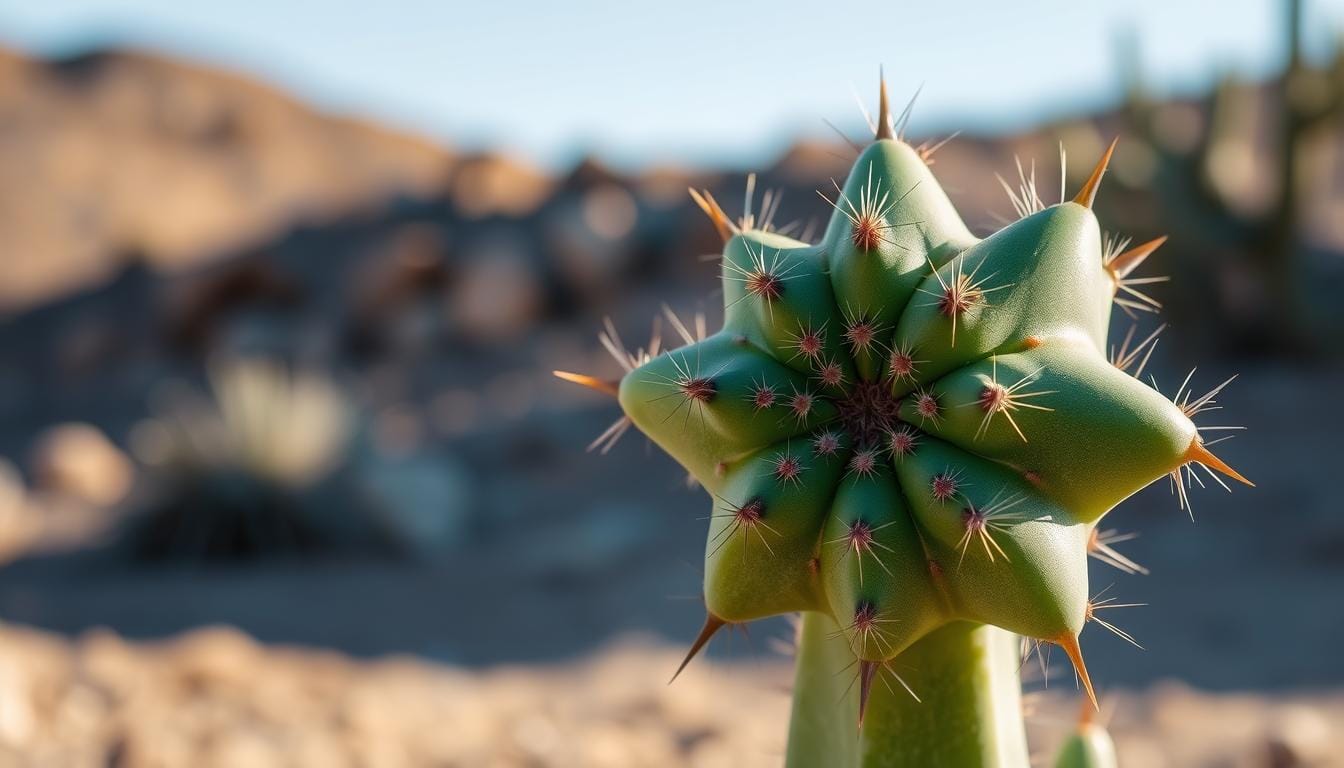
There’s an undeniable romance to wild-harvested cacti. Their irregular shapes, weathered by decades of relentless sun and wind, tell tales of endurance that cultivated specimens simply cannot replicate. The gnarled arms of an old Ferocactus, its ribs swollen with stored water, seem to whisper secrets of the desert’s harsh beauty. For collectors and enthusiasts, these plants are not mere flora—they are living relics, each one a testament to nature’s unyielding creativity. Yet this fascination often blinds us to the cost of extraction. Every cactus plucked from its native soil is a fragment of an ancient pact between species, a balance honed over millennia. When we uproot these plants, we sever threads woven into the very fabric of their habitat, threads that may never be rewoven.
The Ecological Ripple: How Wild Harvesting Unravels Desert Ecosystems
Imagine a desert as a vast, interconnected web, where every organism—from the hardiest creosote bush to the most delicate soil microbe—plays a role in maintaining equilibrium. Cacti are keystone species in this web, their presence shaping the lives of pollinators, seed dispersers, and even predators. When wild cacti are harvested, the ripple effects are immediate and profound. Pollinators, deprived of nectar-rich blooms, may struggle to find sustenance, leading to cascading declines in insect populations. Seed-eating birds, which rely on cactus fruits, face food scarcity, forcing them to abandon territories or perish. The soil, already parched and fragile, loses its anchor—roots that once held moisture and prevented erosion now lie exposed, vulnerable to the scouring winds of the desert. In some regions, the removal of just a few cacti can trigger a domino effect, unraveling entire micro-ecosystems in a matter of years.
The Silent Extinction: How Overharvesting Erases Genetic Diversity
Wild cacti are not just survivors—they are innovators, their genes a living library of adaptations to extreme conditions. Each population, isolated by miles of inhospitable terrain, has evolved unique traits: thicker skins to resist herbivores, deeper root systems to tap into scarce water, or faster flowering times to outpace drought. When these plants are stripped from their native ranges, their genetic legacy is lost forever. Cultivated cacti, propagated from a handful of specimens, lack the genetic diversity that once allowed their wild ancestors to thrive amid climate fluctuations. The result? A future where cacti are increasingly uniform, less resilient, and more susceptible to pests and disease. It’s a slow-motion genetic erosion, a quiet erasure of the very traits that made these plants so extraordinary in the first place.
The Human Cost: Exploitation in the Name of Aesthetics
Behind the glossy photos of perfectly potted cacti in urban apartments lies a less glamorous truth: the exploitation of both land and labor. In many regions, wild cacti are harvested by local communities who see little of the profits reaped by middlemen and international traders. The work is grueling—digging through rocky soil under a scorching sun, hauling heavy plants across rugged terrain, all for a pittance. Meanwhile, the global demand for “authentic” desert flora fuels a black market where rare species change hands for staggering sums. The irony is stark: the same people who once revered these plants as sacred or medicinal now find themselves reduced to suppliers in a cycle of ecological and economic depletion. The cacti’s beauty becomes a curse, their rarity a commodity that drives both environmental destruction and human hardship.
The Desert’s Revenge: Why Wild-Harvested Cacti Often Fail to Thrive
Here’s a truth that surprises many enthusiasts: wild-harvested cacti, despite their rugged appearance, often struggle to adapt to life in cultivation. The harsh conditions of their native habitats have shaped them in ways that are invisible to the naked eye. Their roots, evolved to seek out minute water sources in compacted soil, may rot in the loose, aerated mix of a nursery pot. Their thick, waxy skins, designed to minimize water loss, can become a liability in humid environments, leading to fungal infections. And their slow growth rates—once an advantage in the desert—mean they’re ill-equipped to handle the rapid changes of indoor life. What starts as a prized specimen often ends up as ailing, stunted, or worse, a casualty of good intentions. The desert’s lessons are not easily unlearned, even in the most controlled of environments.
The Ethical Alternative: Cultivation as an Act of Conservation
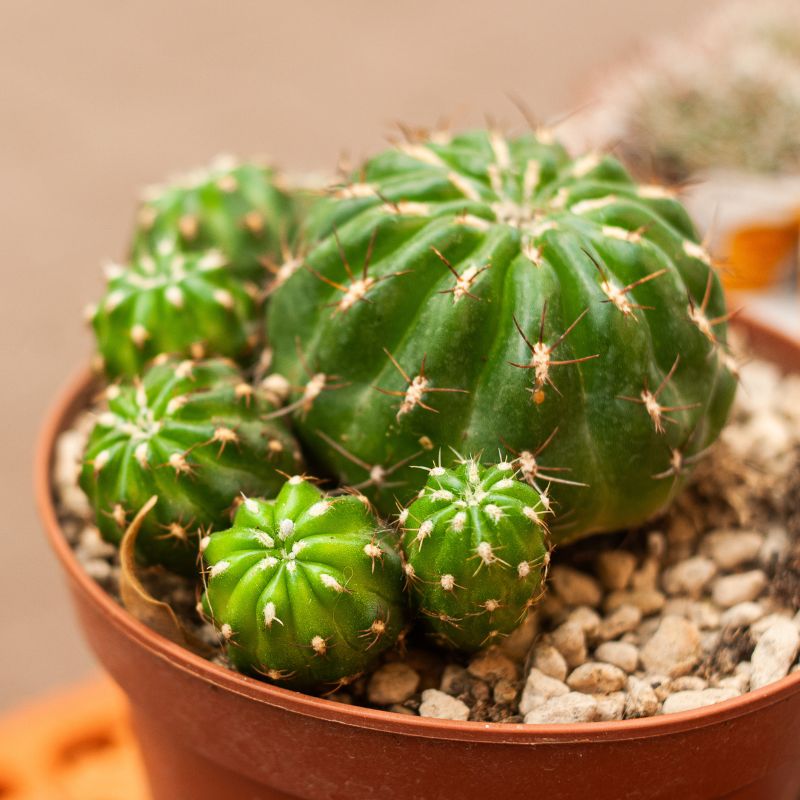
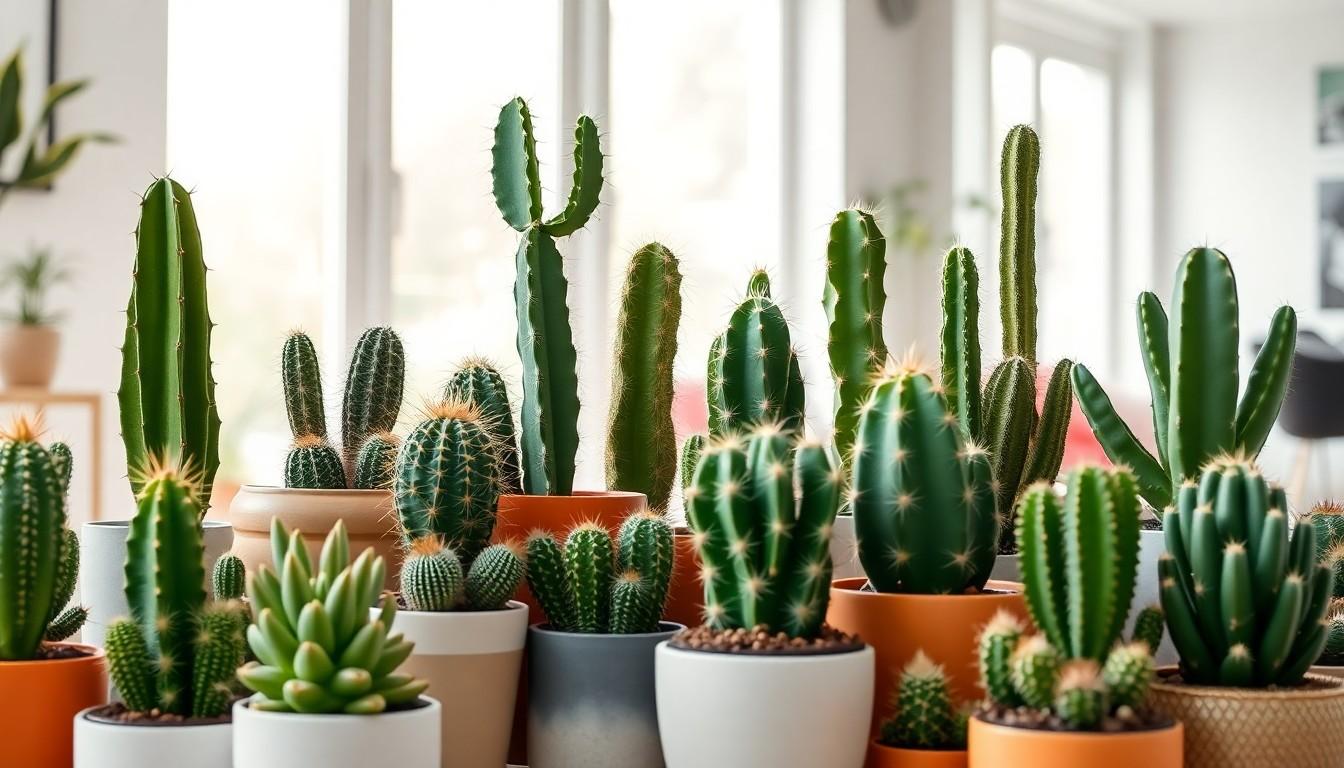
So, what’s the solution? The answer lies in cultivation—not as a compromise, but as an act of reverence. Nursery-grown cacti, propagated from seeds or cuttings, offer a way to enjoy these plants without contributing to ecological harm. Modern techniques allow for the creation of specimens that mimic the wild aesthetic while remaining genetically robust and adaptable to cultivation. Some growers even specialize in “rescue” plants—cacti rescued from development sites or overharvested areas, given a second chance in a controlled environment. By choosing cultivated specimens, we support a model that values sustainability over spectacle. It’s a small shift in perspective, but one that can have profound consequences: instead of draining the desert of its treasures, we become stewards of its future.
The Future of the Desert: Can We Break the Cycle?
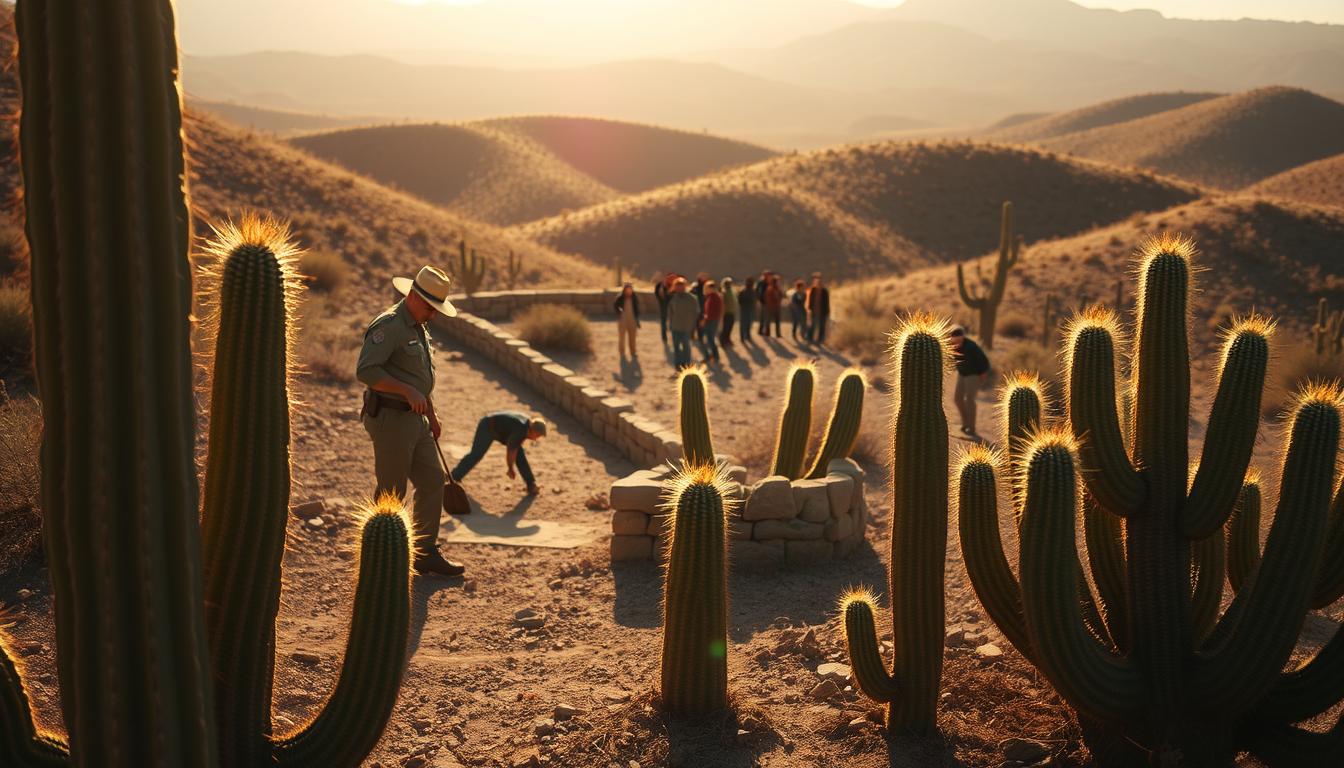
The fate of wild cacti hinges on a single question: Will we continue to treat them as disposable novelties, or will we recognize them as the irreplaceable wonders they are? The signs are not entirely bleak. Conservation initiatives, such as seed banking and habitat restoration, are gaining traction in regions where cacti are most threatened. Indigenous communities are reclaiming their role as caretakers, blending traditional knowledge with modern science to protect these plants. And consumers are increasingly demanding transparency, questioning the origins of the plants they bring into their homes. Yet the battle is far from won. The allure of the wild remains potent, and the temptation to take what we desire—without thought for the consequences—is a temptation as old as human nature itself. The desert, however, has a way of reminding us of our place in the world: not as conquerors, but as participants in a fragile, interconnected dance. To harvest its cacti without restraint is to dance on the edge of a cliff. To cultivate them with care is to learn the steps of a waltz that could last for generations.
The choice is ours. The desert is watching.
FAQ
What are the dangers of wild-harvesting cacti?
Wild-harvesting can lead to biodiversity loss, ecological imbalance, and exploitation of local communities.
Why should I choose cultivated cacti over wild-harvested ones?
Cultivated cacti are more resilient and do not contribute to ecological harm or exploitation.
Leave a Reply