
Short Answer
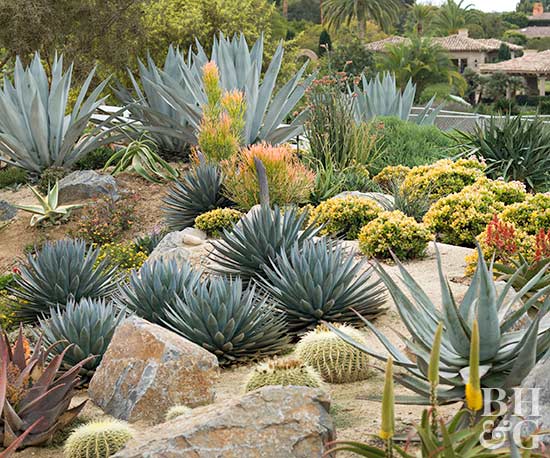
Imagine a tranquil oasis where spiky sentinels of the desert thrive, their stoic forms whispering tales of resilience and adaptation. A cactus conservation garden isn’t just a collection of prickly plants; it’s a sanctuary that celebrates biodiversity, combats ecological decline, and brings the rugged beauty of arid landscapes into your backyard. Whether you’re a seasoned horticulturist or a curious novice, cultivating such a garden is a rewarding endeavor that nurtures both the earth and your soul. Let’s embark on this journey together, exploring every facet of creating a thriving cactus conservation garden at home.
The Essence of a Cactus Conservation Garden: Why It Matters
A cactus conservation garden is more than an aesthetic display—it’s a proactive step toward preserving some of the world’s most unique flora. Cacti, with their extraordinary adaptations to harsh environments, play a crucial role in their ecosystems. They provide shelter for insects and small animals, stabilize soil, and contribute to the intricate web of desert life. Unfortunately, habitat destruction, climate change, and illegal harvesting threaten many species. By cultivating a conservation garden, you’re not just decorating your space; you’re becoming a steward of biodiversity.
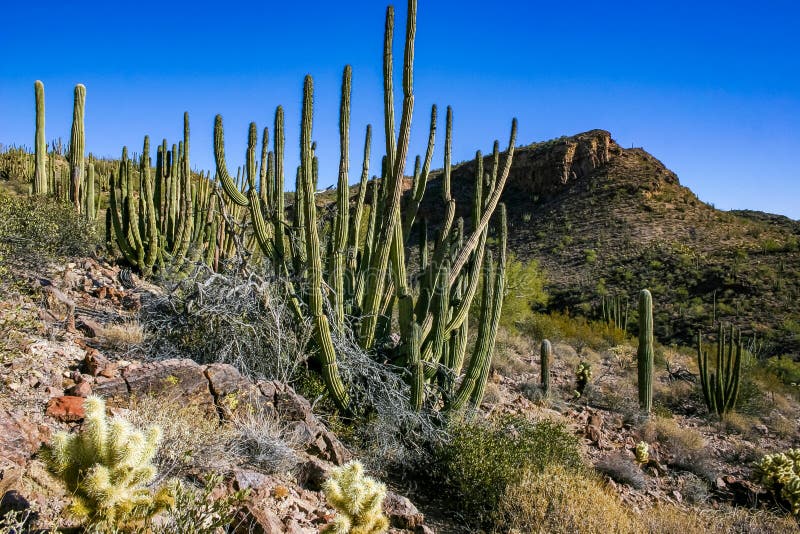
Consider the saguaro, a towering icon of the Sonoran Desert. These giants can live for over 150 years, yet their slow growth means that each lost plant represents decades of lost ecological potential. Your garden can serve as a micro-reserve, ensuring that these species endure for future generations. Moreover, conservation gardens educate visitors about the importance of protecting fragile ecosystems, fostering a deeper connection to the natural world.
Selecting the Right Cacti: Diversity in Form and Function
The first step in your conservation journey is choosing the right cacti for your climate and space. Not all cacti are created equal—some thrive in scorching deserts, while others prefer cooler, high-altitude conditions. Start by researching native species to your region, as these will be the most resilient and ecologically beneficial. For instance, the Opuntia (prickly pear) is a hardy choice for many temperate zones, while the Echinocactus grusonii (golden barrel) flourishes in hot, dry climates.
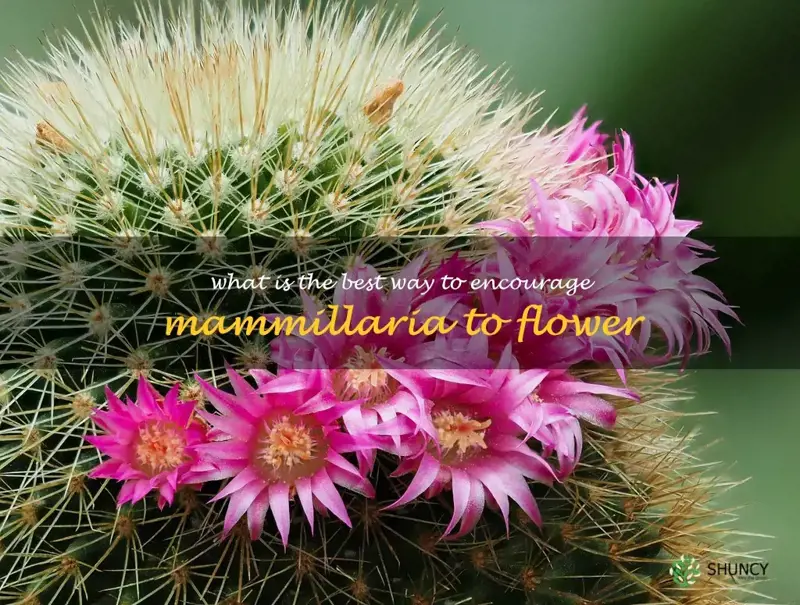
For those with limited space, columnar cacti like the Carnegiea gigantea (saguaro) may be impractical, but smaller varieties such as the Mammillaria (pincushion cactus) or Gymnocalycium (chin cactus) offer stunning visuals without demanding acreage. If you’re aiming for a vertical garden, epiphytic cacti like the Epiphyllum (orchid cactus) can cling to walls or trellises, adding a lush, tropical feel. Don’t overlook the quirky and the rare—species like the Lophophora williamsii (peyote) or Ariocarpus fissuratus (living rock cactus) bring an air of mystery to your collection.
When sourcing plants, prioritize reputable nurseries or conservation programs that propagate ethically. Avoid wild-harvested specimens, as these can deplete natural populations. Instead, opt for tissue-cultured or seed-grown plants, which are both sustainable and often more adaptable to home conditions.
Designing Your Sanctuary: Layouts That Inspire and Sustain
A well-designed cactus garden is a harmonious blend of artistry and ecology. Start by sketching a layout that mimics natural desert formations. Group plants with similar water and sunlight needs together, creating microclimates that optimize growth. For example, place moisture-loving species like Epiphyllum near the base of a shaded wall, while sun-worshippers like Ferocactus (barrel cactus) bask in open, south-facing areas.
Incorporate hardscaping elements to enhance both aesthetics and functionality. A winding path of decomposed granite or crushed stone not only guides visitors through your garden but also prevents soil compaction. Raised beds or terraced planters can improve drainage for moisture-sensitive species, while large rocks or boulders provide shelter for ground-dwelling creatures like lizards and beetles. For a touch of whimsy, consider adding a small, shallow dish of water—a vital resource for pollinators in arid environments.
Lighting plays a pivotal role in your garden’s ambiance. Solar-powered path lights or subtle uplighting can transform your cactus oasis into a nocturnal wonderland, highlighting the intricate spines and textures of your plants. Meanwhile, strategically placed mirrors or reflective surfaces can amplify light, creating the illusion of a larger space.

Soil and Substrate: The Foundation of Life
Cacti are notoriously finicky about their soil, demanding a blend that mimics their native habitats. Standard potting mixes are often too dense, retaining moisture and leading to root rot. Instead, craft a custom substrate using a combination of coarse sand, perlite or pumice, and a small amount of organic matter like coconut coir or compost. The ideal ratio is roughly 50% inorganic material to 50% organic, though this can vary depending on your climate and the species you’re growing.
For in-ground gardens, amend native soil with gritty amendments to improve drainage. In regions with heavy clay, consider planting in mounds or berms to elevate the root zone above waterlogged soil. If you’re container-gardening, ensure pots have ample drainage holes and are made of porous materials like terracotta, which allows excess moisture to evaporate.
pH is another critical factor. Most cacti prefer slightly acidic to neutral soil (pH 6.0–7.0). Test your soil and adjust with sulfur or lime as needed. Remember, the goal is to replicate the well-draining, nutrient-poor conditions of a desert floor—where cacti have evolved to thrive with minimal fuss.
Watering Wisdom: Less Is More
The golden rule of cactus care? Water sparingly. These plants have evolved to survive prolonged droughts, storing water in their fleshy stems and spines. Overwatering is the fastest route to rot and decline. During the growing season (spring and summer), water deeply but infrequently—once every 2–3 weeks is sufficient for most species. Allow the soil to dry out completely between waterings; a simple finger test can help you gauge moisture levels.
In winter, most cacti enter a dormant phase, requiring little to no water. Reduce watering to once a month or less, depending on your indoor humidity levels. If you’re growing tropical species like Schlumbergera (Christmas cactus), adjust your watering schedule to accommodate their preference for consistent moisture during their active growth period.
Pay attention to the signs your plants give you. Yellowing, wrinkled, or mushy stems indicate overwatering, while shriveled or puckered skin suggests thirst. Adjust your routine accordingly, and always err on the side of underwatering—cacti are far more forgiving of neglect than of excess.
Light: The Elixir of Growth
Cacti are sun-worshippers, but not all species crave the same intensity of light. In their native habitats, they receive bright, direct sunlight for most of the day. Indoors, a south-facing window is ideal, though supplemental grow lights may be necessary in darker climates. Rotate your plants regularly to ensure even growth, as they’ll lean toward the light source—a phenomenon known as phototropism.
Outdoors, most cacti thrive in full sun, but some species, particularly those from high-altitude or shaded canyons, prefer partial shade. For example, the Echeveria (Mexican rose) benefits from afternoon shade in hot regions to prevent sunburn. Observe your plants closely; bleached or scorched patches on the skin indicate too much light, while elongated or etiolated growth signals insufficient illumination.
If you’re growing cacti in a greenhouse or under artificial lights, aim for 12–14 hours of light per day during the growing season. LED grow lights with a spectrum tailored to succulents can provide the perfect balance of red and blue wavelengths, promoting compact, healthy growth.
Fertilizing: Feeding the Spines
While cacti are low-maintenance, they do benefit from occasional feeding during their active growth period. Use a balanced, water-soluble fertilizer diluted to half strength, applied every 4–6 weeks from spring to early fall. Avoid high-nitrogen fertilizers, which can promote weak, watery growth and reduce the plant’s natural defenses against pests.
Organic options like fish emulsion or worm castings can provide slow-release nutrients without the risk of chemical burn. For a more holistic approach, top-dress your pots with a thin layer of compost or worm castings in early spring, allowing rain or watering to gradually release nutrients into the soil.
Remember, cacti are adapted to nutrient-poor environments, so less is often more. Over-fertilizing can lead to excessive growth, making your plants more susceptible to pests and environmental stress. When in doubt, underfeed rather than overfeed.
Pests and Problems: Keeping Your Garden Healthy
Even the most well-tended cactus garden can fall prey to pests and diseases. Common culprits include mealybugs, scale insects, and spider mites, which feed on sap and weaken plants. Inspect your cacti regularly, paying close attention to the joints, spines, and undersides of leaves. Early detection is key—remove pests manually with a cotton swab dipped in rubbing alcohol, or use a systemic insecticide for severe infestations.
Root rot, caused by overwatering or poor drainage, is another silent killer. If you notice mushy, discolored roots, act quickly: remove the plant from its pot, trim away the affected tissue, and repot in fresh, dry soil. In extreme cases, you may need to propagate healthy cuttings to save the plant.
Environmental stressors like sudden temperature drops, drafts, or excessive humidity can also take a toll. Most cacti prefer daytime temperatures between 70–100°F (21–38°C) and nighttime temperatures no lower than 50°F (10°C). If you live in a region with cold winters, bring tender species indoors or provide frost protection with row covers or cloches.
Propagation: Growing Your Conservation Legacy
One of the most rewarding aspects of cactus gardening is propagation. Growing new plants from cuttings, offsets, or seeds not only expands your garden but also contributes to the conservation of rare species. Offsets, or “pups,” are the easiest to propagate—simply remove them from the parent plant with a clean knife, let the cut end callus over for a few days, and plant in well-draining soil. Within weeks, they’ll develop roots and begin their own journey.
For leaf or stem cuttings, allow the cut surface to dry and callus before planting. Place the cutting in a bright, indirect light and mist lightly until roots form. Seeds, while slower, offer the joy of nurturing life from the very beginning. Sow them in a shallow tray filled with a mix of sand and perlite, keeping the soil lightly moist until germination. Patience is key—some species can take months to sprout.
Share your propagated plants with friends, local schools, or conservation organizations to spread the love of cacti. Each new plant represents a step toward preserving these remarkable species for generations to come.
Educating and Inspiring: Sharing Your Garden’s Story
A cactus conservation garden is a living classroom. Share your passion with others by hosting garden tours, creating social media content, or collaborating with local botanical gardens. Highlight the ecological importance of cacti, the threats they face, and the simple steps visitors can take to support conservation efforts. Consider labeling your plants with QR codes that link to detailed care guides or conservation resources.
Encourage children to explore your garden, fostering a lifelong appreciation for desert ecosystems. Set up a “cactus detective” activity where they can sketch and identify different species, or create a DIY propagation station where they can take home their own baby cacti. The more people connect with these plants, the more invested they’ll become in their protection.
Document your garden’s progress through photography or journaling. Capture the changing seasons, the emergence of flowers, and the arrival of pollinators. These records not only serve as a personal keepsake but also contribute to citizen science projects that track plant health and biodiversity.

Long-Term Stewardship: Nurturing Your Garden for Years to Come
Creating a cactus conservation garden is a labor of love, but the rewards extend far beyond the initial planting. Regular maintenance—such as pruning dead growth, repotting root-bound plants, and monitoring for pests—will keep your garden thriving. As your collection grows, you may need to expand your space or reorganize your layout to accommodate new additions.
Stay informed about the latest conservation research and adapt your practices accordingly. Join cactus and succulent societies, attend workshops, or participate in online forums to connect with fellow enthusiasts. The world of cactus conservation is ever-evolving, and your garden can serve as a dynamic testament to the resilience of these extraordinary plants.
Above all, cherish the quiet moments in your garden. The rustle of spines in the breeze, the vibrant blooms that punctuate the landscape, the sense of peace that comes from nurturing life in a harsh world—these are the true gifts of a cactus conservation garden. By tending to these spiky sentinels, you’re not just growing plants; you’re cultivating a legacy of conservation, beauty, and wonder.
FAQ
What is a cactus conservation garden?
A cactus conservation garden is a dedicated space that aims to preserve cactus species and promote biodiversity.
How do I choose the right cacti for my garden?
Select native species suited to your climate to ensure resilience and ecological benefit.
What soil is best for cacti?
Cacti prefer a well-draining soil mix, typically a combination of coarse sand, perlite, and organic matter.
How often should I water my cacti?
Water sparingly; typically every 2-3 weeks during the growing season and less in winter.


Leave a Reply