

Short Answer
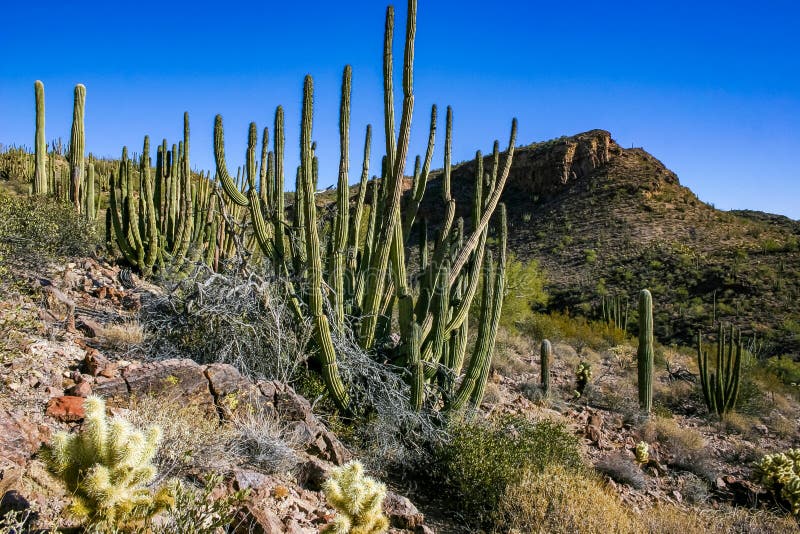
In the sun-scorched expanse of Chile’s Atacama Desert, where the earth seems to exhale heat like a furnace, a small, spiky sentinel stands defiant against the elements. The Copiapoa, a genus of cacti native to this arid realm, is not merely a survivor—it is a testament to nature’s unyielding ingenuity. Its resilience whispers secrets of adaptation, its form a masterclass in survival, and its existence a poignant reminder of what we stand to lose if we fail to protect the fragile ecosystems it calls home. For those who pause to observe, the Copiapoa is more than a plant; it is a symbol, a teacher, and a call to action.
The Atacama’s Crucible: Where Survival is Sculpted by Scarcity
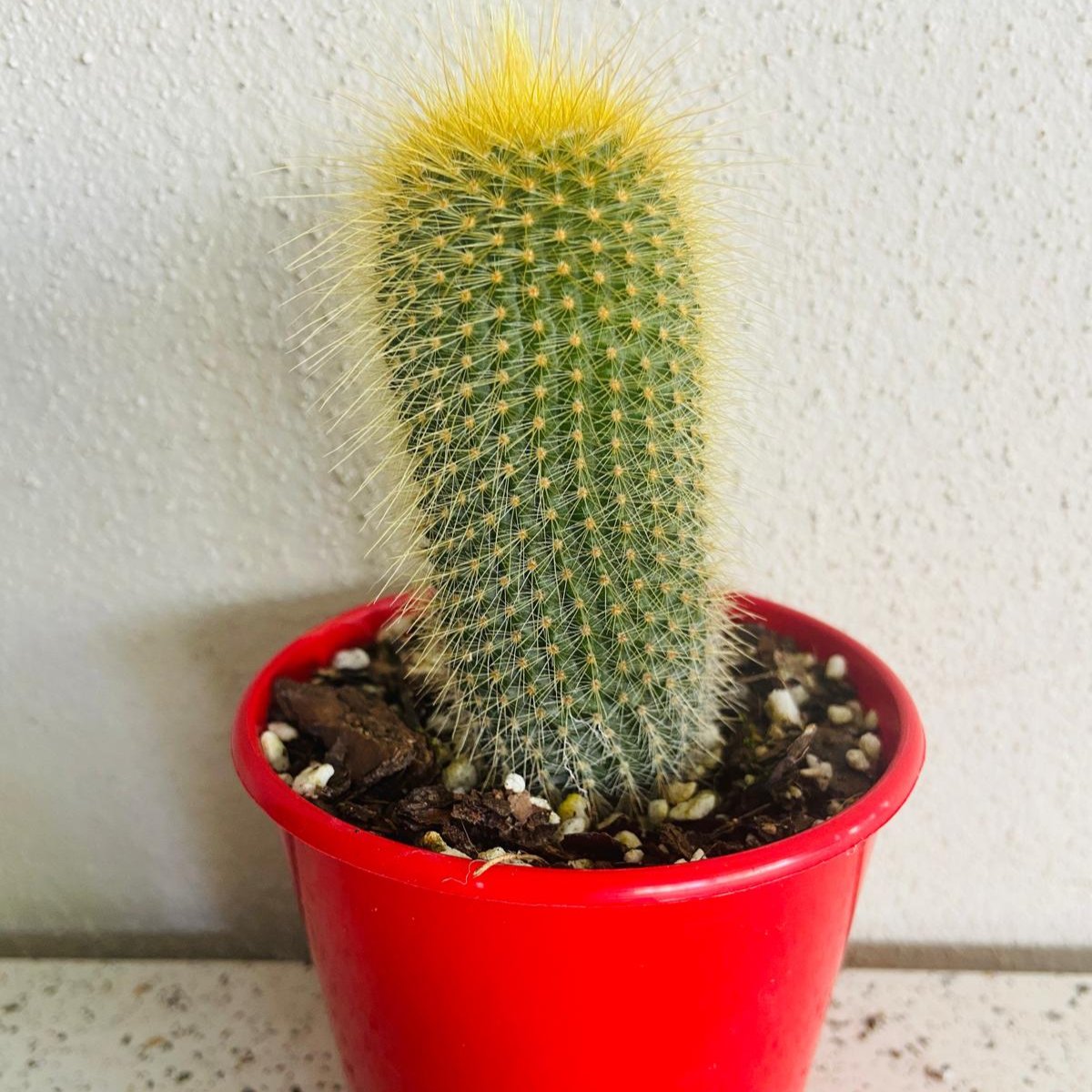
The Atacama Desert is not for the faint of heart. Stretching over 1,000 kilometers along Chile’s northern coast, it is the driest non-polar desert on Earth, where rainfall is measured in millimeters per decade rather than years. Yet, in this desolate landscape, the Copiapoa thrives—not in spite of the harshness, but because of it. Its thick, ribbed stems, often cloaked in a dense armor of spines, are not merely decorative; they are a fortress against the relentless sun and the ceaseless wind. The spines, far from being passive, act as a microclimate regulator, casting shadows that cool the plant’s surface and reducing water loss through transpiration.
But the Copiapoa’s adaptations run deeper than its exterior. Beneath the soil, its roots sprawl like the fingers of an ancient sage, stretching outward in search of moisture that may not come for years. When the rare rains do arrive, the cactus absorbs water with a voracity that borders on the miraculous, storing it in its fleshy tissues like a camel in the desert. This ability to endure drought is not just a biological quirk—it is a blueprint for survival in an era of climate volatility, where water scarcity looms as one of humanity’s greatest challenges.
The Geometry of Resilience: How Form Follows Function
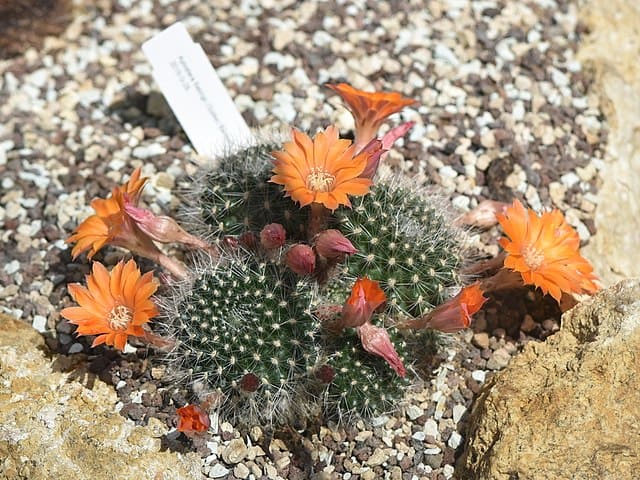
To gaze upon a Copiapoa is to witness the intersection of art and survival. Its spherical or columnar forms, often clustered in tight-knit colonies, are not random; they are the result of millennia of evolutionary fine-tuning. The spherical shape minimizes surface area, reducing exposure to the sun’s scorching rays, while the ribbed structure allows for efficient water storage and thermal regulation. Some species, like the Copiapoa cinerea, adopt a grayish hue, a camouflage that blends seamlessly with the rocky terrain, while others, such as the Copiapoa humilis, remain hidden beneath the soil, emerging only when conditions are favorable.
This morphological diversity is not merely aesthetic—it is a survival strategy. In a habitat where every drop of water is precious, the Copiapoa’s form ensures that it can endure both the blistering heat of the day and the frigid nights that follow. It is a living paradox: a plant that is both unassuming and extraordinary, a silent architect of resilience in a world that often overlooks the small but mighty.
Symbiosis in the Sands: The Unseen Bonds of the Desert
The Copiapoa’s story is not one of solitude. In the harsh expanse of the Atacama, it forms intricate relationships with its environment, each interaction a thread in the tapestry of survival. One of its most vital partnerships is with mycorrhizal fungi, which colonize its roots and extend its reach into the soil, enhancing its ability to absorb water and nutrients. This underground network is a lifeline, a hidden highway that connects the cactus to the broader ecosystem.
Even the insects that traverse the desert play a role. Beetles, ants, and even the occasional lizard may find refuge in the Copiapoa’s spines or beneath its shade, creating a microhabitat that teems with life. In return, these creatures may aid in pollination or seed dispersal, ensuring the cactus’s continued propagation. It is a delicate dance, one that underscores the interconnectedness of all life—a reminder that no organism exists in isolation, and that the loss of one species can send ripples through an entire ecosystem.
The Copiapoa as a Mirror: What Its Struggle Tells Us About Our Own
To study the Copiapoa is to confront a mirror. Its struggles are our struggles: the battle against an inhospitable climate, the need for adaptability in the face of change, and the imperative to conserve what little we have. In an age where desertification claims vast swaths of land and biodiversity faces unprecedented threats, the Copiapoa stands as a symbol of hope—and a warning. Its resilience is a testament to nature’s capacity to endure, but its fragility is a stark reminder of how easily that endurance can be shattered by human hands.
The illegal trade of wild Copiapoa species, driven by collectors and the black market, has pushed many to the brink of extinction. The slow growth of these cacti—some taking decades to reach maturity—makes them particularly vulnerable to exploitation. When a Copiapoa is uprooted from its desert home, it is not just a plant that is lost; it is a piece of an ancient ecosystem, a fragment of a story that has unfolded over millennia. The loss of a single species can unravel the delicate balance of its habitat, triggering cascading effects that ripple through the food web.
Conservation in Action: Protecting the Silent Architects
Fortunately, the story of the Copiapoa is not one of inevitable decline. Conservation efforts, both in Chile and abroad, are working to safeguard these remarkable plants. Botanical gardens and seed banks are preserving genetic diversity, while local communities are being empowered to protect their natural heritage. In the Atacama, initiatives are underway to restore degraded habitats, ensuring that the Copiapoa’s home remains a sanctuary for future generations.
But conservation cannot be the work of scientists and policymakers alone. It requires a shift in how we perceive the natural world—a recognition that every organism, no matter how small or seemingly insignificant, plays a role in the grand tapestry of life. The Copiapoa teaches us that survival is not about brute strength, but about ingenuity, adaptability, and interconnectedness. By protecting it, we are not just saving a plant; we are preserving a philosophy of resilience, a lesson in how to thrive in the face of adversity.
The Legacy of the Copiapoa: A Call to Stewardship
As the sun sets over the Atacama, casting long shadows across the desert floor, the Copiapoa stands sentinel. It is a relic of a time when the earth was young, a survivor of epochs that have reshaped continents, and a harbinger of the challenges to come. Its story is one of endurance, but it is also a story of fragility—a reminder that even the most resilient among us are not invincible.
To care for the Copiapoa is to care for the earth itself. It is to acknowledge that our fates are intertwined, that the loss of a single species is a loss for all of us. In a world where the pace of change outstrips our ability to adapt, the Copiapoa offers a lesson in patience, in humility, and in the power of quiet persistence. It is a call to action—not just for conservationists, but for every person who has ever marveled at the tenacity of life in the most unlikely of places.

The Copiapoa is more than a plant. It is a symbol of what it means to endure, to adapt, and to thrive against the odds. And in its silent, spiky presence, it asks us a simple but profound question: Will we be as resilient as it is?
FAQ
What is the Copiapoa cactus?
The Copiapoa is a genus of cacti native to the Atacama Desert in Chile, known for its resilience in harsh conditions.
Why is the Copiapoa important for conservation?
It symbolizes the fragility of ecosystems and highlights the need for conservation efforts amid climate change.


Leave a Reply