
Short Answer
What if the silent sentinels of our deserts—cacti—and the tiny, tireless architects of life—pollinators—were to vanish? The repercussions wouldn’t just ripple through their immediate habitats; they would cascade into a domino effect, reshaping entire ecosystems in ways we’re only beginning to comprehend. This isn’t a dystopian fantasy. It’s a looming reality, and the stakes couldn’t be higher.
The Unseen Threads: How Cacti and Pollinators Are Interwoven
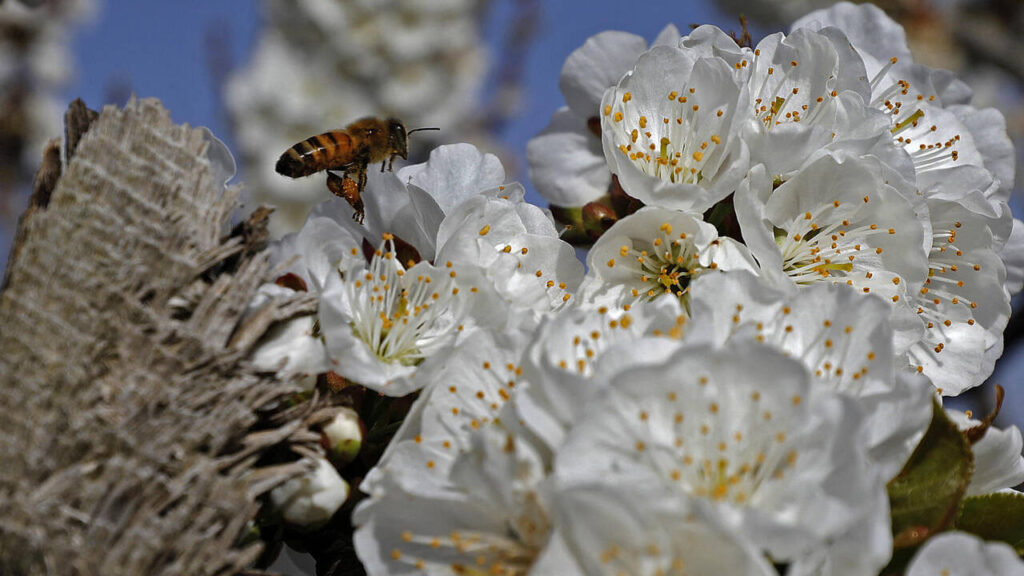
Picture this: a saguaro cactus, towering like a sentinel in the Sonoran Desert, its arms outstretched as if in a perpetual embrace. It doesn’t just stand there—it thrives, thanks to an intricate dance with pollinators. These spiky giants rely on bats, bees, and even hummingbirds to transfer pollen from one bloom to another. In return, they offer nectar, a sugary elixir that fuels these winged wanderers. It’s a mutualistic tango, a give-and-take that has evolved over millennia.
But here’s the twist: cacti aren’t just passive participants in this ballet. They’re the stage itself. Their flowers, often vibrant and fragrant, are designed to attract pollinators with precision. The timing of their blooms, the shape of their petals, even the scent they emit—all are finely tuned to the rhythms of their pollinator partners. Disrupt one, and the other falters. It’s a delicate equilibrium, one that’s increasingly under siege.
The Vanishing Act: Why Pollinators Are Disappearing at an Alarming Rate
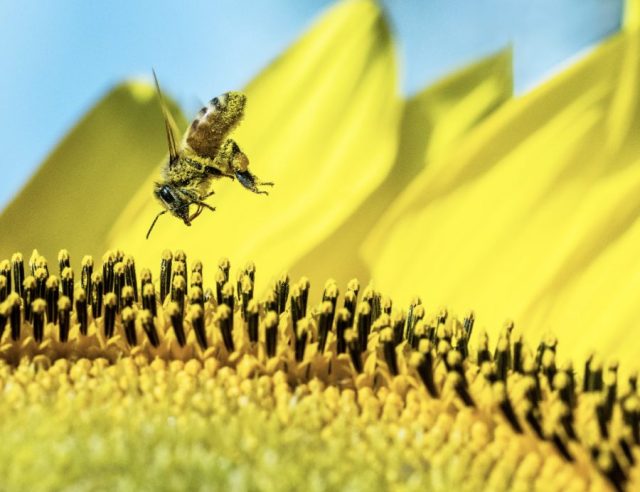
Pollinators are in freefall. Bees, butterflies, bats, and even some beetles are vanishing at rates that defy comprehension. Habitat loss, pesticide overuse, climate change, and invasive species are waging a relentless war on these ecological linchpins. Consider the monarch butterfly, once a common sight fluttering across North American skies. Today, its populations have plummeted by over 80% in some regions. The cause? A trifecta of deforestation, herbicide-laden agriculture, and erratic weather patterns.
But the decline isn’t limited to charismatic megafauna. Even the humble bumblebee, a workhorse of pollination, is struggling. In Europe, some species have seen their ranges shrink by nearly 30% in just two decades. The dominoes are falling, and the consequences are far-reaching. Without pollinators, entire plant species face extinction. And without those plants? The ripple effects begin.
Imagine a desert stripped of its cacti. The loss isn’t just aesthetic—it’s functional. Cacti are water reservoirs, their fleshy stems storing precious moisture in arid landscapes. They provide shelter for birds and reptiles. Their fruits nourish creatures from insects to mammals. When pollinators disappear, cacti follow suit. And with them goes an entire suite of species that depend on these spiky survivors.
The Cactus Conundrum: What Happens When Spines Stand Alone
Cacti are the unsung heroes of resilience. They’ve adapted to thrive where others wither—scorching days, freezing nights, and parched earth. But even their legendary toughness has limits. When pollinators vanish, cacti face a reproductive crisis. No pollinators mean no seeds. No seeds mean no new generations. Over time, the cacti populations dwindle, their genetic diversity eroding like a riverbed drying under the sun.
This isn’t just a desert problem. Cacti are found across the Americas, from the Canadian prairies to the Andes. In Mexico alone, over 500 species of cacti exist, many of which are endemic—meaning they’re found nowhere else on Earth. The loss of these plants would be catastrophic, not just for local ecosystems but for global biodiversity. Cacti are keystone species, their presence shaping the very structure of their habitats. Remove them, and the entire edifice begins to crumble.
Consider the prickly pear, a cactus that’s a staple in both wild landscapes and human diets. Its vibrant fruits feed birds, mammals, and even humans. Its pads provide shade and moisture for small creatures. But without pollinators, the prickly pear’s future is uncertain. The same goes for the iconic Joshua tree, a symbol of the Mojave Desert. Its survival hinges on the yucca moth, a pollinator so specialized that it can’t survive without the tree, and vice versa. It’s a classic example of obligate mutualism—a relationship so tight that the fate of one species is inextricably linked to the other.

The Domino Effect: How One Loss Triggers a Cascade of Collapse
The disappearance of cacti and pollinators isn’t an isolated tragedy—it’s a catalyst for ecological unraveling. Take the desert tortoise, a species already threatened by habitat destruction. These ancient reptiles rely on cacti for food and water. Without them, tortoises face starvation. Their decline, in turn, affects predators like coyotes and ravens, which depend on tortoises for sustenance. The ripple effects extend to plants that once relied on tortoises for seed dispersal. It’s a chain reaction, a domino effect that reshapes entire landscapes.
In the Americas, cacti are also vital for carbon sequestration. Their dense, water-storing tissues allow them to photosynthesize efficiently even in drought conditions. When cacti disappear, so does their ability to capture carbon, exacerbating climate change. Meanwhile, the loss of pollinators disrupts the reproduction of countless other plants, from wildflowers to agricultural crops. The result? A world where deserts grow barer, food webs fray, and ecosystems lose their resilience.
But the impact isn’t limited to wild landscapes. Agriculture, too, would suffer. Many crops—from alfalfa to squash—depend on pollinators. The economic cost of their decline is staggering, with estimates suggesting that pollinator loss could cost the global economy hundreds of billions of dollars annually. The irony? The very systems that rely on pollinators are often the ones driving their decline through habitat destruction and pesticide use.
Can We Reverse the Tide? The Path Forward
The challenge is daunting, but not insurmountable. Conservationists are rallying to protect pollinators through habitat restoration, pesticide reduction, and public awareness campaigns. In some regions, native plant gardens are being planted to provide pollinators with the nectar and pollen they need. In others, farmers are adopting pollinator-friendly practices, such as planting hedgerows and reducing tillage. These efforts aren’t just about saving bees and butterflies—they’re about preserving the intricate web of life that sustains us all.
For cacti, the solution lies in protecting their habitats and ensuring that pollinators have the resources they need to thrive. This means curbing deforestation, reducing pesticide use, and addressing climate change. It also means recognizing the cultural and ecological value of these spiky survivors. In Mexico, for example, cacti are not just plants—they’re symbols of resilience, featured in art, folklore, and cuisine. Their survival is intertwined with human heritage.
The question isn’t whether we can afford to save cacti and pollinators. It’s whether we can afford not to. The loss of these species would unravel ecosystems, disrupt food chains, and diminish the beauty and diversity of our planet. But there’s hope. By acting now, we can rewrite the story of decline into one of restoration and renewal. The deserts of tomorrow don’t have to be silent, barren wastelands. They can be vibrant, thriving ecosystems—teeming with life, color, and the hum of pollinators at work.
So, what will it be? A world where cacti stand alone, their spines casting shadows over a landscape devoid of life? Or a world where these spiky sentinels and their pollinator partners continue to dance in the sunlight, their mutualism a testament to nature’s ingenuity? The choice is ours.
FAQ
Why are cacti and pollinators important?
They are essential for maintaining ecological balance and biodiversity.
What are the main threats to pollinators?
Habitat loss, pesticide overuse, climate change, and invasive species.
How does the decline of pollinators affect cacti?
Without pollinators, cacti cannot reproduce, leading to population declines.


Leave a Reply