
Short Answer
In the arid heartlands of Mexico and the southwestern United States, a silent crisis unfolds—one that threatens not just a plant, but a cultural keystone, a spiritual beacon, and a living testament to resilience. The Lophophora genus, home to the revered peyote cactus, stands at the precipice of extinction, its survival hanging by the thinnest of threads. Habitat loss and overharvesting have conspired to strip this sacred plant of its dignity, reducing it to a shadow of its former abundance. Yet, beneath the surface of this ecological tragedy lies a narrative far more profound—a story of human greed, cultural erasure, and the urgent need for systemic change. To understand why Lophophora is endangered is to confront uncomfortable truths about our relationship with the natural world and the communities that have safeguarded it for millennia.
The Sacred Cactus in Peril: A Cultural Cataclysm
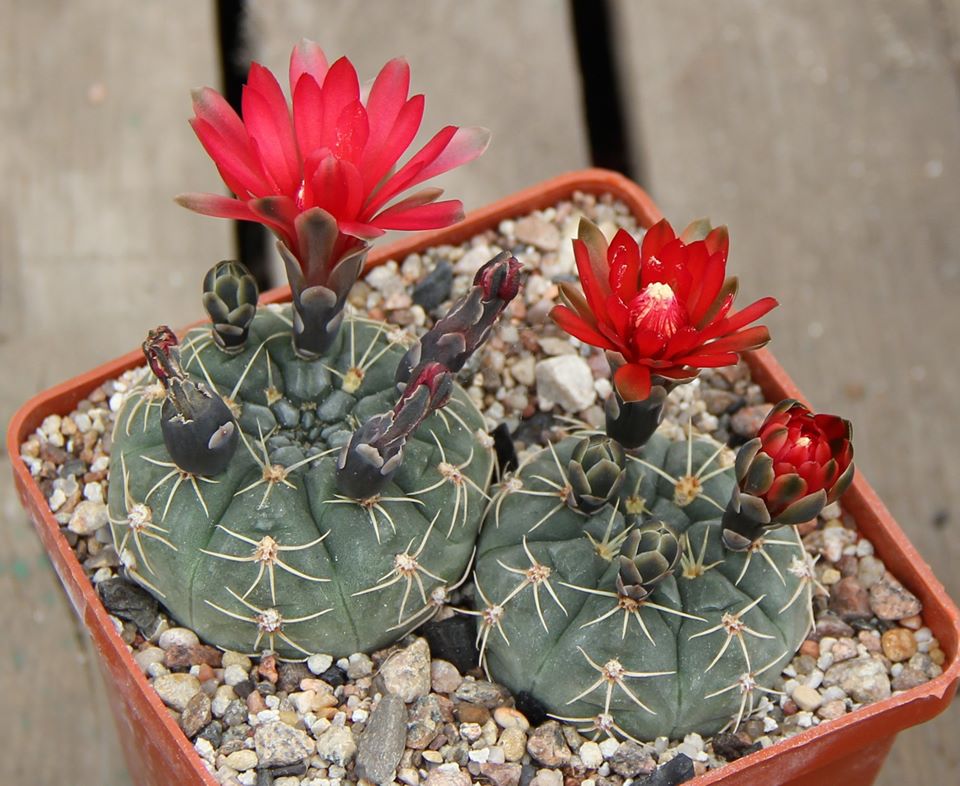
Lophophora is no ordinary plant. To the indigenous peoples of the Americas, particularly the Huichol, Tarahumara, and Comanche nations, it is a divine intermediary—a bridge between the earthly and the spiritual. Peyote, the primary species in this genus, has been woven into rituals, healing ceremonies, and communal bonds for over 5,000 years. Its consumption is not merely an act of ingestion; it is a sacrament, a rite of passage, and a means of communing with the divine. Yet, the encroachment of modernity has reduced this sacred cactus to a commodity, its spiritual significance drowned out by the cacophony of commercial exploitation.
The loss of Lophophora is not just an ecological disaster—it is a cultural genocide. When a plant sacred to indigenous traditions is stripped from its natural habitat, the ripple effects are devastating. Elders who once passed down oral histories through peyote visions find their knowledge silenced. Younger generations, disconnected from their ancestral roots, struggle to reclaim a heritage that is literally being uprooted. The overharvesting of peyote for the black market, fueled by non-indigenous demand, has turned a once-sustainable practice into a predatory industry. The irony is stark: a plant that has sustained spiritual lives for millennia is now being driven to extinction by those who claim to revere it.
Habitat Loss: The Silent Strangulation of the Desert
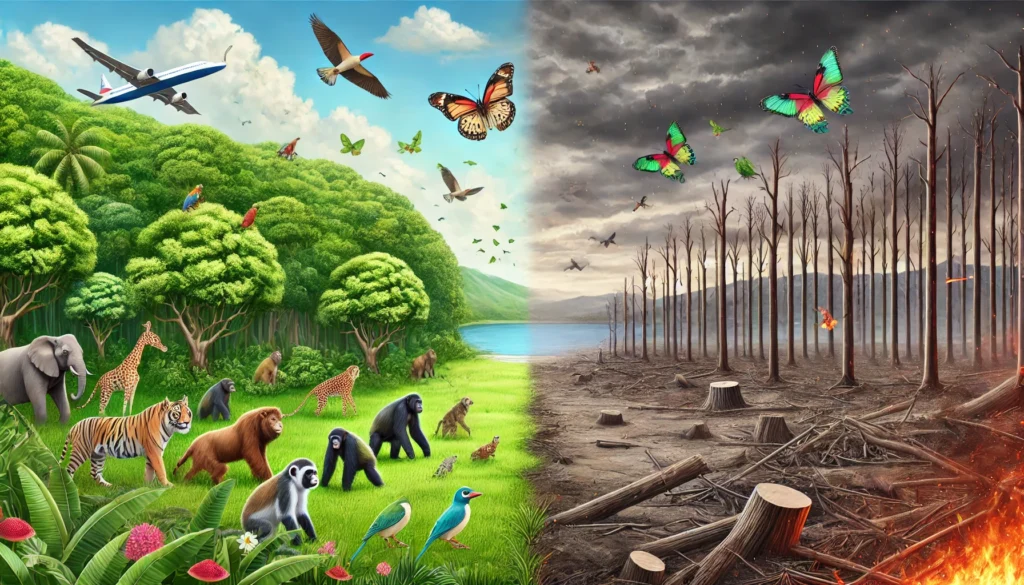
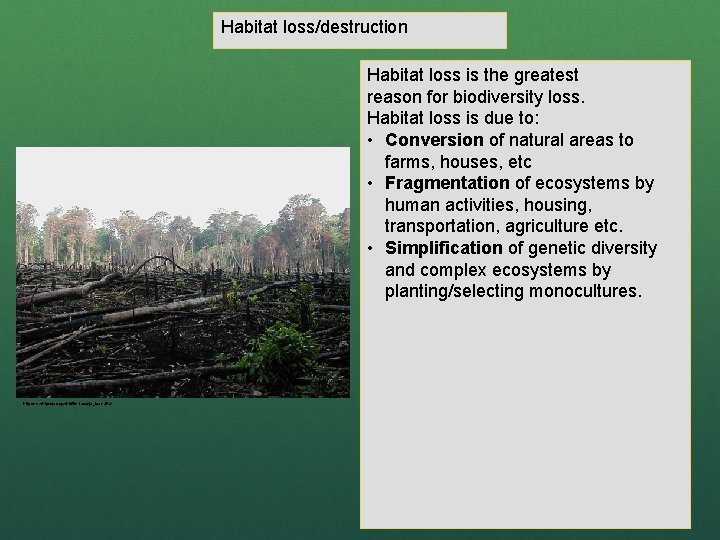
The Chihuahuan Desert, the primary bastion of Lophophora, is a fragile ecosystem where life clings to existence against the odds. Yet, this desert is under siege—not by drought alone, but by the relentless expansion of agriculture, urbanization, and industrial development. The once-vast stretches of land where peyote thrived are now fragmented by roads, fences, and fields of genetically modified crops. The soil, already parched and nutrient-scarce, is further depleted by monoculture farming, leaving Lophophora with nowhere to take root.
Climate change exacerbates this crisis. Rising temperatures and erratic rainfall patterns disrupt the delicate balance that peyote requires to flourish. The cactus, a master of survival in harsh conditions, now faces a new adversary: an environment that is becoming increasingly inhospitable. The encroachment of invasive species, such as buffelgrass, further chokes out native flora, leaving Lophophora with fewer allies in its struggle to survive. The desert, once a sanctuary, is now a battleground—and the peyote is losing the war.
Overharvesting: The Plunder of a Sacred Resource
The demand for peyote has surged beyond sustainable levels, driven by a combination of recreational curiosity, New Age spiritualism, and the black market. What was once a controlled, communal harvest by indigenous groups has morphed into a free-for-all, where poachers strip the desert bare without regard for regeneration. The slow growth rate of Lophophora—some specimens take decades to mature—makes recovery nearly impossible once they are uprooted. Each peyote cactus plucked from the earth is not just a plant lost; it is a cultural memory erased, a spiritual practice disrupted.
The commercialization of peyote has also led to the rise of “peyote farms,” where the cactus is cultivated under artificial conditions. While this may seem like a solution, it often involves the exploitation of indigenous knowledge and labor, with little benefit returning to the communities that have stewarded the plant for generations. Moreover, cultivated peyote lacks the spiritual potency of wild-harvested specimens, further diluting the sacred essence of the tradition. The irony is bitter: the more peyote is commodified, the more its true value—both ecological and spiritual—is diminished.
The Legal Labyrinth: A System That Fails Both People and Plants
The legal status of peyote is a tangled web of contradictions. In the United States, peyote is classified as a Schedule I controlled substance under federal law, yet it is legally used in religious ceremonies by members of the Native American Church. This exemption, while a step toward cultural recognition, is a double-edged sword. It legitimizes peyote use for one group while criminalizing it for others, creating a black market that thrives on demand from non-indigenous users. Meanwhile, in Mexico, where peyote is native, its harvest and trade are heavily regulated—often to the detriment of indigenous communities who have relied on it for centuries.
The legal framework surrounding peyote is not just ineffective; it is actively harmful. It fails to address the root causes of overharvesting, instead criminalizing the very people who have the most to lose from its disappearance. Indigenous communities, already marginalized by centuries of colonialism, are further disenfranchised by laws that do not recognize their sovereignty over their sacred plants. The result is a system that perpetuates injustice, where the survival of Lophophora is secondary to bureaucratic red tape and political posturing.
A Call to Action: Reimagining Our Relationship with the Sacred
The plight of Lophophora is a microcosm of a larger crisis—one where humanity’s greed outpaces its reverence for the natural world. To save the peyote cactus is to confront the uncomfortable truth that our actions have consequences, not just for the environment, but for the cultures and communities that depend on it. The solution lies not in further regulation or commercialization, but in a fundamental shift in perspective: one that recognizes peyote as more than a plant or a drug, but as a living entity deserving of respect and protection.
Indigenous-led conservation efforts offer a glimmer of hope. Programs that combine traditional ecological knowledge with modern conservation science are proving that sustainable harvest is possible. By empowering indigenous communities to steward their own lands and resources, we can ensure that peyote is not just preserved, but honored. This requires dismantling the systems of oppression that have marginalized these communities for centuries—a task that is as daunting as it is necessary.
The fate of Lophophora is not yet sealed. But the window of opportunity is closing. The question is not whether we can save the peyote cactus, but whether we are willing to confront the deeper truths it represents: that our survival is intertwined with the survival of the sacred, and that true reverence requires action, not just words.
FAQ
Why is Lophophora endangered?
Lophophora is endangered due to habitat loss from urbanization and agriculture, as well as overharvesting driven by illegal trade and recreational use.
What cultural significance does peyote have?
Peyote is a sacred plant for many indigenous peoples, used in rituals and spiritual practices for thousands of years.
How does climate change impact Lophophora?
Climate change disrupts the delicate ecosystem of the Chihuahuan Desert, making it harder for Lophophora to survive due to rising temperatures and erratic rainfall.



Leave a Reply