

Short Answer
In the vast, sun-scorched tapestries of deserts and arid plains, where the earth cracks like parched lips and the wind whispers through skeletal remains of ancient life, a quiet revolution is unfolding. It is not the clamor of bulldozers or the roar of engines, but the gentle, deliberate return of life—specifically, the resurrection of cactus habitats. These spiny sentinels, once dismissed as mere desert curiosities, are now recognized as keystones of biodiversity, guardians of fragile ecosystems, and symbols of resilience in the face of climate adversity. Restoring cactus habitats isn’t just about planting a few prickly giants; it’s about rewilding landscapes, rekindling ecological memory, and restoring the pulse of life to places that have been stripped bare by time and human hand.
The Cactus as Architect: Building Oases in the Sand
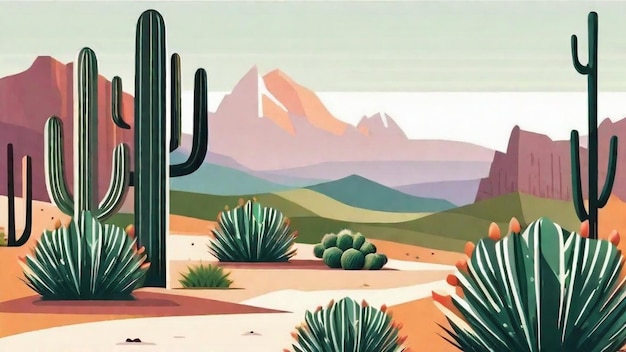
Imagine a cactus not as a solitary plant, but as an architect of microclimates. With its ribbed columns and pleated flesh, the saguaro, for instance, is a living water tower, storing gallons of moisture in its spongy tissue, releasing it slowly into the parched air through transpiration. Each cactus is a tiny ecosystem in itself—a vertical oasis that cools the air, shelters insects, and offers nectar to pollinators. When we restore cactus habitats, we are not merely planting flora; we are constructing miniature worlds where life can thrive amid adversity. The act of replanting is akin to stitching back the fabric of a torn landscape, one spine at a time. In the Sonoran Desert, where saguaros can live for 150 years and grow to the height of a telephone pole, their presence is a testament to endurance. Restoring their populations is not just conservation—it’s a form of ecological time travel, bringing back the rhythms of a land that once pulsed with life.
But cacti are more than passive survivors. They are engineers of shade and moisture. Their dense, waxy skins reduce water loss, while their shallow, widespread roots act like nature’s irrigation systems, capturing every drop of rain before it vanishes into the thirsty earth. In this way, cacti are the unsung heroes of desert hydrology, ensuring that even in the driest seasons, life persists. To restore their habitats is to restore the very architecture of survival in arid lands.

From Dust to Dawn: The Alchemy of Rewilding
Rewilding cactus habitats is not a linear process—it is alchemy. It begins with soil. Desert soils, often dismissed as barren, are in fact teeming with microbial life, dormant seeds, and the ghosts of ancient plants. When we reintroduce cacti, we are not just adding greenery; we are reactivating a dormant symphony. The first rains after planting can feel like a resurrection. Within days, the soil awakens. Fungi stretch their tendrils toward the roots. Bacteria multiply in the rhizosphere. Insects return, drawn by the promise of nectar and shelter. Birds follow, their songs weaving through the spines like threads of sound. This is not mere restoration—it is ecological reanimation.
Consider the prickly pear, with its flat, paddle-like pads and vibrant flowers. Its presence is a signal to pollinators, a beacon in the beige expanse. When we plant clusters of prickly pears, we are not just adding color; we are creating a highway for bees, butterflies, and hummingbirds. Each cactus becomes a pit stop in a vast, invisible network of life. Over time, the landscape shifts from monochrome monotony to a mosaic of green and gold, dotted with bursts of red, yellow, and purple. The transformation is subtle at first—just a few more insects, a few more birds—but it gathers momentum like a desert storm, reshaping the land from the ground up.
The Thorns That Bind: Cacti as Keystones of Biodiversity
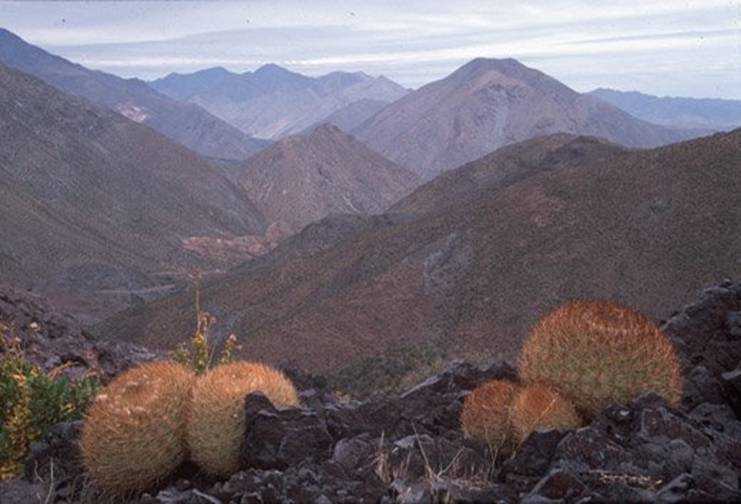
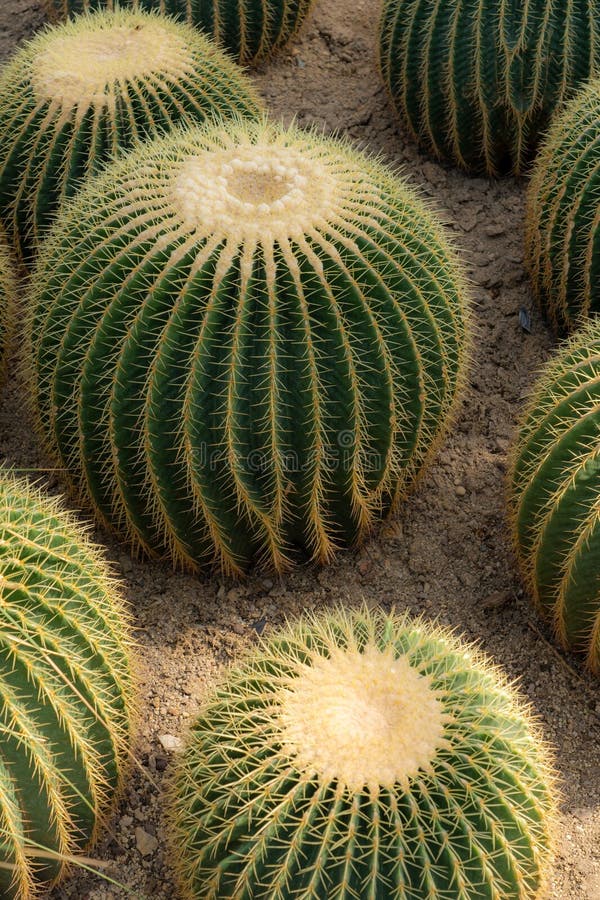
Cacti are not just survivors; they are keystones. Remove them, and the entire arch of the ecosystem collapses. Take away the barrel cactus, and the Gila woodpecker loses its nesting site. Remove the cholla, and the desert tortoise loses a vital food source. The spines of a cactus are not mere defenses—they are invitations to a hidden world. They provide shelter for lizards, nesting material for birds, and moisture traps for insects. In this way, cacti are the architects of biodiversity, their presence echoing through the food web like ripples in a pond.
Restoring cactus habitats is not just about the plants themselves—it’s about the creatures that depend on them. The desert tortoise, a species in decline, relies on the tender shoots of young cacti for sustenance. The elf owl, the smallest owl in the world, nests in the hollowed-out arms of saguaros. Even the humble kangaroo rat, a creature of the night, depends on the seeds and fruits of cacti for survival. When we restore cactus habitats, we are not just saving plants—we are saving entire lineages of life that have evolved in tandem with these spiny giants. It is a reminder that conservation is not a single act, but a cascade of interconnected relationships.
The Silent Language of Spines: Communication in the Desert
In the desert, silence is not absence—it is a language. The spines of a cactus are not just physical barriers; they are signals. They deter herbivores, yes, but they also communicate with the world around them. The scent of a blooming cactus is a siren call to pollinators. The shape of its silhouette is a map for birds seeking shelter. Even the shadows cast by its arms can influence the microclimate, creating pockets of coolness where seeds can germinate. Restoring cactus habitats is not just about planting; it is about learning to listen to the silent language of the desert.
There is poetry in this. The cactus does not speak, yet it sings. It does not move, yet it shapes the land. It is a paradox—a plant that is both fortress and sanctuary, both obstacle and pathway. To restore its habitat is to tune into this quiet symphony, to become a participant in a dance that has been ongoing for millennia.
Challenges and Triumphs: The Battle Against the Tides of Change
Of course, the path to restoration is not without its thorns. Climate change is a relentless tide, bringing longer droughts, hotter temperatures, and more erratic rainfall. Invasive species, from cheatgrass to feral pigs, can smother young cacti before they have a chance to take root. Urban sprawl and agricultural expansion encroach on fragile desert ecosystems, leaving little room for these slow-growing giants. Even well-intentioned efforts can go awry—planting cacti in the wrong soil, or at the wrong time, can lead to failure. But these challenges are not insurmountable. They are calls to action.
Success stories abound. In the Mojave Desert, conservationists have revived populations of the Mojave yucca, a plant that provides critical habitat for the desert tortoise. In the Chihuahuan Desert, efforts to restore the peyote cactus have not only revived a culturally significant species but also bolstered the populations of pollinators like the yucca moth. These triumphs are not just victories for cacti—they are proof that rewilding can work, even in the harshest of environments. They remind us that restoration is not a sprint, but a marathon, requiring patience, persistence, and a deep respect for the rhythms of the land.
The Future: A World Rewoven with Spines
What does the future hold for cactus habitats? If we act with intention, it could be a future where deserts are not wastelands, but vibrant tapestries of life. A future where saguaros stand like ancient sentinels, their arms outstretched in a silent embrace. A future where prickly pears burst into flame with color, drawing in a chorus of pollinators. A future where the desert is not a place of scarcity, but a place of abundance—a place where every spine, every flower, every drop of stored water tells a story of resilience and renewal.
Restoring cactus habitats is not just about saving plants. It is about reclaiming our place in the natural world. It is about recognizing that we are not separate from the land, but a part of its intricate, interwoven fabric. It is about understanding that the desert, with all its harshness, is not a place to be tamed, but a place to be honored. And it is about remembering that even in the most barren of landscapes, life persists—tenacious, adaptable, and full of wonder.
So let us roll up our sleeves. Let us plant with care, tend with patience, and listen with humility. For in the spines of the cactus, we find not just the future of the desert, but a mirror of our own capacity for renewal. The land is waiting. The time is now.
FAQ
What is rewilding?
Rewilding is a conservation approach that aims to restore ecosystems to their natural state, allowing wildlife and plants to flourish without human intervention.
Why are cacti important to desert ecosystems?
Cacti are keystone species in desert ecosystems, providing essential resources like food and shelter for various wildlife, thus maintaining biodiversity.

Leave a Reply