
Short Answer
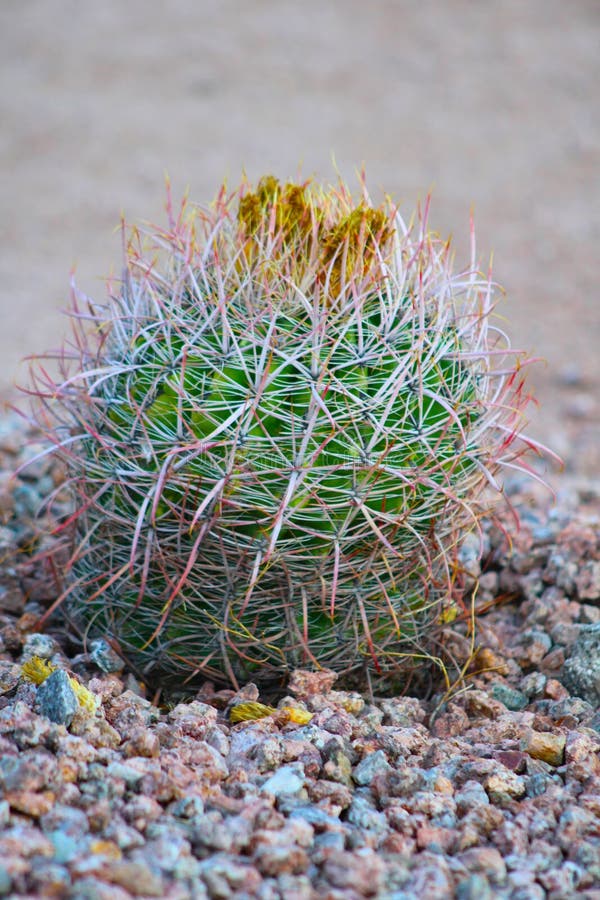
Imagine a sentinel of the desert, standing tall and unyielding under the scorching sun, its ribs armored with spines that glint like polished steel. The Ferocactus, a genus of barrel cacti, is not merely a plant—it is a testament to resilience, a living sculpture carved by the harshest of environments. These fierce botanical warriors, native to the arid landscapes of the Americas, have evolved to thrive where few others dare to exist. Yet, their rugged beauty belies a surprising tenderness when met with the right care. Growing a Ferocactus is not just about nurturing a plant; it’s about embracing a philosophy of patience, precision, and profound respect for nature’s tenacity. If you’ve ever been captivated by the idea of cultivating a piece of the wild, read on—because the Ferocactus promises to transform your understanding of what it means to grow something extraordinary.
The Allure of the Ferocactus: Why These Spine-Clad Titans Demand Your Attention
There’s something undeniably magnetic about the Ferocactus. Perhaps it’s the way its ribbed, spherical body swells with stored vitality, or the way its spines—sharp as a knight’s armor—radiate outward in perfect symmetry. These cacti are not just survivors; they are artists, sculpting their forms in response to the relentless desert winds and the merciless sun. The Ferocactus genus, with its 30-odd species, offers a spectrum of appearances, from the diminutive Ferocactus viridescens to the imposing Ferocactus wislizeni, which can reach heights of three feet. Each species carries its own story, a narrative etched into its flesh by the elements. To grow a Ferocactus is to invite a slice of the untamed into your home or garden, a living relic of the earth’s most unforgiving climates. But don’t be fooled by their stoic exteriors—these cacti are far more than decorative curiosities. They are teachers, demanding patience, discipline, and an almost reverent understanding of their needs. And when you meet those needs? The reward is nothing short of spectacular.
Choosing Your Ferocactus: A Journey Through Species and Selection
Selecting the right Ferocactus is the first step in a lifelong companionship with one of nature’s most intriguing plants. Begin by considering your environment. Do you live in a region blanketed by frost, or does your climate mimic the arid expanses of the Sonoran Desert? The Ferocactus latispinus, for instance, thrives in cooler conditions, while the Ferocactus cylindraceus revels in the heat of the Southwest. Size matters, too. A young Ferocactus may fit neatly on a windowsill, but as it matures, it will demand more space—both above and below the soil. Pay attention to the spines. Some species, like the Ferocactus gracilis, boast long, hooked spines that curl dramatically, while others, such as the Ferocactus fordii, feature shorter, more densely packed spines. Each spine arrangement is a clue to the cactus’s natural habitat, a clue you’ll need to decode if you hope to replicate its ideal conditions. And don’t overlook the flowers. The Ferocactus is capable of producing vibrant blooms—yellow, red, or even pink—though these are a rare treat for the patient grower. Choose a species that resonates with you, but remember: this is not a fleeting infatuation. A Ferocactus is a commitment, a living sculpture that will grow alongside you, its form evolving with each passing year.

Soil and Substrate: Crafting the Perfect Cradle for Your Spine-Crowned Charge
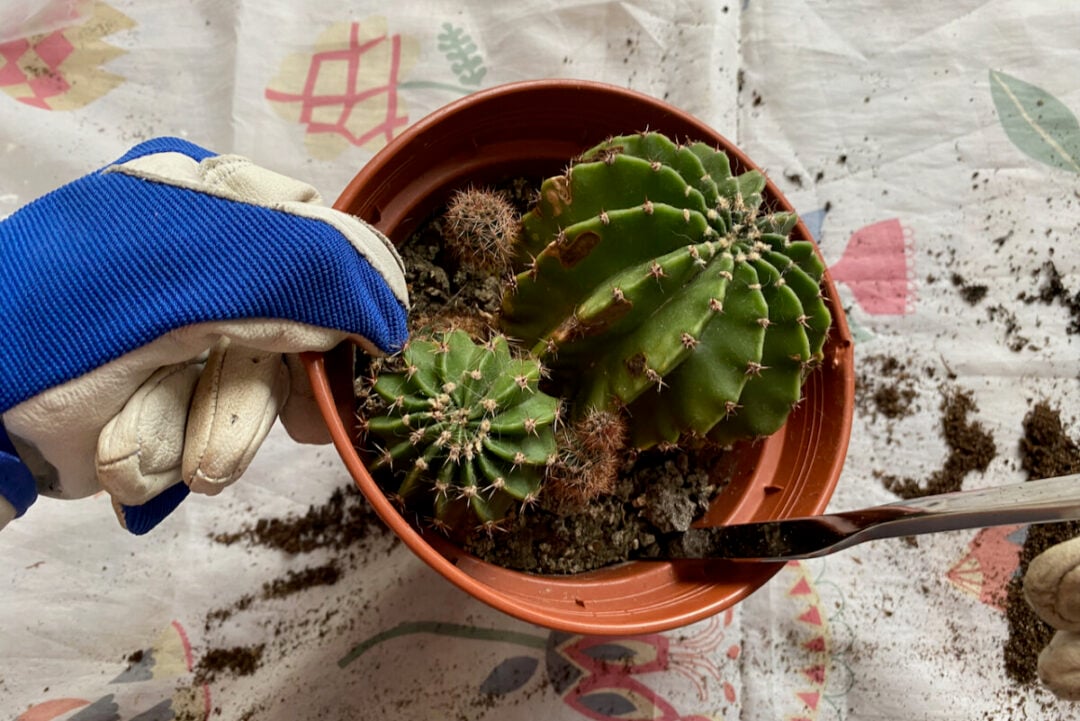
The Ferocactus is no ordinary houseplant. It does not thrive in the bog-standard potting mix you’d use for a fern or a peace lily. No, this is a desert dweller, a creature of grit and gravel, where water drains faster than a thief in the night. The key to success lies in mimicking the well-draining, mineral-rich soils of its native habitat. Start with a base of coarse sand—think beach sand, not the fine stuff you’d find in a sandbox. Add perlite or pumice to the mix, ensuring that the substrate remains porous and airy. A touch of organic matter, like coconut coir or a small amount of compost, can provide essential nutrients without suffocating the roots. The ideal soil mix should crumble like dry cake when squeezed, never clumping or retaining moisture. And here’s a pro tip: if you’re growing your Ferocactus in a container, ensure it has drainage holes the size of a dime or larger. Stagnant water is the silent assassin of these cacti, rotting their roots before you even realize there’s a problem. Think of the soil as the foundation of a fortress—strong, unyielding, and designed to protect what lies beneath.
Light: The Elixir of Life for Your Ferocactus
Light is the lifeblood of the Ferocactus. Without it, these cacti will stretch and etiolate, their once-compact forms elongating into spindly, weak imitations of their former selves. In their natural habitat, Ferocacti bask in the full, unfiltered glare of the sun, their spines acting as tiny umbrellas to shield them from the most intense rays. Indoors, you’ll need to replicate this intensity. A south-facing window is ideal, but if your home lacks such a vantage point, supplement with a grow light. LED grow lights, with their full-spectrum output, are the modern gardener’s best friend. Position the light close to the cactus—within a foot or two—and keep it on for 12 to 14 hours a day. Rotate the plant regularly to ensure even growth, preventing it from leaning toward the light like a sunbather chasing the sun. Outdoors, the rules are simpler: full sun, all day, every day. But beware the pitfalls of sudden exposure. If you’re moving a Ferocactus from a dim indoor space to the blazing outdoors, acclimate it gradually over a week or two. Otherwise, you risk sunburn—yes, cacti can get sunburned—leaving unsightly, bleached patches on their skin. Light is not just illumination; it’s the catalyst for the Ferocactus’s vibrant growth, the spark that ignites its dormant potential.
Watering: The Art of Restraint in a World of Excess
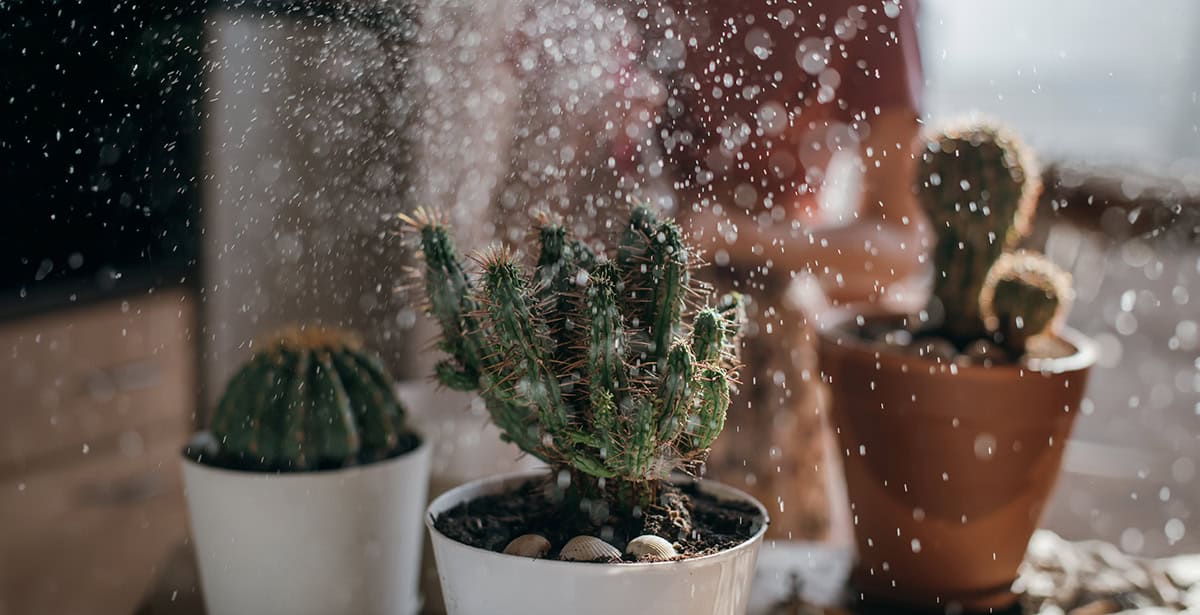
Watering a Ferocactus is less about hydration and more about restraint. These plants are built for drought, their thick, fleshy bodies storing water like a camel’s hump. Overwatering is the fastest route to a waterlogged, rotting demise. The golden rule? When in doubt, don’t water. Wait until the soil is bone-dry to the touch, then water deeply, until it runs freely from the drainage holes. Let the excess drain away entirely—no saucers, no reservoirs. Then, and only then, should you return the pot to its place. In the growing season—spring and summer—this might mean watering every two to three weeks, depending on your climate. In the dormant months—fall and winter—reduce the frequency to once a month, or even less if temperatures drop below 50°F (10°C). The key is consistency. A Ferocactus does not thrive on sporadic attention; it thrives on predictability. Think of watering as a dance, a slow, deliberate waltz between aridity and abundance. And never, ever mist your Ferocactus. These plants abhor humidity, their spines designed to shed moisture, not absorb it. Water at the base, where the roots can drink, and leave the rest to the desert air.
Temperature and Humidity: Recreating the Edge of the Desert
The Ferocactus is a creature of extremes. It thrives where the mercury soars and the air is as dry as a bone. While it can tolerate brief periods of cold—down to 20°F (-6°C) for some species—prolonged exposure to frost will spell its doom. If you live in a region with harsh winters, consider growing your Ferocactus in a container that can be moved indoors or under the shelter of a greenhouse. Indoors, aim for temperatures between 70°F and 100°F (21°C to 38°C) during the day, with a slight drop at night. Humidity is another critical factor. The Ferocactus despises damp air, its spines and thick skin adapted to shed moisture, not retain it. Aim for humidity levels below 40%, and ensure there’s ample airflow around the plant. Stagnant air is the breeding ground for pests and fungal diseases, both of which can spell disaster for your spine-crowned charge. If your home is humid, consider using a dehumidifier or placing the cactus in a room with a fan. Remember, you’re not just growing a plant—you’re curating an ecosystem, a tiny pocket of the desert where your Ferocactus can flourish.
Fertilizing: Feeding the Beast Without Overindulging
Fertilizing a Ferocactus is a delicate balancing act. These plants are not heavy feeders, but they do require a steady supply of nutrients to fuel their growth. The key is moderation. Use a balanced, water-soluble fertilizer—10-10-10 or 20-20-20—diluted to half strength. Apply it every four to six weeks during the growing season, but never in the dormant months. Overfertilizing is a common mistake, one that can lead to a cactus that grows too quickly, its ribs stretching and weakening under the strain. Think of fertilizer as a supplement, not a staple. The Ferocactus’s diet should be primarily water and sunlight with just a sprinkle of nutrients to keep it thriving. And always, always water the plant before fertilizing. Applying fertilizer to dry soil can burn the roots, leaving your cactus vulnerable to disease. If you’re unsure, err on the side of less. A Ferocactus that grows slowly but surely is far healthier—and far more stunning—than one that shoots up like a weed, only to collapse under its own weight.
Pests and Problems: Keeping Your Ferocactus Healthy and Happy
Even the most vigilant grower will encounter challenges. The Ferocactus, for all its resilience, is not immune to pests and diseases. Mealybugs, those cottony blights, love to nestle in the crevices of the ribs, sapping the plant’s strength. Scale insects, with their hard, shell-like bodies, cling to the spines like tiny barnacles. And then there are the fungal infections, lurking in the damp corners of overwatered soil. Prevention is your best defense. Inspect your Ferocactus regularly, running your fingers along the ribs and spines to check for intruders. If you spot pests, act quickly. A cotton swab dipped in rubbing alcohol can dispatch mealybugs and scale, while a systemic insecticide can tackle larger infestations. For fungal issues, reduce watering and improve airflow. And if rot sets in? It’s often too late. The only recourse is to cut away the affected tissue with a sterilized knife, hoping to save the rest of the plant. But with vigilance and care, your Ferocactus can remain a thriving, spine-clad marvel for decades. After all, these plants are survivors. They’ve endured millennia of drought and heat. With the right care, they’ll endure your watch as well.
The Reward: A Living Sculpture That Grows with You
There comes a moment, after months or even years of patient care, when your Ferocactus blooms. It’s a rare and breathtaking event, a fleeting display of color that rewards your dedication. The flowers, often vibrant and unexpected, emerge from the crown of the cactus, unfurling like the petals of some otherworldly bloom. They last only a few days, but their impact is eternal. To grow a Ferocactus is to participate in a cycle of life that spans generations. These plants can live for decades, their forms evolving with each passing year. A young Ferocactus may be a small, unassuming sphere, but with time, it will grow into a majestic, ribbed monument to the desert’s unyielding spirit. And as it grows, so too will your understanding of its needs, your bond with the plant deepening with each careful watering and every adjustment to its light. The Ferocactus is more than a plant. It’s a companion, a teacher, a living sculpture that challenges you to slow down, to observe, and to appreciate the beauty of patience. So go ahead. Invite a Ferocactus into your life. It will change you.
FAQ
What is the best soil for Ferocactus?
The best soil for Ferocactus is a well-draining mix, ideally composed of coarse sand, perlite, and a small amount of organic matter.
How often should I water my Ferocactus?
Water your Ferocactus every two to three weeks during the growing season and reduce it to once a month in the dormant months.
Can Ferocactus survive in low light?
Ferocactus thrives in bright, direct sunlight; low light conditions can lead to weak, elongated growth.
Leave a Reply