
Short Answer
There is a quiet defiance in the cactus—a silent rebellion against the arid landscapes it calls home. Its spines, sharp as unspoken truths, pierce the air not to wound, but to protect. In the realm of poetry, this tenacious plant becomes more than a survivor; it transforms into a living metaphor, a vessel for human emotions and existential musings. The cactus, with its paradoxical blend of fragility and fortitude, invites poets to weave its imagery into verses that resonate with resilience, solitude, and the unyielding pursuit of beauty amidst desolation. To explore the cactus in poetry is to embark on a journey through the desert of the soul, where every thorn holds a story and every bloom whispers a promise.
The Cactus as a Metaphor for Resilience: Thorns That Shield, Not Wound
The cactus stands as a sentinel of endurance, its spines serving as both armor and adornment. In poetic tradition, these thorns often symbolize the barriers we construct to safeguard our vulnerabilities. Yet, they are not mere obstacles; they are the very essence of protection, a testament to the cactus’s ability to thrive where others wither. Consider the metaphor of the cactus as a survivor of emotional droughts, its roots delving deep into the parched earth to extract sustenance from the barest of resources. Its resilience is not passive; it is a defiant act of creation, a refusal to surrender to the harshness of its environment. Poets have long drawn parallels between the cactus’s struggle and the human spirit’s capacity to endure, turning its prickly exterior into a symbol of inner strength. The thorn, often perceived as a weapon, becomes in verse a shield—a delicate yet unyielding barrier against the storms of life.
The Blooming Paradox: Beauty in the Most Unlikely Places
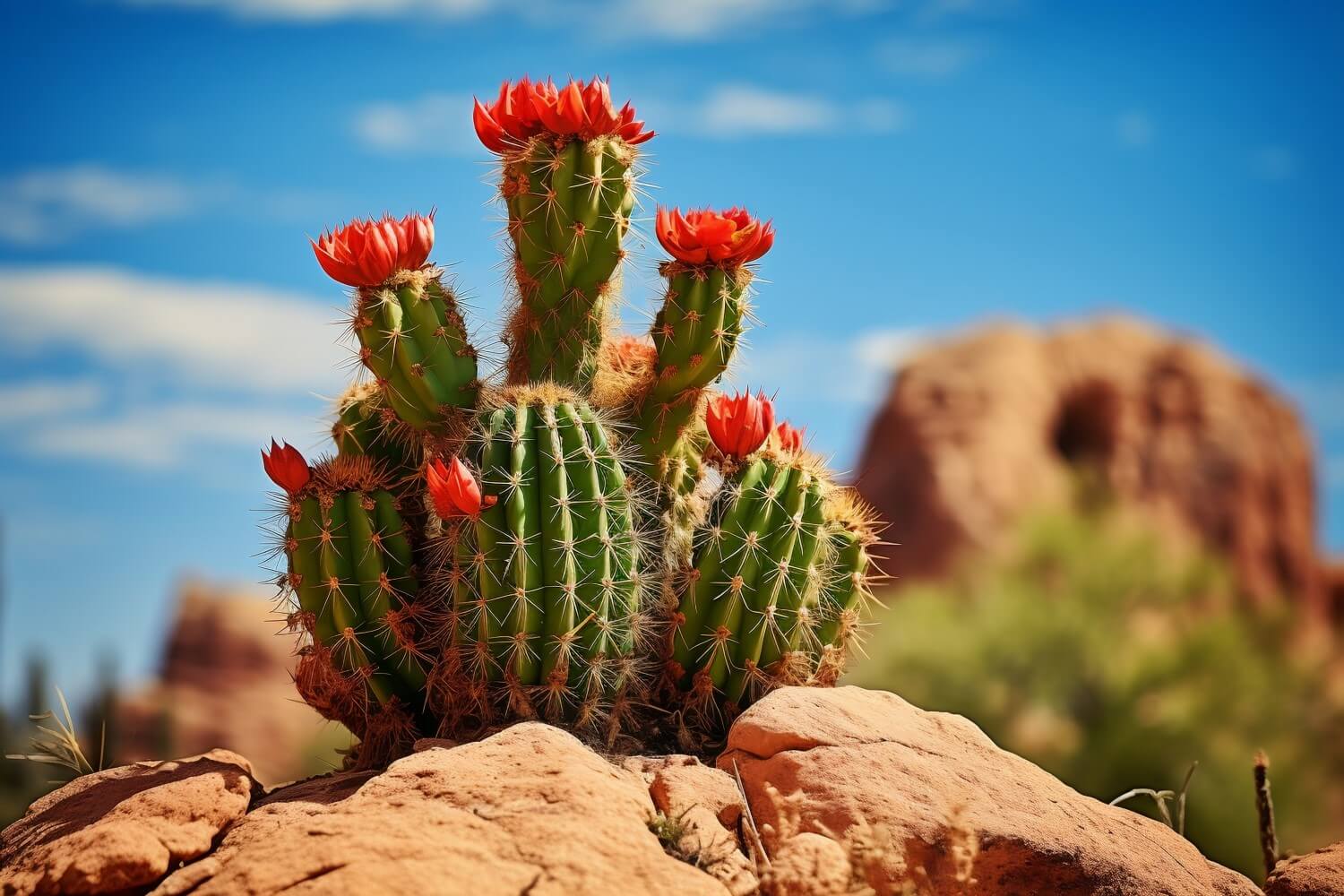
Few sights are as breathtaking as a cactus in full bloom, its vibrant petals unfurling against the stark backdrop of the desert. This moment of ephemeral beauty is a poetic goldmine, a stark reminder that even in the most inhospitable of terrains, life asserts itself with unapologetic splendor. The cactus’s bloom is a fleeting masterpiece, a dance of color and form that lasts but a single night, or perhaps a handful of days. In poetry, this transient radiance becomes a metaphor for the fleeting yet profound moments of joy that punctuate our lives. It challenges the notion that beauty must be permanent to be meaningful, instead celebrating the ephemeral as a testament to the resilience of life itself. The cactus teaches us that brilliance need not be bound by time; it can be as fleeting as a desert dawn, yet as unforgettable as a whispered secret.

Solitude and the Cactus: A Dance with Isolation
There is a profound solitude in the cactus’s existence, a quiet communion with the vastness of the desert that surrounds it. It does not clamor for attention; it does not beg for companionship. Instead, it stands alone, a solitary figure against the horizon, its presence as much a part of the landscape as the sand beneath its roots. Poets have long been drawn to this aspect of the cactus, using it as a metaphor for the human experience of isolation—not as a curse, but as a space for introspection and growth. The cactus’s solitude is not loneliness; it is a sanctuary, a place where the mind can wander unburdened by the noise of the world. In verse, the cactus becomes a guide through the labyrinth of the self, its quietude a mirror reflecting our own inner landscapes. To stand with the cactus is to embrace solitude not as an absence, but as a presence—a companion in the journey toward self-discovery.
The Cactus in Love Poetry: Thorns and Tenderness
Love, in its most raw and unfiltered form, is often a paradox of pain and pleasure, much like the cactus’s relationship with its thorns. Poets have long used the cactus as a metaphor for love that is both tender and treacherous, a force that can both nurture and wound. The cactus’s spines, while protective, are also a reminder that love is not without its risks. To love is to open oneself to the possibility of hurt, to embrace the vulnerability that comes with caring deeply. Yet, the cactus’s blooms offer a counterpoint—a reminder that even in the most prickly of relationships, beauty can flourish. In love poetry, the cactus becomes a symbol of the duality of human connection, where passion and pain intertwine like the roots of the plant itself, deep and inextricable.
Cultural Symbolism: The Cactus in Global Poetry
The cactus’s symbolism transcends borders, weaving its way into the poetic traditions of cultures around the world. In Mexican folklore, the cactus is not merely a plant; it is a symbol of national identity, its resilience mirroring the spirit of a people who have endured colonization, revolution, and the relentless march of time. In Native American poetry, the cactus often represents the interconnectedness of all life, its ability to thrive in adversity a reminder of the cyclical nature of existence. Across the globe, from the arid plains of the American Southwest to the highlands of the Andes, the cactus has been a muse for poets, its imagery a bridge between the earthly and the divine. To explore the cactus in global poetry is to traverse a landscape of shared human experiences, where the plant’s tenacity becomes a universal language.
The Cactus as a Metaphor for Spiritual Growth
In spiritual poetry, the cactus often serves as a guide on the path to enlightenment, its harsh environment a crucible for the soul’s transformation. The plant’s ability to store water in its fleshy body becomes a metaphor for the inner reservoirs of strength we draw upon in times of trial. Its slow growth, a reminder that spiritual evolution is not a race, but a journey of patience and perseverance. The cactus’s blooms, emerging from the most barren of soils, symbolize the awakening of the spirit, a burst of divine light in the darkest of nights. In verse, the cactus becomes a teacher, its lessons etched in thorns and petals alike—a testament to the idea that growth often requires discomfort, and that beauty is born from the most unlikely of places.
Ecological Poetry: The Cactus as a Symbol of Environmental Resilience
In an era of climate crisis, the cactus has emerged as a potent symbol in ecological poetry, a beacon of hope in the face of environmental degradation. Its ability to thrive in conditions that would kill most other plants is a stark reminder of nature’s ingenuity, a call to action for humanity to adapt and endure. Poets have turned to the cactus as a metaphor for the resilience of the natural world, its tenacity a challenge to our own complacency. In verse, the cactus becomes a voice for the voiceless, a reminder that even the most unassuming of plants holds the power to inspire change. Its imagery in poetry is not just a celebration of beauty; it is a rallying cry for a planet in peril, a plea to recognize the interconnectedness of all life.
FAQ
What does the cactus symbolize in poetry?
In poetry, the cactus symbolizes resilience, solitude, and the beauty found in harsh environments.
How is the cactus used as a metaphor for love?
The cactus represents the duality of love, showcasing both tenderness and the potential for pain through its thorns.



Leave a Reply