
Short Answer
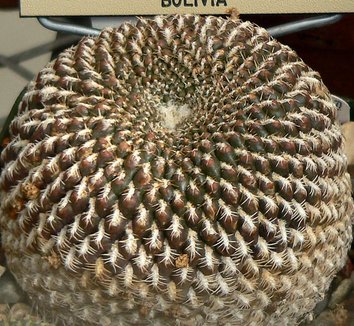
There’s a quiet rebellion brewing in the world of cacti propagation, one that whispers of resilience, regeneration, and the stubborn refusal to be confined by conventional growth. Among the spiny rebels of the desert, Rebutia cacti stand out—not just for their vibrant blooms or their compact, globular forms, but for the way they seem to defy the very notion of fragility. Gardeners often marvel at their ability to multiply, to spread like whispers through a canyon, but one question lingers like a thorn in the side of horticultural lore: Can you propagate Rebutia from cuttings? The answer, as with most things in nature, is layered, nuanced, and far more fascinating than a simple yes or no.
The Myth of the Effortless Cutting
For years, the gardening community has clung to a seductive myth: that cacti, in their stoic wisdom, can be coaxed into new life through the humble act of severing a piece of themselves. This belief isn’t entirely unfounded—many succulents, after all, are propagated with ease from cuttings. But Rebutia, with its delicate, finger-like offsets and its penchant for tight clustering, plays by different rules. The common observation that Rebutia doesn’t propagate well from cuttings isn’t just a quirk of nature; it’s a reflection of the plant’s evolutionary priorities. These cacti have evolved to prioritize offset production over the vulnerability of severed stems. A cutting, after all, is an open wound, a site of potential rot in the arid world they call home. Why risk it when offsets—those tiny, self-sufficient clones—are already waiting in the wings?
The Allure of the Offset: Why Rebutia Prefers Cloning Itself
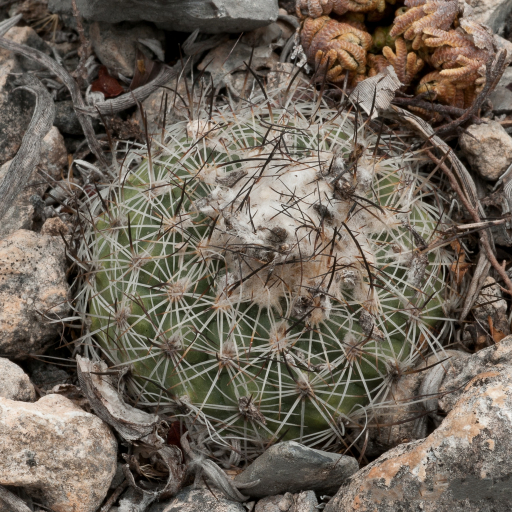
To understand why Rebutia resists the cutting method, we must first appreciate the elegance of its natural propagation strategy. Offsets, or “pups,” are the plant’s way of ensuring survival without the gamble of injury. These miniature replicas grow at the base of the parent plant, equipped with their own root systems, ready to detach and flourish when the time is right. It’s a strategy of abundance, a hedge against the unpredictability of desert life. The fascination with offsets isn’t just practical—it’s almost poetic. Each pup is a testament to the plant’s ability to reproduce without losing its integrity, a silent rebellion against the need for sacrifice. In a world where growth often demands loss, Rebutia offers a different narrative: one of continuity, of legacy passed down without a single drop of blood spilled.

The Perils of the Cutting: Why Severing Doesn’t Always Succeed
Yet the allure of propagation from cuttings persists, perhaps because it promises a kind of control over nature’s whims. The process seems straightforward: snip a healthy stem, let it callus, plant it, and wait. But Rebutia doesn’t play along. The cut surface, once exposed to air, becomes a magnet for pathogens. The plant’s fleshy interior, so lush and vibrant in its natural state, turns into a feast for fungi and bacteria in the absence of its protective epidermis. Even if the cutting survives the initial shock, the lack of a pre-existing root system means it must divert energy from growth to the arduous task of root development—a task for which it wasn’t evolutionarily designed. The result? A slow, often futile struggle that ends in rot more often than not.
The Exceptions: When Cuttings Do Work
Not all Rebutia species are created equal, and neither are all cuttings doomed to failure. Some varieties, particularly those with more elongated stems or those that naturally produce longer offsets, can be coaxed into rooting with the right conditions. The key lies in timing and technique. A cutting taken during the active growing season—spring or early summer—has the best chance, as the plant’s metabolic processes are primed for regeneration. The stem should be allowed to callus for several days, its wounded edge hardening into a protective shield. A well-draining medium, such as a mix of perlite and coarse sand, provides the aeration necessary to prevent suffocation while still retaining enough moisture to encourage root growth. Even then, success isn’t guaranteed, but the occasional triumph makes the effort worthwhile—a reminder that nature, in all its stubbornness, sometimes rewards persistence.
The Deeper Fascination: What Rebutia Teaches Us About Resilience
Beyond the practicalities of propagation, Rebutia offers a profound lesson in resilience. Its preference for offsets over cuttings isn’t just a quirk of biology; it’s a philosophy. In a world that often glorifies sacrifice and struggle, Rebutia reminds us that survival doesn’t always require loss. It’s a plant that thrives by staying whole, by nurturing its young without severing itself from them. This quiet defiance of conventional wisdom is what makes Rebutia so captivating. It challenges our assumptions about growth, about what it means to propagate life. In an era where we’re bombarded with messages about breaking boundaries and pushing limits, Rebutia whispers a different truth: sometimes, the most revolutionary act is to stay intact, to let life unfold in its own time, in its own way.
Practical Tips for the Determined Propagator
For those unwilling to accept the status quo, there are ways to improve the odds of propagating Rebutia from cuttings. Start with a healthy, mature stem, preferably one that’s at least a few inches long. Use a sterilized knife or shears to make a clean cut, minimizing damage to the plant’s tissues. Allow the cutting to dry in a shaded, well-ventilated spot for at least a week, or until the cut surface has formed a dry, callused layer. Plant the cutting in a mix that drains quickly—think gritty, almost inhospitable—and resist the urge to water immediately. Instead, wait a few days before giving it a light mist, then let the soil dry out completely between waterings. Patience is key. If the cutting survives the first month, it may just surprise you. And if it doesn’t? Well, that’s the beauty of offsets. They’re always there, waiting in the wings, ready to take the stage when the time is right.
The Broader Implications: Rethinking Our Relationship with Plants
The story of Rebutia’s propagation isn’t just about cacti. It’s a mirror held up to our own horticultural practices, our assumptions about how life should multiply. We’ve been conditioned to see cuttings as the gold standard of propagation, a quick and efficient way to clone our favorite plants. But Rebutia asks us to reconsider. What if the most sustainable, the most resilient way to grow isn’t through severance, but through nurturing? What if the future of gardening lies not in control, but in collaboration with nature’s own rhythms? These questions linger long after the cutting has either rooted or rotted, a reminder that the plants we grow are more than just decorations. They are teachers, rebels, and sometimes, the quietest revolutionaries of all.
FAQ
Can Rebutia be propagated from cuttings?
While some Rebutia species can root from cuttings under optimal conditions, the plant primarily propagates through offsets, which are more successful.
What conditions improve the chances of success when propagating Rebutia from cuttings?
Using a healthy stem during the active growing season, allowing the cutting to callus, and planting in a well-draining medium can improve success rates.

Leave a Reply