
Short Answer
There’s something almost mystical about the first time you encounter a Uebelmannia cactus in the wild—or even in cultivation. Their globular, ribbed forms, often cloaked in a powdery blue-gray epidermis, seem plucked from another world, as if a fragment of some ancient, forgotten desert had been preserved in miniature. These Brazilian natives, with their slow-growing elegance and penchant for high-altitude solitude, captivate collectors and botanists alike. Yet, despite their allure, they remain shrouded in mystery, their care requirements often misunderstood. What makes these cacti so fascinating isn’t just their rarity, but the way they challenge our assumptions about desert-dwelling succulents. They don’t merely survive in their harsh native habitats; they thrive, adapting in ways that reveal the ingenuity of nature itself.
The Enigma of the Uebelmannia: Why These Cacti Defy Expectations
Most cacti are celebrated for their resilience, their ability to endure scorching days and frigid nights with stoic indifference. But Uebelmannia species—particularly Uebelmannia pectinifera and Uebelmannia buiningii—take this adaptability to another level. Native to the mineral-rich, quartzite-rich soils of Brazil’s Espinhaço Mountains, these cacti have evolved in an environment where water is scarce, yet nutrients are abundant in unexpected ways. Their ribbed, almost crystalline structures aren’t just for show; they’re a clever adaptation to maximize surface area for photosynthesis while minimizing water loss. The powdery coating, or pruinose layer, acts as a natural sunscreen, reflecting harsh sunlight and preventing desiccation. It’s a masterclass in evolutionary frugality, where every feature serves a purpose.
What’s truly fascinating is how these cacti seem to defy the typical “desert plant” archetype. While saguaros and barrel cacti dominate the imagination of arid landscapes, Uebelmannias prefer the company of mosses and lichens, thriving in the crevices of rocky outcrops where moisture lingers in the air. Their slow growth—sometimes taking decades to reach a few inches in diameter—isn’t a flaw but a survival strategy. In the wild, they’re often found in colonies, their clustered forms creating a surreal, almost otherworldly landscape. This communal living isn’t just for aesthetic appeal; it helps them retain humidity and ward off predators. To grow them successfully, you must first understand that their needs are as nuanced as their appearance.
Light: The Delicate Dance Between Sun and Shade
Uebelmannias are not the sun-worshippers of the cactus world. While they crave bright light, direct midday sun can scorch their delicate epidermis, leaving unsightly, sunburned patches. The key is to replicate the dappled sunlight they receive in their natural habitat, where they’re often shaded by taller vegetation or protected by rocky overhangs. A south-facing window with sheer curtains or a lightly shaded greenhouse is ideal. If you’re growing them outdoors, consider a spot where they receive morning sun and afternoon shade, or where they’re sheltered by the dappled canopy of a tree. East-facing exposures can also work, provided the light is intense enough to encourage compact, healthy growth.
But here’s the twist: these cacti need a period of dormancy in winter, where light levels drop but temperatures remain cool. This isn’t just a rest phase—it’s a critical part of their life cycle. Without this respite, they may grow etiolated (stretched out) or fail to flower. The challenge lies in balancing their light needs year-round. Too little light, and they’ll etiolate; too much, and they’ll bleach. It’s a delicate equilibrium, one that rewards patience and observation. Watch for subtle signs: a healthy Uebelmannia will have a deep, rich color, while a stressed one may take on a washed-out or reddish hue. Adjust your light source accordingly, and you’ll be rewarded with a specimen that looks like it was sculpted by the elements themselves.
Soil: The Foundation of a Thriving Uebelmannia
If light is the first act of care, soil is the stage upon which the drama unfolds. Uebelmannias demand a substrate that mimics their native quartzite soils—fast-draining, mineral-rich, and slightly acidic. A standard cactus mix, while a good starting point, often lacks the gritty texture these plants crave. To achieve the perfect blend, combine equal parts of high-quality cactus soil, perlite, and coarse sand or pumice. For an extra boost of authenticity, add a handful of crushed granite or quartz gravel. This not only improves drainage but also provides the silica and minerals these cacti have evolved to absorb.
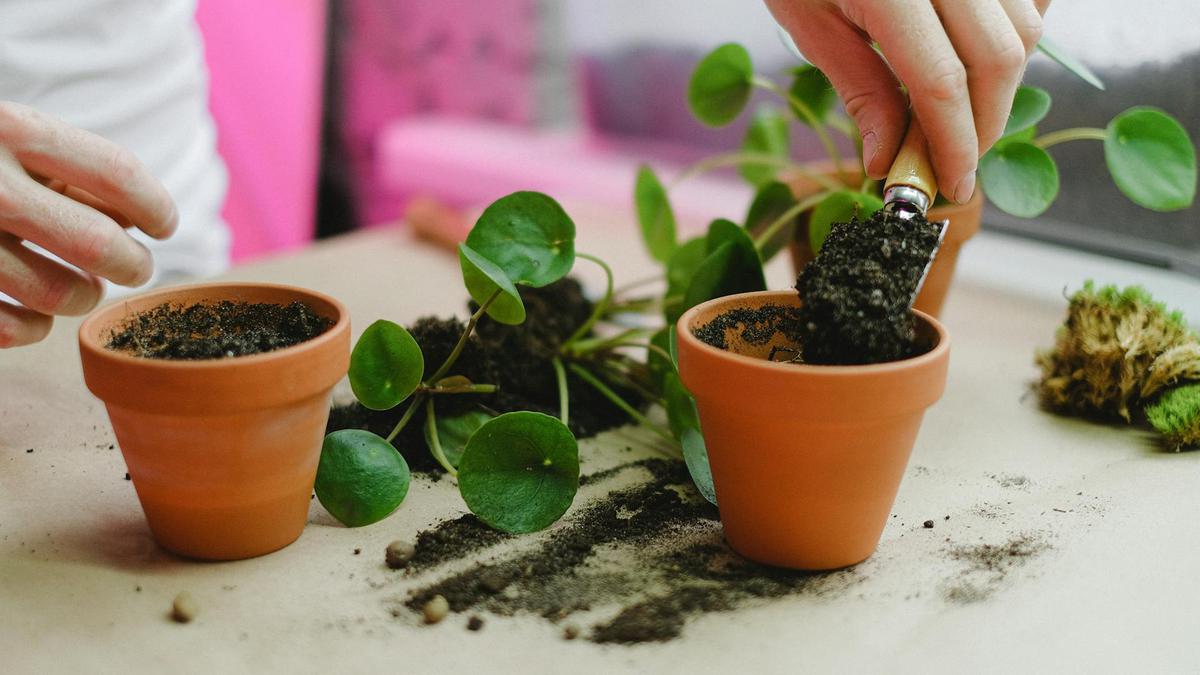
The importance of soil composition can’t be overstated. Uebelmannias are prone to root rot, a silent killer that strikes when excess moisture lingers in the root zone. To prevent this, ensure your pot has ample drainage holes and consider using a shallow, wide container—these cacti prefer to spread their roots horizontally rather than dive deep. Repotting should be done sparingly, as they dislike disturbance. When it’s time, choose a pot only slightly larger than the previous one, and handle the roots with the gentleness of a surgeon. The soil should be dry before repotting, and the plant should be left to settle for a week or two before watering. This gives any minor root damage a chance to callus over, reducing the risk of infection.
Watering: The Art of Restraint
Watering a Uebelmannia is less about following a schedule and more about reading the environment. These cacti are adapted to a climate where rain is infrequent but humidity lingers in the air. In cultivation, this translates to a need for moisture during the growing season (spring through early autumn), but with a caveat: they must never sit in water. The “soak and dry” method works well, where you water thoroughly until it runs from the drainage holes, then allow the soil to dry completely before watering again. The frequency depends on your climate—hot, dry conditions may require weekly watering, while cooler, humid environments might only need a drink every two to three weeks.
Winter is where the real challenge lies. Uebelmannias enter a dormant phase, and their water needs plummet. During this time, water sparingly—just enough to prevent the soil from becoming bone dry. Overwatering in winter is a common mistake, one that can lead to rot and, ultimately, the loss of the plant. The key is to observe the plant’s appearance. A well-hydrated Uebelmannia in dormancy will feel slightly firm to the touch, while an overwatered one may feel mushy or discolored. If in doubt, err on the side of underwatering. These cacti are survivors, after all, and they’d rather endure a dry spell than a waterlogged grave.
Temperature and Humidity: Recreating the Brazilian Highlands
The Espinhaço Mountains, where Uebelmannias call home, experience a unique microclimate. Days are warm, nights are cool, and humidity levels fluctuate dramatically. To replicate this, aim for daytime temperatures between 75°F and 85°F (24°C–29°C) during the growing season, with a drop to 50°F–60°F (10°C–15°C) at night. In winter, keep them cooler still, ideally between 45°F and 55°F (7°C–13°C). This temperature swing is crucial for triggering dormancy and encouraging future flowering.
Humidity is another critical factor. While Uebelmannias can tolerate average household humidity, they thrive in environments with slightly higher moisture levels, particularly during the growing season. A humidity tray or occasional misting can help, but avoid overdoing it—these cacti are not tropical plants, and excess moisture on their epidermis can lead to rot or fungal issues. If you’re growing them in a greenhouse, ensure adequate ventilation to prevent stagnant air, which can encourage pests and diseases. The goal is to strike a balance: enough humidity to mimic their natural habitat, but not so much that it becomes a liability.
Fertilizing: The Subtle Nourishment of a Slow Grower
Uebelmannias are not heavy feeders, but they do benefit from a light application of fertilizer during the growing season. Use a balanced, water-soluble fertilizer diluted to half strength, applied once a month. A fertilizer with a higher phosphorus content (e.g., 5-10-5) can encourage flowering, but avoid high-nitrogen formulas, which can promote excessive, weak growth. Fertilizing should cease entirely in winter, as the plant’s metabolic rate slows to a crawl. Over-fertilizing is a common pitfall, one that can lead to salt buildup in the soil and root burn. If you’re unsure, it’s better to under-fertilize than to overdo it. Remember, these cacti have spent millennia thriving in nutrient-poor soils—they don’t need much to flourish.
Pests and Diseases: The Silent Threats
Even the hardiest Uebelmannia isn’t immune to the occasional pest or disease. Mealybugs and scale insects are the most common culprits, often hitching a ride on new plants or lurking in the crevices of the ribs. These sap-sucking pests can weaken the plant over time, leaving behind a sticky residue known as honeydew, which can attract sooty mold. To combat them, use a cotton swab dipped in rubbing alcohol to dab individual pests, or apply a systemic insecticide if the infestation is severe. Prevention is key: inspect new plants thoroughly before introducing them to your collection, and maintain good air circulation around your cacti to deter pests.
Root rot is the most insidious threat, often going unnoticed until it’s too late. It’s caused by overwatering, poor drainage, or a combination of both. Symptoms include a soft, mushy base, discolored spots, or a foul odor emanating from the soil. If caught early, you may be able to save the plant by removing it from its pot, trimming away any rotten roots, and repotting it in fresh, dry soil. In advanced cases, the plant may be beyond saving. To prevent root rot, always err on the side of underwatering, and ensure your pot and soil mix are up to the task. A proactive approach—checking the roots during repotting, for example—can save you from heartbreak down the line.
Propagation: The Patient Gardener’s Reward
Growing Uebelmannias from seed is a test of patience, but it’s also one of the most rewarding experiences a cactus enthusiast can undertake. These cacti are slow to mature, and it can take years for a seedling to reach a size where it’s recognizable as a Uebelmannia. Start with fresh, high-quality seeds, and sow them in a well-draining mix, barely covering them with soil. Keep the soil lightly moist and maintain warm temperatures (around 70°F/21°C) with bright, indirect light. Germination can take anywhere from a few weeks to several months, so don’t be discouraged if progress seems glacial.
Once the seedlings are large enough to handle, transplant them into individual pots. From there, the real work begins: providing consistent care, watching for pests, and protecting them from environmental stresses. It’s a long-term commitment, but the sight of a thriving Uebelmannia that you’ve nurtured from a tiny seed is unparalleled. For those who lack the patience for seed propagation, offsets (or “pups”) can sometimes be separated from the parent plant, though this is less common with Uebelmannias. Regardless of the method, the key is to provide the same care you would for a mature plant—light, soil, water, and temperature—all in the right balance.
The Reward: A Living Sculpture of the Wild
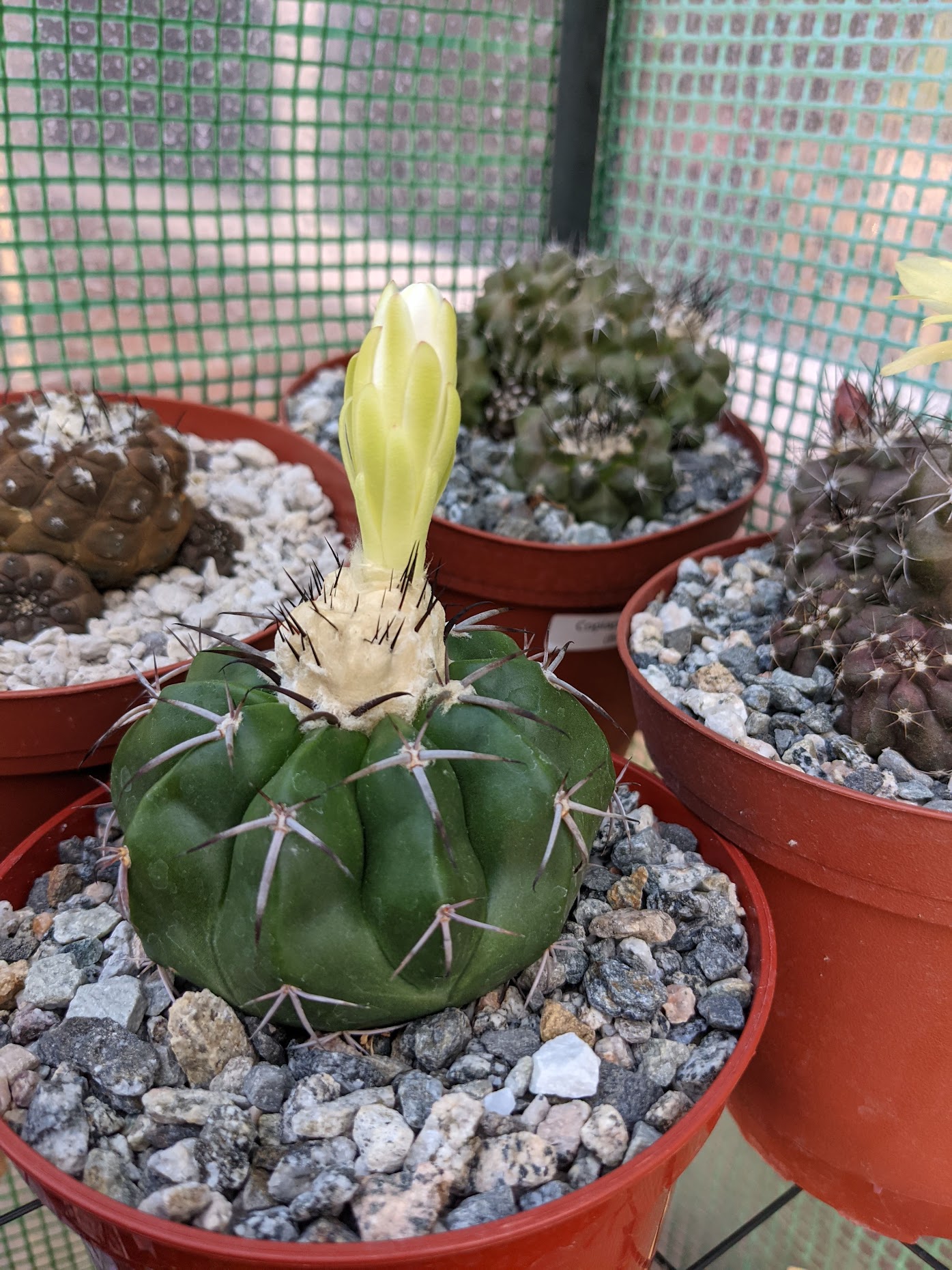
To grow a Uebelmannia is to hold a piece of the wild in your hands. These cacti are more than just plants; they’re living relics, each one a testament to the ingenuity of nature. Their slow growth, their precise care requirements, their ability to thrive in conditions that would kill lesser plants—all of it speaks to a resilience that’s as awe-inspiring as it is humbling. When you finally coax a flower from one of these cacti—a rare, tubular bloom that emerges from the crown like a secret revealed—you’ll understand why they’ve captivated collectors for generations.
But the true magic lies in the process. It’s not just about the end result; it’s about the journey. The careful observation, the adjustments, the moments of doubt and triumph. It’s about learning to see the world through the eyes of a plant that has spent millennia perfecting its survival. And when you succeed, when your Uebelmannia thrives against all odds, you’ll realize that you haven’t just grown a cactus. You’ve cultivated a relationship with one of nature’s most enigmatic masterpieces.
FAQ
What are the best light conditions for Uebelmannia cacti?
Uebelmannia cacti thrive in bright, indirect light, ideally with dappled sunlight, as direct midday sun can scorch their epidermis.
How often should I water Uebelmannia cacti?
Water Uebelmannia cacti during the growing season (spring to early autumn) when the soil has completely dried out, usually every 1-3 weeks, depending on your climate.
What type of soil is best for Uebelmannia cacti?
They require a fast-draining, mineral-rich soil, ideally a mix of cactus soil, perlite, and coarse sand or pumice.
FAQ
What is Uebelmannia?
Uebelmannia is a genus of rare cacti native to Brazil, known for their unique ribbed appearance and adaptations to high-altitude environments.
How often should I water Uebelmannia cacti?
Water Uebelmannia cacti during the growing season, allowing the soil to dry completely between waterings. In winter, water sparingly to prevent rot.
What type of soil is best for Uebelmannia?
Uebelmannia requires a fast-draining, mineral-rich soil mix that mimics their native quartzite habitats.
FAQ
What are Uebelmannia cacti?
Uebelmannia cacti are rare Brazilian cacti known for their unique ribbed forms and adaptations to high-altitude environments.
How do I care for Uebelmannia cacti?
They require bright, indirect light, fast-draining soil, and careful watering to prevent root rot, mimicking their natural habitat conditions.
What is the ideal temperature for Uebelmannia cacti?
They thrive in daytime temperatures between 75°F and 85°F (24°C–29°C) during the growing season and prefer cooler nights.
Leave a Reply