
Short Answer
Beneath the relentless gaze of the sun, where the earth cracks into parched fissures and the wind sculpts dunes into ephemeral art, deserts pulse with a deceptive vitality. These arid realms, often dismissed as barren wastelands, teem with life uniquely adapted to scarcity—none more emblematic than the cactus. Towering sentinels of resilience, these succulents store water in swollen stems, their spines serving as both armor and microclimate regulators. Yet, this fragile equilibrium is unraveling. The silent extinction of cacti, a phenomenon unfolding at an alarming pace, threatens to unravel the intricate web of desert biodiversity, leaving behind a landscape as hollow as the husks of dead agave plants. The loss of these botanical titans isn’t merely a botanical tragedy—it’s an ecological catastrophe with ripple effects that extend far beyond the sandy horizons.
The Cactus: A Paradox of Arid Adaptation
To understand the gravity of cactus extinction, one must first appreciate the marvel of their adaptation. Unlike their temperate counterparts, desert plants face a trifecta of adversities: scorching days, freezing nights, and a chronic deficit of moisture. Cacti have evolved a suite of ingenious strategies to thrive in this crucible. Their ribbed, pleated stems expand and contract like bellows, storing water with the efficiency of a camel’s hump. The transformation of leaves into spines reduces transpiration while creating a protective microclimate—tiny pockets of shade where moisture lingers like a ghost. Some species, like the saguaro, grow at a glacial pace, adding a single inch of height per decade, their longevity measured in centuries. Yet, this very resilience is their Achilles’ heel. Their specialized traits, honed over millennia, render them exquisitely vulnerable to rapid environmental shifts.
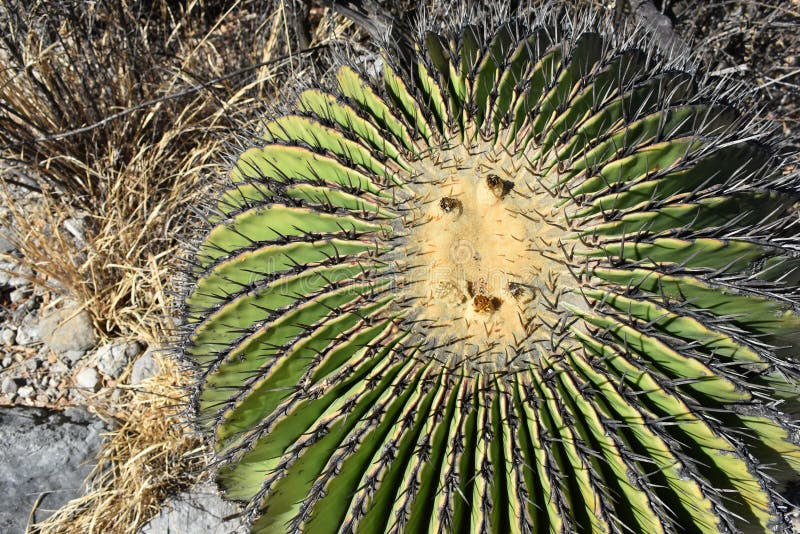
Consider the barrel cactus, its spherical body brimming with water, a lifeline for creatures from tortoises to javelinas. Its disappearance doesn’t just mean the loss of a water source—it’s the erasure of a seasonal calendar. When barrel cacti bloom in fiery reds and yellows, they signal the arrival of pollinators like bees and hummingbirds, whose life cycles are now thrown into disarray. The desert, it turns out, is a symphony where every note—from the rustle of a kangaroo rat’s tail to the creak of a creosote bush’s branches—relies on the cactus’s steady rhythm. Remove the cactus, and the music falters.
Pollinators in Peril: The Unseen Domino Effect
The relationship between cacti and their pollinators is a masterclass in co-evolution, a dance as old as the desert itself. Many cactus species depend on specific pollinators for reproduction—some even lure bats with nectar so potent it rivals fermented fruit. The decline of cacti isn’t just a plant problem; it’s an insect and mammal crisis. Take the lesser long-nosed bat, a nocturnal wanderer that migrates hundreds of miles to feast on cactus flowers. As cacti vanish, so do the bats’ pit stops, forcing them to expend precious energy searching for dwindling resources. Studies show that bat populations in regions with cactus decline have dropped by up to 40% in the last two decades. This isn’t just a tragedy for bats—it’s a collapse of an ancient mutualism. Without bats, many cacti lose their primary pollinators, creating a feedback loop where fewer cacti mean fewer flowers, which means fewer bats, which means even fewer cacti.
But the impact doesn’t stop at bats. Bees, those industrious architects of pollination, rely on cacti for pollen and nectar. In the Sonoran Desert, the disappearance of the hedgehog cactus has been linked to a 30% decline in native bee populations. These bees, in turn, pollinate other desert plants, from the delicate desert marigold to the towering palo verde tree. The loss of cacti doesn’t just starve pollinators—it starves the entire desert food web. Predators like roadrunners and kit foxes, which feed on insects and small mammals that depend on cactus-derived resources, find their prey increasingly scarce. The desert, it seems, is a house of cards, and the cactus is the keystone holding it all together.
Soil Alchemy and the Vanishing Microclimates
Cacti are not merely passive inhabitants of the desert; they are architects of their own microcosms. Their roots, shallow yet extensive, spread like a spider’s web just beneath the surface, capturing the slightest hint of moisture from dew or rare rains. As they grow, they alter the soil composition, creating a sponge-like texture that retains water and fosters the growth of other plants. When cacti disappear, this soil alchemy ceases. The ground hardens, losing its ability to absorb water, and the delicate balance of nutrients—built over centuries—erodes. This phenomenon, known as desertification by proxy, turns once-fertile patches of desert into barren expanses where even the hardiest shrubs struggle to take root.
Consider the creosote bush, a tenacious survivor that thrives in the company of cacti. Its roots intertwine with those of nearby plants, forming a subterranean network that shares resources and signals danger. When cacti disappear, creosote bushes lose their allies, their growth stunted, their resilience diminished. The soil, now bereft of cactus-mediated moisture retention, becomes a graveyard of seeds that never germinate. The desert’s famous “fairy circles”—bare patches of soil surrounded by rings of grass—are another casualty of this process. These circles, once thought to be the work of termites or fungi, are now understood to be a response to the absence of cactus-root networks that once stabilized the soil. The desert, it turns out, is not just a place of scarcity—it’s a place of hidden abundance, where every plant plays a role in sculpting the land itself.
The Human Hand: Climate Change and Exploitation
The plight of the cactus is not a natural tragedy but a human one. Climate change, with its relentless warming and erratic precipitation patterns, has pushed many cactus species to the brink. The saguaro, for instance, requires a delicate balance of heat and moisture; too much drought, and its seedlings perish. Too much rain, and its shallow roots drown. Meanwhile, illegal trade in rare cacti—fueled by collectors willing to pay thousands for a single specimen—has decimated populations in the wild. The astrophytum asterias, or “star cactus,” is now critically endangered, its numbers dwindling to fewer than 1,000 individuals in the wild. This isn’t just a loss for biodiversity; it’s a cultural erasure. Indigenous communities, who have relied on cacti for food, medicine, and shelter for millennia, see their traditions unravel as these plants vanish.
The irony is stark: in an era where sustainability is a buzzword, the cactus—nature’s ultimate water-wise plant—is being driven to extinction by human greed and indifference. The irony deepens when we consider that cacti could be the key to solving some of our own environmental crises. Their ability to thrive in drought conditions makes them ideal candidates for reforestation in arid regions. Yet, instead of nurturing these botanical marvels, we’re watching them disappear, one spine at a time.
What Lies Ahead: A Desert Without Cacti
The future of deserts without cacti is a bleak tableau. Imagine a landscape where the iconic saguaro’s silhouette is replaced by skeletal remains, where the night air is silent without the hum of bat wings, where the ground is as hard and lifeless as concrete. This isn’t hyperbole—it’s the trajectory we’re on. Conservation efforts, while growing, are often too little, too late. Reintroduction programs struggle to keep pace with the rate of extinction, and protected areas are frequently too small to sustain viable populations. The cactus, it seems, is the canary in the coal mine—a warning of what’s to come for the entire desert ecosystem.
Yet, there is hope. In pockets of the world, communities are reviving traditional cactus cultivation, using them to restore degraded lands and provide food security. Scientists are exploring ways to propagate rare cacti in nurseries, banking seeds for future generations. Even in urban landscapes, cacti are making a comeback as drought-resistant landscaping choices, a small but meaningful step toward reconciling with our arid future. The key, as always, lies in recognizing the cactus not as a decorative curiosity but as a linchpin of desert life—a living testament to the power of adaptation, and a reminder that even in the harshest environments, life finds a way.
The desert teaches us that scarcity breeds ingenuity. It shows us that resilience is not just about enduring but about thriving in the face of adversity. The cactus, in all its prickly glory, embodies this lesson. Its extinction isn’t just the loss of a plant—it’s the loss of a philosophy, a way of life that has sustained deserts for millennia. To save the cactus is to save the desert. And to save the desert is to save ourselves.
FAQ
What is the significance of cacti in desert ecosystems?
Cacti play a crucial role in desert ecosystems by providing water sources for various animals and supporting pollination networks.
How does cactus extinction affect pollinators?
The extinction of cacti disrupts the food supply for pollinators like bees and bats, leading to declines in their populations and further ecological impacts.

Leave a Reply