
Short Answer
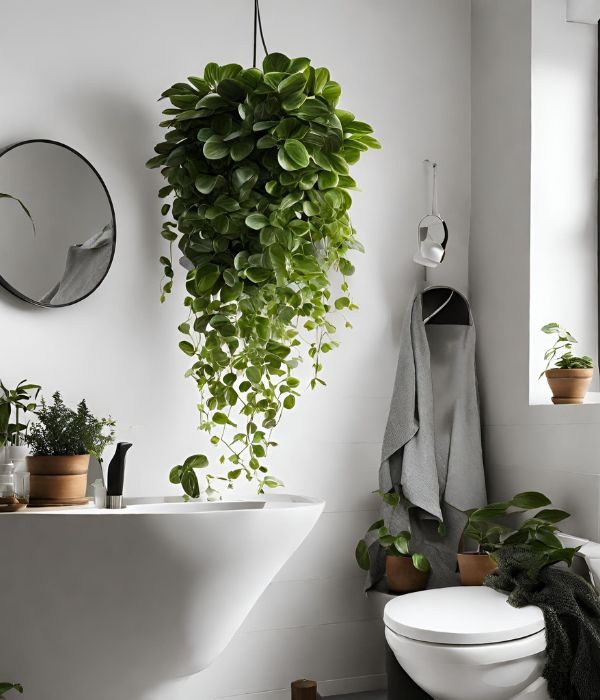
There’s something almost poetic about the juxtaposition of a prickly cactus thriving in the steamy embrace of a bathroom. While most houseplants wilt under the relentless humidity of a shower or the damp chill of a bathroom window, the cactus stands defiant—its spiny silhouette a testament to nature’s resilience. But can these desert denizens truly flourish in such an unlikely habitat? The answer is a resounding yes, with a few caveats and a dash of strategic finesse. Welcome to the unexpected world where arid resilience meets aquatic excess, and where a cactus in the bathroom isn’t just a quirky decor choice—it’s a bold statement of adaptability.
The Allure of the Unlikely Pairing: Why Cacti in Bathrooms Captivate Us
Humans are drawn to contradictions. We marvel at fireflies in the dead of winter, cherish the sight of cherry blossoms in concrete jungles, and now, we’re enchanted by the idea of a cactus basking in the steam of a morning shower. This fascination isn’t merely aesthetic; it’s a psychological dance between the familiar and the foreign. Cacti, with their rugged exteriors and delicate blooms, symbolize endurance and quiet strength. Placing one in a bathroom—a space often associated with relaxation and renewal—creates a visual paradox that sparks curiosity. It’s as if the cactus whispers, “I thrive where others falter,” challenging our preconceived notions of where life can flourish. This subversion of expectations is what makes the pairing so compelling, turning a simple plant into a conversation starter and a symbol of resilience in the face of adversity.
Choosing the Right Cactus: Species That Thrive in Humidity’s Shadow
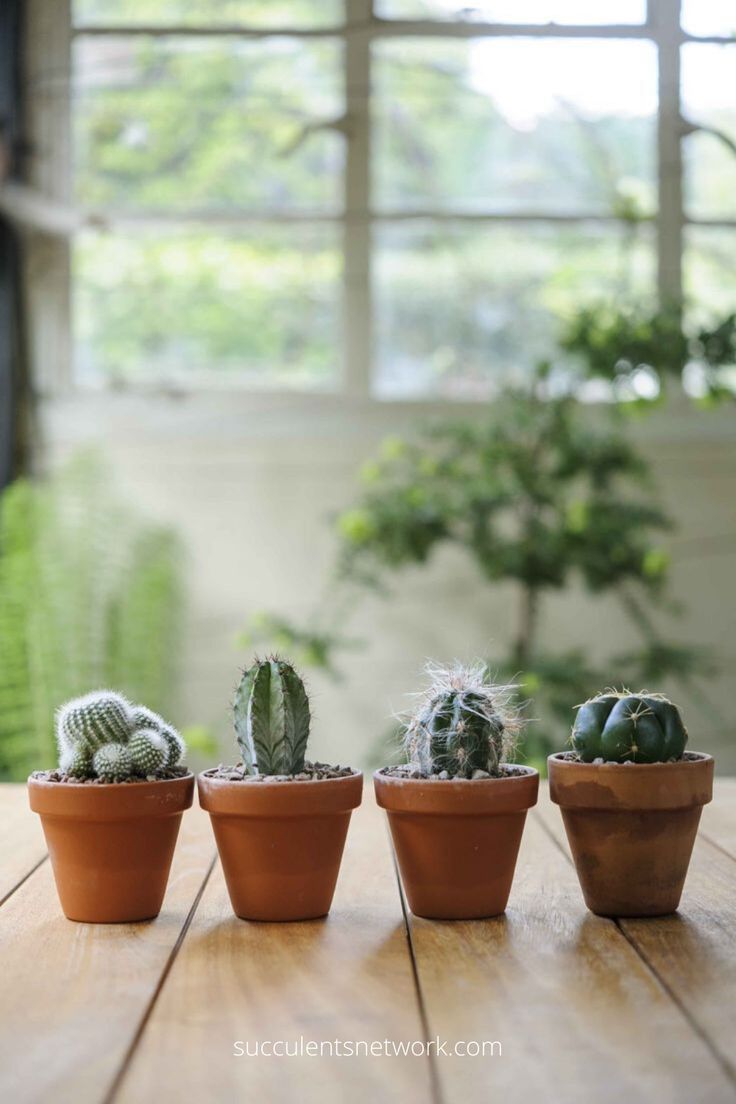
Not all cacti are created equal, especially when it comes to humidity tolerance. While the classic saguaro or barrel cactus might crumble under the weight of moisture, certain species have evolved to handle the occasional splash or mist. The Epiphyllum (also known as the orchid cactus) is a prime candidate, with its flat, leaf-like stems that can absorb humidity without rotting. Similarly, the Schlumbergera (Christmas cactus) thrives in indirect light and moderate humidity, making it a popular choice for bathroom windowsills. For those seeking a more traditional cactus look, the Mammillaria genus offers compact, globular varieties that can tolerate brief periods of dampness if given proper drainage. The key is to select species that hail from regions with seasonal humidity spikes, such as cloud forests or coastal deserts, where they’ve adapted to brief encounters with moisture.

Mastering the Microclimate: Creating the Ideal Bathroom Oasis for Cacti
Bathrooms are, by nature, volatile environments. One minute, they’re a steamy sauna; the next, they’re a chilly, drafty void. To turn this chaos into a cactus-friendly haven, you’ll need to engineer a microclimate that balances humidity and airflow. Start by selecting the right location—near a window is ideal, but avoid direct contact with shower spray. A bathroom with a window that opens occasionally will help prevent stagnant air, which is the enemy of most cacti. If your bathroom lacks ventilation, consider a small fan on a timer to circulate air without creating a wind tunnel. Grouping your cactus with other humidity-tolerant plants can also create a microclimate where the air remains slightly more stable. Just be sure to leave enough space between plants to prevent fungal issues. And remember: the goal isn’t to eliminate humidity entirely but to manage it, allowing your cactus to experience the occasional mist without drowning in it.
The Art of Subtle Irrigation: Watering Strategies for Humid Havens
Watering a cactus in a humid bathroom is less about frequency and more about precision. The golden rule? Less is more. Overwatering is the fastest way to turn your spiky friend into a mushy mess. Instead of adhering to a rigid schedule, let the soil be your guide. Wait until the top inch of soil is completely dry before reaching for the watering can. In high-humidity environments, this could mean watering as infrequently as once every three to four weeks. When you do water, do it thoroughly but sparingly—just enough to moisten the roots without saturating the soil. A moisture meter can be a lifesaver here, taking the guesswork out of the equation. And always, always ensure your pot has drainage holes. If your cactus is in a decorative container without holes, use a plastic nursery pot inside it and remove it for watering. This way, excess water can escape, and your cactus won’t sit in a puddle of its own demise.
Lighting the Way: Illuminating Your Cactus’s Desert Dreams
Bathrooms are notorious for their lighting challenges—too dim in some corners, too harsh in others. For a cactus, light is life, but not all light is created equal. South- or east-facing windows are the gold standard, offering bright, indirect light that mimics the dappled shade of a desert canopy. If your bathroom lacks natural light, supplement with a grow light, but opt for a full-spectrum LED to mimic sunlight’s natural balance. Avoid placing your cactus in a spot where it’ll be blasted by direct afternoon sun through a window, as this can scorch its skin. Instead, aim for gentle, consistent illumination. Rotate your cactus every few weeks to ensure even growth, as it will naturally lean toward the light source. And if your bathroom is perpetually dim, consider a species like the Haworthia, a small, slow-growing succulent that thrives in lower light conditions while still offering that coveted desert aesthetic.

Soil Secrets: The Foundation of a Thriving Cactus in Humidity
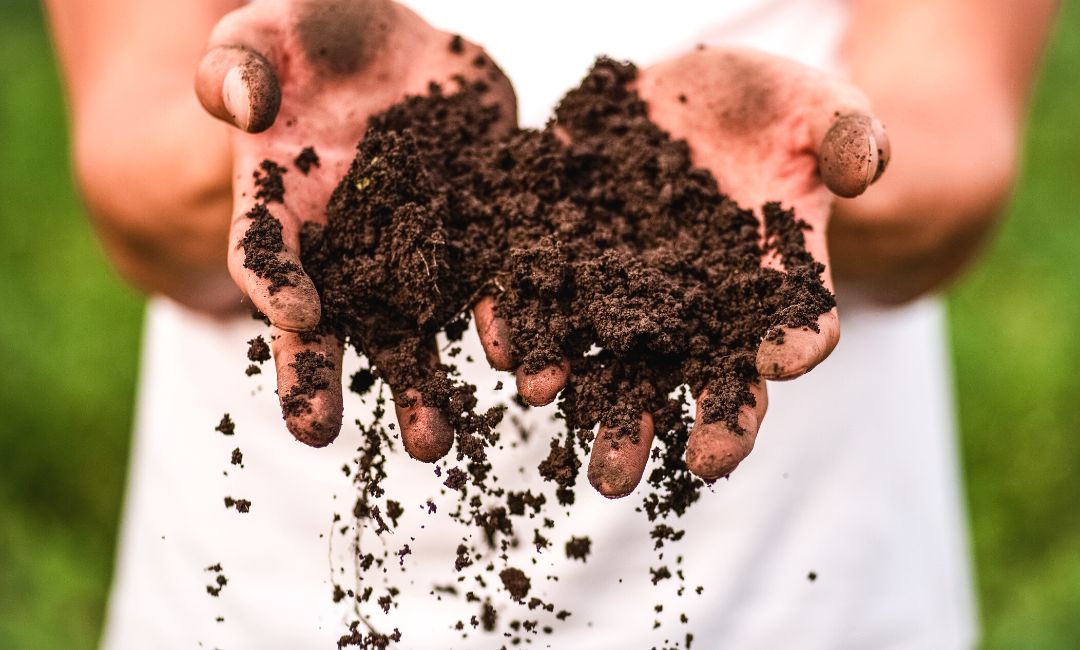
Soil is the unsung hero of any plant’s success, and for a cactus in a humid bathroom, it’s your first line of defense against rot. Standard potting soil is a death sentence—it retains too much moisture and suffocates roots. Instead, opt for a fast-draining mix designed for cacti and succulents. You can buy pre-made blends, or create your own by combining equal parts potting soil, perlite, and coarse sand. For an extra boost of aeration, add a handful of pumice or lava rock. The goal is to mimic the gritty, mineral-rich soils of the desert, where water drains away quickly and roots have room to breathe. If you’re repotting, choose a shallow, wide pot over a deep one—this encourages the roots to spread horizontally, which is more natural for many cactus species and helps prevent waterlogging. And don’t forget to refresh the soil every couple of years, as it compacts over time and loses its drainage prowess.
Pests and Pitfalls: Keeping Your Bathroom Cactus Healthy and Happy
Even the hardiest cactus can fall victim to pests or cultural missteps, especially in a bathroom where conditions fluctuate. Mealybugs and spider mites are the usual suspects, thriving in the warm, humid air. Inspect your cactus regularly, paying close attention to the crevices between stems and the undersides of leaves. If you spot webbing or tiny white specks, it’s time to act. Isolate the affected plant and treat it with a mixture of neem oil and water, spraying thoroughly every few days until the pests are gone. Avoid chemical pesticides, which can linger in the humid air and harm both your plant and your health. Another common issue is etiolation—when a cactus stretches unnaturally toward the light, becoming leggy and weak. This is a sign it’s not getting enough light, so adjust its position or supplement with a grow light. And finally, watch for signs of rot, such as soft, discolored spots or a foul odor. If caught early, you can often save the plant by trimming away the affected tissue and repotting it in fresh, dry soil.
The Psychological Appeal: What Our Cactus Obsession Really Means
Beyond the practicalities of care and cultivation, there’s a deeper layer to our love affair with bathroom cacti. In a world where climate change and urbanization are reshaping ecosystems, the cactus becomes a symbol of hope—a reminder that life can adapt, even in the most unlikely of places. It’s a quiet rebellion against the idea that nature must conform to our expectations. There’s also something deeply comforting about nurturing a plant that asks for so little while giving so much in return. In a space dedicated to cleansing and renewal, the cactus offers a counterpoint: a plant that thrives on neglect, that asks for patience, and that rewards care with unexpected beauty. It’s a metaphor for resilience, for finding strength in adversity, and for the quiet joy of defying convention. So the next time you see a cactus in a bathroom, don’t just see a plant—see a story of adaptation, a testament to nature’s ingenuity, and a little green rebel thriving against the odds.
FAQ
Can cacti thrive in humid bathrooms?
Yes, certain cacti species can thrive in bathrooms with humidity, especially those adapted to environments with seasonal humidity spikes.
What species of cactus are suitable for bathrooms?
Species such as Epiphyllum (orchid cactus) and Schlumbergera (Christmas cactus) are well-suited for humid environments.
How often should I water a cactus in a humid bathroom?
Watering should be done less frequently; usually every three to four weeks, depending on the soil moisture.
What type of soil is best for cacti in humid environments?
A fast-draining soil mix specifically designed for cacti and succulents is ideal to prevent root rot.

Leave a Reply