
Short Answer
Picture this: a desert dawn, the golden sun kissing the spines of towering saguaros as they stretch toward the heavens. Their roots, hidden beneath the parched earth, perform a quiet magic—sipping moisture from the depths where evaporation cannot reach. This, dear plant enthusiast, is the essence of bottom watering, a technique as ancient as the cacti themselves. But does this subterranean hydration strategy work for every genus of these resilient desert dwellers? The answer may just redefine how you nurture your prickly companions.
The Alchemy of Bottom Watering: How It Transforms Cacti Care
Bottom watering isn’t merely a method; it’s a paradigm shift in how we perceive hydration. Unlike the traditional top-down approach, where water cascades over the soil’s surface, this technique involves placing the pot in a shallow tray of water, allowing the roots to draw up moisture through capillary action. The benefits are manifold: reduced risk of fungal diseases, even distribution of water, and a soil structure that mimics the arid environments cacti call home. But here’s the twist—while this method is a boon for many, it’s not a universal elixir. The key lies in understanding the unique hydration needs of each genus.
Consider the Mammillaria, a genus known for its compact, globular forms. These cacti thrive in environments where water is scarce but available in deep, intermittent bursts. Bottom watering aligns perfectly with their natural rhythm, encouraging deep root growth and preventing the dreaded root rot that plagues overwatered specimens. Yet, for the Echeveria, a genus of rosette-forming succulents often mistaken for cacti, this method can be a double-edged sword. Their delicate roots are prone to rot if left in standing water for too long, making a modified approach—such as a quick soak followed by thorough drying—more prudent.


Genera That Embrace Bottom Watering: The Desert’s Favorites
Not all cacti are created equal, and neither are their hydration preferences. Some genera have evolved to flourish under the gentle embrace of bottom watering, their roots stretching deep into the soil in search of moisture. The Ferocactus, with its ribbed, barrel-like form, is a prime example. Native to the harsh landscapes of the southwestern United States and Mexico, these cacti have adapted to periods of drought followed by sudden, torrential rains. Bottom watering replicates this cycle, allowing the roots to absorb just enough moisture to sustain them without drowning in excess.
The Gymnocalycium genus, often referred to as the “chin cactus,” is another enthusiast of this method. These globular beauties, with their ribbed and often ribbed bodies, hail from the high-altitude regions of South America, where water is a precious commodity. Bottom watering encourages their roots to grow downward, anchoring them securely in their pots while preventing the soil from becoming waterlogged. For these cacti, the technique isn’t just a preference—it’s a necessity for mimicking their natural habitat.
Then there’s the Notocactus, a genus that thrives in the arid grasslands of South America. These cacti, with their spherical or columnar forms, are particularly responsive to bottom watering. The method ensures that the soil remains uniformly moist, a critical factor for their growth. However, even within this genus, individual species may exhibit varying degrees of tolerance. The Notocactus ottonis, for instance, prefers a drier soil profile compared to its cousins, requiring a more measured approach to bottom watering.

The Skeptics: Genera That Resist Bottom Watering’s Charms
While bottom watering is a godsend for many cacti, it’s not without its detractors. Certain genera have evolved in environments where water is either scarce or arrives in unpredictable patterns, making them ill-suited for this method. The Lophophora, commonly known as the peyote cactus, is a case in point. Native to the Chihuahuan Desert, this slow-growing cactus thrives in well-draining soil that dries out quickly. Bottom watering can lead to prolonged moisture retention, increasing the risk of rot and fungal infections. For these cacti, a top-down watering approach with ample drying time is far more effective.
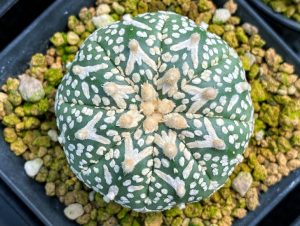
The Astrophytum genus, including the iconic Astrophytum asterias, is another group that prefers to keep its roots on the drier side. These cacti, with their star-shaped bodies and woolly areoles, are native to the rocky, sunbaked soils of northern Mexico. They’ve adapted to survive on minimal moisture, and bottom watering can overwhelm their delicate root systems. Instead, these cacti flourish when watered sparingly from the top, allowing the soil to dry out completely between sessions.
Even within the Opuntia genus, commonly known as prickly pear cacti, there are species that resist bottom watering’s allure. The Opuntia microdasys, with its pad-like stems and dense glochids, prefers a soil mix that drains rapidly. Bottom watering can cause the lower pads to sit in water for extended periods, leading to rot. For these cacti, a quick, thorough top watering followed by immediate drainage is the way to go.
The Science Behind the Method: Why Bottom Watering Works (or Doesn’t)
The efficacy of bottom watering hinges on the interplay between soil structure, root morphology, and the cactus’s natural habitat. When water is introduced from the bottom, it wicks upward through the soil, creating a gradient of moisture that encourages roots to grow downward in search of hydration. This mimics the natural process in desert environments, where water infiltrates deep into the soil after rare rainfall events. However, this method’s success depends on the soil’s ability to retain just the right amount of moisture without becoming waterlogged.
For cacti with fibrous root systems, such as those in the Echinocactus genus, bottom watering can be a boon. These roots spread out horizontally, seeking moisture in the upper layers of soil. By watering from the bottom, you encourage these roots to grow deeper, enhancing the plant’s stability and drought tolerance. Conversely, cacti with taproots, like the Carnegiea gigantea (saguaro), may not benefit as much from bottom watering. Their deep, central roots are adapted to access water from deep underground, making top watering a more effective strategy.
The type of soil mix also plays a pivotal role. A well-draining mix, typically composed of coarse sand, perlite, and a small amount of organic matter, is essential for bottom watering to work its magic. Without proper drainage, the soil can become compacted, trapping moisture and suffocating the roots. For genera that are prone to rot, such as Lophophora or Astrophytum, a gritty, mineral-heavy mix is non-negotiable. This ensures that even if water is introduced from the bottom, it drains away quickly, leaving the roots high and dry.

Practical Tips: Mastering Bottom Watering for Your Cacti Collection
Ready to revolutionize your cacti care routine? Start by identifying the genera in your collection and their specific hydration needs. For those that thrive on bottom watering, such as Ferocactus or Gymnocalycium, invest in shallow trays or saucers that allow the pot to sit just above the waterline. This prevents the soil from becoming waterlogged while still encouraging capillary action. Aim to water every 2-3 weeks during the growing season, adjusting the frequency based on your climate and indoor conditions.
For genera that resist bottom watering, such as Lophophora or Astrophytum, opt for a top-down approach. Use a watering can with a narrow spout to deliver water directly to the soil, avoiding the plant’s body and areoles. Allow the soil to dry out completely between waterings, and always err on the side of underwatering. Remember, these cacti are survivors—they’ve adapted to thrive in conditions that would spell doom for less resilient plants.
Regardless of the method, always use a well-draining soil mix tailored to your cacti’s needs. A blend of 60% inorganic material (such as pumice or perlite) and 40% organic matter (like coconut coir or compost) strikes a balance between moisture retention and drainage. Additionally, ensure your pots have adequate drainage holes to prevent water from pooling at the bottom. If you’re using decorative containers without holes, opt for a cache pot system where the inner pot can be removed for watering.
The Bottom Line: A Tailored Approach to Cacti Care
Bottom watering is a powerful tool in the cacti enthusiast’s arsenal, but it’s not a one-size-fits-all solution. By understanding the unique needs of each genus, you can tailor your watering strategy to unlock their full potential. Whether you’re nurturing the deep-rooted Ferocactus or the moisture-sensitive Lophophora, the key lies in observation and adaptation. Watch your cacti for signs of stress—yellowing, softening, or discoloration—and adjust your approach accordingly.
In the end, the art of cacti care is a dance between science and intuition. Bottom watering offers a glimpse into the hidden world of roots, where moisture is drawn upward like a desert mirage. But it’s up to you, the caretaker, to discern which genera will thrive under this method and which will rebel against it. With patience and precision, you’ll cultivate a collection that’s not just alive, but truly flourishing.
FAQ
What is bottom watering and how does it benefit cacti?
Bottom watering is a method where pots are placed in water, allowing roots to draw moisture through capillary action. It benefits cacti by reducing the risk of fungal diseases and promoting deep root growth.
Which cactus genera thrive with bottom watering?
Genera such as Ferocactus and Gymnocalycium thrive with bottom watering as it mimics their natural hydration patterns.
Are there cacti that should not be bottom watered?
Yes, genera like Lophophora and Astrophytum prefer top-down watering due to their susceptibility to root rot when exposed to prolonged moisture.

Leave a Reply