
Short Answer
Ever looked at a steep, sun-baked hillside and wondered, “Could something as tough and tenacious as a cactus actually thrive there?” It’s a playful challenge that landscape enthusiasts and gardeners alike often face. Slopes and hillsides, with their unique drainage quirks and exposure levels, seem like a daunting canvas for planting. Yet, there exists an array of resilient cacti perfectly suited to conquer these terrains, transforming challenging landscapes into thriving verdant showcases. Let’s embark on a journey to discover the best cacti that turn slopes and hillsides into living sculptures bursting with character and endurance.
Understanding the Terrain Challenge: Why Slopes Demand Special Plants
Slopes and hillsides present a cocktail of challenges: rapid water run-off, soil erosion, and often shallow, rocky ground. Plants that flourish here must be as audacious as they are resilient. They need to grip the soil firmly, withstand dry spells, and bask in unfiltered sunlight. These conditions disqualify many typical garden plants, but cacti – masters of arid environments – excel. Their succulent tissues store precious water, and their root systems spread wide and deep to anchor in precarious soils. Choosing the best cactus involves assessing not only drought tolerance but also adaptability to steep, sometimes unstable soils.


The Golden Rules for Selecting Cacti for Hillside Gardens
Before diving into specific species, understanding the cardinal principles for planting cacti on slopes will elevate the success of your endeavor:
- Root Strength and Spread: A sturdy root system minimizes erosion and anchors the plant securely.
- Water Management: Choose species that excel in drainage-heavy environments to prevent root rot.
- Growth Habit: Low-growing, sprawling varieties help stabilize soil, while columnar types add vertical interest.
- Sun Exposure Compatibility: Most cacti love full sun, but some thrive well even with partial shade on steep hillsides.
- Maintenance Ease: Opt for species that require minimal intervention – perfect for hard-to-reach slopes.
With these guidelines, let’s delve into the botanical stars that shine brightest on slopes and hillsides.
Barrel Cacti: The Sculptural Giants of Slopes
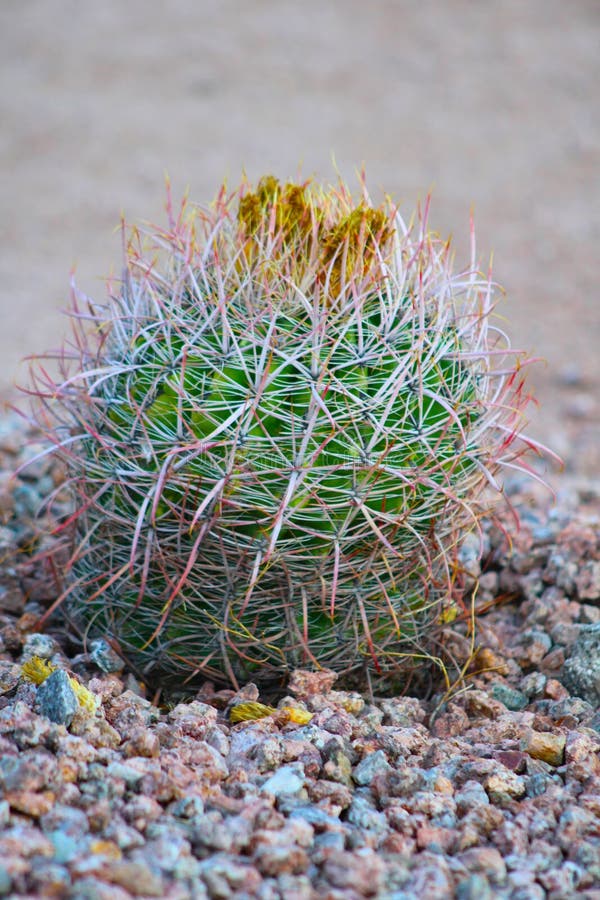
The barrel cactus, with its robust, ribbed form, emerges as a quintessential candidate for sloped locales. Their round, stout bodies not only add architectural intrigue but their extensive root networks guard against soil displacement. Species such as Echinocactus grusonii, commonly known as the Golden Barrel, showcase stunning golden spines that glisten under the sun, creating a striking landscape presence.
What makes barrel cacti so perfect is their intrinsic water-storage capacity, enabling survival through prolonged drought and intense sun exposure. They are remarkably low-maintenance, requiring only well-drained soil and minimal attention, ideal for the often remote and challenging hillside environment.

Prickly Pears: Versatility Meets Visual Drama
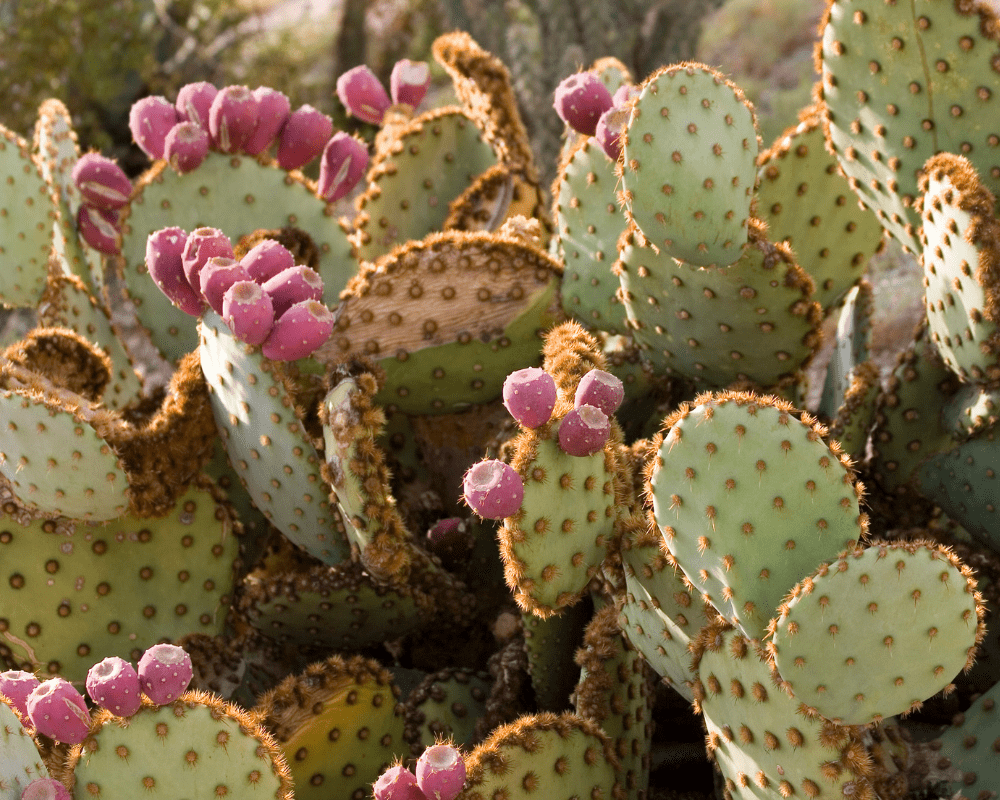
Prickly pears (Opuntia spp.) bring a flamboyant flair to slopes with their flat, paddle-like pads and vibrant seasonal blooms. Their sprawling habit makes them excellent at anchoring soil, while their tolerance for varied climates lends them a local adaptability that few cacti can match. Beyond aesthetics, their fruits are edible, adding an unexpected bonus for gardeners looking to blend utility with beauty.
Their ability to colonize large areas quickly without becoming invasive makes them a hedge against erosion without compromising hillside aesthetics. Additionally, their reproductive ability through pads enables natural propagation, ensuring a sustainable slope coverage over time.
Cholla Cacti: The Eccentric Climbers of Slopes
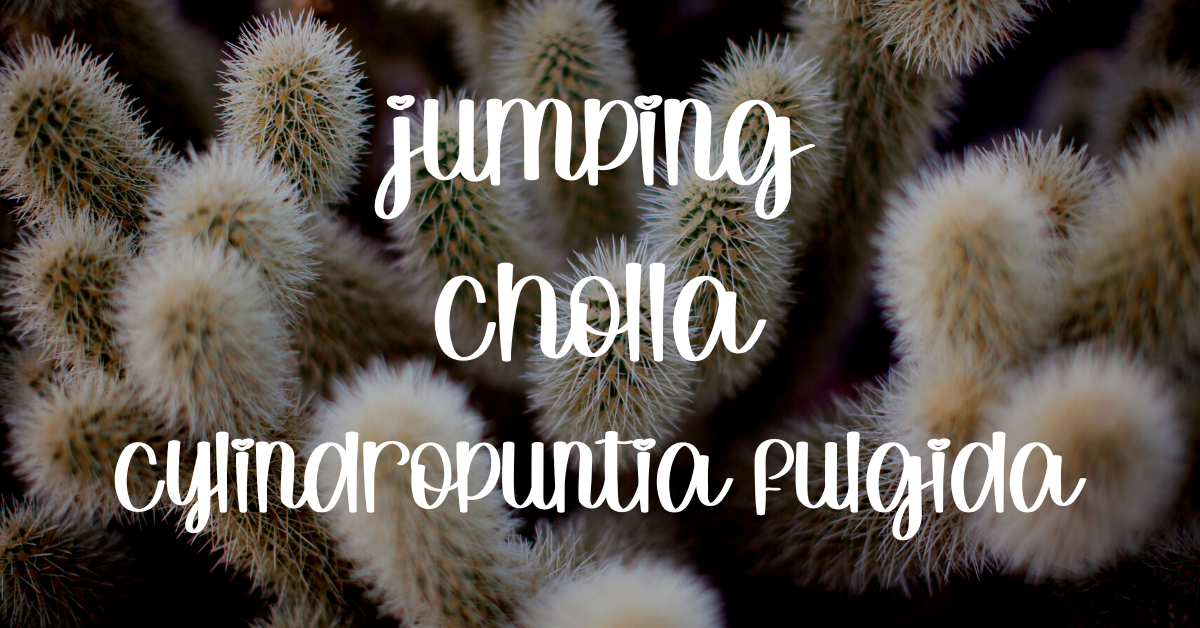
Cholla cacti (Cylindropuntia spp.) add a wild, architectural charm with spiny, jointed stems that often look almost skeletal. These cacti are not just visually captivating but fiercely adapted to hillside life. Their segmented growth enables them to shrug off damage easily and regenerate rapidly, an advantage on rugged landscapes.
Chollas are hardy, thriving in soils where nutrients are scarce and conditions are unforgiving. Their dense spines form a natural barrier for wildlife, preventing trampling and further soil disruption. However, their sharp spines warrant careful positioning away from heavily trafficked paths for safety.
Hedgehog Cacti: Compact and Hardy Ground Covers
Don’t underestimate the power of the humble hedgehog cactus (Echinocereus spp.) when it comes to hillside planting. These small but spine-studded cacti excel at forming dense mats or clumps, which work wonders for stabilizing loose soil layers. Their brilliant blooms in spring offer vibrant color contrasts against rocky slopes, infusing life into otherwise stark geography.
This genus tolerates both intense sun and occasional cold snaps, providing a versatile choice that bridges climates. Its relatively moderate growth rate means it won’t overwhelm its neighbors while still providing excellent ground coverage and erosion control.
Designing with Cacti: Combining Beauty and Function on Hillsides
Planting cacti on slopes is about more than survival—it’s about curating a living sculpture that marries flora and terrain into harmony. Consider mixing species of varying heights and growth habits to create texture and depth. Pair pioneering cacti like prickly pear with bold, solitary barrel cacti to form natural focal points.
Complement your cacti with drought-tolerant companion plants such as agaves or sedums to enhance soil anchoring and create an ecosystem resistant to erosion and invasive species. Thoughtful placement respects the natural contours of the slope, mirroring the organic chaotic beauty of desert landscapes.
Maintenance Marvels: How to Care for Slope-Adapted Cacti
One of the joys of gardening with cacti on slopes is their minimal maintenance needs. Yet, several key tasks ensure long-lasting vigor:
- Watering: While cacti are drought tolerant, newly planted specimens benefit from occasional deep watering to establish roots.
- Soil Care: Avoid compacted soils; maintain good drainage by amending with grit or sand if necessary.
- Weed Control: Remove aggressive weeds that compete for moisture and nutrients.
- Pruning: Remove dead or damaged stems, especially in cholla, to encourage healthy growth and reduce hazards.
Remember, over-tending is the enemy of cactus health—less is often more when cultivating plants that champion resilience.
Final Flourish: Transforming Hillsides into Drought-Defying Masterpieces
So, can cacti truly reign supreme on challenging slopes? Absolutely. With their extraordinary adaptations, these spiny sentinels transform precarious hillsides from erosion risks into flourishing landscapes brimming with texture, color, and a touch of desert mystique. Their combination of aesthetic appeal and ecological function renders them indispensable allies in hillside gardening. Embrace the challenge; your slope is primed for its cactus conquest!
FAQ
What types of cacti are best for slopes?
Barrel cacti, prickly pears, cholla, and hedgehog cacti are all excellent choices for slopes.
How do cacti stabilize soil on slopes?
Cacti have strong root systems that anchor them in place, preventing soil erosion.
What are the care requirements for slope-adapted cacti?
They require well-drained soil and benefit from occasional deep watering, especially when newly planted.
Leave a Reply