
Short Answer
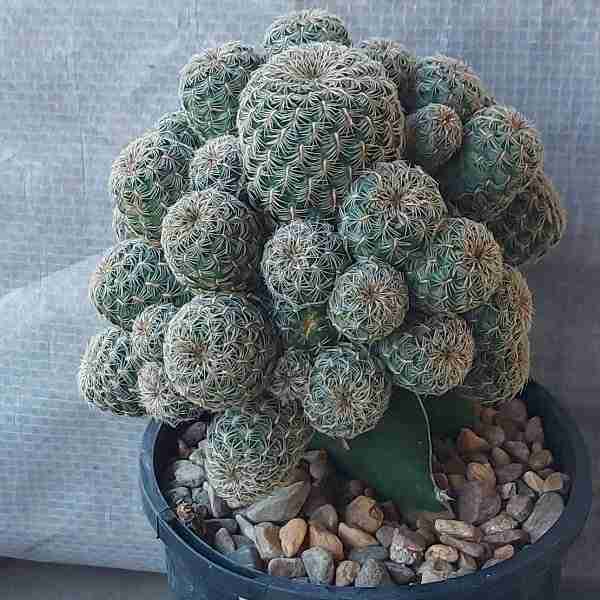
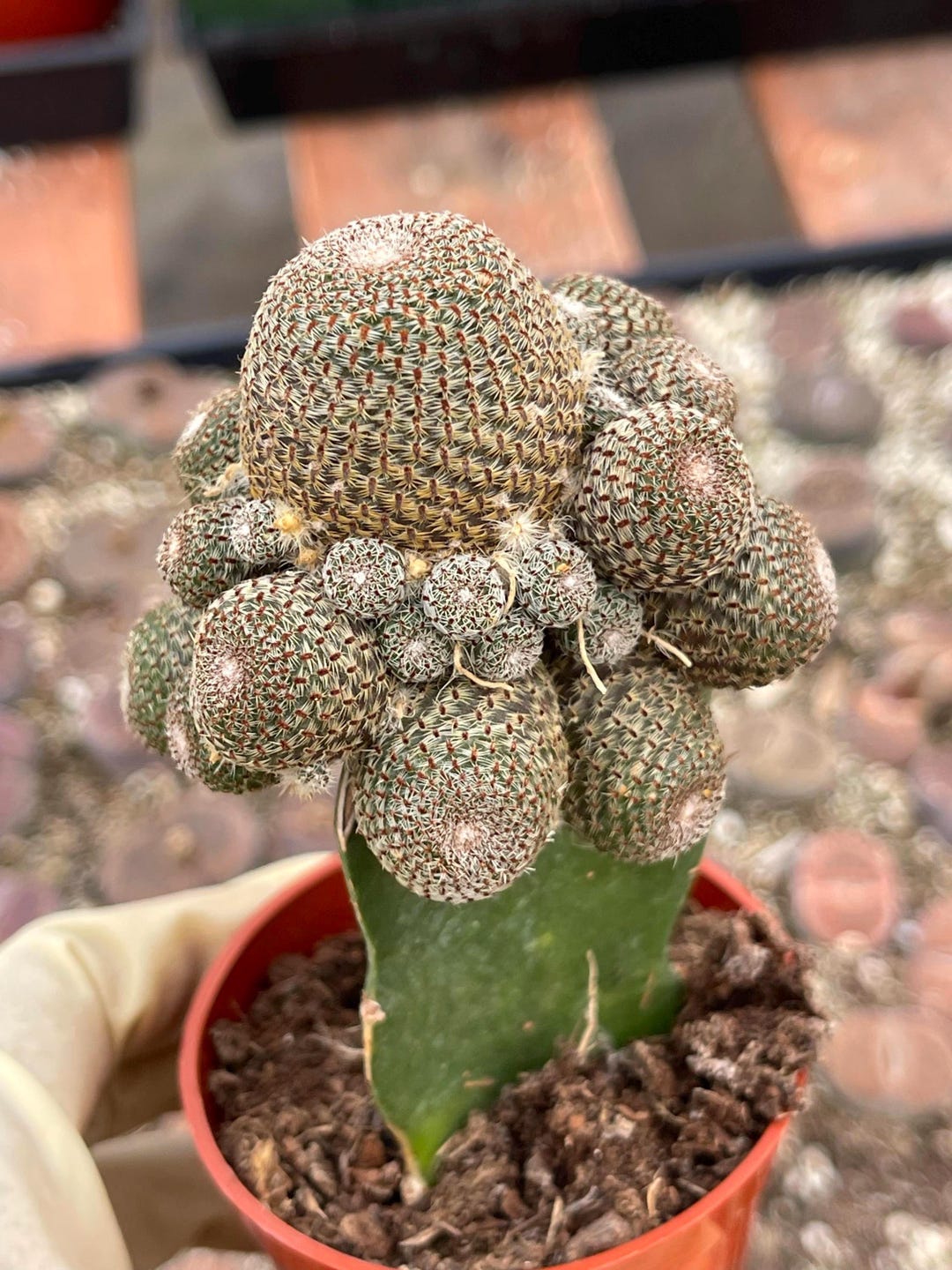
Have you ever gazed at your cactus collection and wondered, What if I could mix the spiky tenacity of a Mammillaria with the towering grandeur of a Saguaro? Or perhaps you’ve dreamed of creating a “Franken-cactus” that blooms in colors no single species could dream of? Grafting cacti isn’t just a horticultural trick—it’s a bold experiment in botanical alchemy, where patience and precision fuse two plants into one living masterpiece. But be warned: this isn’t your grandma’s rose-grafting project. Cacti grafting is a dance with thorns, a test of nerve, and a celebration of botanical creativity. Ready to dive in? Let’s turn those prickly dreams into a reality.
The Allure of Cacti Grafting: Why Bother with a Spiky Frankenstein?
At first glance, grafting cacti might seem like an exercise in masochistic horticulture—why risk harming a perfectly good plant when you could just admire it from afar? The answer lies in the “superplant” phenomenon. By grafting, you can:
- Accelerate growth: Some cacti, like the Pereskiopsis rootstock, grow at lightning speed, giving your slower species a turbo boost.
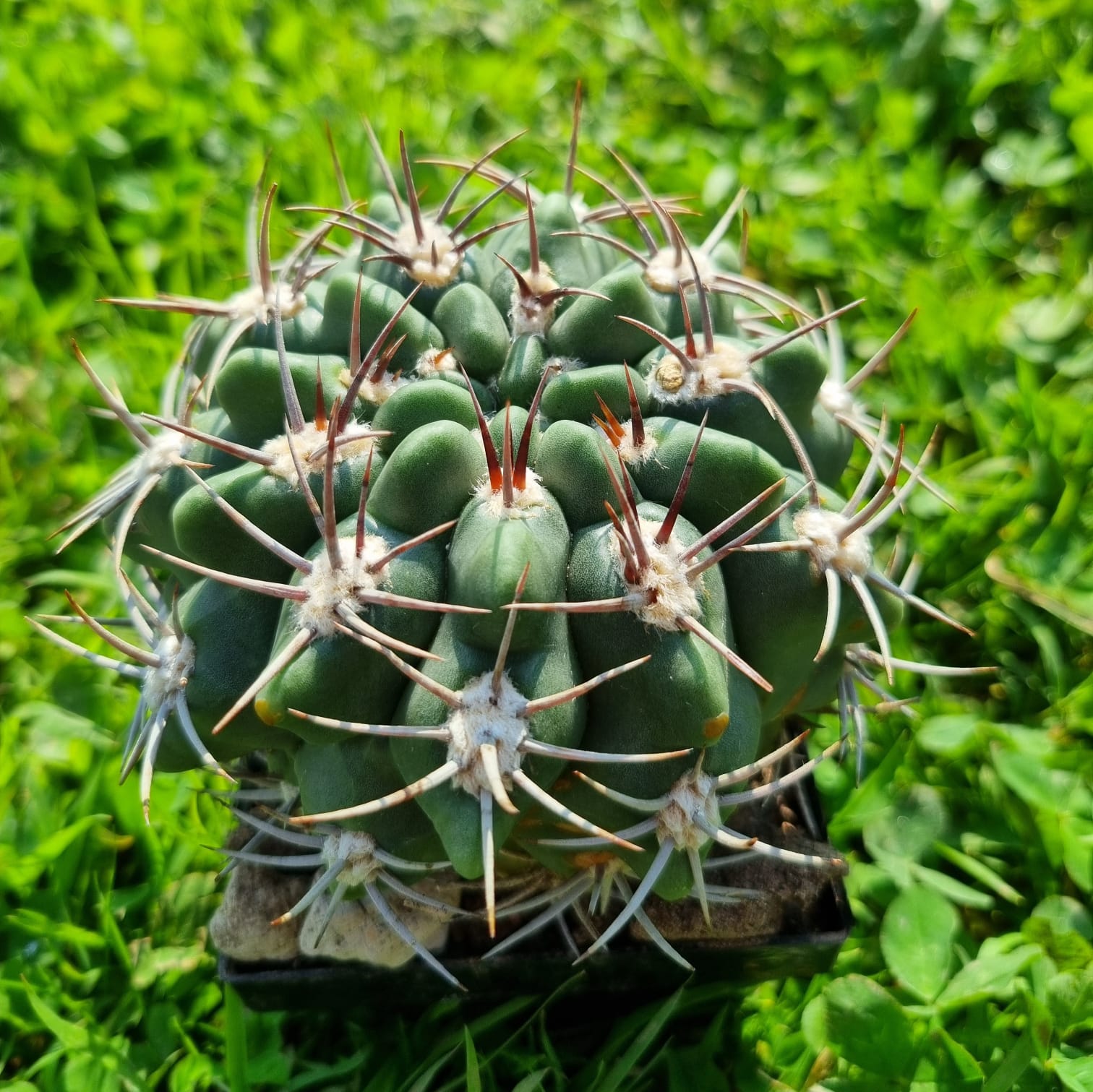
- Revive ailing cacti: A struggling Gymnocalycium can be saved by grafting it onto a hardy rootstock.
- Create hybrids: Imagine a Echinopsis grafted with a Rebutia—suddenly, you’ve got a cactus that blooms in neon hues.
- Preserve rare genetics: Grafting allows you to multiply slow-growing or endangered species before they vanish from cultivation.
The real magic? You’re not just a gardener—you’re a “cacti architect”, sculpting living art one slice at a time. But like any great experiment, the path to success is paved with pitfalls. And the first hurdle? Choosing your players wisely.
Selecting Your Cast: The Rootstock and Scion Tango
Every grafting endeavor begins with a “power couple”—the rootstock (the plant that will anchor your creation) and the scion (the grafted piece that will become the star). But not all cacti are created equal in this relationship. Some pairings are as harmonious as peanut butter and jelly; others are a botanical disaster waiting to happen.
Rootstock contenders: These are the workhorses of your graft. Top picks include:
- Hylocereus (Dragon Fruit Cactus): Fast-growing, disease-resistant, and thick enough to support hefty scions.
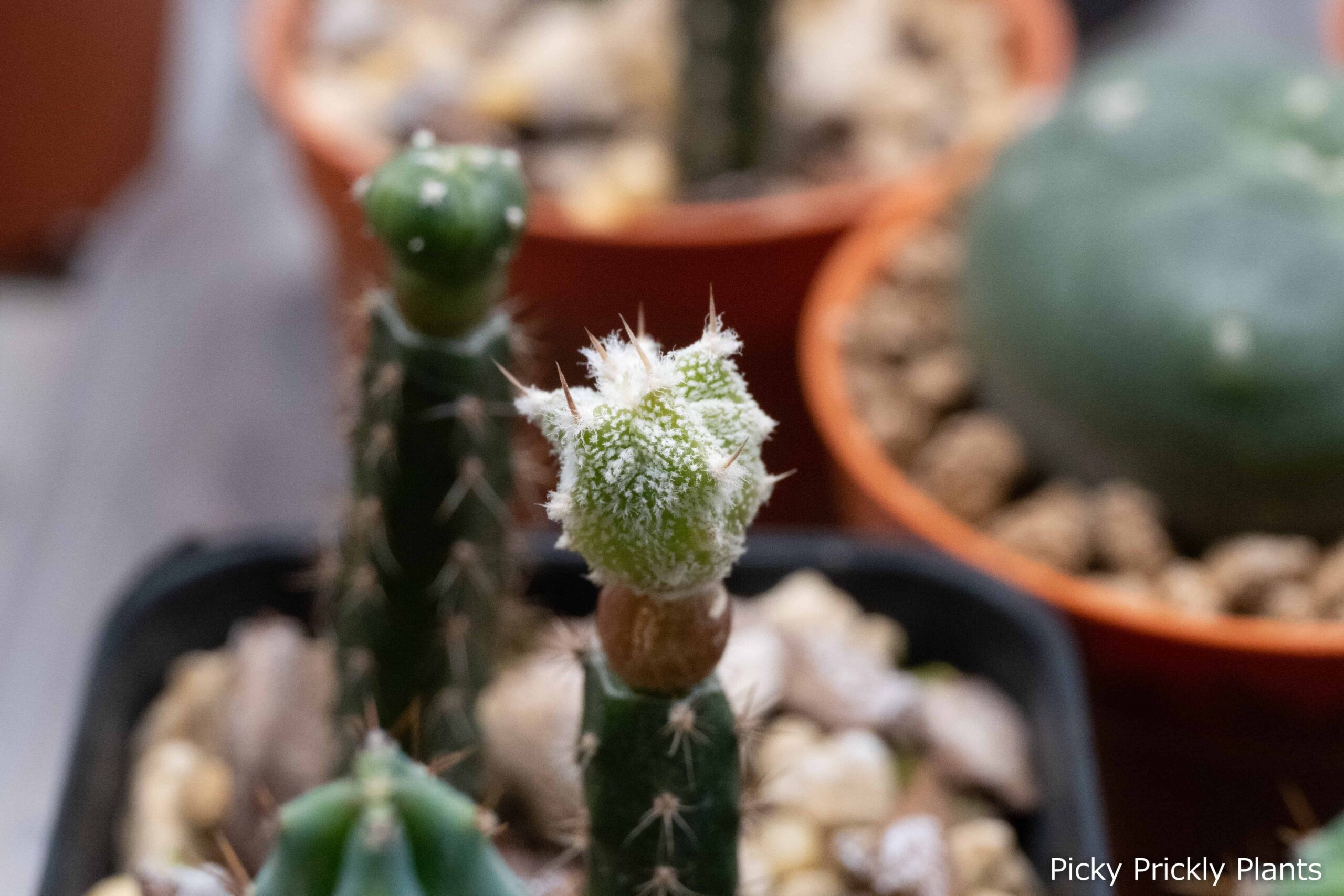
- Pereskiopsis: A speed demon with a pencil-thin stem, perfect for tiny scions like Mammillaria or Gymnocalycium.
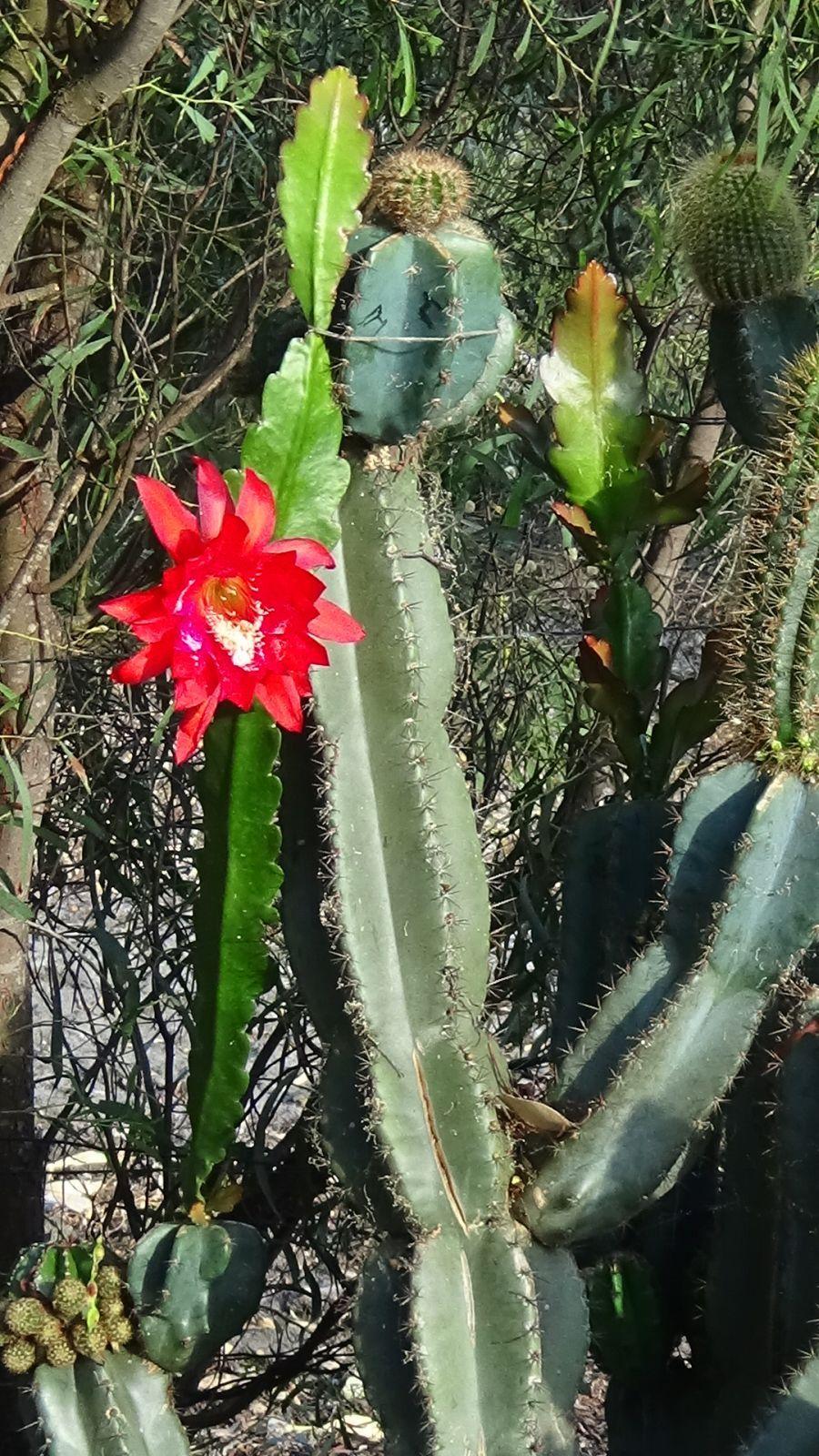
- Selenicereus (Queen of the Night): A robust, climbing cactus that can handle larger grafts.
- Myrtillocactus geometrizans (Blue Columnar Cactus): A sturdy, drought-tolerant option with a striking blue-green hue.
Scion selection: Your scion should be healthy, disease-free, and—ideally—already showing signs of new growth. Avoid scions with soft spots, discoloration, or signs of rot. And here’s a pro tip: match growth rates. A slow-growing Lophophora (Peyote) grafted onto a Hylocereus might outpace its rootstock, leading to a top-heavy disaster.
But what if your dream graft is between two cacti that couldn’t be more different? That’s where the real fun—and the real challenge—begins. Enter the “genus mashup”.
Breaking the Rules: Grafting Across Genera
Most grafting guides preach compatibility like a botanical Ten Commandments. “Stick to the same genus!” they warn. But where’s the adventure in that? Crossing genera opens a Pandora’s box of possibilities—and potential problems. Some of the most stunning grafts happen when you dare to mix families.
For example:
- Echinopsis + Lobivia: These South American natives are like cacti cousins—close enough to bond, different enough to create unique hybrids.
- Gymnocalycium + Rebutia: A match made in heaven for color lovers. The Gymnocalycium’s pastel hues paired with the Rebutia’s vibrant blooms? Chef’s kiss.
- Ferocactus + Echinocactus: Both barrel cacti, but their contrasting rib patterns and spine structures can create a visually striking graft.
The catch? Incompatibility. Some genera just don’t play nice. A Mammillaria grafted onto a Saguaro? Almost certainly doomed. The key is research—and a willingness to experiment. Keep a grafting journal. Note which combinations thrive and which wither. Over time, you’ll develop an intuition for what works.
Now, let’s talk tools—because no cactus surgeon operates without a scalpel.
The Grafting Toolkit: What You Need to Slice, Dice, and Heal
Precision is paramount. You wouldn’t perform surgery with a butter knife, and you shouldn’t graft cacti with dull tools. Here’s your must-have list:
- Sharp blade: A single-edge razor blade or X-Acto knife, sterilized with rubbing alcohol. Dull blades crush tissue; sharp blades make clean cuts.
- Rubbing alcohol: To sterilize your tools and the graft site. Bacteria and fungi are the enemies of healing.
- Grafting wax or parafilm: This is your “bandage.” It keeps the scion in place and prevents moisture loss. Parafilm is stretchy and self-adhesive; grafting wax is traditional but messier.
- Rubber bands or hair ties: For securing the graft while it heals. Choose ones that won’t cut into the cactus.
- Gloves: Because nobody wants to explain to their doctor how they got a Ferocactus spine lodged in their thumb.
- Patience: The most underrated tool. Rushing the process is a one-way ticket to graft failure.
Pro tip: Work in a well-ventilated area. Cactus sap can be irritating, and the scent of rubbing alcohol isn’t exactly a bouquet of roses.
The Surgical Procedure: Step-by-Step Grafting Like a Pro
Ready to make the cut? Here’s how to perform a “flat graft”, the most beginner-friendly method:
- Prep the rootstock: Choose a healthy, mature cactus. Use your sterilized blade to make a horizontal cut across the top. The cut should be smooth and flat—no jagged edges.
- Prep the scion: Cut a small section (about 1–2 inches long) from your donor cactus. The cut should mirror the rootstock’s surface. If your scion is small, aim for a diameter similar to a pencil.
- Align the pieces: Place the scion directly onto the rootstock’s cut surface. The vascular rings (the concentric circles you see in a cross-section) should match up as closely as possible. This alignment is critical for nutrient flow.
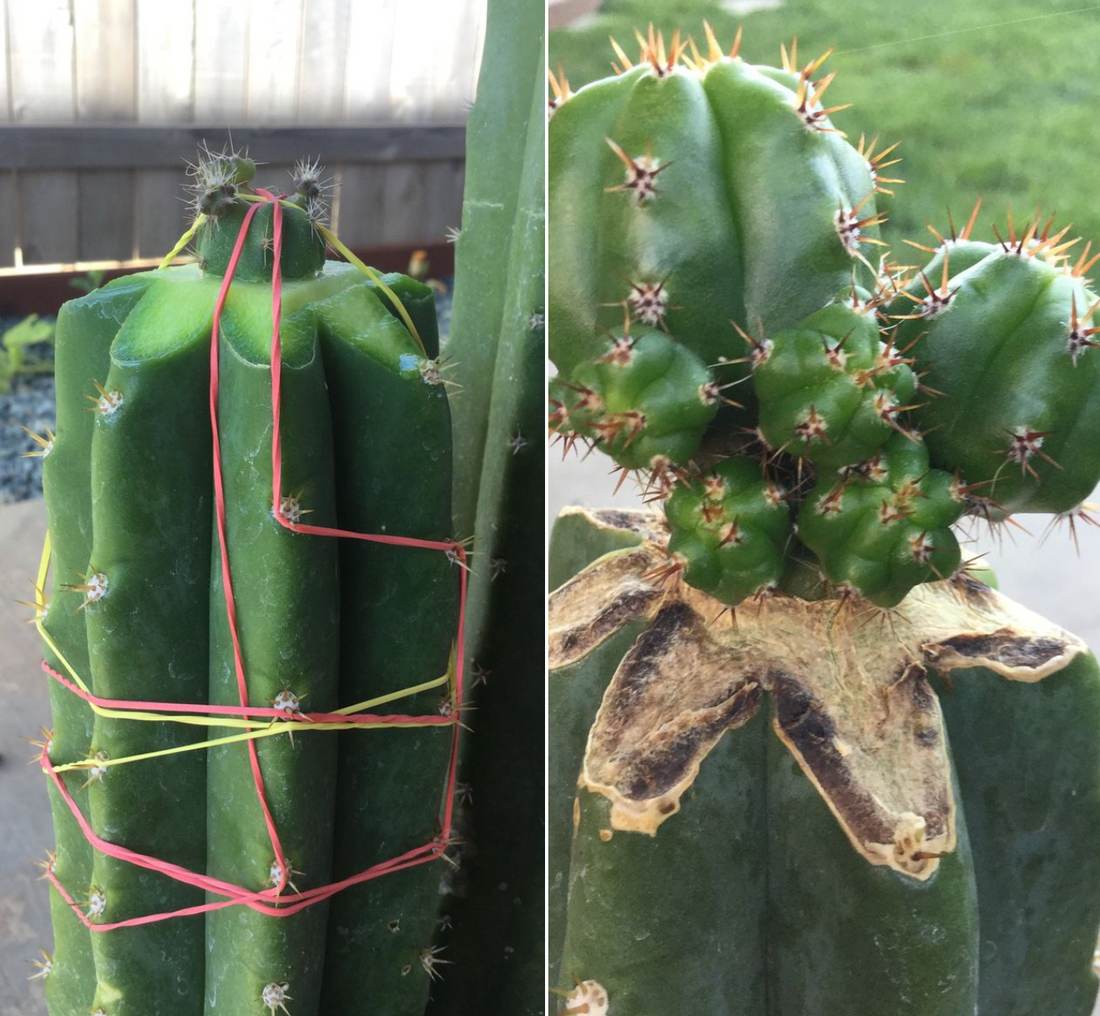
- Secure the graft: Wrap the junction tightly with parafilm or apply a dab of grafting wax. Then, use rubber bands to hold everything in place. Think of it like a botanical corset—snug but not suffocating.
- Healing period: Place the graft in a bright, indirect light location. Avoid direct sun, which can scorch the healing tissue. Mist lightly every few days to maintain humidity. In 2–4 weeks, the graft should take hold.
- Monitor and adjust: Watch for signs of rot (mushy, discolored tissue) or desiccation (shriveled scion). If the graft fails, don’t despair—even experts lose a few battles.
Remember: The first few grafts are always the hardest. Your hands will shake. Your cuts might be uneven. But with each attempt, you’ll refine your technique. Soon, you’ll be grafting like a seasoned “cacti whisperer.”
Troubleshooting: When Your Graft Goes Rogue
Not every graft is a success. Sometimes, the scion topples over like a drunkard at a party. Other times, it rots into a sad, mushy mess. Here’s how to diagnose—and fix—common grafting woes:
- Scion falls off: Likely a sign of poor alignment or insufficient securing. Re-graft with fresh cuts and tighter wrapping.
- Scion wrinkles or shrivels: Dehydration. Increase humidity with a humidity dome or mist more frequently.
- Black or mushy tissue: Rot. This is often caused by excess moisture or a dirty cut. Sterilize your tools and reduce watering.
- No new growth after weeks: The graft may have failed. Remove the scion and try again with a fresh piece.
- Rootstock sends up pups: A sign of stress. The rootstock is trying to survive by growing offsets. Prune these to redirect energy to the graft.
The key to recovery? Patience and observation. Cacti are survivors. Even if a graft fails, your rootstock might still thrive—ready for a second attempt.
The Aftercare: Nurturing Your New Cacti Hybrid
Once your graft has taken, it’s time to graduate from surgical mode to “plant parent” mode. Here’s how to keep your Franken-cactus happy:
- Light: Gradually introduce more light to prevent sunburn. A south-facing window or a grow light works wonders.
- Water: Wait at least a week after grafting before watering. Then, water sparingly—cacti hate soggy feet.
- Fertilizer: Hold off on fertilizer until the graft is fully established (about 4–6 weeks). Use a diluted, balanced formula.
- Pruning: If the scion outgrows the rootstock, you can trim it back to maintain balance. Always use sterilized tools.
- Patience: Some grafts take months to show significant growth. Don’t rush the process.
And what about those “wow factor” moments? The first bloom on your grafted masterpiece? The way it catches the light just right? That’s the reward for your labor—a living sculpture, a testament to your green-thumbed ingenuity.
Final Thoughts: The Grafting Journey Awaits
Grafting cacti is equal parts science and art. It’s a test of skill, a dance with danger, and a celebration of nature’s resilience. Whether you’re aiming for a “rainbow cactus” or a “spine symphony”, the journey is as rewarding as the destination.
So, grab your razor blade, pick your partners, and get grafting. The world of cacti is waiting—and it’s about to get a whole lot spikier.
FAQ
What is cactus grafting?
Cactus grafting is a method of joining two cactus plants together so that they grow as a single plant, combining desirable traits from both.
Can you graft cacti from different genera?
Yes, grafting across genera is possible but can be challenging due to compatibility issues; successful combinations often require experimentation.
What tools do I need for grafting cacti?
Essential tools include a sharp sterilized blade, rubbing alcohol, grafting wax or parafilm, rubber bands or hair ties, gloves, and patience.
How long does it take for a grafted cactus to heal?
Typically, grafts take 2 to 4 weeks to heal and show signs of successful union, depending on conditions such as light and humidity.
What are common problems when grafting cacti?
Common issues include poor alignment causing graft failure, dehydration of the scion, rot from excess moisture, and incompatibility between species.
Leave a Reply