
Short Answer
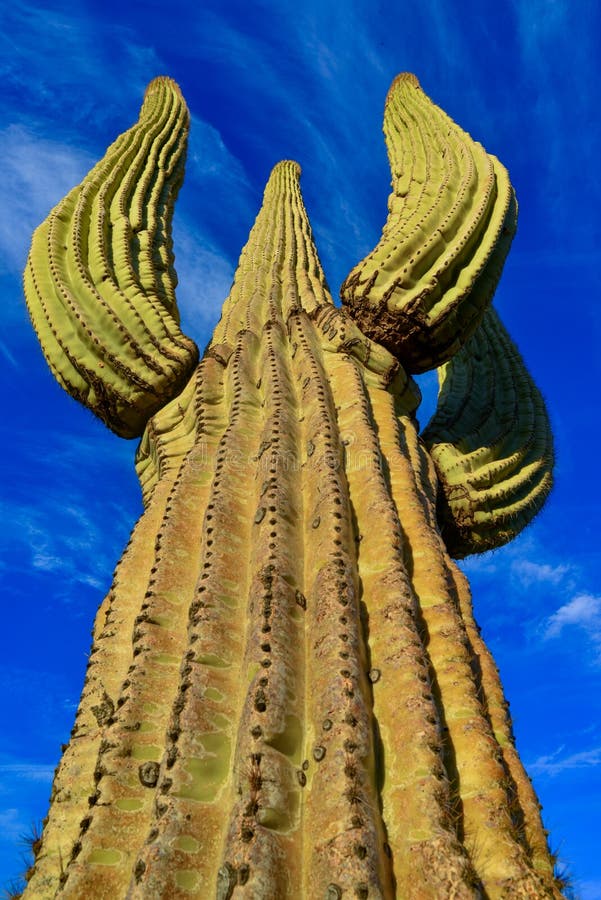
The saguaro cactus (Carnegiea gigantea) stands as a sentinel of the Sonoran Desert, its towering silhouette etched against the endless blue of the sky. But what if this iconic plant were more than just a botanical marvel? What if it were a silent storyteller, a cultural compass, and a resilient survivor all at once? The saguaro is not merely a plant—it is a symbol, a muse, and a testament to the harsh yet breathtaking beauty of the American Southwest. Its presence weaves through the fabric of indigenous traditions, modern art, and even the dreams of those who traverse the desert’s sun-baked expanse. Yet, for all its grandeur, the saguaro faces challenges that threaten its legacy. How does this prickly giant continue to shape—and be shaped by—the cultures that revere it?
The Saguaro as a Cultural Icon: From Indigenous Roots to Modern Symbolism
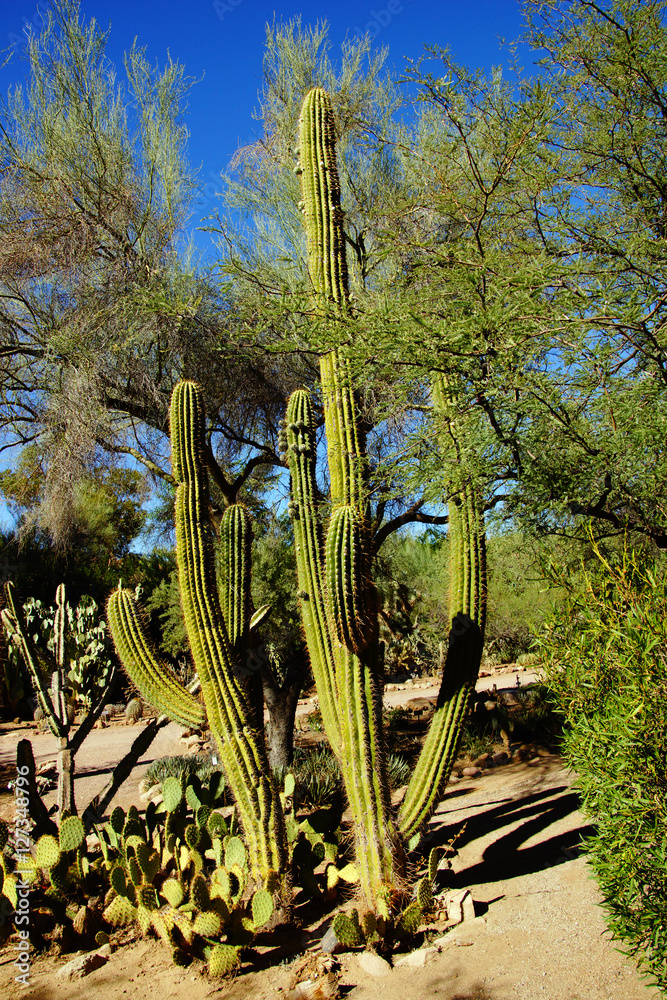
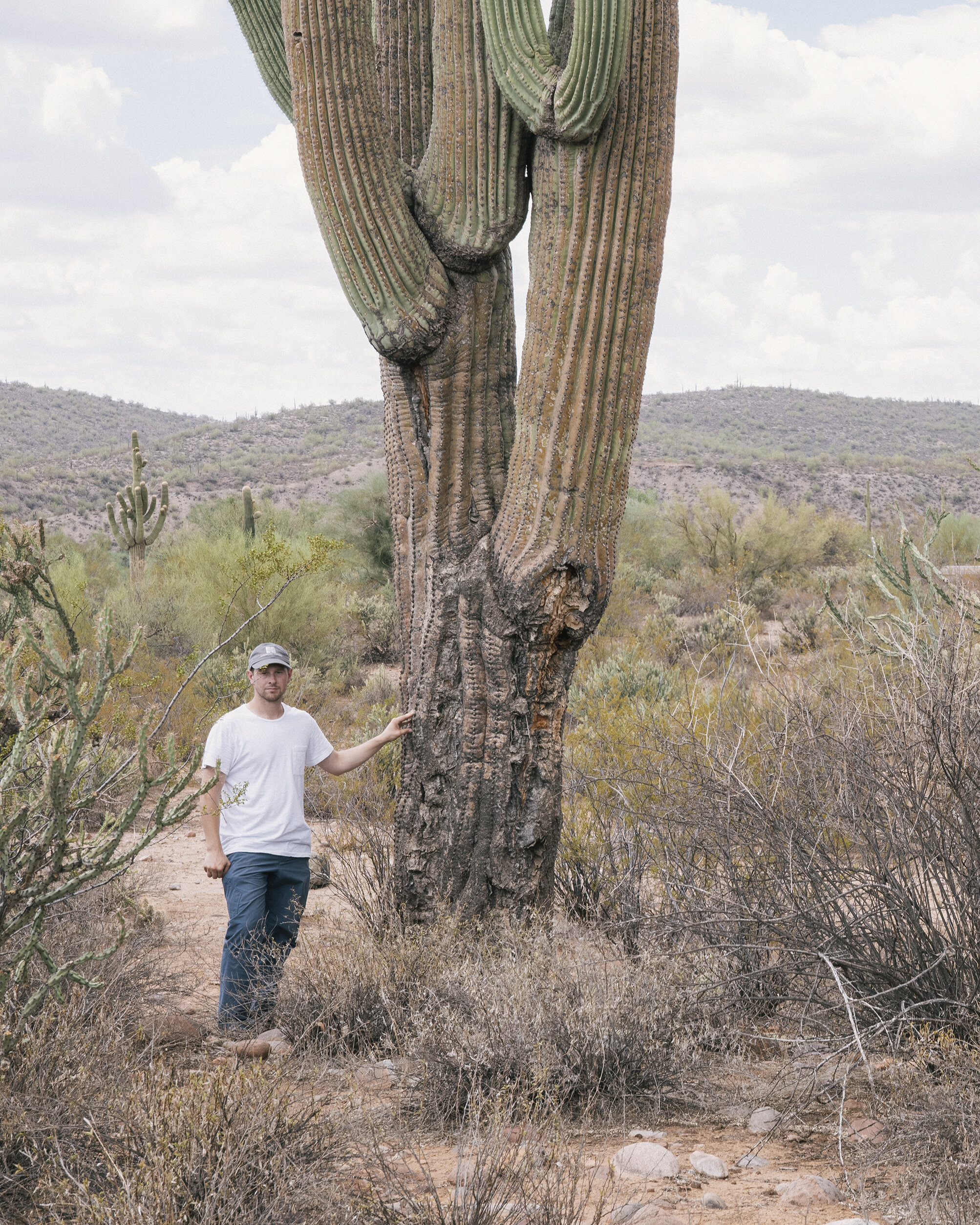
The saguaro’s significance runs deeper than its towering height, which can reach up to 40 feet and weigh over a ton. For the Tohono O’odham people, the Native American tribe indigenous to the Sonoran Desert, the saguaro is sacred—a living bridge between the earth and the sky. The Tohono O’odham’s annual Saguaro Wine Festival celebrates the harvest of the saguaro’s fruit, a tradition that dates back centuries. The fruit, known as bahidaj, is not just a food source but a symbol of sustenance and community. The wine made from it, nawait, is a ceremonial drink, imbibed during rituals that honor the desert’s cycles of life and death.
Beyond the Tohono O’odham, the saguaro has infiltrated the broader cultural consciousness of the Southwest. It appears in the art of Georgia O’Keeffe, whose paintings of its skeletal arms against the desert sky evoke both fragility and strength. It graces the logos of Arizona sports teams and state parks, its silhouette instantly recognizable. Even in modern pop culture, the saguaro has become a shorthand for the American West—think of the cacti that punctuate the landscapes of Western films or the desert backdrops of video games like Red Dead Redemption. The saguaro is more than a plant; it is a cultural shorthand, a visual metaphor for resilience, solitude, and the untamed spirit of the desert.
The Saguaro’s Role in Myth and Folklore: Stories Carved in Spines
Every culture drapes its landscapes in myth, and the saguaro is no exception. Among the Tohono O’odham, one legend tells of the saguaro as a once-mortal woman who was transformed into a cactus after her tragic death. Her arms, outstretched in grief, became the arms of the saguaro, forever reaching toward the heavens. Another tale speaks of the saguaro as a guardian, its spines warding off evil spirits that might harm the desert’s inhabitants. These stories are not mere fables; they are living traditions, passed down through generations, that imbue the saguaro with a sense of purpose and divinity.
The saguaro’s role in folklore extends beyond the Tohono O’odham. In Mexican and Southwestern lore, the cactus is often associated with endurance and adaptability. Some believe that the saguaro’s slow growth—it can take up to 70 years to grow its first arm—mirrors the patience required to thrive in the desert. Others see its ability to store water in its trunk as a lesson in resourcefulness. The saguaro is not just a plant; it is a teacher, a silent philosopher whose very existence whispers lessons about survival in a harsh world.
The Saguaro’s Aesthetic and Artistic Influence: A Muse for Creatives
The saguaro’s striking silhouette has long captivated artists, photographers, and writers. Its arms, often contorted into dramatic poses by the desert winds, create a visual rhythm that is both chaotic and harmonious. Photographers like Ansel Adams and Edward Weston have immortalized the saguaro in black-and-white, capturing its stark beauty against the desert’s muted palette. Painters, from the impressionists to contemporary artists, have used the saguaro as a focal point, its form a study in contrast—soft curves against jagged spines, gentle slopes against abrupt angles.
In literature, the saguaro often serves as a symbol of the American West’s rugged individualism. Cormac McCarthy’s The Crossing, for instance, uses the saguaro as a recurring motif, its presence a reminder of the desert’s indifference to human struggles. Even in architecture, the saguaro’s influence is evident. The swooping lines of Frank Lloyd Wright’s Taliesin West in Arizona echo the cactus’s organic forms, blending human design with the natural world. The saguaro is not just a subject of art; it is an artist itself, shaping the aesthetic of an entire region.
The Saguaro’s Ecological Importance: A Keystone Species of the Desert
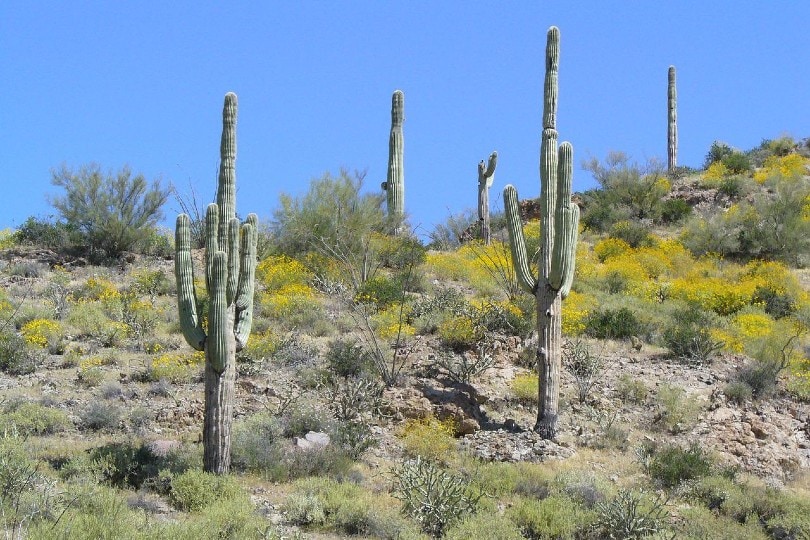
Beyond its cultural and artistic significance, the saguaro plays a crucial ecological role. It is a keystone species, meaning its presence supports a vast network of life in the Sonoran Desert. Woodpeckers, like the Gila woodpecker, carve out nests in the saguaro’s trunk, creating cavities that are later used by owls, kestrels, and even bats. The saguaro’s fruit provides food for birds, insects, and mammals, including coyotes and javelinas. Its shade offers respite for smaller plants and animals, creating microhabitats in an otherwise harsh environment.
Yet, the saguaro’s ecological importance is under threat. Climate change, urban sprawl, and invasive species are disrupting the delicate balance of the Sonoran Desert. The saguaro grows slowly, and its survival depends on a specific set of conditions—adequate rainfall, well-drained soil, and protection from human interference. Without these, the saguaro’s future—and the future of the species that depend on it—hangs in the balance. How can we ensure that this desert giant continues to thrive, not just as a symbol, but as a living, breathing part of the ecosystem?
The Challenges Facing the Saguaro: A Race Against Time
The saguaro’s greatest challenge may be its own slow growth. It can take decades for a saguaro to grow even a single arm, and a century or more to reach full maturity. This makes it particularly vulnerable to environmental changes. Rising temperatures and prolonged droughts, exacerbated by climate change, are stressing the saguaro’s ability to reproduce and survive. In some areas, saguaros are dying off at alarming rates, their skeletal remains a stark reminder of the desert’s changing climate.
Human activity poses another threat. Urban development, road construction, and even vandalism—such as carving initials into the cactus’s trunk—damage or kill saguaros. The saguaro’s slow growth means that every loss is a loss for future generations. Conservation efforts, such as those led by the Saguaro National Park in Arizona, aim to protect these giants through habitat restoration and public education. But is it enough? Can we, as a society, slow down long enough to appreciate the saguaro’s slow, deliberate pace—or will we continue to prioritize speed and convenience over the quiet resilience of nature?
The Saguaro’s Future: Can We Preserve a Living Symbol?
The saguaro’s future hinges on a delicate balance between preservation and progress. On one hand, the saguaro is a symbol of the Southwest’s identity, a plant that has shaped cultures, inspired art, and sustained ecosystems for centuries. On the other, it is a fragile organism, ill-equipped to adapt to rapid environmental changes. The challenge lies in finding ways to protect the saguaro without stifling the growth and development of the communities that call the desert home.
One solution may lie in education. By teaching people about the saguaro’s ecological importance and cultural significance, we can foster a deeper appreciation for this desert giant. Programs like the Adopt-a-Saguaro initiative, where individuals can sponsor the care of a specific cactus, help build personal connections to the plant. Another approach is to integrate saguaro conservation into urban planning, ensuring that new developments do not encroach on critical habitats.
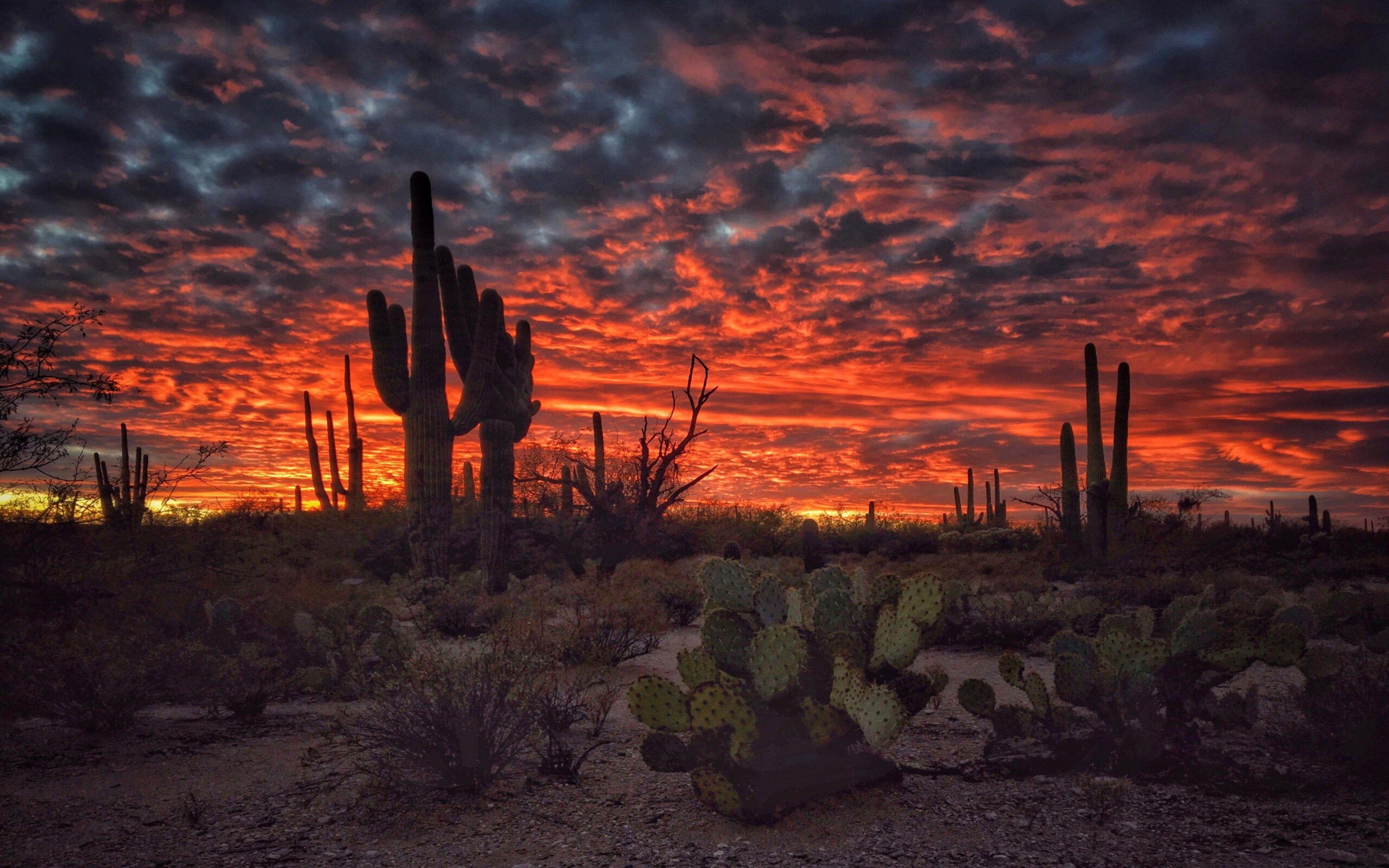
Ultimately, the saguaro’s survival depends on our willingness to slow down, to observe, and to respect the rhythms of the desert. It is a reminder that some things—like the growth of a cactus—cannot be rushed. The saguaro teaches us patience, resilience, and the beauty of standing tall in the face of adversity. As the desert sun sets and the saguaro’s silhouette darkens against the horizon, one question lingers: Will we be as steadfast as the saguaro in our efforts to protect it?
FAQ
What is the cultural significance of the saguaro cactus?
The saguaro cactus is considered sacred by the Tohono O'odham people and symbolizes resilience and community in various cultures.
What threats does the saguaro cactus face?
Major threats include climate change, urbanization, and invasive species, which impact its slow growth and survival.
Leave a Reply